Apple Cheddar Waffles

2015 Blog September-0463Although I object to the idea of swapping all of your usual décor with pumpkins and corncobs the moment calendars proclaim it’s the first day of fall, by the time mid-October rolls around I’m both cool with the harvest theme and starting to crave richer, belly-warming food. I have such ideas about bread, and stews, and short-ribs, and roasted everything…
2015 Blog September-04502015 Blog September-04522015 Blog September-0455Los Angeles is making this hard lately. With temperatures in the 90s during two of the past three weekends, it’s difficult to convince myself to cook anything, much less wax poetic about its warming spices and satisfying heartiness. My bedroom feels like the inside of a dryer. I might have fleeting dreams about fluffy, toasty, steaming biscuits mounded with chili, but all I can truly imagine consuming is a series of popsicles and frozen grapes.
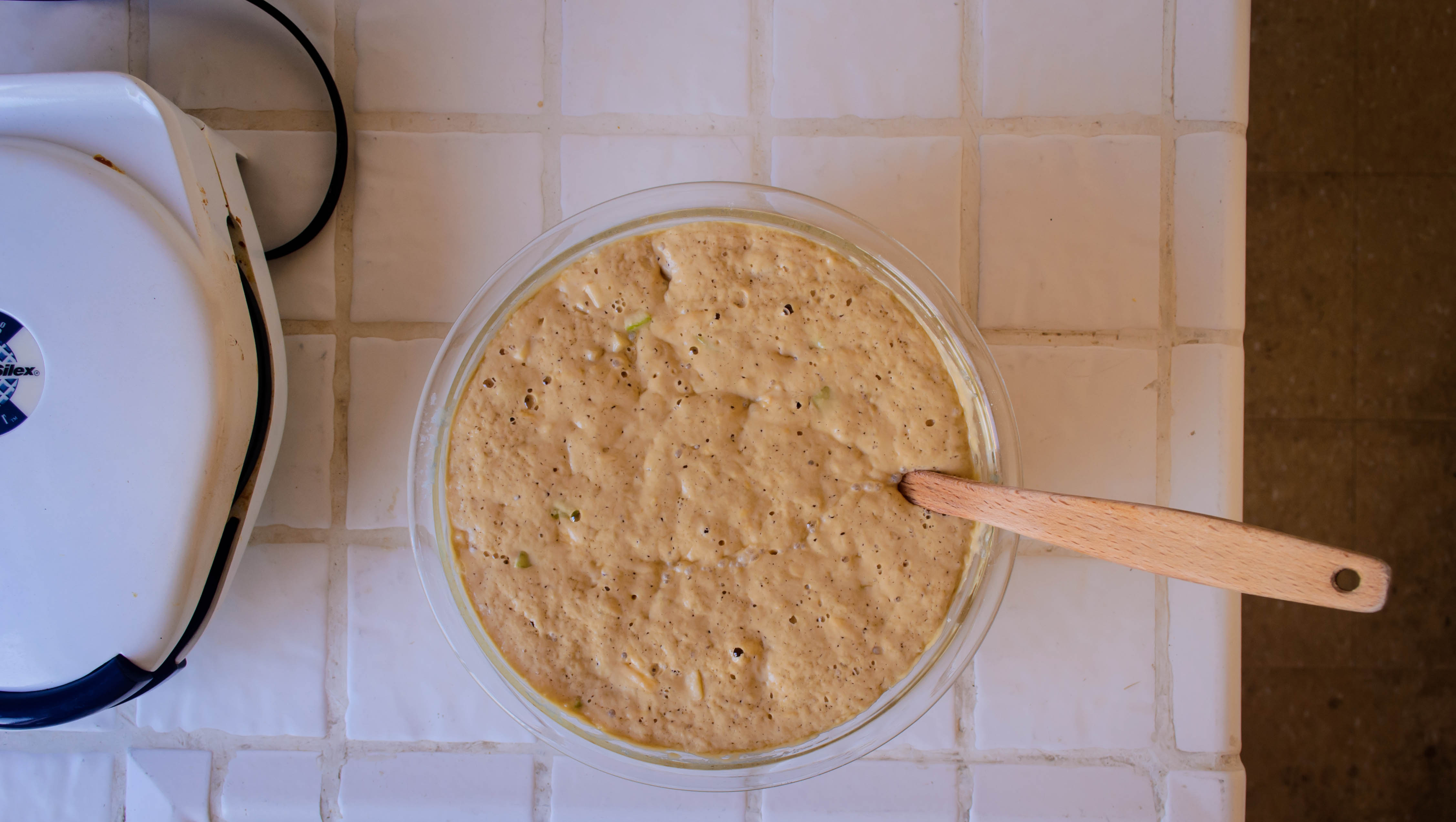
2015 Blog September-04562015 Blog September-0457But I will say, if it’s cool enough where you are that the thought of using heating implements in your kitchen doesn’t throw you into depression, you should make these waffles immediately. I first made them a month or so ago when it didn’t feel like Dante might mistake our kitchen for one of the circles of Hell. They were so good – fluffy and light from their yeasted batter, crisp and burnished with crackling edges of melted cheese – that it was only a week or two before we had to make them again. Like the grilled cheese sandwiches I pushed on you last year, they pull from the classic combination of cheddar cheese and apple pie. A wedge of salivation-inducing cheese against the sweet tartness of apple desserts is a worthy experiment in many cases, and here, soft, tender apple bits and pockets of melted cheese folded into a crisp waffle drowning in maple syrup is a combination you’re going to want to make all season, if the seasons would ever straighten themselves out. And if you simply aren’t enthused by a recipe that advertises itself with a pile of apples and sharp-as-you-can-get cheddar cheese, I’m not sure we can stay friends.

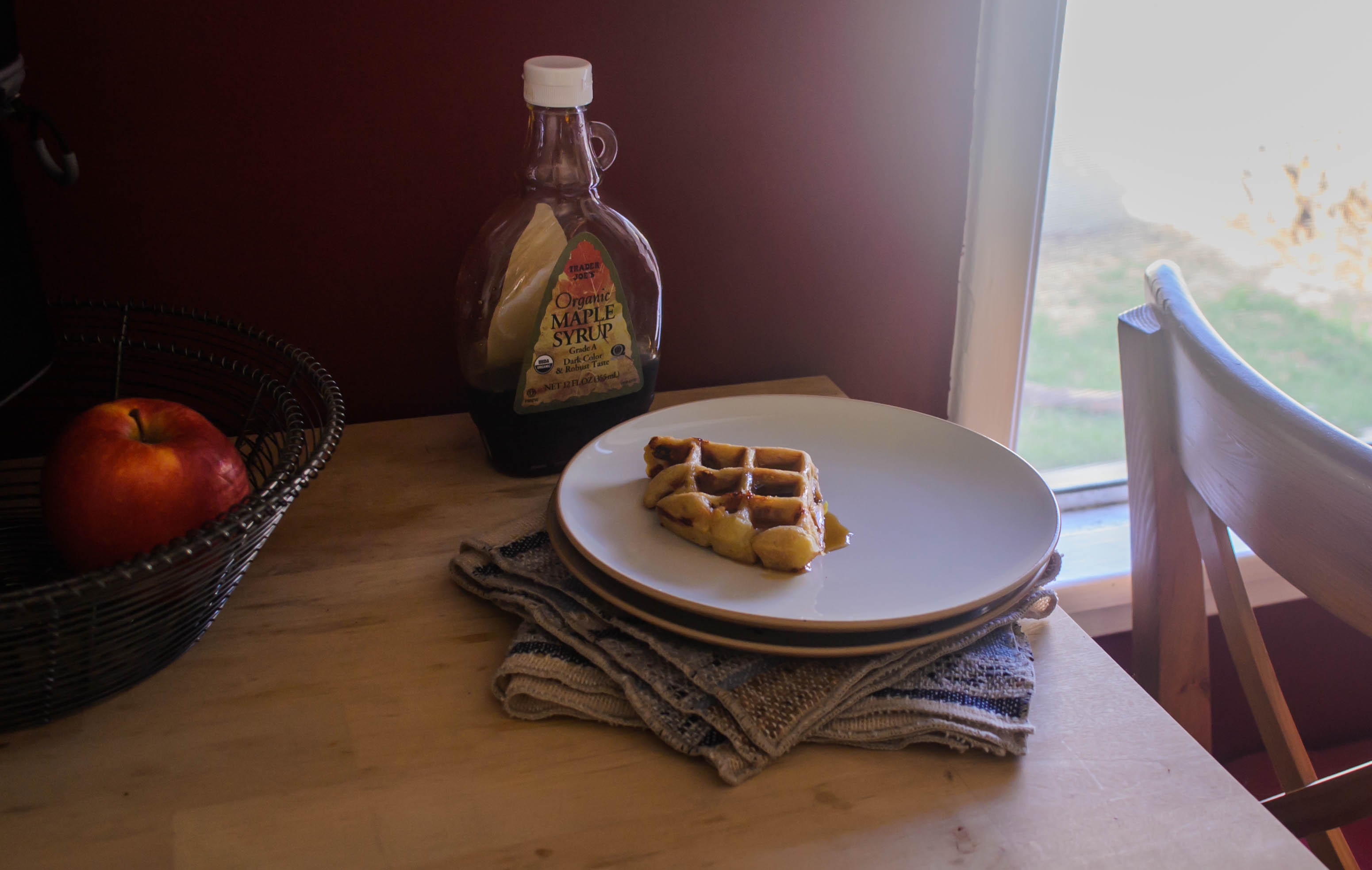
2015 Blog September-0467These start from my basic yeasted beer batter waffles recipe, which is adapted from King Arthur Flour. You can use milk instead of beer if you must, but between the yeast and the heat most of the alcohol is processed out, and the slightly bitter flavor of dark beer is such a welcome addition, balancing the rich cheese and tart apples. The first time I made these I was concerned about the apple pieces cooking all the way through in the short time they are enfolded in the waffle iron, but I needn’t have worried. They are in small enough pieces that they will cook. I like to leave the skins on for extra tartness, but you can peel them first if you prefer. Apples and cheese play well in both sweet and savory directions, so while I think a glug of maple syrup – we like to warm it up with a pinch of red pepper flakes for a little kick – makes these a complete meal, I could also see them providing a perfect raft for a moist thigh of roasted or fried chicken, or even piled with a fresh kale salad studded with walnuts and dried cherries. 2015 Blog September-0464
Apple Cheddar Waffles
Loosely adapted from King Arthur Flour
Makes about six 7-inch waffles
2-2½ hours (45 minutes active time)
1½ cups (12 ounces) lukewarm dark beer, such as a stout or a porter
1½ teaspoons active dry yeast
3 tablespoons maple syrup
6 tablespoons (3 ounces) melted butter, cooled
1 teaspoon salt
2 large eggs
2 cups all-purpose flour
1 green apple, diced into ¼ inch-½ inch chunks (1⅓ – 1½ cups, approximately)
1 generous cup grated sharp or extra sharp cheddar cheese


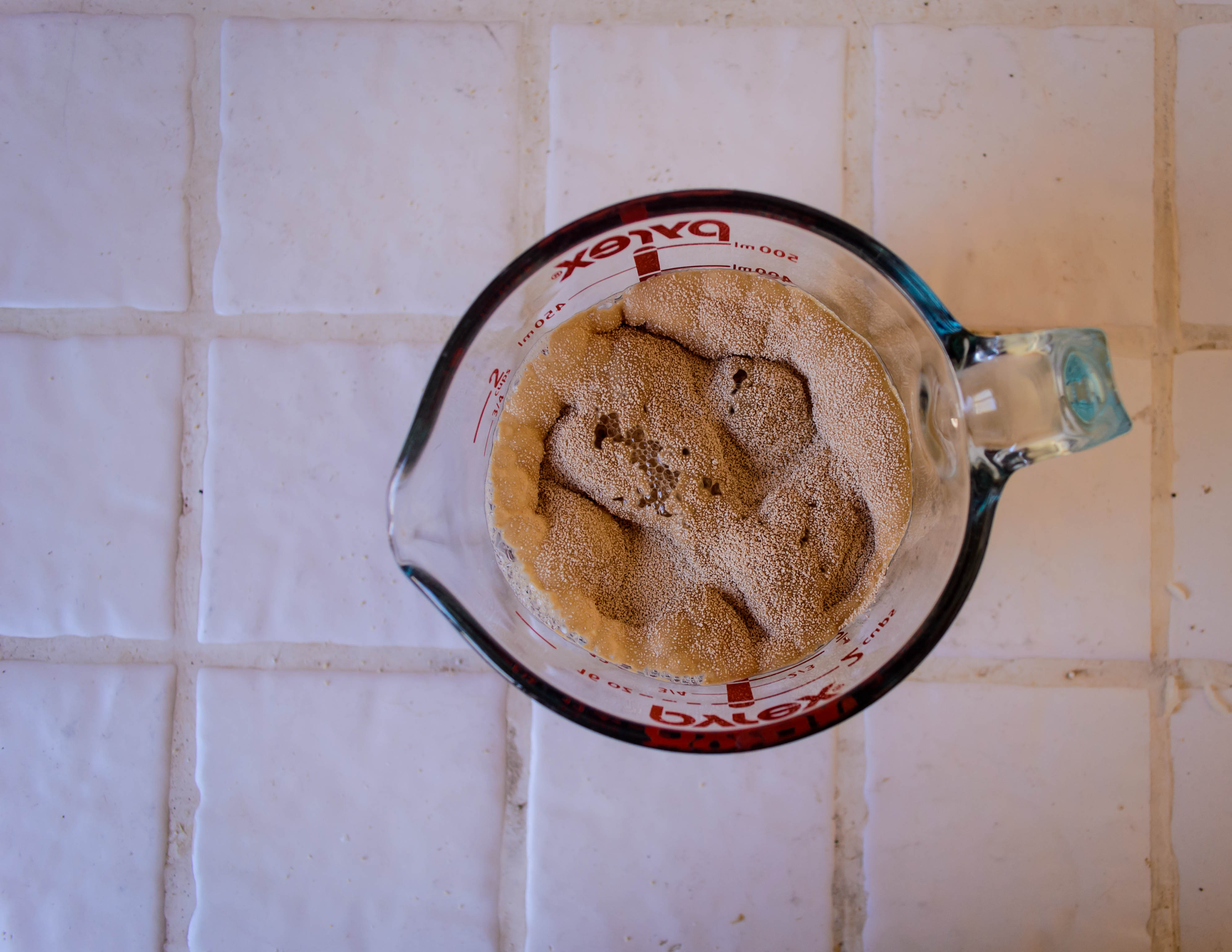
  • In a 2-cup glass measuring cup, or a small microwave safe bowl, heat the beer until just warm to the touch. Add yeast and let them mingle for 5-10 minutes. The yeast will foam up considerably, thanks to the extra sugars and yeast already in the beer.
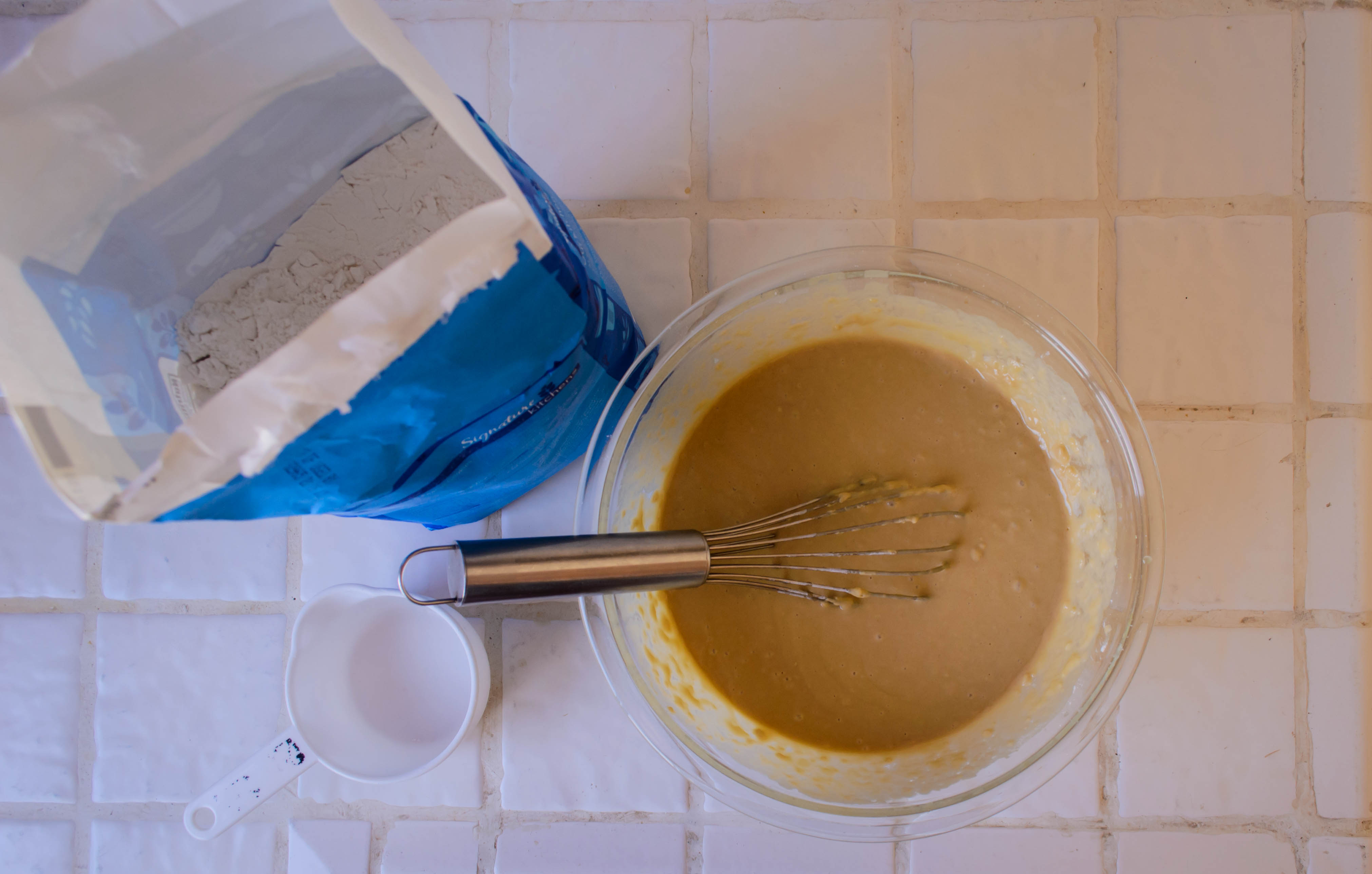
  • While the yeast proofs, whisk together the cooled melted butter, the maple syrup, the salt, and the eggs in a large bowl. Be sure there’s room for the batter to expand.
  • Add the beer and yeast mixture and whisk to combine, then add the flour 1 cup at a time, whisking to combine thoroughly. Switch to a rubber spatula and fold in the apple chunks and the cheese. Stir well, as the cheese may want to stick together; we want it evenly incorporated.
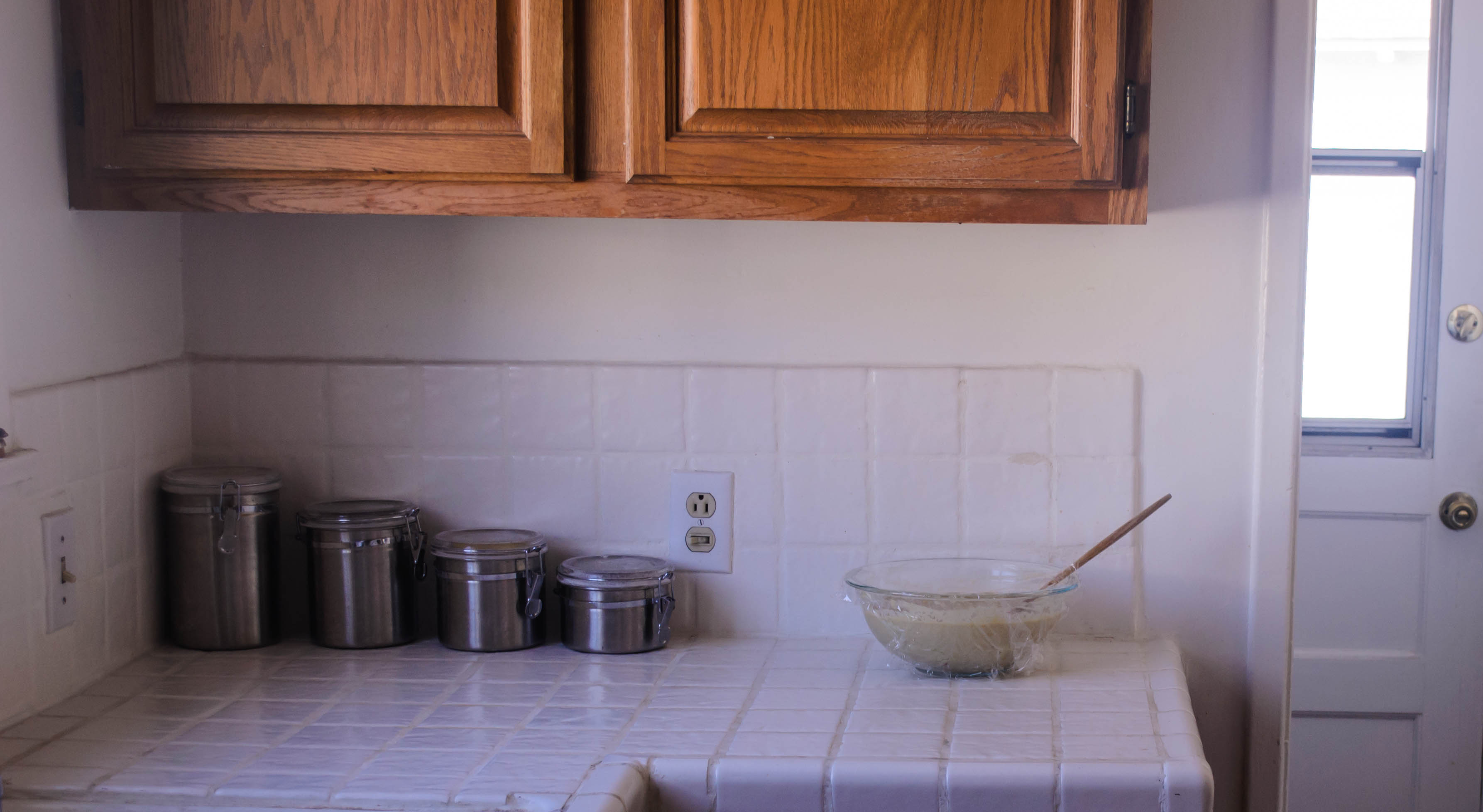
  • Cover the bowl with plastic wrap and set it on the counter for 1½-2 hours (how fast it rises and bubbles will depend on how warm your kitchen is, but longer rise = deeper flavor).  The mixture will develop lethargic and then more energetic bubbles, and begin to smell quite bready.
  • Once it has had a chance to rise and is covered with a near-consistent layer of bubbles, either stow in the refrigerator overnight, or preheat your waffle iron!
  • Drop the batter in generous ⅔ cup batches onto a preheated, greased waffle iron (or whatever capacity your iron can handle). Close the lid and cook for the recommended amount of time, or until the waffle is crisp on the outside and deeply golden, with dark crisp cheese lace protruding. Ours took about 7 minutes per waffle. (If you refrigerated your batter for a few hours or overnight, be sure to bring it back up to room temperature before cooking)
  • Serve hot with your choice of sweet pourable topping. We like maple syrup warmed with a pinch of red chili flakes in it, for a little kick. If you need to keep the waffles warm, stow them on a wire rack over a baking sheet in a 250F oven until you are ready to eat.

 

Chocolate Stout Floats with Bourbon Caramel

2015 Blog September-0416Labor Day deserves to be celebrated. The reason we have not just a three-day weekend this week, but a weekend at all, is a result of the hard work and fighting of workers, federations, and labor unions demanding reasonable working conditions and time off. In many industries, they helped us get fair working conditions. Their efforts should be commemorated.

2015 Blog September-0420I think, though, on Labor Day we should treat ourselves more than fairly. We should treat ourselves well. We should celebrate what has been fought for and allow ourselves not an indulgence, but a reward we deserve. After all, we work hard!

real shoes: crucial caramel-making equipment!

real shoes: crucial caramel-making equipment!

In my case, of course, this reward is food. I’m not completely devoted to the Labor Day barbecue tradition (in fact, tonight we are having arroz con pollo), but I do think a special dish is an appropriate method of celebration. Let’s do dessert.

2015 Blog September-0399

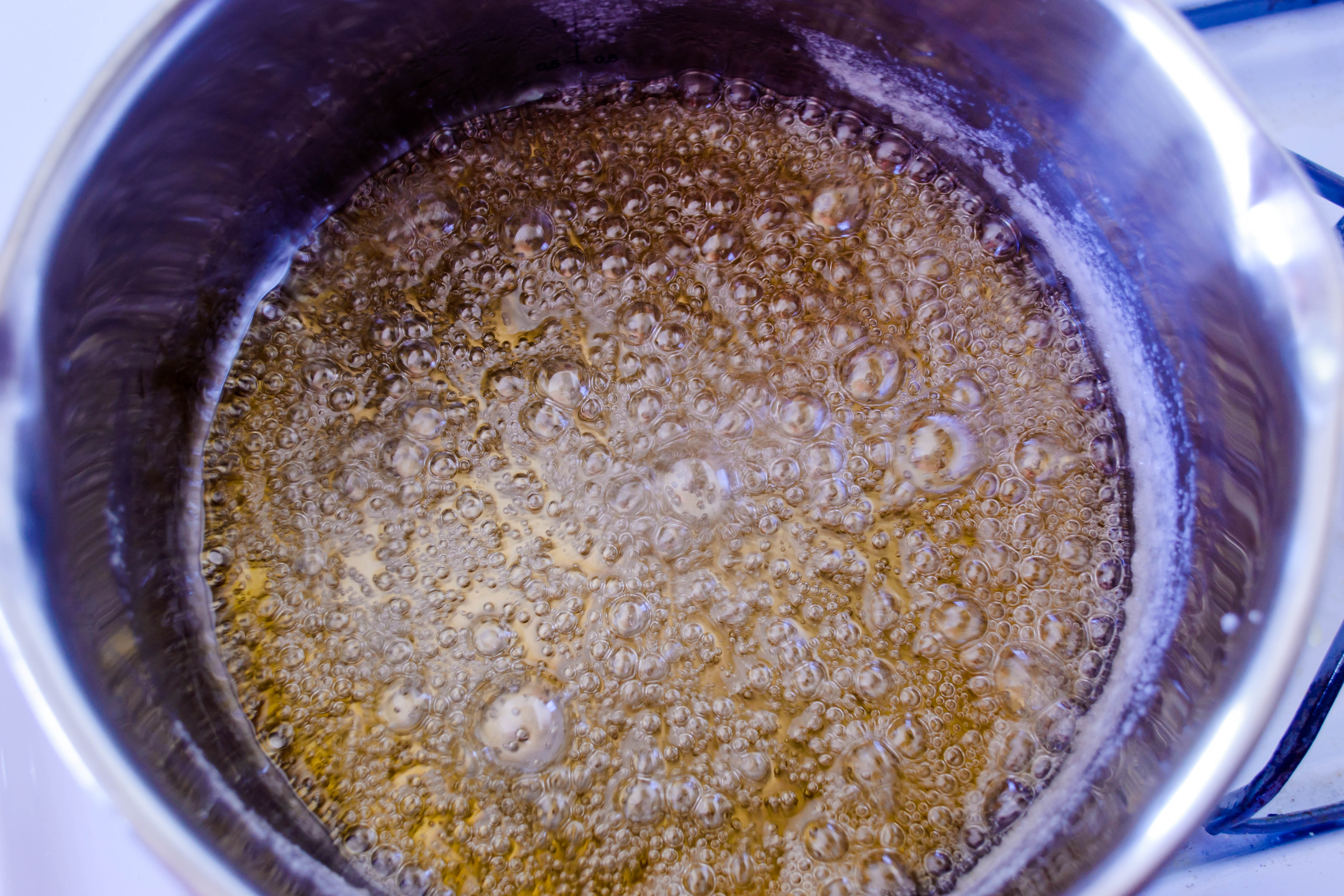
dissolved sugar, rapid bubbling

2015 Blog September-0401

sugar caramelizing around pot edges

2015 Blog September-0402

approaching dark amber color; almost time to add the cream.

Like Labor Day, this dessert of just rewards has several origin stories. The first is simple: as I noted here, a few months ago my friend B. asked for my tips on bourbon dessert sauces. One of her attempts involved a bourbon caramel to douse over ice cream, and terrified as I am of the whole boiling sugar thing that is required for caramel, I couldn’t pass up the challenge. I wasn’t quite satisfied, though, with presenting a recipe for caramel sauce enrobing a simple scoop of ice cream. I wanted something a bit more exciting.

2015 Blog September-04042015 Blog September-04052015 Blog September-04062015 Blog September-0409The answer came during our summer trip to Oregon. The night of our reunion with our dissertation crew, we had chocolate stout floats for dessert: tooth-achingly cold scoops of vanilla bean ice cream drowning in a bitter fizzing cocoa bath of cold, black beer. With each spoonful, you can moderate the combination, choosing just a fleck of ice cream, or mixing the whole thing into a pale, drinkable swirl. The following day, we repeated the dessert with a new set of friends, and one of them judiciously declared the need to slosh in a shot of bourbon.

Mic drop.

There it was.

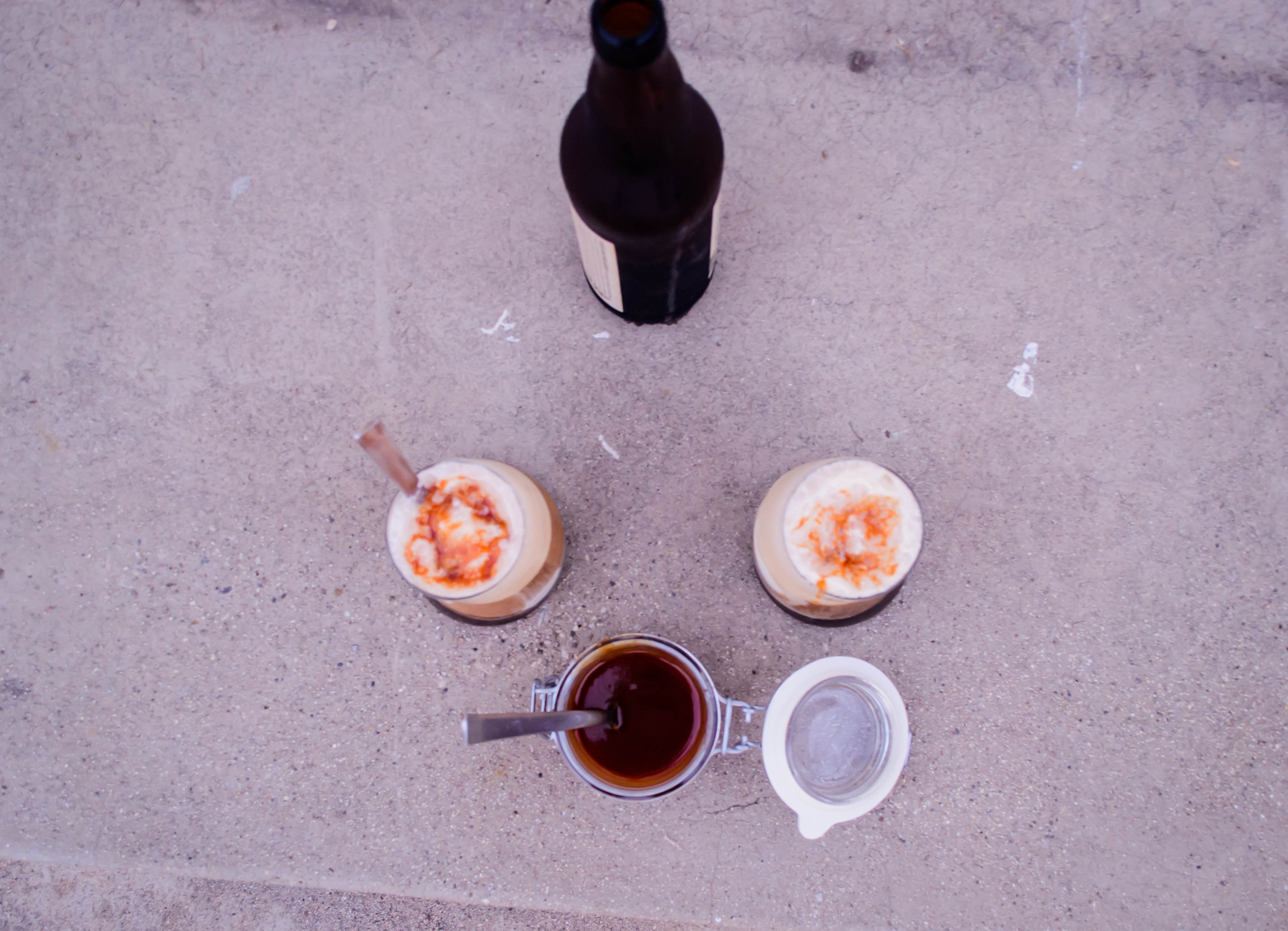
2015 Blog September-0411So what I have for you today, in celebration of our hard work, is a chocolate stout float drizzled with bourbon caramel. It’s a perfect dessert for a hot day, because though it’s far from light, it’s gloriously cold. You can make the caramel sauce earlier in the day, so by the time your belly is ready for dessert, it will have had ample time to cool (and, if you’re doing the barbecue thing, you won’t have had to deal with the stove for several hours). The ice cream and beer are in lovely, tenuous balance with one another – almost too sweet, almost too bitter – and the just-shy-of-bitter notes in the caramel (which is, after all, almost-burnt sugar), play off of both. The bourbon here is noticeable, especially after the caramel cools down, but it isn’t overwhelming. It’s a light, floral, vanilla note that capitalizes on the toasty flavors already created by making the caramel.

2015 Blog September-0413You can serve this in whatever quantities, by whatever process you like. I followed my usual method in considering the caramel and adapted several recipes, but mostly this one, along with several sensible suggestions by David Lebovitz. He’s right – you really do have brave the smoke and the suspiciously-close-to-burning smell of the sugar cooking, lest you end up with something that’s just sweet, not developed and complex. And warming your cream before adding it to the vat of boiling sugar makes good sense for easier integration, but you should still take precautions and wear shoes no matter how hot it is in your kitchen. Boiling sugar burns are serious business.

2015 Blog September-0417When it comes to serving, we like to scoop in some ice cream first, then top it up with the beer. As this delicious experiment explains, this nets you a lovely, creamy foam on top, on which you can drizzle as much caramel sauce as you want. The sauce thickens as it cools, so what barely coats a spoon while hot will pour even thicker than maple syrup once it’s had time to chill for a while. The layer that sinks and coats the bottom of the glass makes for a lovely last few sips, too.

2015 Blog September-0420

Chocolate Stout Floats with Bourbon Caramel Sauce
Makes about 1 cup caramel sauce
Approximately 20 minutes active cook time, plus an hour (or more) for the sauce to cool
For bourbon caramel:
1 cup sugar
¼ cup water
½ cup room temperature or warm heavy cream (helps it incorporate faster)
¼ cup bourbon
½ teaspoon salt
For float:
Vanilla ice cream
Chilled chocolate stout


  • For the bourbon caramel, stir the sugar and water together in a medium pot that is heavy in weight and light in color (the light color lets you see the color change in the caramel sauce – very important). Cook over medium high heat, stirring, until the sugar dissolves and the mixture becomes clear.
  • Now, stop stirring. If you have one, use a wet pastry brush to brush down any sugar crystals that have adhered to the sides of the pot so they can melt along with the rest of the mix.
  • Without stirring, let the melted sugar simmer over medium or medium-high heat until the outside edge starts to darken, about 7-8 minutes. Bubbles will be very fast. It’s important not to stir because you don’t want any unmelted sugar crystals falling in and marring the perfect smooth texture.
  • As the edges darken, swirl the mixture gently and keep cooking until the whole bubbling pot is the color of dark maple syrup, another 2-5 minutes. The bubbling will slow and thicken, and the mixture will smoke a bit and may begin to smell burnt – don’t be afraid! It really does need to cook to this dark amber color, or the final product will taste overly sweet (besides, as Lebovitz points out, if you do end up burning it, you’ve only lost 1 cup of sugar which, though bothersome, is not a huge financial disaster).
  • Remove from heat (I mean it!) and, with a whisk at the ready, add both the cream and the bourbon. Stand back! It will bubble up vigorously, and the bubbles will continue to form quite quickly for the rest of the cooking process. Whisk in the salt and set the pot back over medium heat, whisking until the sauce is smooth. Cook for an additional minute, just to ensure smooth texture (and to cook off some of the alcohol in the bourbon!). The sauce will remain thin at this point.
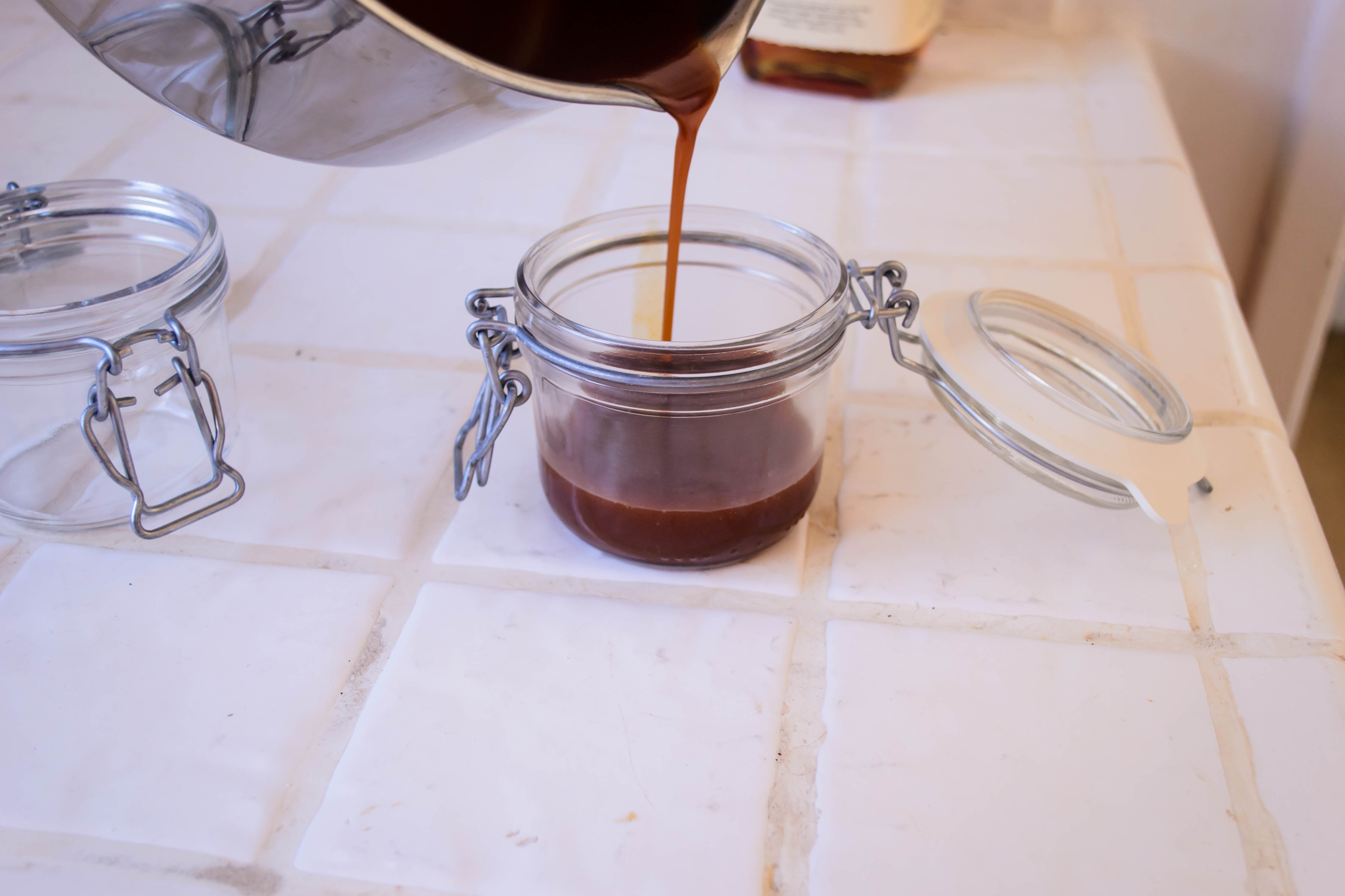
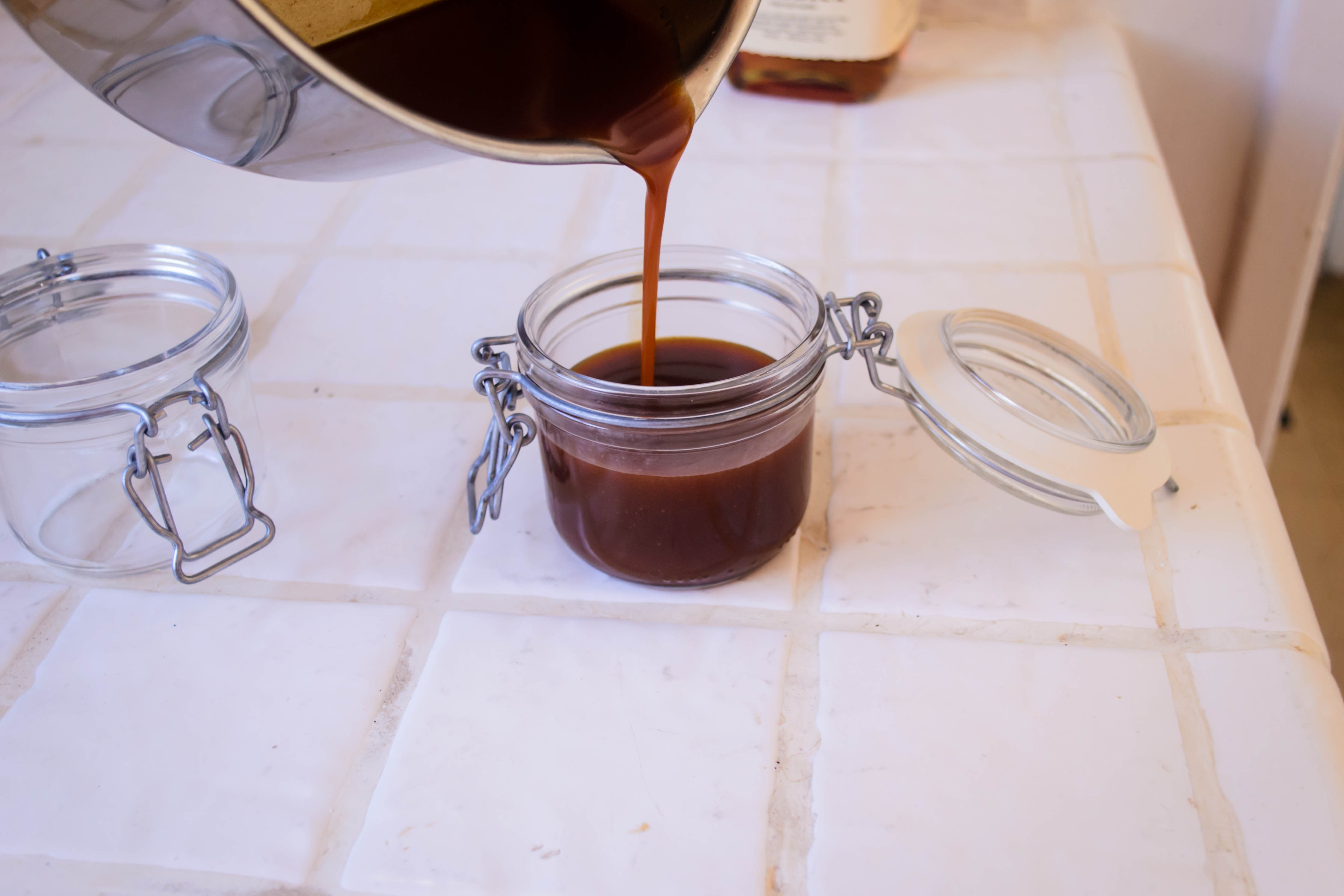
  • Remove from heat and cool – it will thicken to the texture of cold honey while at room temperature, and even to something more like dulce de leche when refrigerated.
  • To serve, place a scoop or two of vanilla ice cream in a tall glass. Pour in 6-8 ounces of cold chocolate stout, pausing as needed to avoid overflow. Atop the thick, rich foam that forms, drizzle a tablespoon or two of the caramel sauce and dig in.

Bourbon vanilla pastry cream over pan-roasted stone fruit

2015 Blog August-0309After a few scrapped drafts of this post, both on the computer and in the kitchen, I’ve decided it’s basically a food representation of “To a Mouse” by Scottish poet Robert Burns. Though the title may not ring familiar, it contains perhaps the most famous – or at least well-known – line of his whole oeuvre: “the best laid plans of mice and men gang aft agley” or, if you’re not adept in 18th century Scottish diction, “often go awry.”

2015 Blog August-0265Things go awry. They just do. In this case, the inspiration, the trial run, the ingredient acquisition, and even the writing itself (there are two previous drafts of this post in my trash can that I never want to see again), all caused enough problems that this post almost didn’t happen.

2015 Blog August-0274But I’m getting ahead of myself. Let’s back up to bourbon. Through a conversation with a friend and former colleague on Facebook, I assigned myself a project: she said she’s been experimenting with bourbon dessert sauces, and wanted tips. In particular, she’s interested in a bourbon vanilla sauce that would be good served over ice cream and peaches. There had been texture and thickness and sweetness imbalances along the way, and I was immediately hooked on the challenge.

2015 Blog August-0278For the next month I took this sauce through a ridiculous number of mental transformations – at first it was going to be a riff on this nutmeg sauce, then it was going to be more like a caramel, and then it was going to be akin to a crème anglaise, thickened with egg and carefully tempered. Never mind that pouring what is essentially unfrozen, unchurned ice cream over a bowl of ice cream seems excessive.

2015 Blog August-0282The crème anglaise plan, though, went awry, as you might have suspected. I crawled out of the kitchen leaving behind a bowl of curdled weirdness that had used up the last few tablespoons of bourbon in the house and refused to think about it for a few days. It wasn’t an eggs scrambling problem. It was a two-fold issue, I think, of poorly managed temperature differences, and the fat in the sauce not getting along with the quantity of alcohol I added.

2015 Blog August-0285When I tried again, the sauce had, again, transformed. Now, in a house with limited air movement, during a patch of quite warm weather, as the sun slowly dripped across our roof, sauce seemed too fast-moving. As if echoing my own sluggishness in my appetites, I wanted something thick and smooth to dollop atop a piece of fruit. And I wanted it to be ice cold.

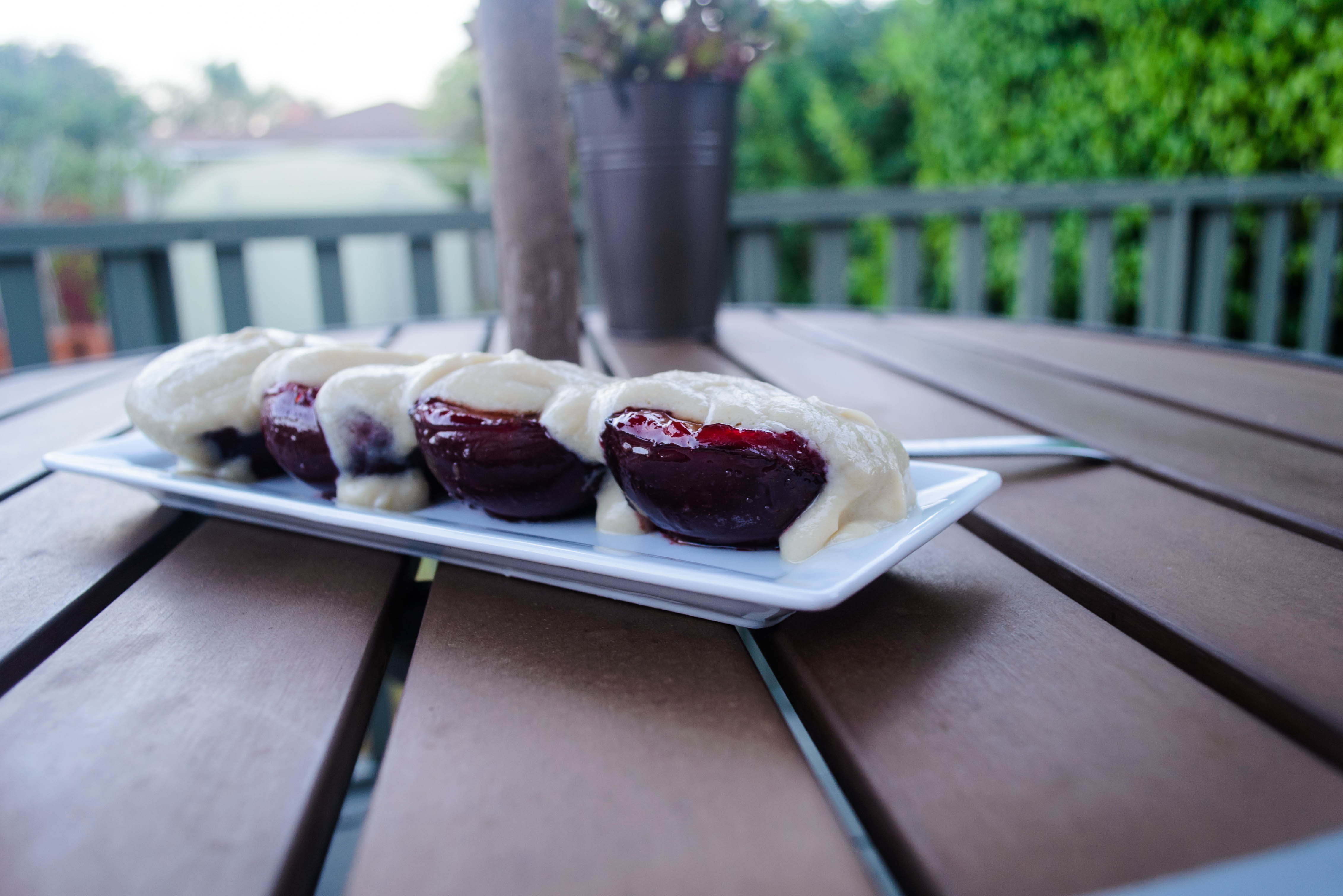
2015 Blog August-0307So I ended up with a pastry cream. This is not a sauce, B., even though that’s what you were after. It’s not particularly easy or quick, and it’s almost not even pourable. What it is, though, is rich, and cold, and thick, and strongly bourbon-y (so make sure you choose one you like!), and magnificent draped thickly over whatever stone fruit you happen to have. It’s also a good option for entertaining, because once it has been cooked it needs to chill for a few hours, which makes it very easy to casually slide it out of the fridge, spoon it thickly over a row of grilled or pan-roasted plums, or peaches, or apricots, and sit back down again before your guests really registered you were “making” dessert.

2015 Blog August-0308This, then, seems an apropos message for the week before the semester starts up again: things go wrong. They are going to go wrong. And then you have to decide what you’re going to do about it and work it out. So if you’re expecting hiccups, and imperfections, and requisite second takes, you’ll likely be calmer and cooler in the long run. Not a bad state of being in a heat wave or a first week of school. And if we’re being absolutely honest, having a new bottle of bourbon in the house during that week is not a bad state of being either. Just in case.

2015 Blog August-0318

Bourbon Vanilla Pastry Cream over Pan-Roasted Stone Fruit
Makes 2 – 2½ cups of cream
For the pastry cream:
2 cups half and half or 1 cup cream and 1 cup milk
¼ cup + 2 tablespoons bourbon, divided
Pinch of salt
½ cup sugar, divided
4 egg yolks
3 tablespoons cornstarch
1 tablespoon vanilla
2 tablespoons cold butter
For the roasted stone fruit:
1 whole plum OR ½ a peach OR 2-3 apricots per diner
1 tablespoon raw sugar per diner
Pinch ground black pepper, optional (best on plums, I think)
2 tablespoons butter


  • To make the pastry cream, heat the half and half (or milk and cream mixture), ¼ cup of the bourbon, 6 tablespoons of the sugar, and the pinch of salt in a small saucepan over medium heat. Bring it to a bare simmer. We don’t want it to reach a full boil.
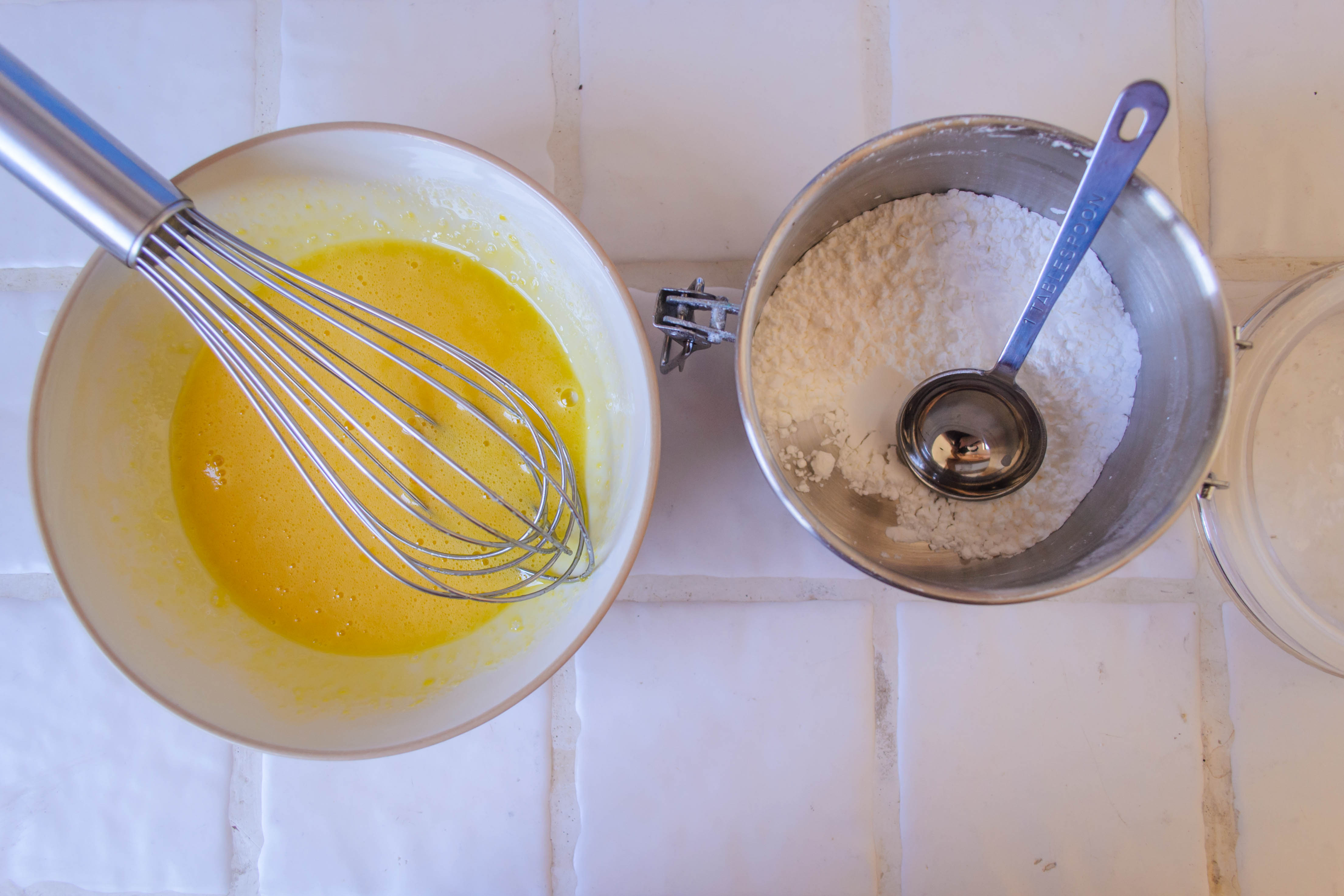
  • While the liquid mixture warms, whisk the egg yolks together with the remaining 2 tablespoons of sugar in a small bowl. Beat well until you can no longer feel any graininess from the sugar.
  • Whisk the cornstarch into the yolk and sugar mixture until all powder is gone and the mixture becomes thick and pale. It will take on a texture like melted ice cream.
  • When the milk mixture has come to a simmer, remove it from the heat and dribble about 2 tablespoons of it into the yolks, whisking furiously and continuously. This tempers the egg yolks – that is, heats them up just enough so that when they are added to the pot, they will be less likely to scramble.
  • Now, take a breath and a firm hold on your whisk, and pour the yolk mixture into the pot of milk, whisking continuously. Place the pot back over medium heat and continue to whisk until the mixture returns to a simmer. It will quickly become very thick – a bit like slightly diluted mayonnaise in texture – and take on a glossy sheen. The occasional big, sluggish bubble might emerge.
  • Once the mixture simmers, remove it from the heat and add in the vanilla, the remaining 2 tablespoons of bourbon, and the cold butter. Whisk continuously until the butter has melted in and everything is combined.
  • Pour the hot pastry cream through a fine sieve or mesh strainer into a bowl. Stir and push through with a spatula to catch any solid bits of egg or other unwelcome textural imperfections.
  • Place a piece of plastic wrap directly against the surface of the hot pastry cream (this prevents it from developing a “skin” across the top) and deposit it in the refrigerator until well chilled. The finished product will be approximately the thickness of mayonnaise.
  • When dessert looms near, prepare the fruit. Cut each fruit in half and twist or cut out the pit. Set halves cut-side up and sprinkle the exposed flesh with the raw sugar, using about 1 tablespoon per serving (so if you’re serving peaches, you might want less fruit per person than if you’re serving apricots. Either way, evenly distribute 1 tablespoon of sugar per serving over the halves of fruit). Sprinkle on the pinch of black pepper, if using.
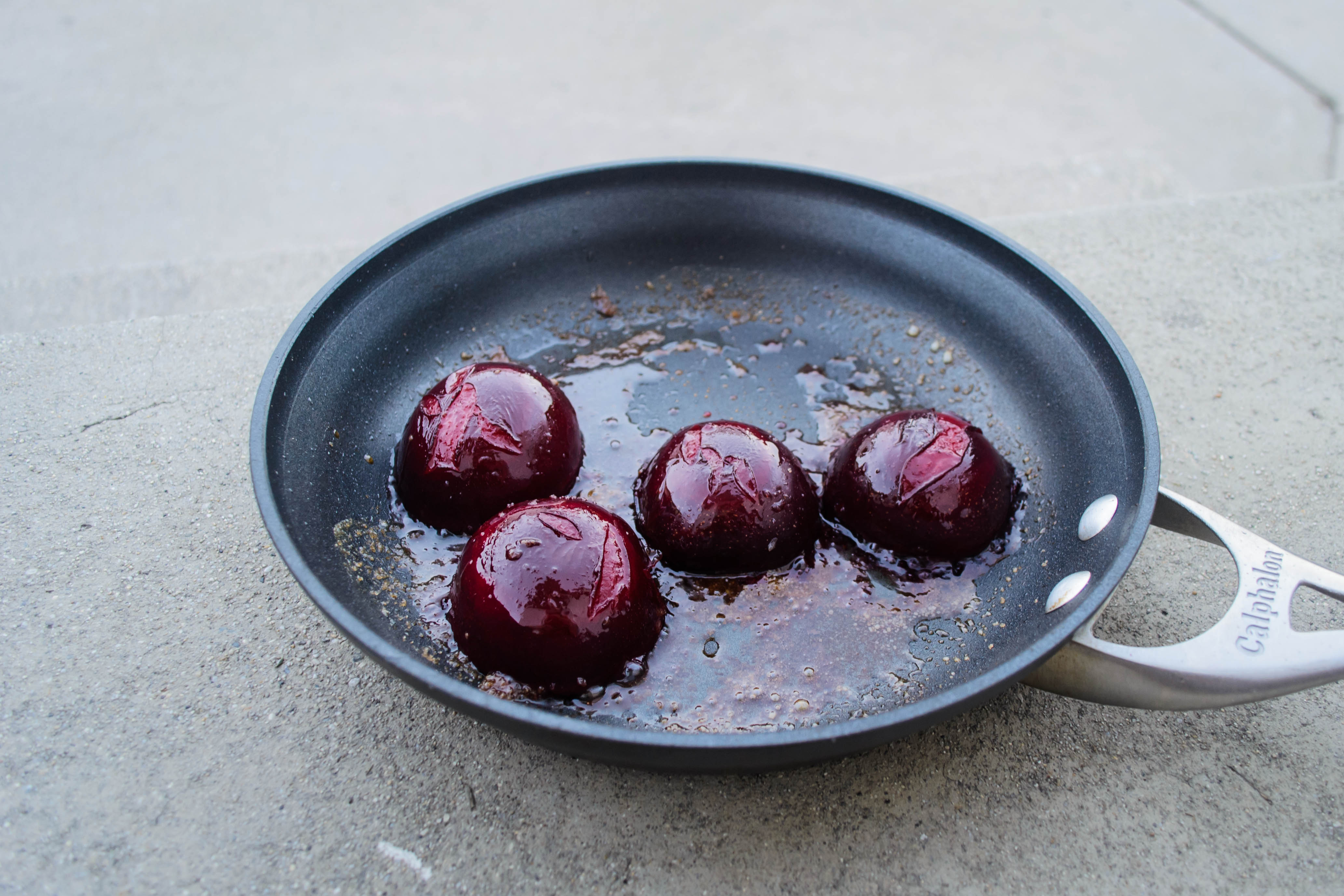
  • Heat the butter over medium-high heat in a skillet large enough to accommodate all of the fruit halves. When it sizzles, add the fruit, cut-side down, and let it cook undisturbed for 2-3 minutes, until the sugar is well melted and has caramelized into the fruit.
  • Flip the fruit over so it is cut-side up and cook another 2 minutes, until the skin wrinkles and tears a bit. This will result in fruit that is warmed through, but still firm to the bite. If you like your fruit softer, cook a few minutes longer or cut into smaller pieces.
  • To serve, position the fruit cut-side up on a plate, and dollop on a few spoonfuls of the pastry cream. If you go back for seconds, consider letting a friend drive you home.