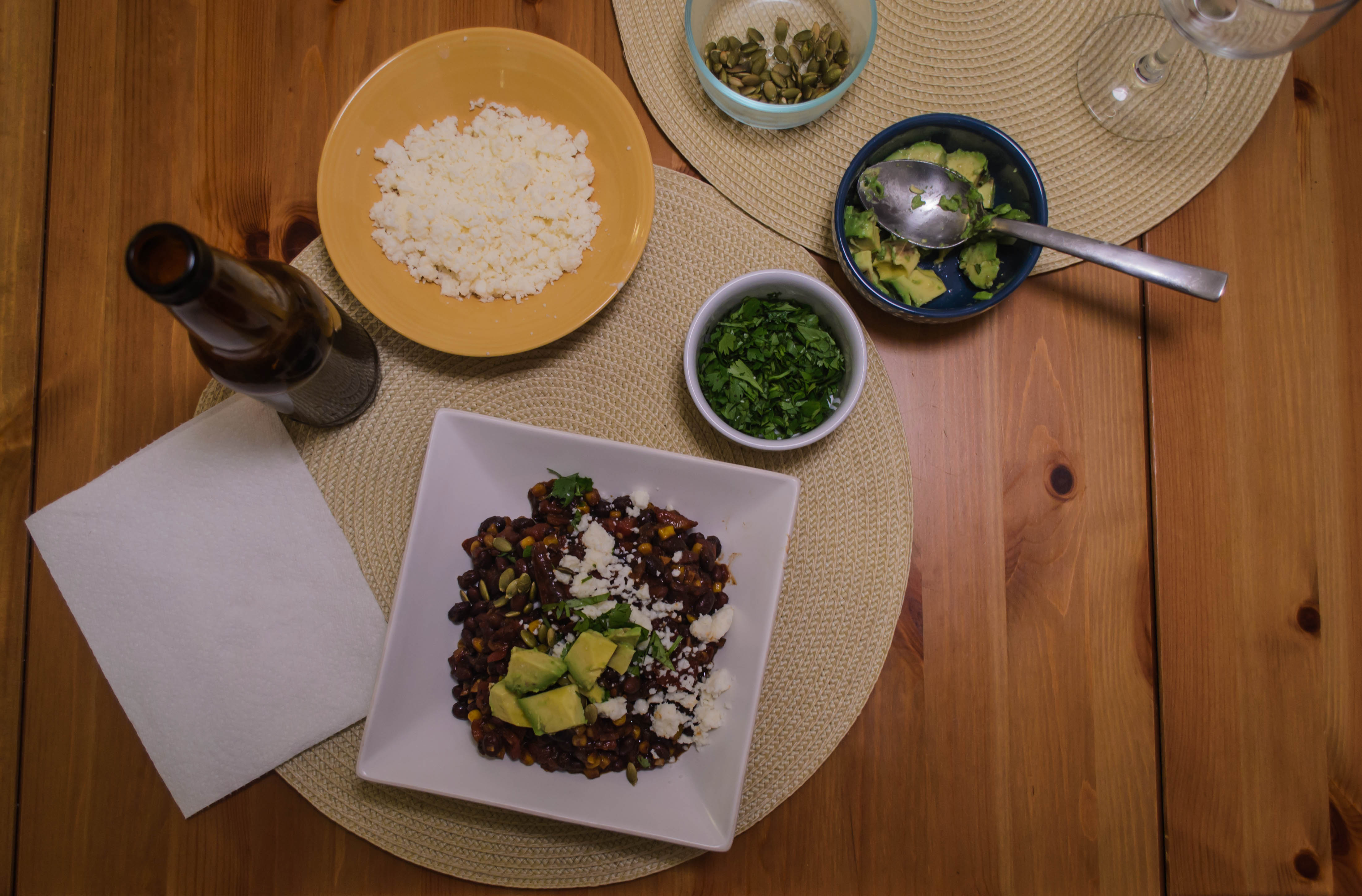
 There is little glamour in a pot of beans. Beans are humble, simple food. They are inexpensive, they fill you up, and most often they serve as a neutral backdrop for flashier plate-mates: pork, beef, cheese… When it comes to aesthetics, things don’t get much more exciting. Photographing a pot of beans is not particularly rewarding. The overwhelming, well, brownness of the whole deal makes any tremendous infusion of flavors discernible in descriptors only. In short, I suppose, beans are not Pinterest food.
 More and more, though, I’m appreciating beans – not as an excuse to shovel away great spoonfuls of bacon and brown sugar (though really, that sounds far from terrible), but for their savory value. Beans are a vehicle for flavor. They are, as a friend once remarked while I was preparing dinner, “Nature’s little sponges.” Aside from the fact, as I pointed out, that sponges are in fact Nature’s little sponges, this tends to be quite true. Beans learn by osmosis.
 Typically I take advantage of this tendency to suck up flavors in Latin American directions: cumin, garlic, various chiles. A few months ago, though, needing another few minutes before dinner and not wanting the beans that had been simmering away on the stove for who-know-how-long to dry up, I cast about the kitchen and emptied a bottle of beer into the pot. I’m not going to say angels sang or the clouds lifted (because let’s be honest; this weekend’s welcome rain aside, this is Southern California. What clouds?), but the revelation was substantial in its own way. Beans already have an earthiness that separates them from the rest of the fruit and vegetable kingdom. Theirs is not the leafy greenness or plump juice of their compatriots, but a creamy, grounded neutrality. Brown. Earth. How odd that they grow on bushes and vines rather than beneath the surface, like potatoes.
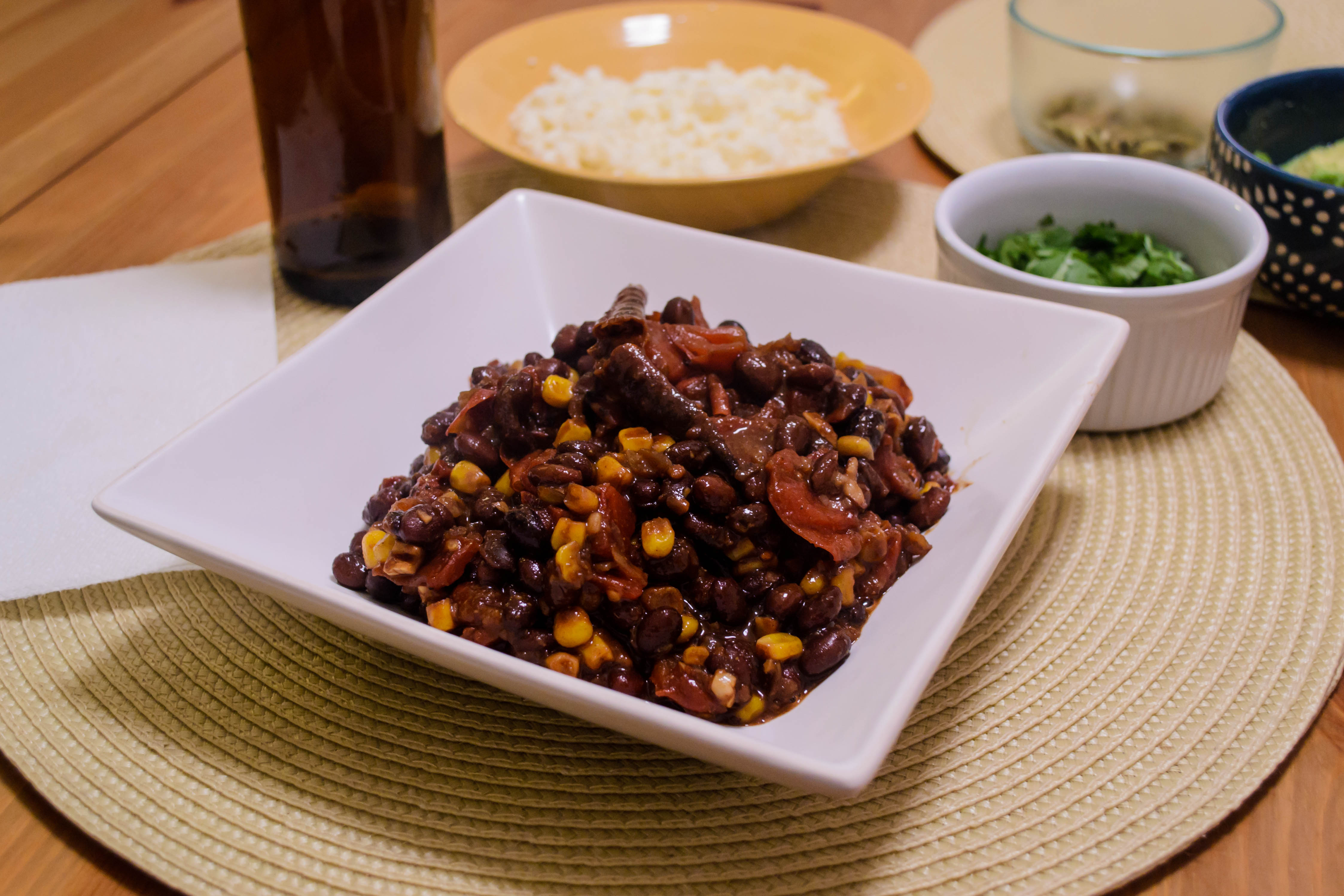 Beer, I found, enhances this earthiness perfectly, especially a dark beer like a porter or a stout. The bitterness of an ale or even a lager is tempered in a darker brew, giving way to toasted, bready flavors that mingle well with the earthy pleasantness of beans. Since this discovery, we’ve charged through a number of bean-and-beer concoctions, including a chile that also contained hunks of slow cooked bison stew meat and a barrage of spices – a triumph. But the one I want to come back to for you is the original, simple combination. Beer and beans. A few flavor enhancers by way of garlic, onion, some almost-burned corn kernels, and a scoop of fire-roasted tomatoes, and you’re looking at a side dish that I’d push away the mains for.
 If you like a good garnish, I recommend the standards: crumbled queso fresco, cilantro, toasted pumpkin seeds, generous chunks of avocado, perhaps a dollop of sour cream or a few snippings of chives. But really, these beans don’t require much beyond a bowl, a spoon, and a belly in need of warming.

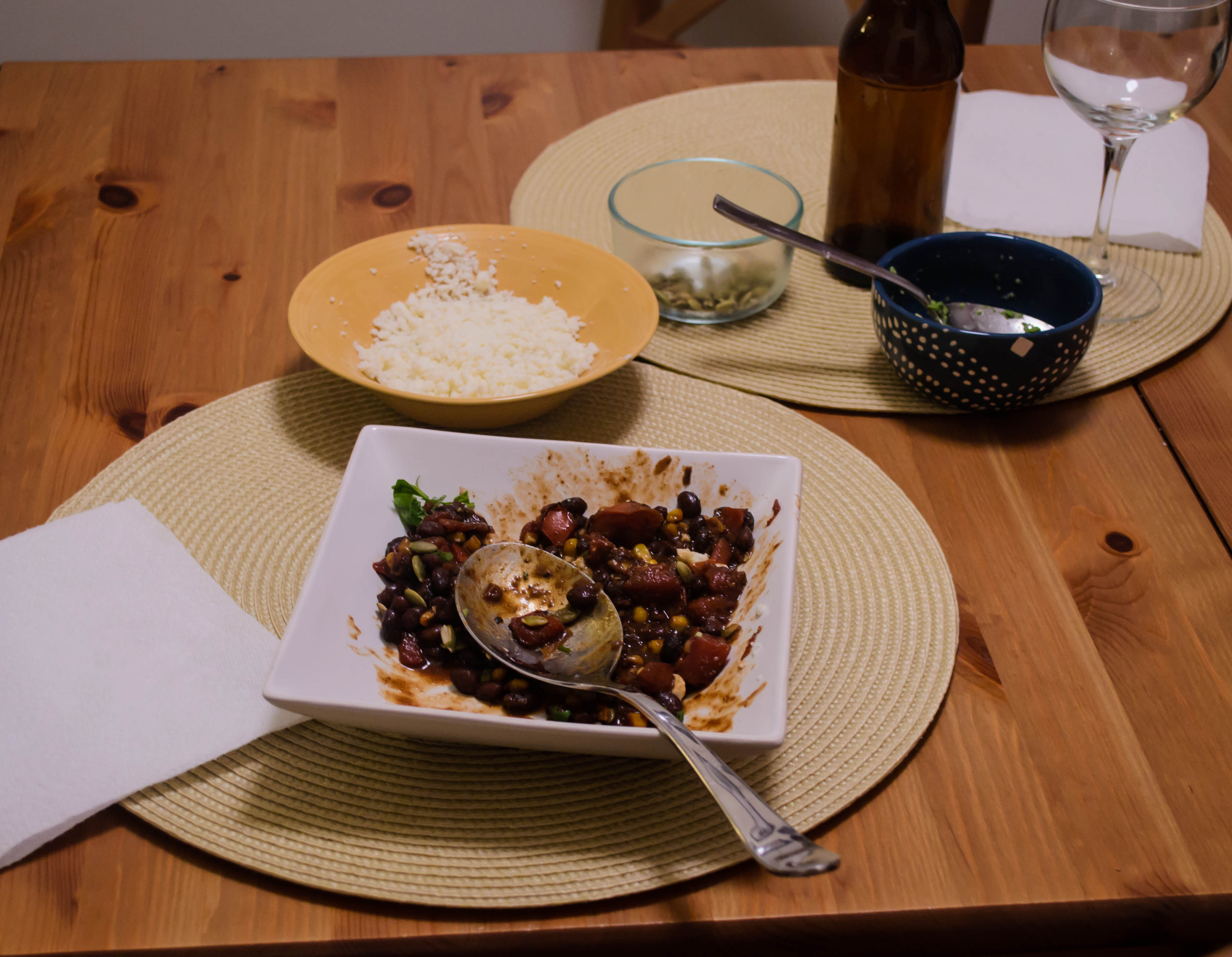
Beer Braised Beans
Serves 2 as a main; 3-4 as a side dish
2 tablespoons olive oil
1 dried chile of your choice (I like ancho chiles for this)
½ cup diced red onion (about ½ a medium onion)
1 teaspoon ground cumin
1 teaspoon ground coriander
2 cloves garlic, minced
½ cup corn kernels (defrosted, if you’re using frozen corn)
14-16 ounce can of black beans
1 cup drained fire-roasted tomatoes, from a 14 ounce can
12 ounces of dark beer like a porter or a stout
salt to taste
garnishes of your choosing: crumbled queso fresco, avocado, cilantro, pumpkin seeds, etc.
- Heat the olive oil over medium heat, then add the dried chile and the onions and sauté for 1-2 minutes. The chile may sputter a bit, and the onions will start to turn translucent.
- Stir in the cumin and coriander and continue to cook for another 1-2 minutes, turning the heat down to medium-low if the onions threaten to burn.
- Add the garlic and corn, turn the heat back up to medium if you previously lowered it, and sauté, stirring occasionally, until the corn picks up some roasty color; about 3-5 minutes.
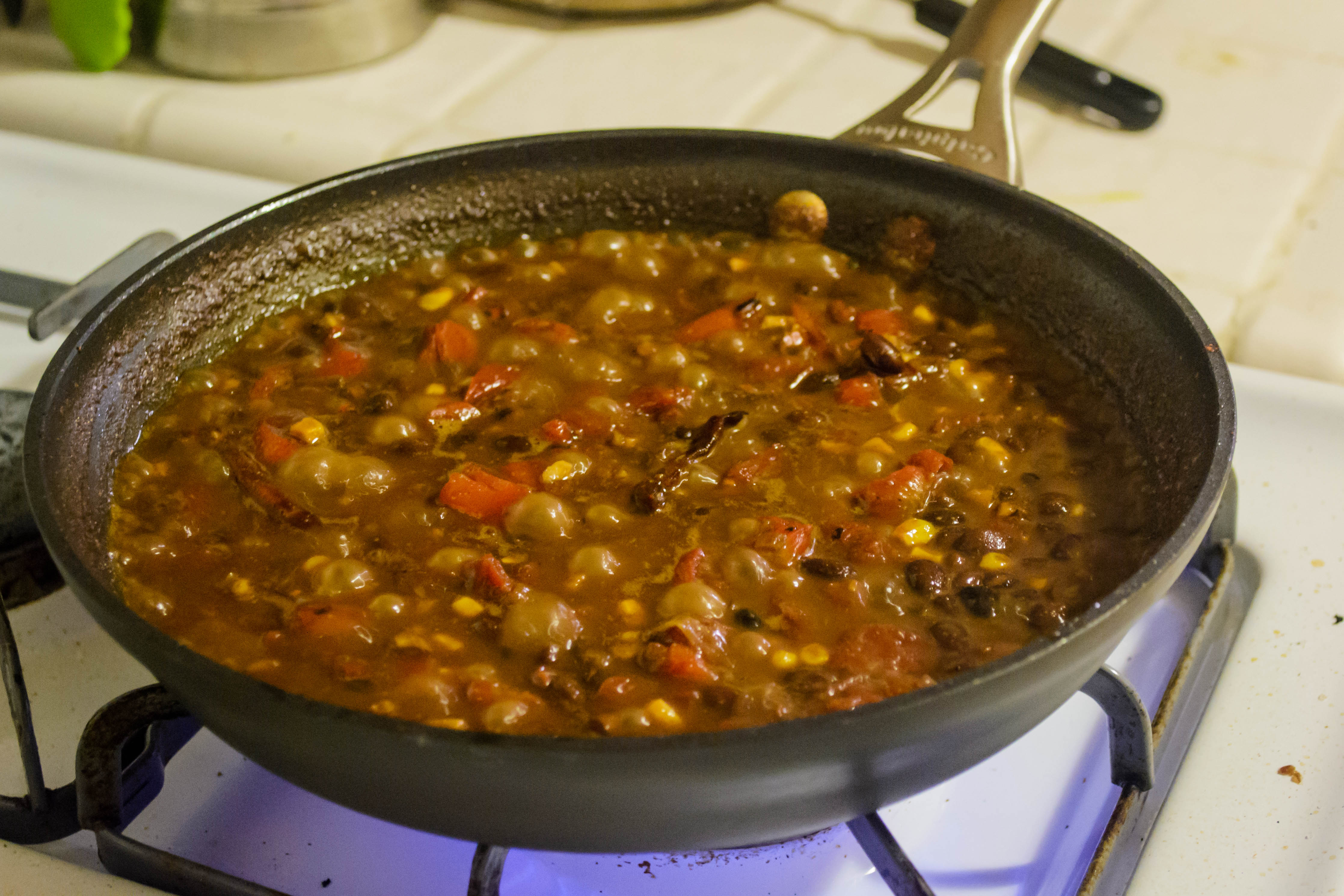
- Now pour in the beans, canning liquid and all, along with the tomatoes and the beer. Turn the heat up to medium high, stir to ensure nothing is sticking to the bottom of the pan, and let it bubble away, stirring occasionally, until much of the liquid is absorbed. For me, they reached the consistency I wanted in 20 minutes – not totally dry, but not tremendously soupy either.
- Taste for salt (canned beans can sometimes be quite salty, and reducing the liquid enhances the sodium content), pick out the dried chile, and serve hot with whatever garnishes you wish.








 Everyone starts off in the kitchen somewhere, whether it’s spreading peanut butter thickly onto a piece of barely toasted bread, or stirring spaghetti tentatively with a long-handled wooden spoon and watching it relax into the water, or even scrambling eggs because the planned entrée for that night looks “weird.” In my case, I started with dessert. Cookies and cakes were the first things I “helped” make, which probably explains why I’ve developed such a sweet tooth over the years. Mom would let me stir batter, pour pre-measured cups of sugar, taste a beater. She was there while I jammed my thumbs into an egg trying to crack it, while I spilled powdery fluffs of flour onto the counter and sometimes the floor. She was there, though not watching, when I had my first lesson in ingredient deception: my first taste of cinnamon. A few brown grains on the counter, a small, damp index fingertip, and the sourest face dipping away from the countertop. Vanilla extract was the same way. Each time, I’m sure Mom turned and saw, and probably tried not to laugh, as I learned that in dessert as in so many things, a dose of sugar makes things better.
 Crème anglaise is essentially an all-purpose dessert sauce, and provides a base for so many lovely simple sweets. Egg yolks, cream, sugar, and some vanilla for flavor, cooked gently but whisked fervently, and you have a beautiful, rich sauce that lovingly coats the back of a spoon. Cooled, run through an ice cream machine, and shoved impatiently into a freezer, you’d have vanilla ice cream. A few more yolks and a long, slow bake in the oven, and you’d have crème brulee. Some cornstarch to thicken during the cooking process? Pastry cream. But left liquid and chilled, it makes a beautiful summer treat poured in decadent quantities over a bowl of glistening berries. And if you want to build the whole thing atop a slice of cake, well who am I to stop you? Since Mom and I are both grown-ups now, we added a whisper of bourbon to our creation, for a floral warmth and slightly more complex flavor.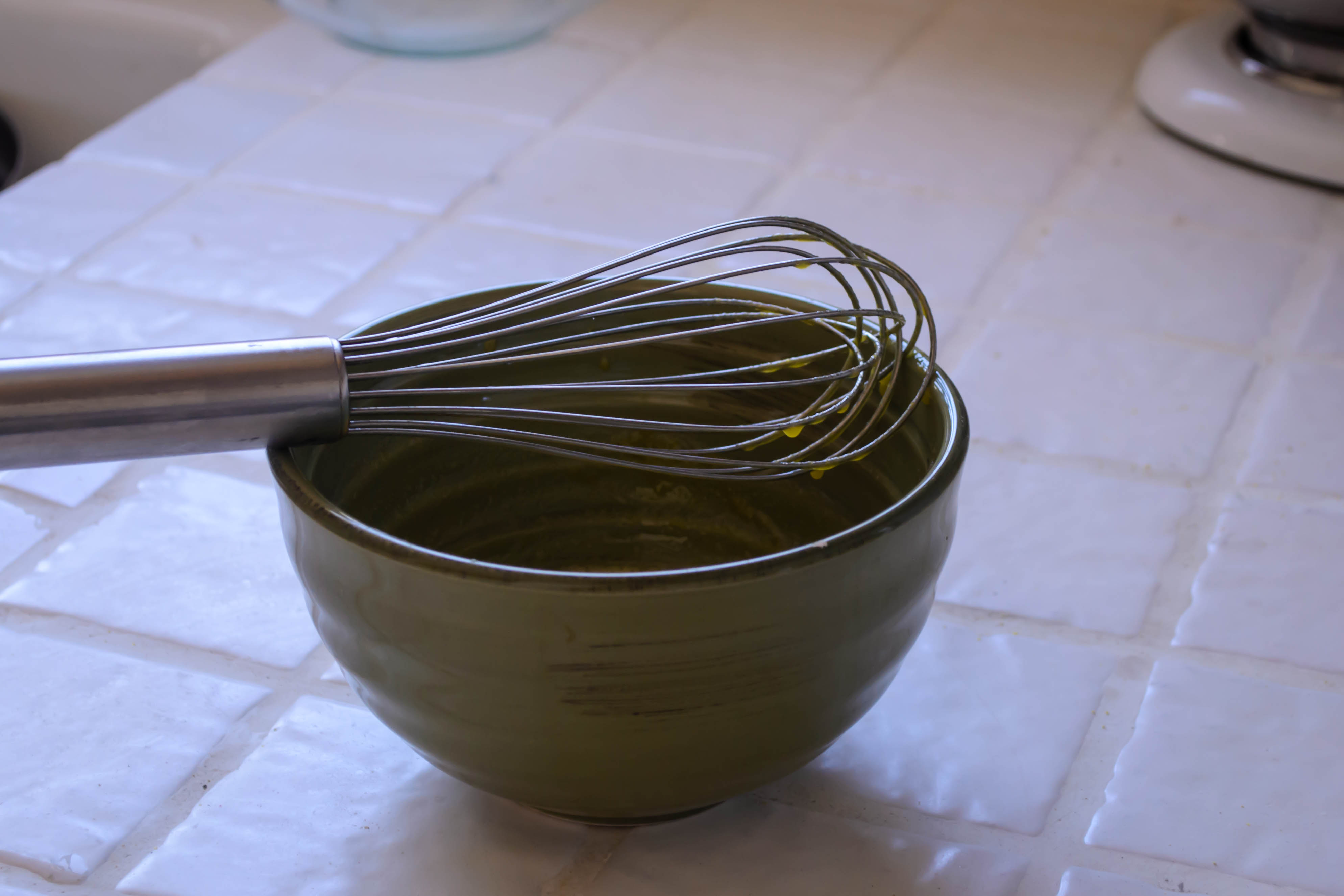
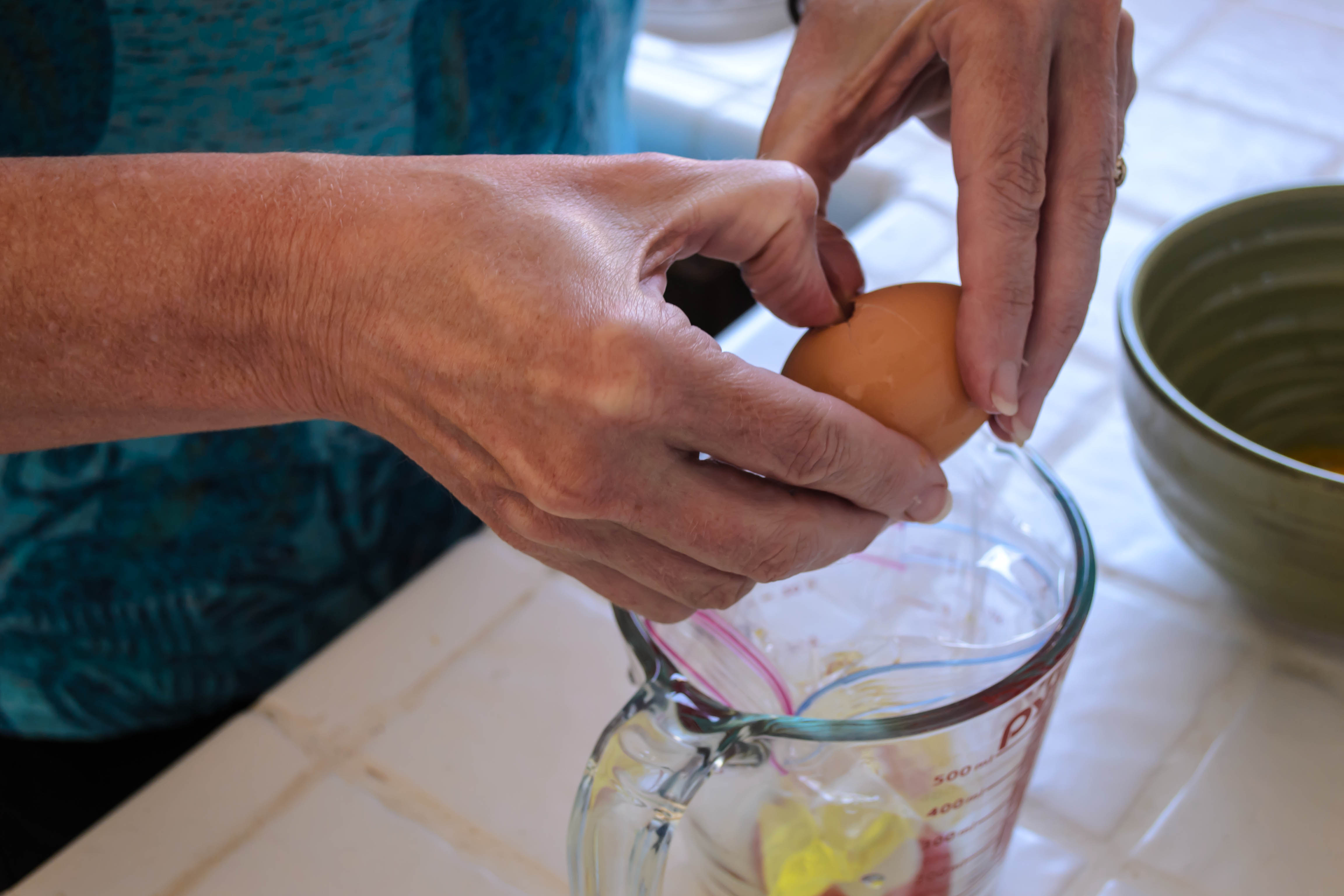


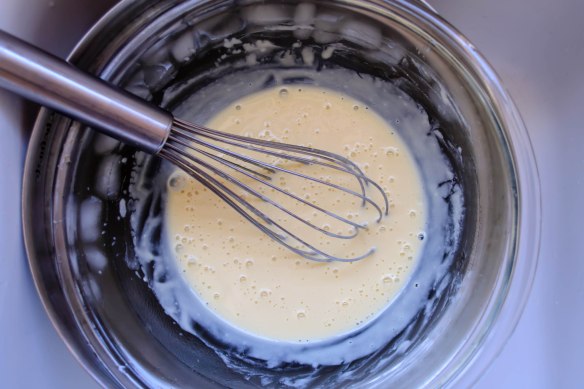
 Eggs managed, it’s a simple prospect of whisking in some sugar with the yolks, heating milk and cream together, adding the warm dairy to the thick, sweetened yolks, and cooking the whole thing to a thickness like, well, melted ice cream, since that’s basically what it is. Incorporate flavorings, strain the mixture to ensure a nicely textured final product, and chill until ready to use.


 "blackberry-eating in late September"