Spiral cut

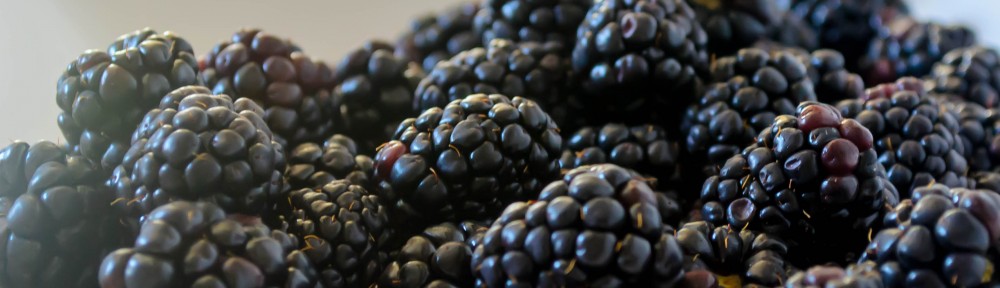
Spiral cut
Sometimes I agonize over what I’m going to cook. I leaf listlessly through cookbooks and batter my keyboard with demands of something new and fresh and better and, dare I say it? Original. But this month, faced with the Twelve Loaves challenge of baking bread with spices, I knew almost immediately what I wanted to do. I don’t know where the idea came from, but I knew it was going to be a variation on my Nana’s sweet roll dough, stuffed with luscious swirls of pumpkin pastry cream and baked into a decadent loaf.
 The problem with this idea, as I started to do some research, turned out to be that no one had done it. I’m not saying this is a bad thing; it’s tough to think you’ve invented something, and then Google it, only to find
 dozens hundreds probably billions of results that are either more amazing-sounding than you’d imagined, or more beautifully photographed than you have the ability to do.
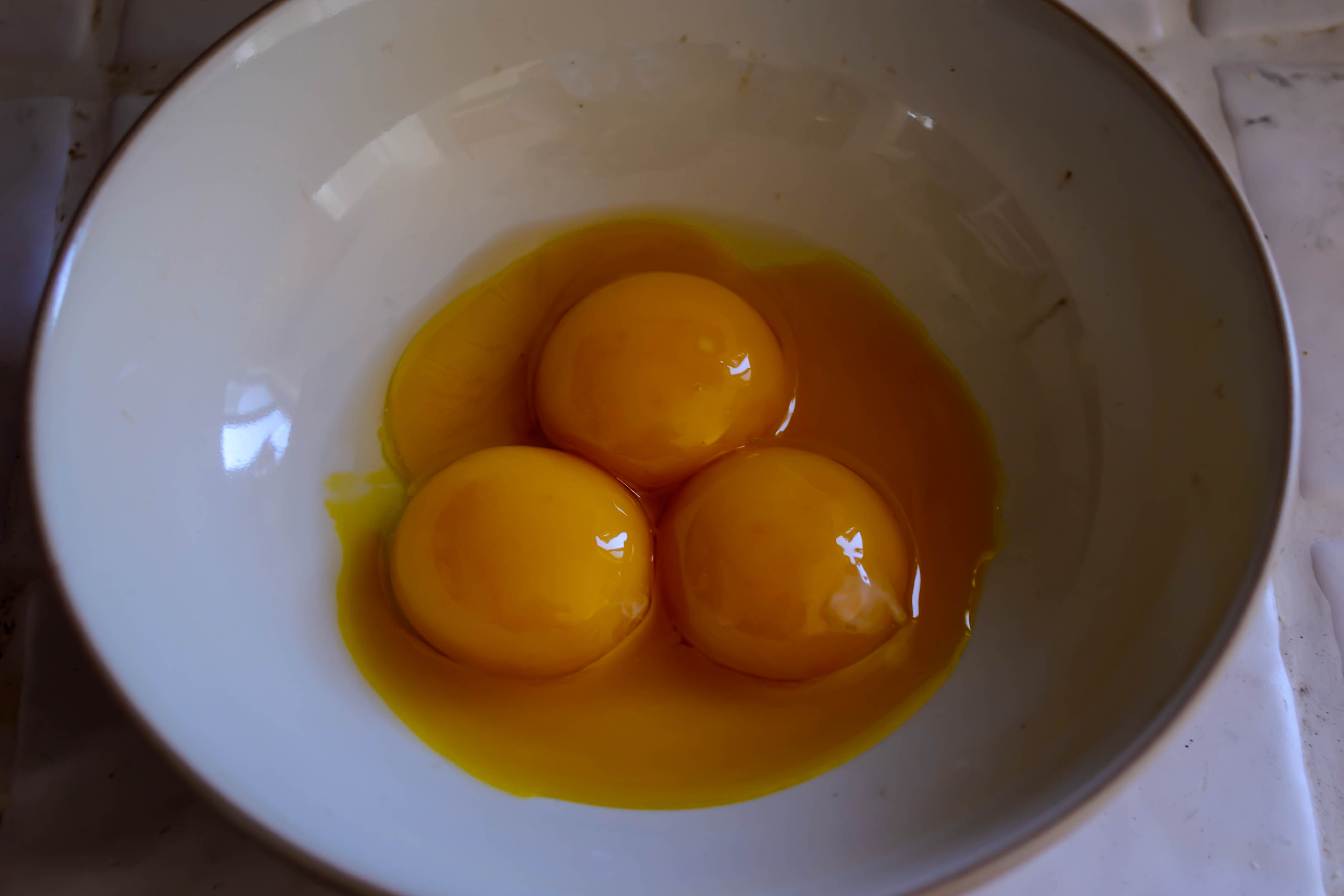 This one came up with nothing. I started wondering: can you bake pastry cream? If you can, why has no one done this? I tried multiple searches, I leafed through my cookbook collection again, feverishly this time; I even polled friends to see whether this was a thing. One foodie friend speculated unpleasant melting would result. Baking forums promised curdling. Every recipe I located for something remotely similar advocated baking the dough and then piping chilled pastry cream into it. I was contemplating using Nana’s old cream horn molds to wrap little crescents of bread and then shoot pumpkin pastry cream into them, and then I found this. It’s a recipe for something called Torta Della Nonna, which translates to “grandmother’s cake,” and consists of a lovely tender dough, filled sometimes with sweetened ricotta, sometimes with mascarpone, but sometimes with a layer of vanilla or lemon pastry cream!
 Victory, if not ensured, at least not a total shot in the dark, I got to work. Pastry cream, if you’ve never made it, is one of those projects that sounds terrifying – hot milk, egg yolks sure to curdle, frantic whisking with scalding and scrambling around every corner – but isn’t really that tricky. It’s another one of those “read ALL the directions first and have your ingredients prepped” kinds of recipes, and suddenly the milk and eggs you were whisking away at thicken into this magical, glossy, extravagant slosh of something an éclair would beg to be filled with. And when you finish
 eating half of it tasting it to make sure it’s edible, you have only to strain it (in case of accidental scrambled bits), refrigerate it, and then decide what to do with it.
 I opted, to be sure the Italian grandmothers I was never lucky enough to have knew what they were doing, to bake up just a little custard cup of it. If it was going to melt all over the place, I’d take a new direction. It didn’t. The top layer formed a thin skin, like custard or pudding left to set without a layer of plastic wrap pressed over it, but below that exposed skin (which, if I’m honest, I don’t really mind) was a tiny vat of this stuff, rich, creamy, better-than-pudding, and I knew we were on our way to great things.
 From there, it was a matter of making up a batch of dough, a little more decadent than usual thanks to the addition of an extra egg and a few extra tablespoons of butter (hey, if you’re going to pack it with pastry cream anyway, you might as well go whole hog), and spicing the whole thing with the flavors of the winter holidays: cinnamon, ginger, nutmeg, cloves.
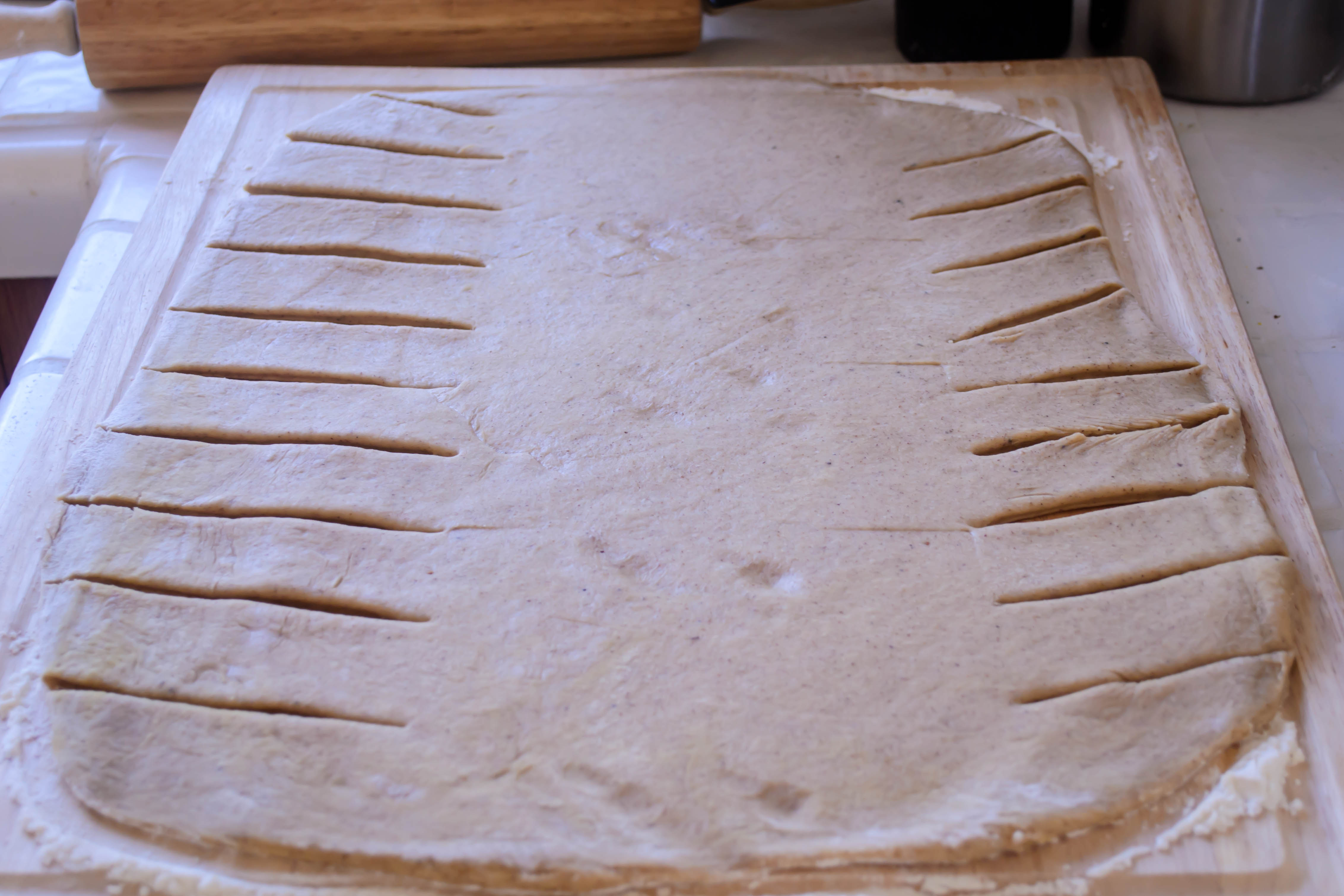
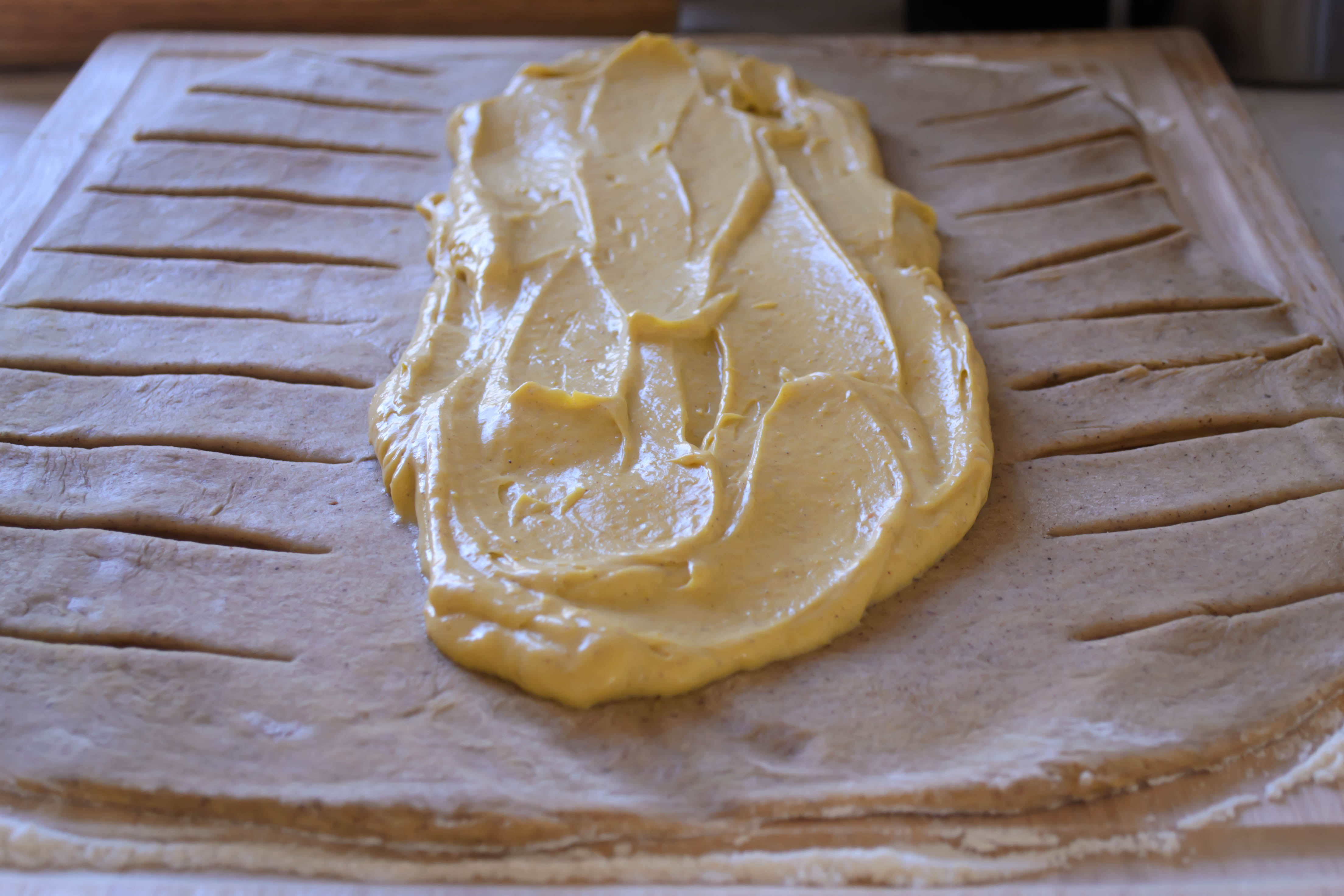 I decided to make a lattice-top loaf, which entailed rolling, slicing strips along both edges of the dough, spreading the glossy, velvet perfect orange cream inside, and weaving the whole thing together. However, I did this on my bread board (it made sense at the time), not considering that the dough, flexible and buttery already, was about to double or triple in weight thanks to the addition of the cream, and be unwilling to transfer to my baking sheet. Thus, after considerable hand-wringing and fancy spatula work, I ended up with something like a horseshoe, only slightly structurally compromised. I suggest filling and finalizing your loaf on the greased baking tray you’ll be putting into the oven.

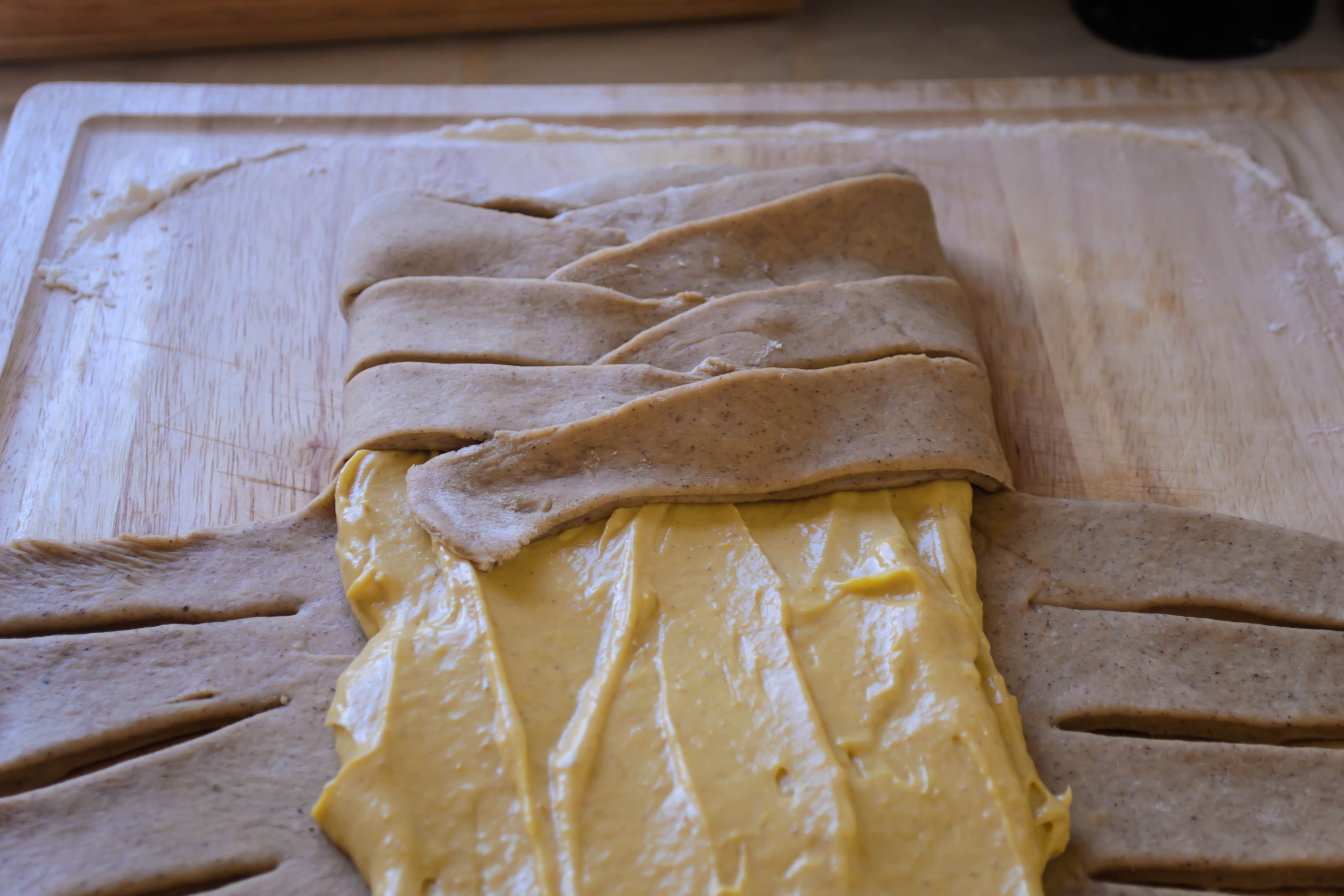
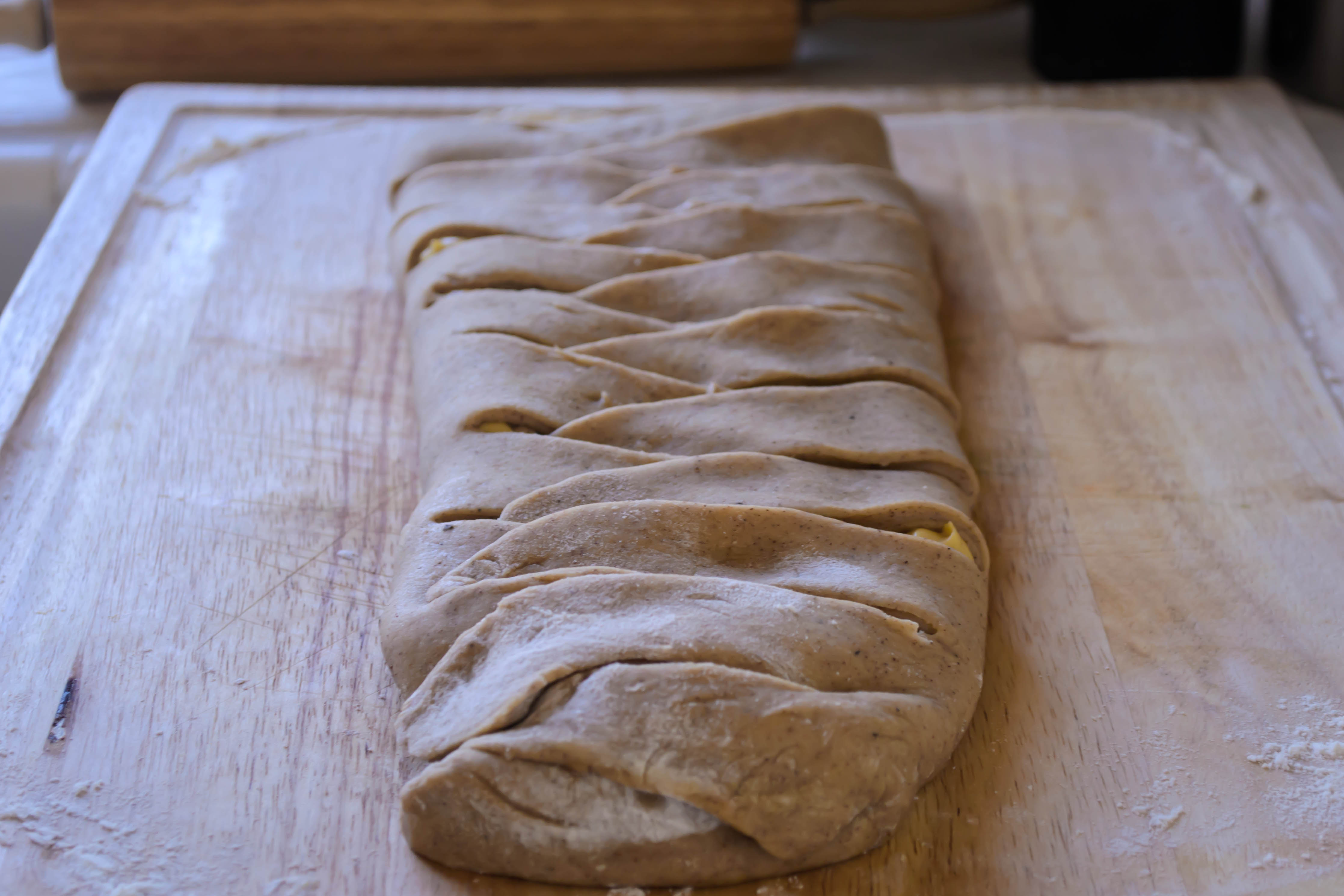
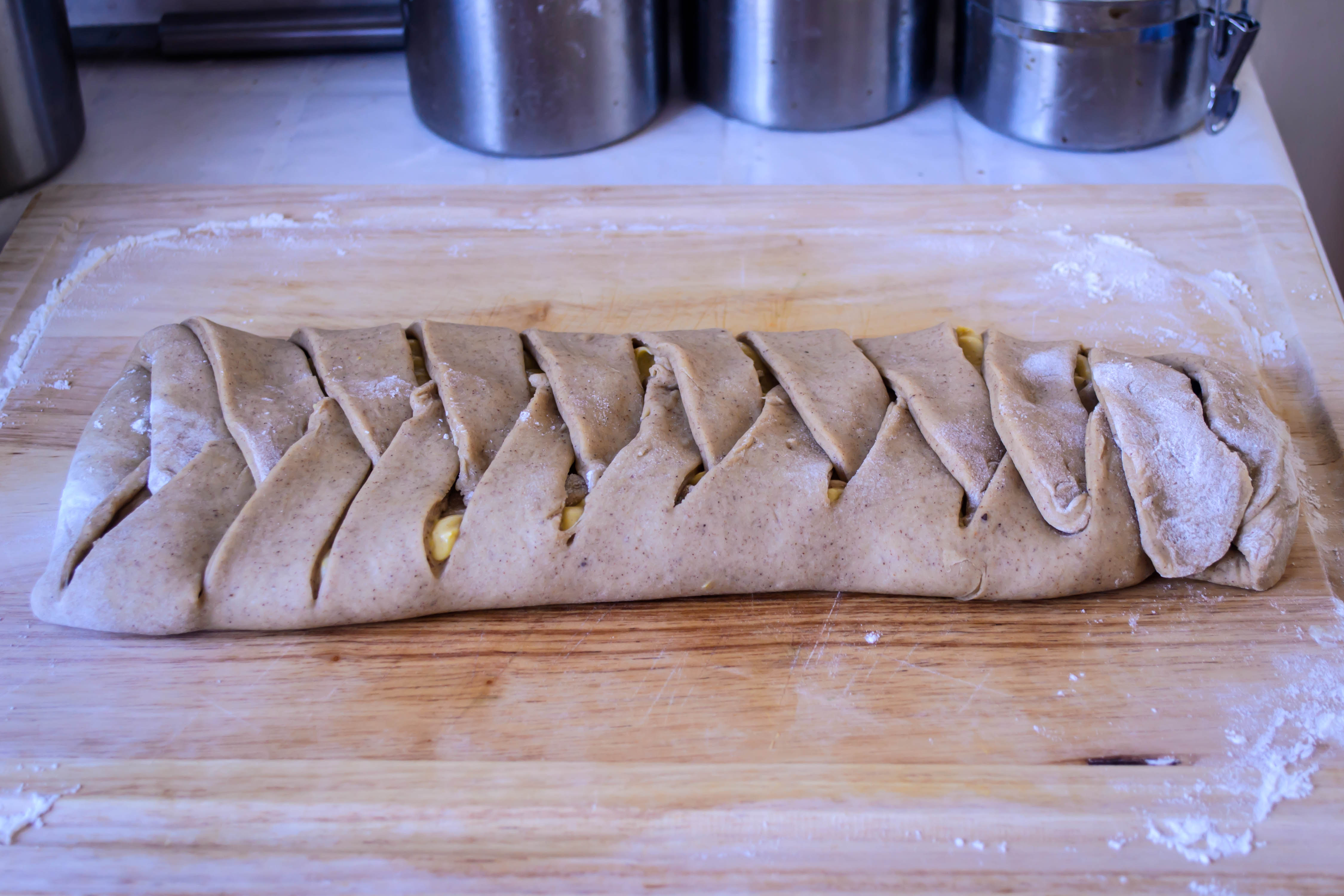 My god, this was good. The pastry cream oozed out of the caverns and crevices left by inexperienced and impatient lattice-work, and these parts gained the same skin as my experiment. This is, if we’re going to be picky, perhaps of a slightly compromised texture – it gets slightly grainy and thick – but it’s not enough to be a bother. Because once you get beneath the outer layer and your teeth sink into the delicately sweetened, pumpkin lushness below, you won’t ever want to eat anything again. And the dough itself is no slouch either. It bakes up warm with spices and beautifully textured. The combination is like… well… it’s like nothing I can really think of. The bread is like a sweet roll or a yeasted coffeecake; not as light as a doughnut, but not as heavy as your standard loaf of bread. The cream inside makes it (almost) too decadent to be a breakfast, but it’s a more than suitable dessert or afternoon pick-me-up. To make it even better, this bread actually tastes better the second or third day after you bake it (or even the seventh… I’ve kept our leftovers wrapped in plastic wrap and in the fridge, and a week later it is still moist and perfect).


 Recipe development at work… those are beads of yeast clinging to my tablespoon.
Incidentally, apologies for last week’s lack of Photo Friday post. It’s Week 12 of my school’s semester and I’ve been wading through a paper sea for the past three weeks. Sometimes these things get away from us.
Have a glorious weekend, all.
Call it my literary background, but I love a good origin story. When random thoughts occur, I like to trace them back through my train of thought to see what the sequence was (why did I just think of that bartender in Eugene? I was considering more efficient ways to load the dishwasher just a few seconds ago!). Ask me sometime about one of my nicknames for our dog. You’ll see what I mean. This spills over into my cooking as well. I suppose if I were a real writer, I’d resist or deny the question “where do you get your ideas?” as so many of them do (although some do answer the question, in wonderful and terrifying ways).
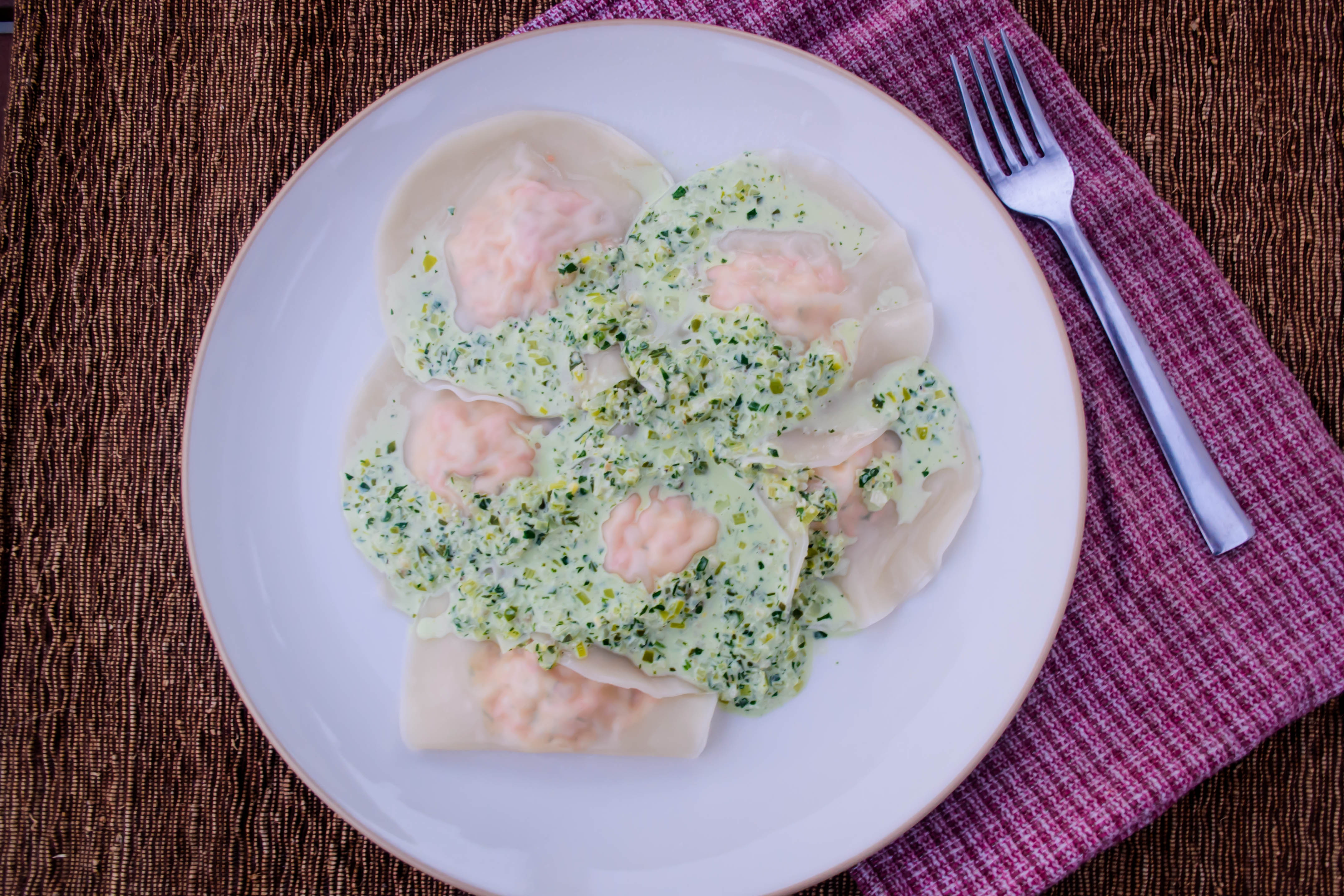 So I like to take you back where I came from. In this case, we’re going back to a tired, tired late afternoon in August. N. and Lucy and I had started the day in Brookings, OR, wound our way down the beautiful stretch of Highway 101, twisting through dusty redwoods, pastoral dreamland, and ragged juts of ocean cliffs. In the parking lot of a grocery store in Fort Bragg, we decided enough was enough. We just weren’t going to make it to the Bay Area that night. It was time to call the driving day finished.
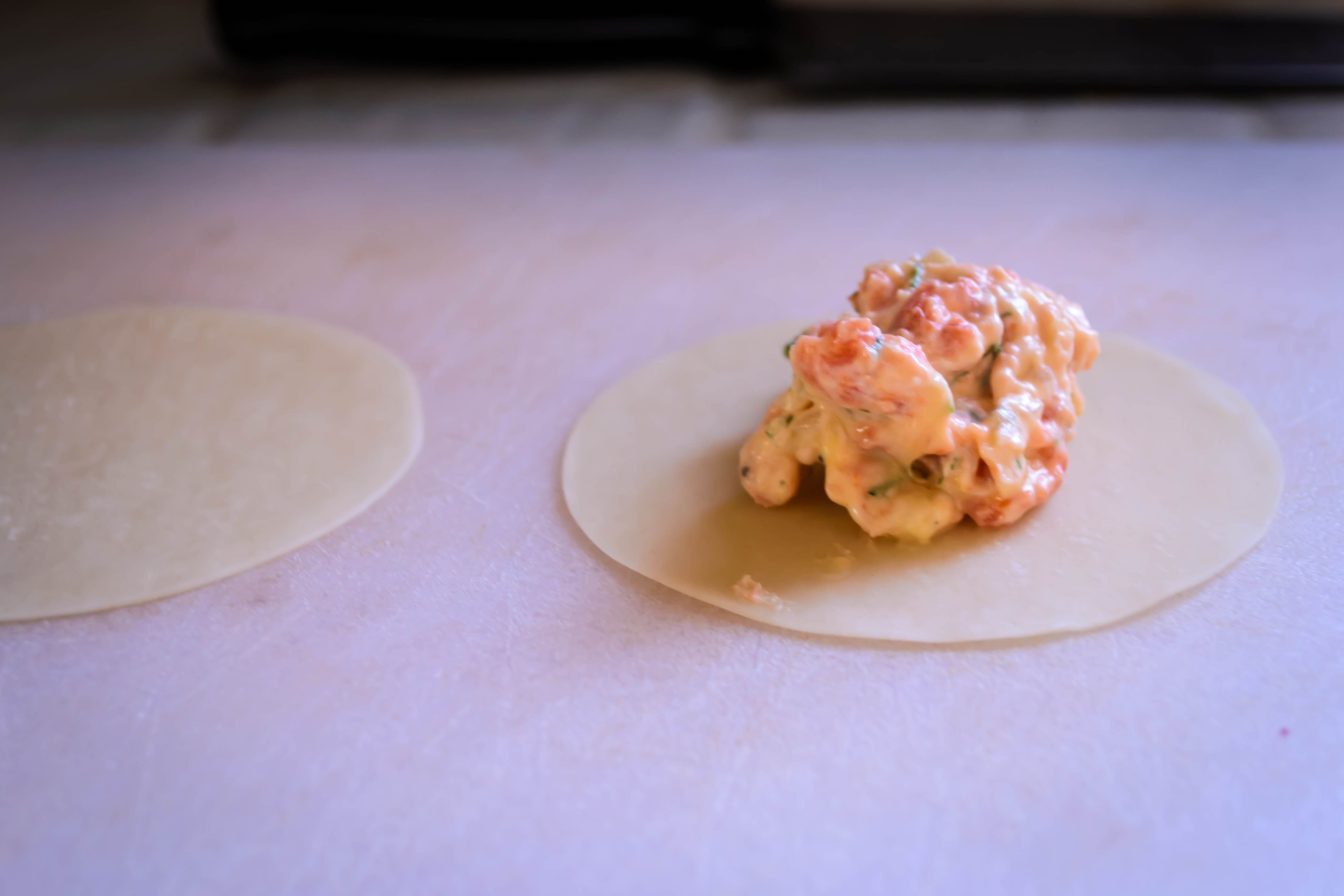

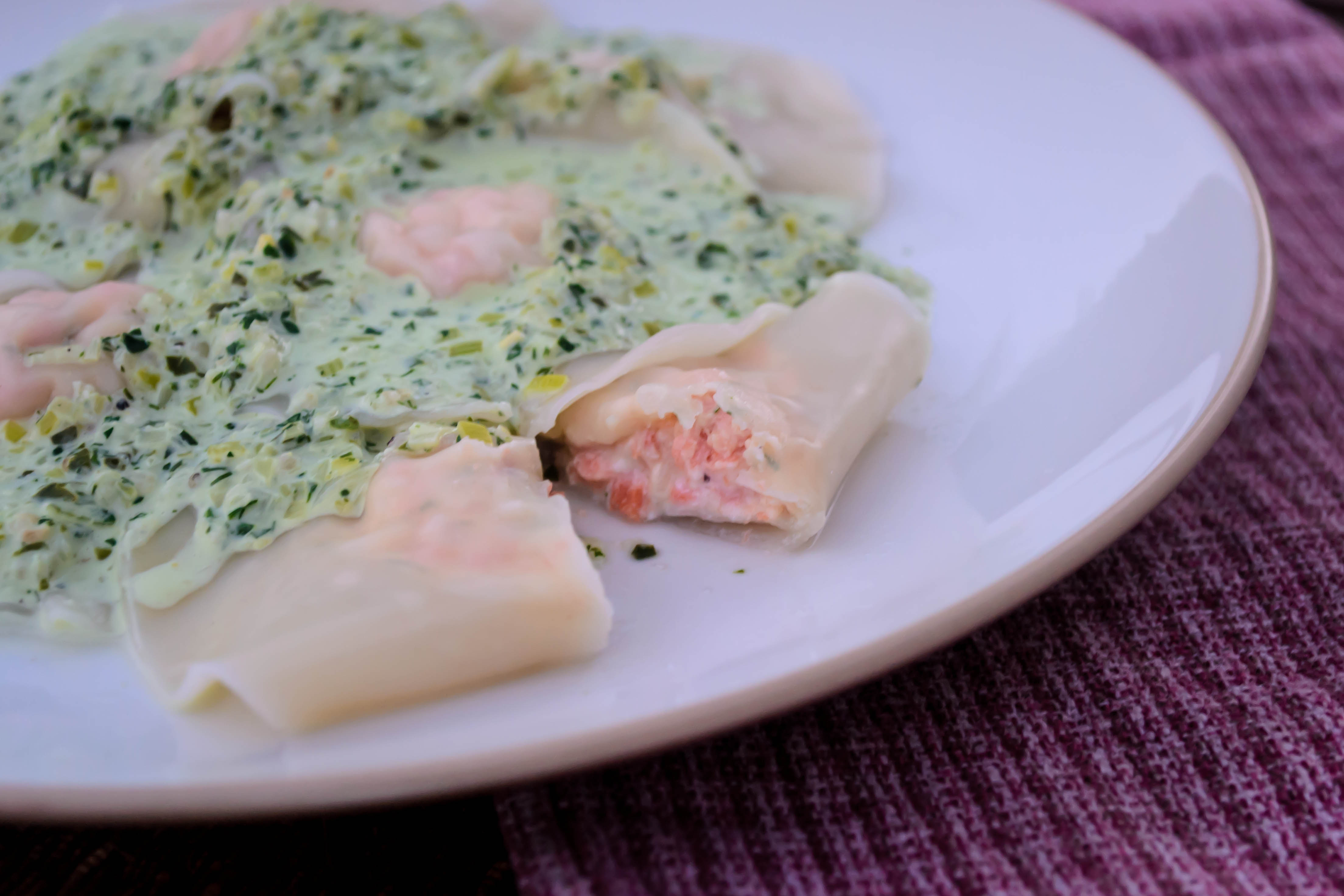
 We found ourselves a restaurant with a view of the ocean and ordered what sounded like amazing entrees. At the ha-ha-we-got-you-you-tourist prices, they should have been amazing. They were… fine. N.’s dinner, which is of most import here, was a plate of smoked salmon ravioli, dull and a bit tough, sputtering and drowning in a heavy, almost alfredo-style sauce. I had to fix them. (I had, in case you’re wondering, a hunk of unevenly crusted halibut, teetering over a tangle of roasted, balsamic drenched vegetables. It has promise as well… consider it in progress…)
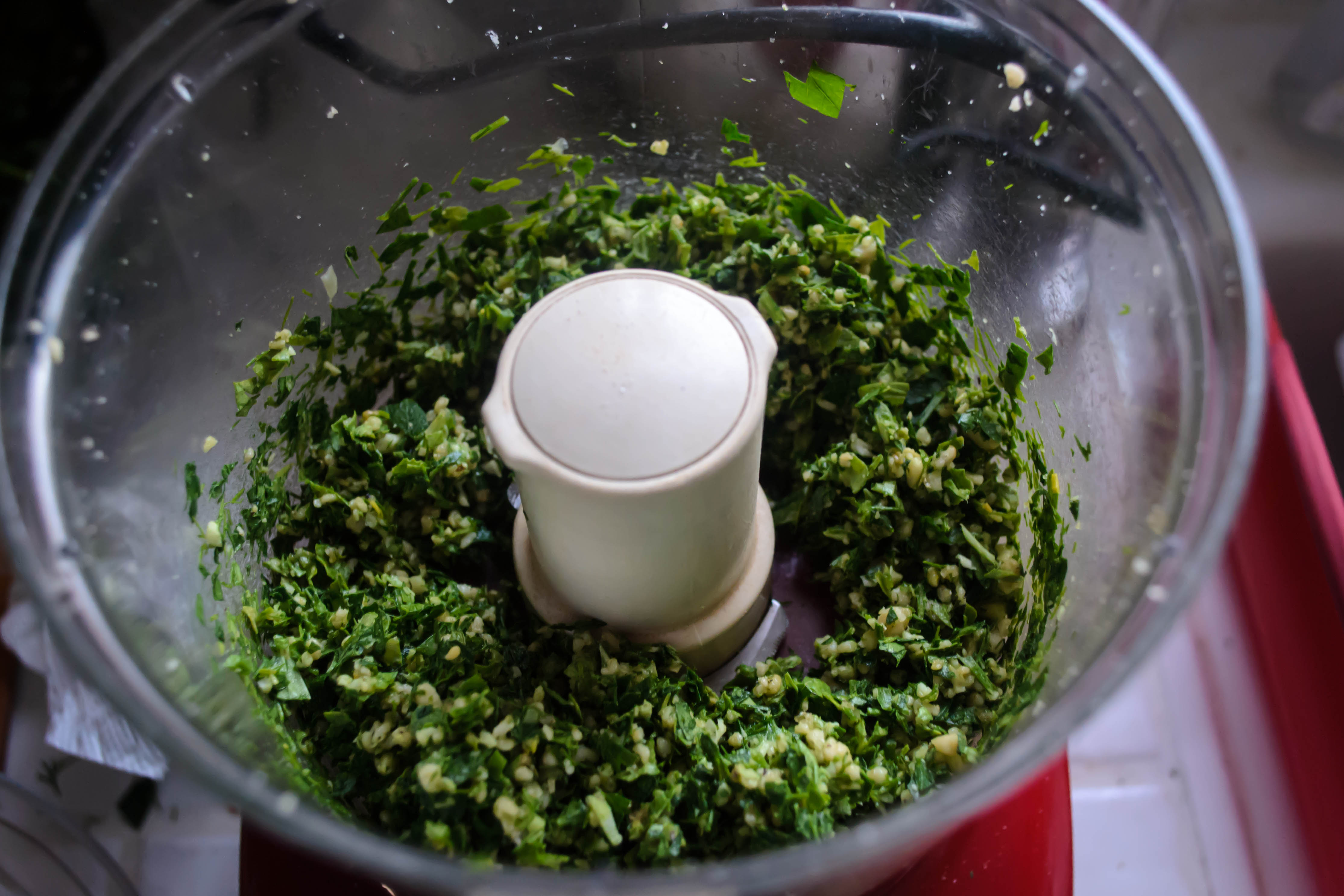
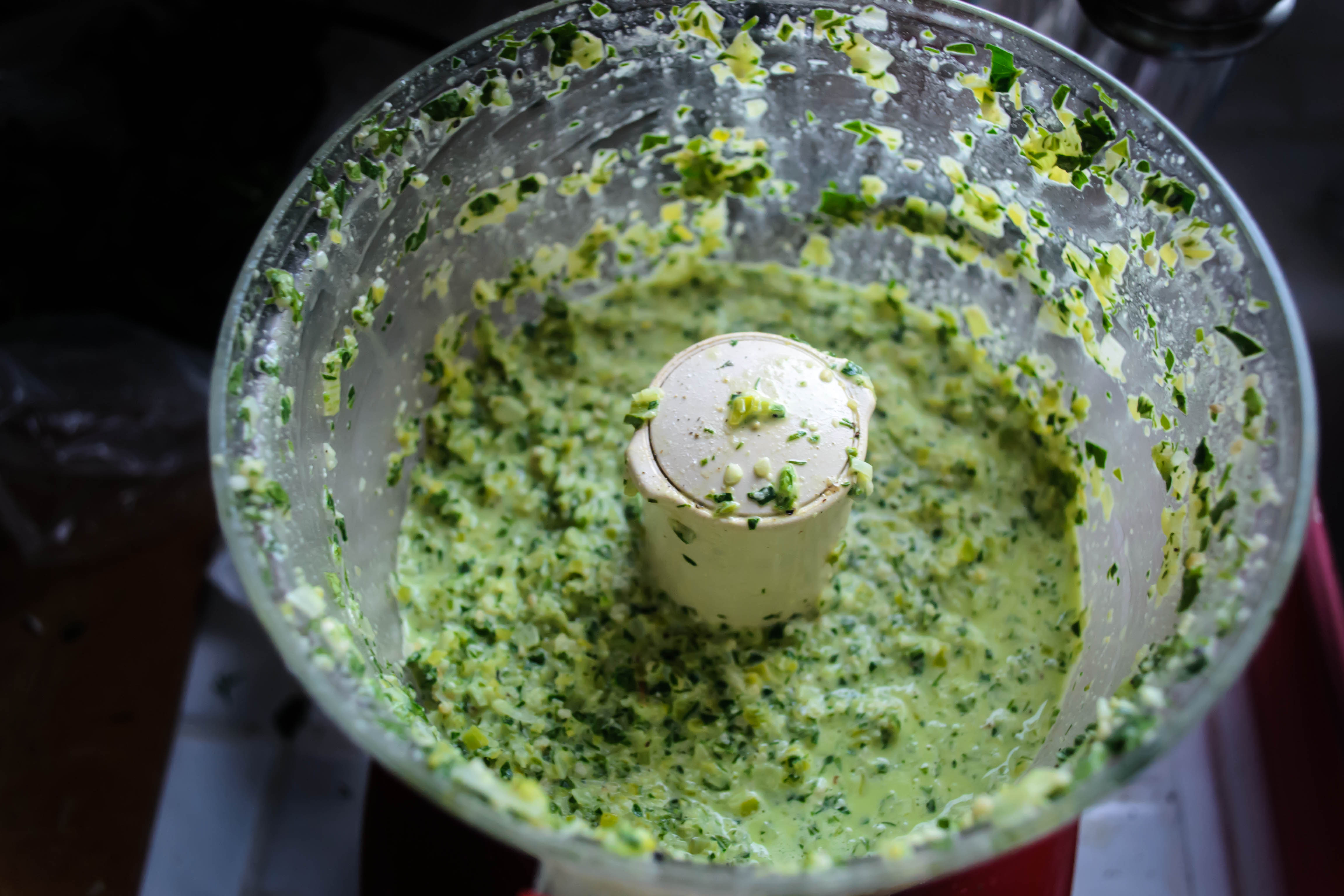
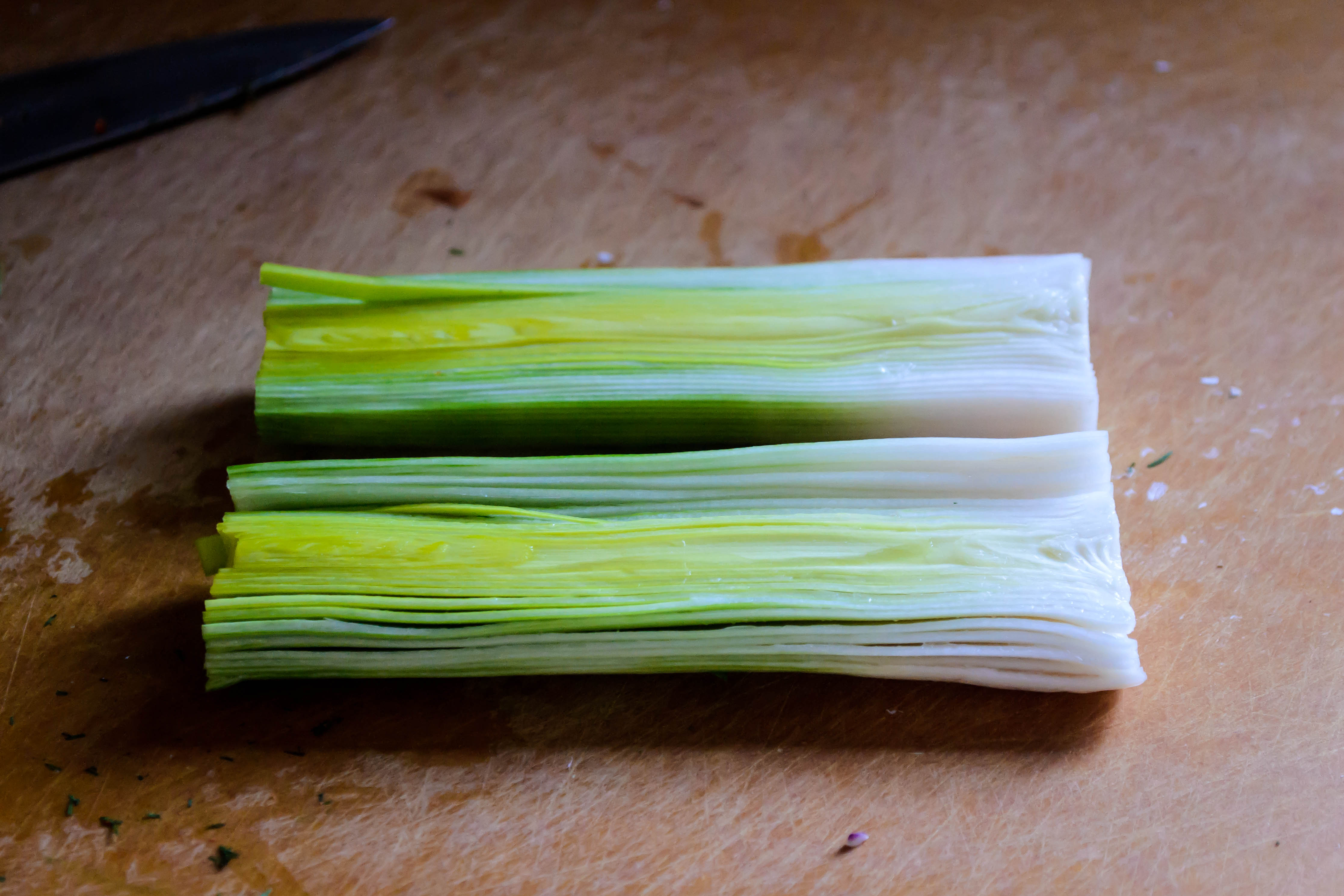 This, then, is what resulted. A mundane, heavy plate of pasta became a rich, vibrant, tangy blend of smoked salmon, dill, and cream cheese sealed in won ton wrappers (I’m all for from scratch, but in a weekend when at least two dozen papers had to get graded, I decided I was okay with using a shortcut stand-in for homemade pasta dough). To replace the thick, gloppy alfredo of the summer, I spooned on a tangy, barely creamy sauce overloaded with herbs and sautéed leeks, that fell somewhere between a pesto and the kind of white wine and cream sauce you’d toss with spaghetti and clams. (Note to self: spaghetti and clams would be spectacular here!)
 I stopped at 24 ravioli, each one loaded with a spare ½ tablespoon of filling, but had enough smoked salmon mixture left that I could have easily made 36. I figured we would each eat 12, but they were so rich and lovely that, particularly with a piece of garlic rubbed toast on the side, you could probably get away with serving 8 to each diner. You will have enough sauce for the full 36, if not more.
 This dish is, perhaps, better suited for spring, bursting as it is with fresh herbs and buttery leeks and the pinks and greens of new growth. But it’s so good, so perfectly silky and creamy and fresh and tangy, that I think you should make it anyway.
It’s getting dark.
I told N., as he stood over the sink sampling a triangle of hot waffle and I finagled my plate of stacked waffle pieces around the counter searching for more light, any light, that I’m going to have to start making blog-worthy meals as weekend lunches. He shrugged, swallowed, and reached for another piece of waffle. I don’t think he’s averse to this idea.
 The cat-like, dozy, quilt-loving part of me worships autumn’s time change day. An extra hour of sleep, waking to find it light out but there’s still plenty of time for
 grading chores whatever (but if we’re honest, probably grading), and the following few blissful weekdays when getting up at 6am doesn’t feel like masochism. But the blogger in me dreads its coming. Most of what I post here – the savory stuff, anyway – is planned and eaten as our evening meal. Amidst getting home from work, walking the dog, and catching up with each other, by the time I start cooking I’m chasing daylight. When we turn back the clocks and darkness creeps ever earlier, the little amateur photographer in me wails with despair. The light! Where is the light?! It’s a cruel trick, made crueler by the enjoyment the non-blog-obsessed part of me reaps from it.
 Speaking of tricks, let’s talk Halloween. What did you do? Who (or what) did you dress as? We did not have a single trick-or-treater, which devastated me, but delighted my students, who received the candy I didn’t give out (or eat myself, but who’s counting?). To fill my costume yen, I had to turn to Facebook stalking, and my easy favorite was a former colleague’s daughter, who dressed as a jellyfish. They fitted a clear plastic umbrella with a jumble of LED lights, and she wore a frilly tutu and held the umbrella over her head to emulate those weird, beautiful, alien creatures. Genius.
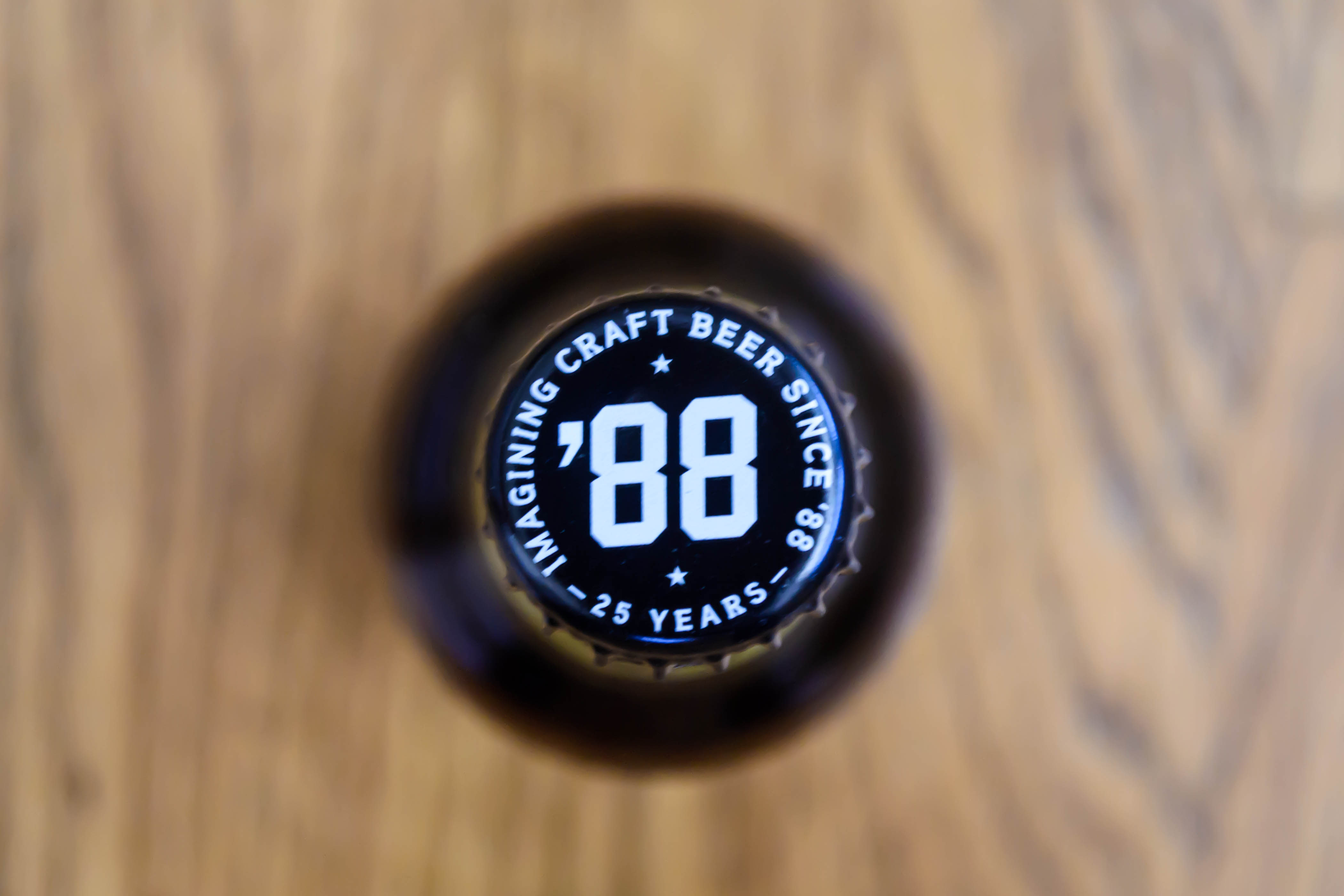
 On the treats front, aside from the Almond Joys I compulsively scarfed as the afternoon went on (reminding myself they were “fun size” totally assuages my guilt), I decided Halloween dinner should be special. A few months ago we gorged ourselves on beer batter waffles during an unexpected brunch at a little cerveteca in Venice and were delighted by the incredible yeasty flavor. I decided this was the night to do some recreating.
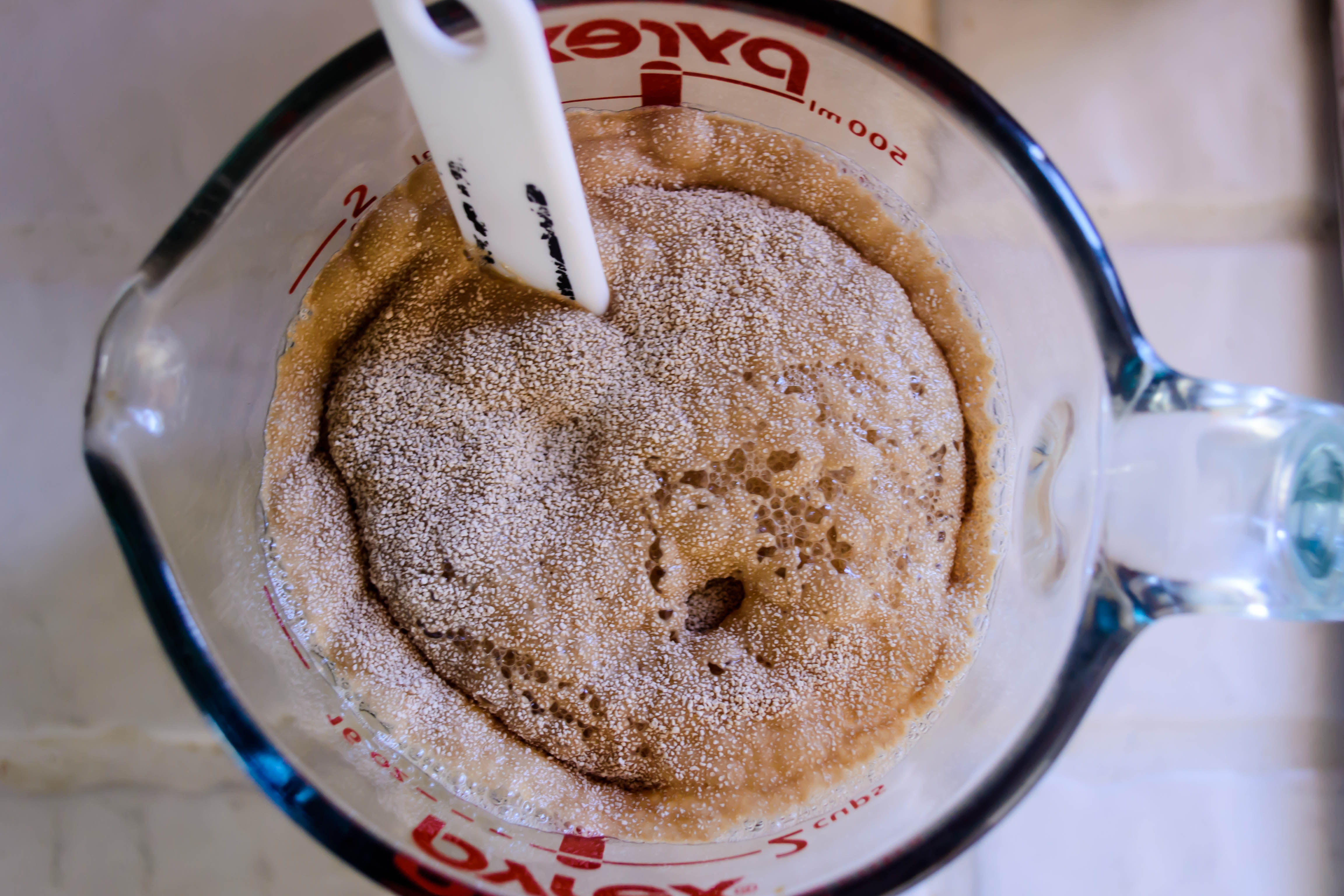
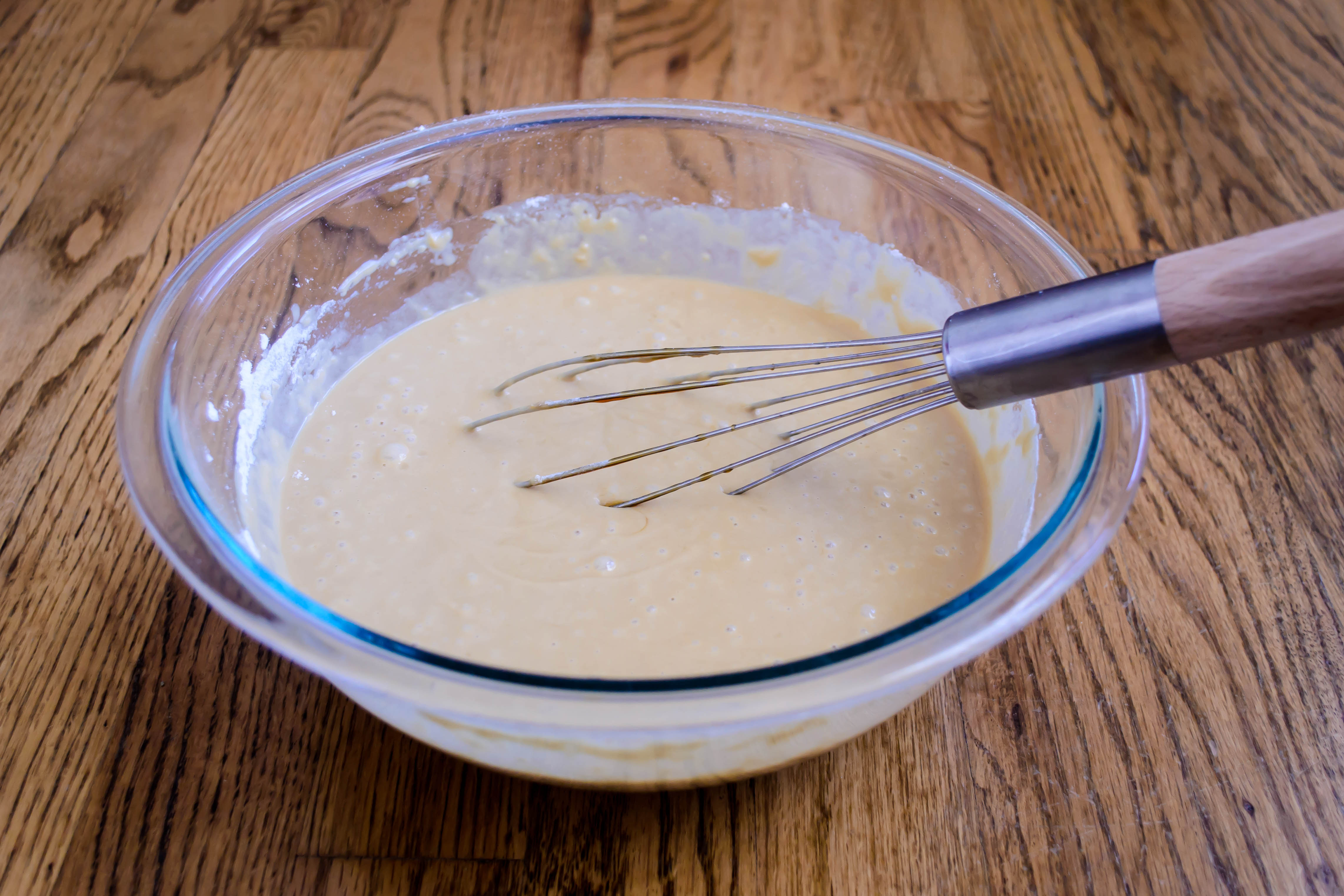 I started with a recipe for maple bacon yeast waffles in a King Arthur Flour catalog, trimmed down the ingredient list, and replaced the called-for milk with beer and the maple syrup with barley malt syrup to emphasize the malty flavor even more. The batter is a floppy, burpy, smelly sourdough sponge sort of concoction, which burbles sullenly for an hour or two before you ladle it by half-cups or so into a waffle iron and sizzle it into solidity. It’s easy, for a yeast-laden item, and as long as you think about the rising time before you suddenly decide you’re starving and dinner needs to happen NOW, it’s doable for a weeknight.
 The thing about a recipe like this, though, is that the rising time gives you time to think. If you’re a normal person, you might use this blessed extra hour to catch up on housework or relax and watch television. If you’re me, you start thinking about sauces. I like maple syrup, but I get tired of it. These waffles, with their yeasty aroma and almost savory flavor, needed something special. As a salute to Halloween, I decided to make a quick bourbon caramel drizzle to top them. I mean, why not? It was a holiday, after all. Butter, brown sugar, bourbon, and salt, bubbles stacking up on themselves in a tiny pot, and a swig of milk (or cream) to thicken and mellow and relax everyone.
 So back to the darkness problem. Usually, when I arrange a plate of dinner to photograph it, N. waits until I’m done to serve himself and head in to the table to eat. On Halloween, as I angled and shimmied and adjusted, trying to catch the last glimmers of fading light and listening to my shutter speed get slower and slower, he stacked waffles onto his plate, drenched them with the caramel sauce, and disappeared around the corner to start his dinner. That, to me, proves its deliciousness beyond all doubt.
Total treat. No tricks. 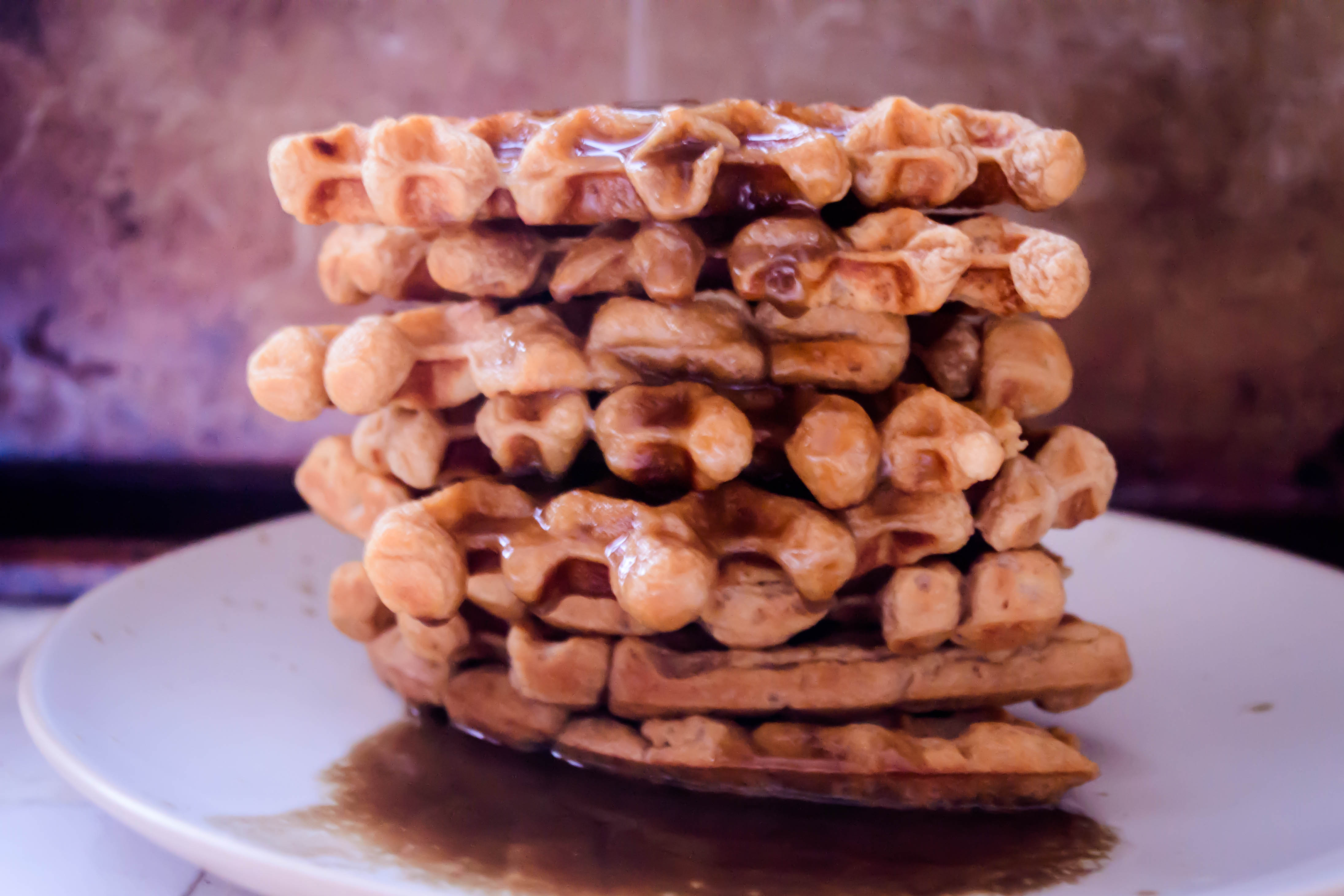
An antidote to yesterday’s sweetness:

A fabled land of farmers, farm shares, fancy (and not so fancy) restaurants, family meals, food projects and more.
cooking my way through my dissertation, one egg at a time
Fearless cooking from a tiny NYC kitchen.
food, in so many words.
Recreating the famous dishes of famous writers. Part recipe blog, part historical discussion, entirely unabashed love of books.
Epicurean Adventures from Eugene, Oregon
Celebrating the Harvest
Modern Iranian aka Persian Food & Culture Blog - Cuisine, Recipes, Stories , Photos, Pictures, DIY tutorials
Exploring Culinary Traditions of Africa, African America and the African Diaspora
food, in so many words.
food, in so many words.
food, in so many words.
Food-Stories-Recipes-Love
WordPress.com is the best place for your personal blog or business site.
 "blackberry-eating in late September"