Brecht’s Restaurant

I have a Bittman success story to share with you, and I will.  Soon.  But first, in a continuation of last week’s celebratory post, I have a birthday restaurant review.

Yesterday, N. took me to Portland to celebrate my birthday.  Because I’m so sophisticated and urban, of course what I wanted to do most was go to the zoo.  Only after we’d seen every animal (and returned to a few exhibits on the way out to see if anyone had decided to come outside yet) did we embark on the more culinary aspects of our voyage.  We spent close to an hour in Sur le Table, a store that makes me swell simultaneously with desire, longing, and anxiety.  It is bright and beautiful and artistically merchandised, and I can’t help but want everything in it (do I need a handheld KitchenAid electric mixer in every color of the rainbow?  Of course not.  But do I want them, after seeing them lined up and shining prismatically on the shelf?  Yes I do).  I imagine the fantastic food projects I could embark on, the dinner parties I could have, the appetizers I could construct (the tiny tart tins only big enough to hold a tomato tart made from a single slice of tomato, the edible silver pearls for cupcakes, the souffle dishes… oh the souffle dishes…), and there’s where the anxiety sets in.  Yesterday, I had a gift card to spend.  I needed to be careful and thrifty and try to not to exceed the card’s value by too much, because beauty doesn’t come cheap.  That meant excruciatingly rigorous examination of everything. in. the. store.  I ended up with equipment that fills several notable gaps in my kitchen repertoire, and that was good.  I was practical.  But it still didn’t quell my girlish longing for cookie cutters in the shape of a crab, a cupcake, or a golden retriever, or a spring-loaded icing syringe, or a huge octagonal serving platter.

And yet we pressed on.  On several trusted friends’ recommendations, we went to Montage for dinner.  Located under a bridge on the east side of the river, it was hard to find (thanks, road construction), but clearly well loved, as at least a dozen people were waiting outside for the restaurant to open when we arrived at 5:55pm.

When we went inside and the hostess showed us to a table set with pristine white linens and folded, creased paper menus, my impression was of a Brechtian dreamscape.  If Bertolt Brecht had designed a restaurant, it might be something like this.  In French, “montage” means “assembly” (roughly, forgive my linguistic impreciseness, amis).  Here, “assembly” took the form of a collage of high and low.  From my seat at our table, when I looked to the left I could see long, long shelves against the far wall stocked with bottle after bottle of wine.  As their extensive wine list proved, some were good vintages and all were pretty reasonably priced.  When my eyes slid upward, however, I got a view of the wall-sized, quasi-cartoon Last Supper painted above a row of two-tops.

Looking to my right, on the deep windowsill near the entrance I could see a classical-style statue, complete with broken limbs and barely disguised indecency, standing next to the cast of an alligator’s skeletal jaws and a fully blown pufferfish, both suspended from the ceiling by fishing line.

This, then, was a conscious pastiche of high and low.  The paper menus revealed not only the lengthy wine list, but a full range of Cajun and Southern American classics.  N. ordered the jambalaya, but I couldn’t resist the call of the fryer.  I ordered “Buttermilk fried chicken hindquarters,” which were advertized to arrive with garlic mashed potatoes, seasonal vegetables, AND a salad.

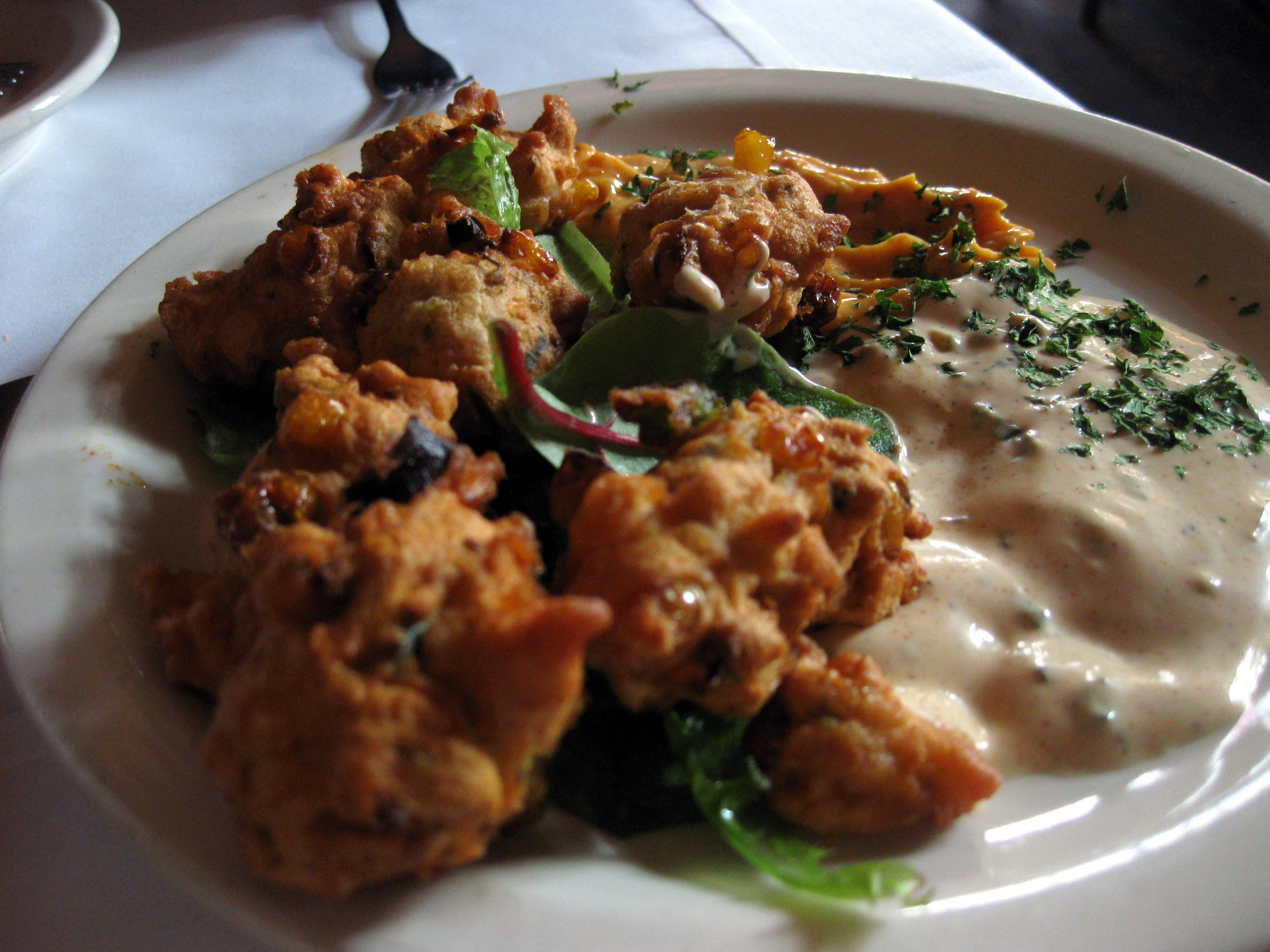
Before any of that, however, we got our beverages and shared a plate of hush puppies.  My dry Riesling was crisp and tart and just barely fruity, and our server really topped off my glass because there wasn’t enough left in the bottle for two.  I told him it was my birthday, so he could use that as an excuse and he chuckled.  Wine managed, we plowed into the hush puppies.  These were moist and chewy and had kernels of corn in the batter for that pop of sweetness and texture.  They were accompanied by two aiolis: one garlic and one red pepper (I think.  It was extremely mild and our server wasn’t sure).  The garlic aioli was delicious: slightly vinegary and herby, much more complex than a regular mayonnaise.  The fritters were not very crunchy on the outside, but their flavor more than made up for any textural shortcoming. 
While we waited for our dinner to arrive, another aspect of the Brechtian theater of the place became clear.  Behind the white, linen-clothed bar, the kitchen was partially visible, and every time a plate came out the expediter bellowed the name of the server responsible for it.  After an initial surprise, no one in the restaurant seemed put off by this practice, and it started to blend into the clatter of dishes, happy conversation, and David Bowie’s vocals soaring effortlessly up into the background.

Dinner arrived on white dishes, but it didn’t smell highbrow.  It smelled homey and warm and wonderful.  N.’s jambalaya was well spiced and nicely flavored.  It was just spicy enough to merit a gulp of beer and a crumble of cornbread in between bites, and he has added this to the list of dishes he’d like me to try at home.  My plate came with its promised hindquarters still connected, dredged and crispy and beautifully caramel-brown.  A little heap of mixed sauteed vegetables nestled in the space between leg and thigh, and a mound of mashed potatoes rounded out the plate.

I started with the mash.  I think they were red potatoes because some shreds of dark mauve-y skin added an appealing squish between my teeth.  The meat of the potatoes was velvety smooth and creamy and just brushed with garlic flavor.  N. was permitted one taste and then somehow the whole mound disappeared into my stomach.

I moved on to the chicken.  I have to admit, I am pretty picky about my fried chicken.  It must be crispy, it must be just greasy enough to slick my fingers and moisten my lips, and I prefer dark meat (though that’s the case with any poultry, fried or not).  This chicken scored a two out of three.  The breading was crisp and the meat was moist and flavorful.  This breading, however, was fairy thin.  It did not have the nodules of thick crunchy fattiness I didn’t know I wanted, and as a consequence the grease factor was minimal.  It was delicious (oh was it delicious!), but it wasn’t my fantasy fried chicken. 
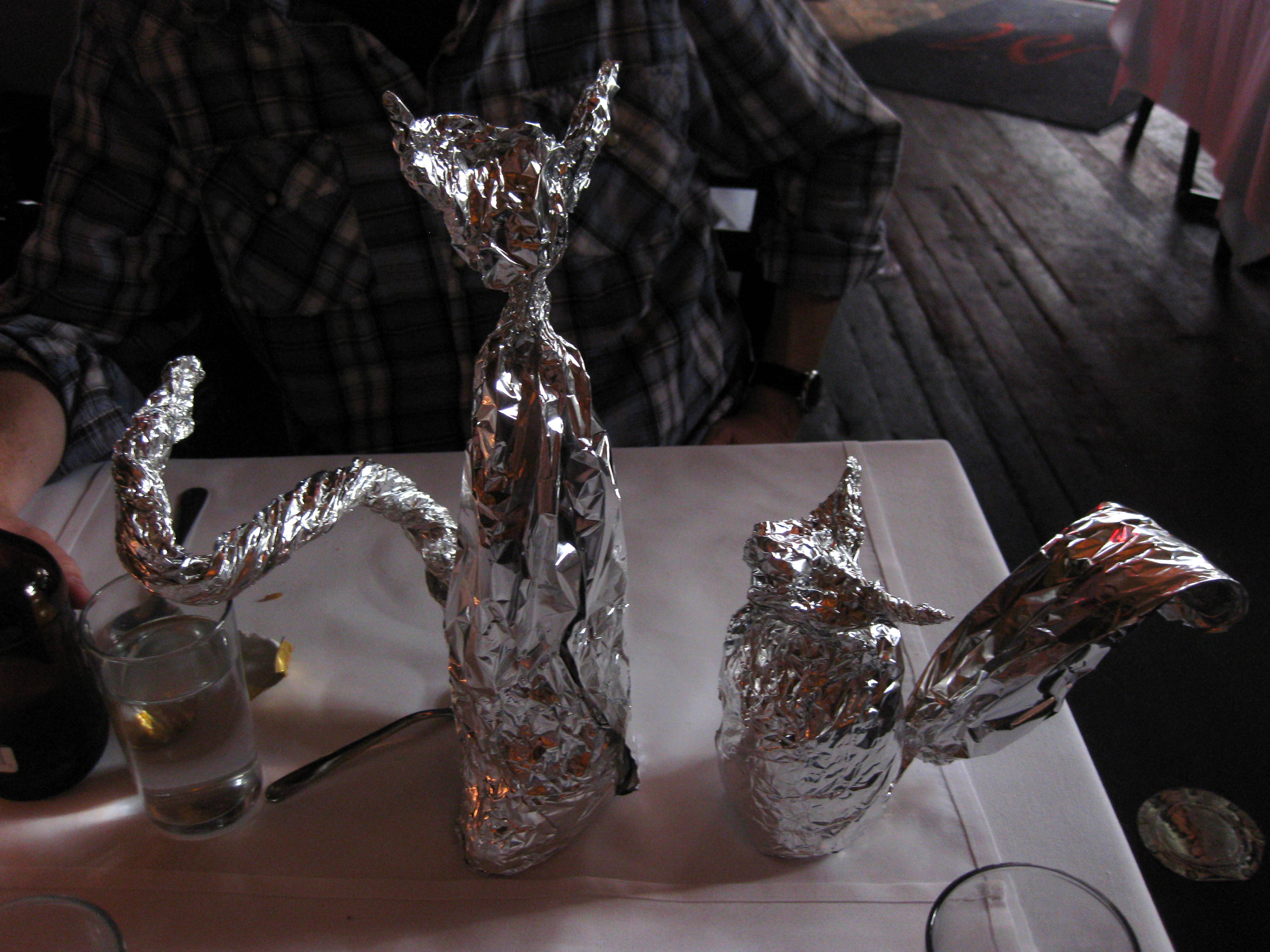
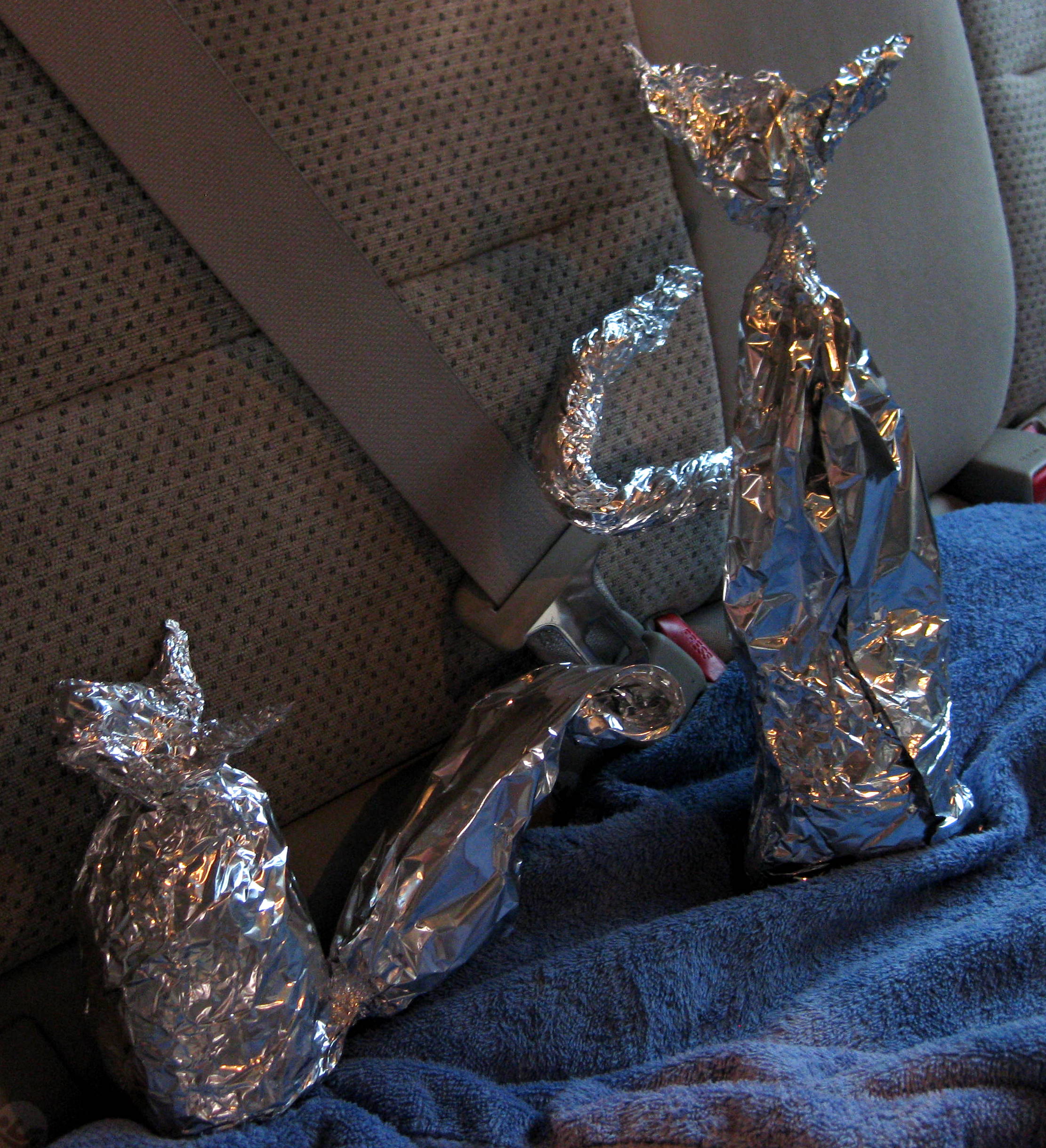
The play of culture and carnivale continued as we finished our meal.  Our server asked if we wanted our leftovers wrapped up, and when we acquiesced he disappeared with our plates and returned with a stylized cat and squirrel made of aluminum foil, holding our remaining dinners in their tin bellies.  As they faced off against one another at the table, our server walked over holding a plate leaping with orange and blue flames: dessert on fire for my birthday.  Unless N. ordered this while I was in the ladies’ room (I suspect not), this was our server’s doing alone.  I’d mentioned it was my day at the outset of the meal, but I hadn’t been expecting anything from it.  Instead, what I got was essentially ice cream pie set alight.
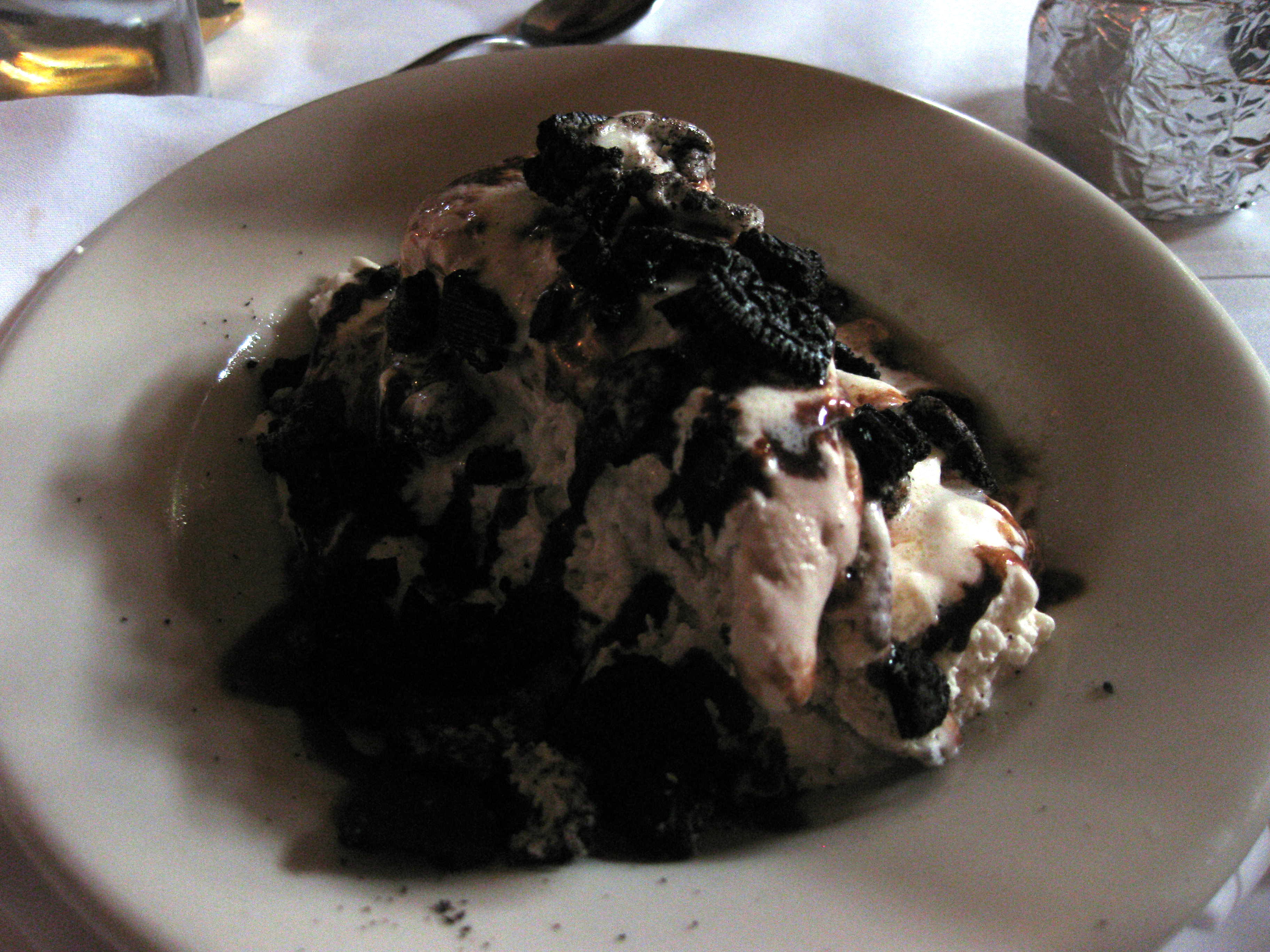
How do I begin to dissect this gorgeousness in words?  Writing about food is funny because so often language fails to capture taste.  I’ll go in the order my spoon went.  First, there was the ice cream.  This was either vanilla or very mild coffee, because we were getting hints of coffee flavor the whole way through.  I suspect, however, that it was vanilla ice cream, and that the spirit used to flame the dessert was Sambuca, and that’s where the coffee flavor came from.  Or else the ice cream was also drizzled with Kahlua.  Beside the slice of ice cream, there was an airy pile of whipped cream, also drizzled with chocolate/coffee sensations, and the whole dessert was topped with crushed chocolate Oreo wafers, and built upon a slab of compressed bittersweet chocolate crust.  Frozen but on fire, soft and creamy with crunchy accents, sweet but with an espresso bitterness, this captured the juxtaposition of the whole place on a single white plate.  N. is not often one for rich desserts, but this one he ate as continuously and determinedly as I did.  He laid his spoon down only two bites before I did, leaving the last swirls of melting ice cream and heavy liqueur traces to me alone.  It was, after all, my birthday.

We left satiated and impressed.  This was neither the fanciest nor the most amazing food I’ve ever had, but it was damn tasty, and the ambiance, as strange a collage as it may have first seemed, only added to the experience.  If this had been in a rundown, casually decorated diner, it would have seemed cheap and cheesy.  If it had been the same food in a “fine dining” restaurant with elegantly uniformed servers and long aprons, it would have seemed uncomfortably out of place.  But this Brechtian dance between high and low, with its conscious acceptance – nay, its intentional embrace – of both, made it a near-perfect show.  There are a lot of restaurants in Portland we want to try out, but we will almost certainly return to Montage.*
* or perhaps to its adjoining lounge which, in keeping with the play between cultured and vulgar, is delightfully titled la Merde.
Cheese and macaroni

I pride myself a bit on escaping from some of the pressures and temptations of processed food. I like to cook, I like homemade food, and I like when my shelves are full of whole ingredients and natural products and grains and all that snobby stuff. If I can (relatively) easily make it from scratch, I try not to buy it premade.

But there are always exceptions, and sometimes they are the very worst kind. You see, most of my life I have hated all but one variety of macaroni and cheese. My mom’s elbow noodles in cheesy bechamel with bread crumbs on top? Can’t stand it. The crunchy baked roasting hot steaming vessel-o-mac from Cornucopia, one of our go-tos? Merely tolerable. But that kind that comes in a blue box? That kind with the chewy, rubbery noodles and toxic neon orange powdery “cheese”? Oh god, I love it. I wait till it’s 10 for $10 at the grocery store and stock up. Sometimes I peek into the back of my cupboard just to check that I have a box or two stockpiled there. I’m not ashamed.

And yet… and yet I always feel like I’m missing something. There must be an element of worth to homemade mac and cheese. People love it! Our friend X is practically a connoisseur. I finally decided I, not the mac, must be the problem. I love pasta with cheese on it, I love fettuccine alfredo, so where, I asked myself, did the problem arise?

In the sauce.

The closest I’ve come to enjoying a bowl of homemade, baked macaroni was a version in which the sauce was made of (as near as I could tell) two things: butter and cheese. It’s the white sauce I apparently take issue with. Thick and creamy but bland, with all the graininess of melted cheese but only 50% of the flavor. Ever notice how a chocolate milkshake has only the palest color and flavor of chocolate compared to a big scoop of rich, fudgy ice cream? Cheese sauce seems to do the same thing to cheese.

So the natural solution seemed to me to tinker around in my kitchen, producing numerous casseroles of ever increasing cheesiness, until I found a ratio I (gasp!) actually enjoyed. Perversely, however, given my strange penchant of creating and serving new food to friends and family without testing it first, I decided to make macaroni and cheese for my in-laws during our visit to their home.

I don’t know what made me think of it. I don’t know what made me decide it was a good idea. But suddenly, there I was in the tiny grocery store in their little town in the Sierra Nevada foothills, buying cheese and elbow noodles and Panko breadcrumbs. Baby, I was makin’ mac’n’cheese.

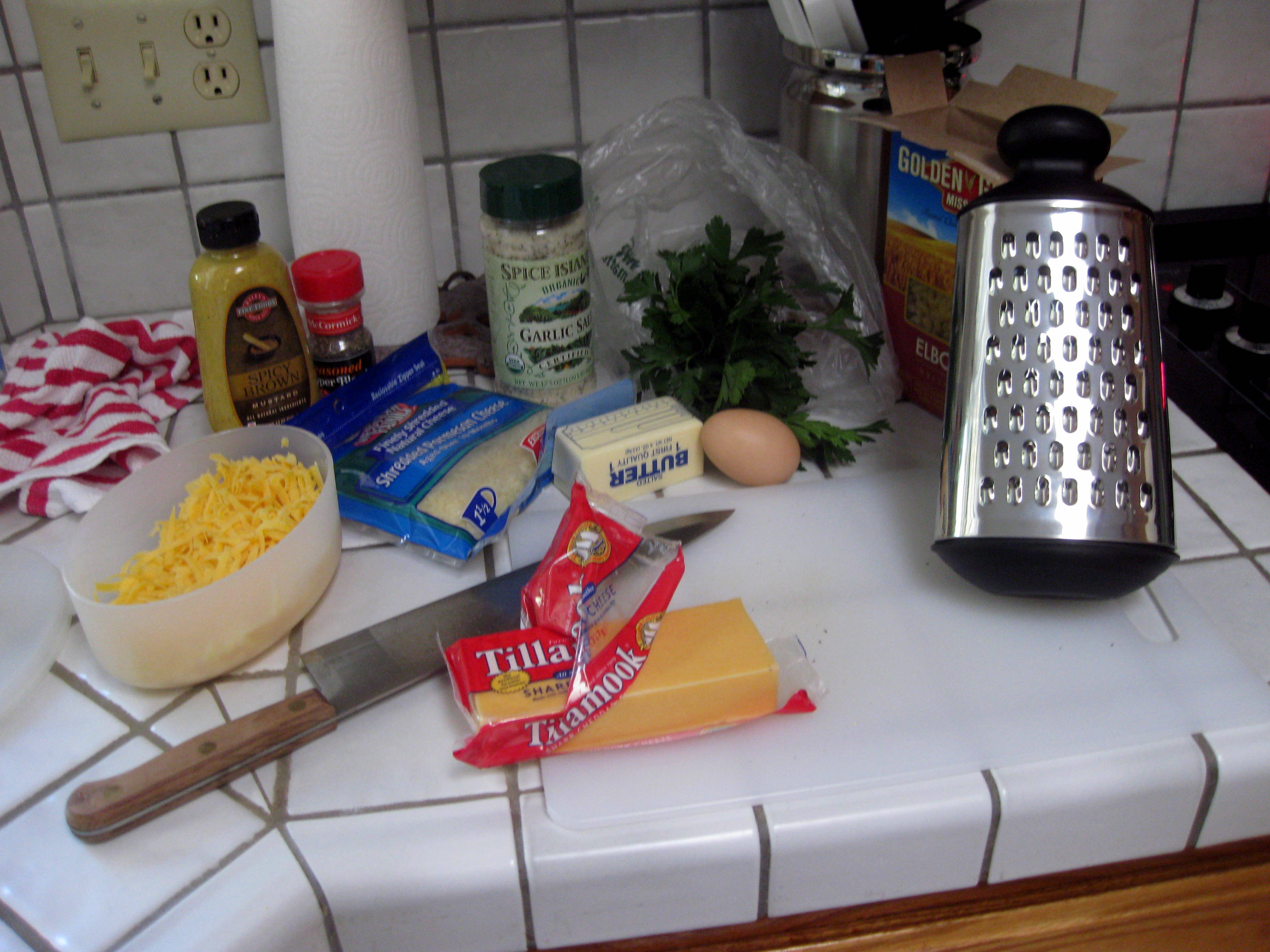
I must admit to borrowing a bit from Pioneer Woman’s recipe, but I made a few alterations of my own. Here’s the rundown of ingredients, some approximated:

1 pound elbow noodles (1 16oz. box)

¼ cup butter (½ a stick)

¼ cup flour

2 tsp spicy brown mustard

2 cups milk, room temperature

1 egg, beaten, room temperature

garlic salt

black pepper

3-4 cups cheese? I used an 8oz. block of sharp cheddar, 2 generous handfuls of parmesan, and some already grated leftover medium cheddar stowed in the fridge.

¼ cup chopped fresh parsley

Topping:

2 TB butter

½ cup Panko breadcrumbs

2 TB parmesan

2-3 TB sharp cheddar

  • Cook the noodles in boiling water until almost done. They should still be a little underdone on the inside, because they are going to continue to cook when we bake them. Drain well and set them aside until we call for them.
  • Melt the butter in a large pot or pan over medium to medium-high heat. As it melts, add the flour and stir in, making a smooth golden paste. This is a roux.
  • After letting the roux cook for a minute or two, watching it carefully and stirring frequently so it doesn’t burn, add the mustard. As Pioneer Woman said, this adds a really nice but not recognizable tang to the finished dish.
  • Begin adding the milk gradually. I probably added in three or four additions. Stir or whisk well after each addition of milk, until the mixture is smooth and does not have big lumps of flour. When all the milk is added, let it cook, stirring occasionally, for about five minutes until it starts to emit heavy reluctant bubbles and becomes quite thick and rich. Turn the heat down to low. This is a bechamel, or basic white sauce.
  • Slowly, stirring constantly, add about ¼ cup of the bechamel to the beaten egg. This is tempering, which starts the egg cooking slowly so it mixes in smoothly in liquid form. If you just tipped the egg into the sauce hot on the stovetop, it would scramble and leave little eggy bits in your smooth wonderful mixture. After tempering, add the egg and sauce mixture, now warmed and safe, back into the bechamel. Season to taste. I used garlic salt and seasoned pepper, because that’s what I found in my mother in-law’s spice cupboard.
  • Add the cheese in handfuls, stirring until each addition is melted before adding the next. This way your sauce doesn’t get overwhelmed with clumps of cheese, and if you decide it is cheesy enough without the whole amount, you can stop where you like. I wanted it to start to get stringy and clingy, as the cheese overwhelms the milk completely.
  • Add the parsley and the cooked, drained noodles. Stir to combine.
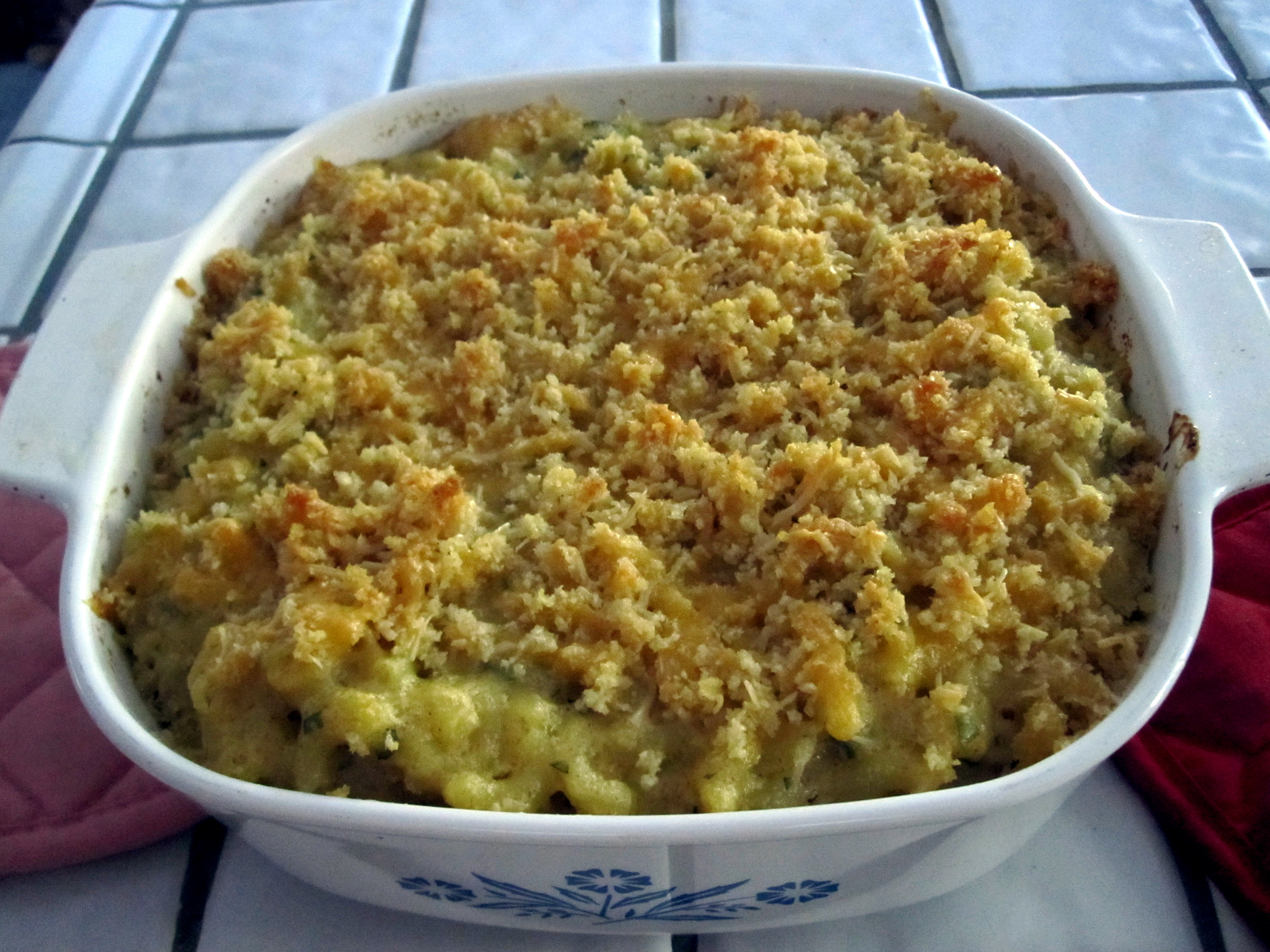
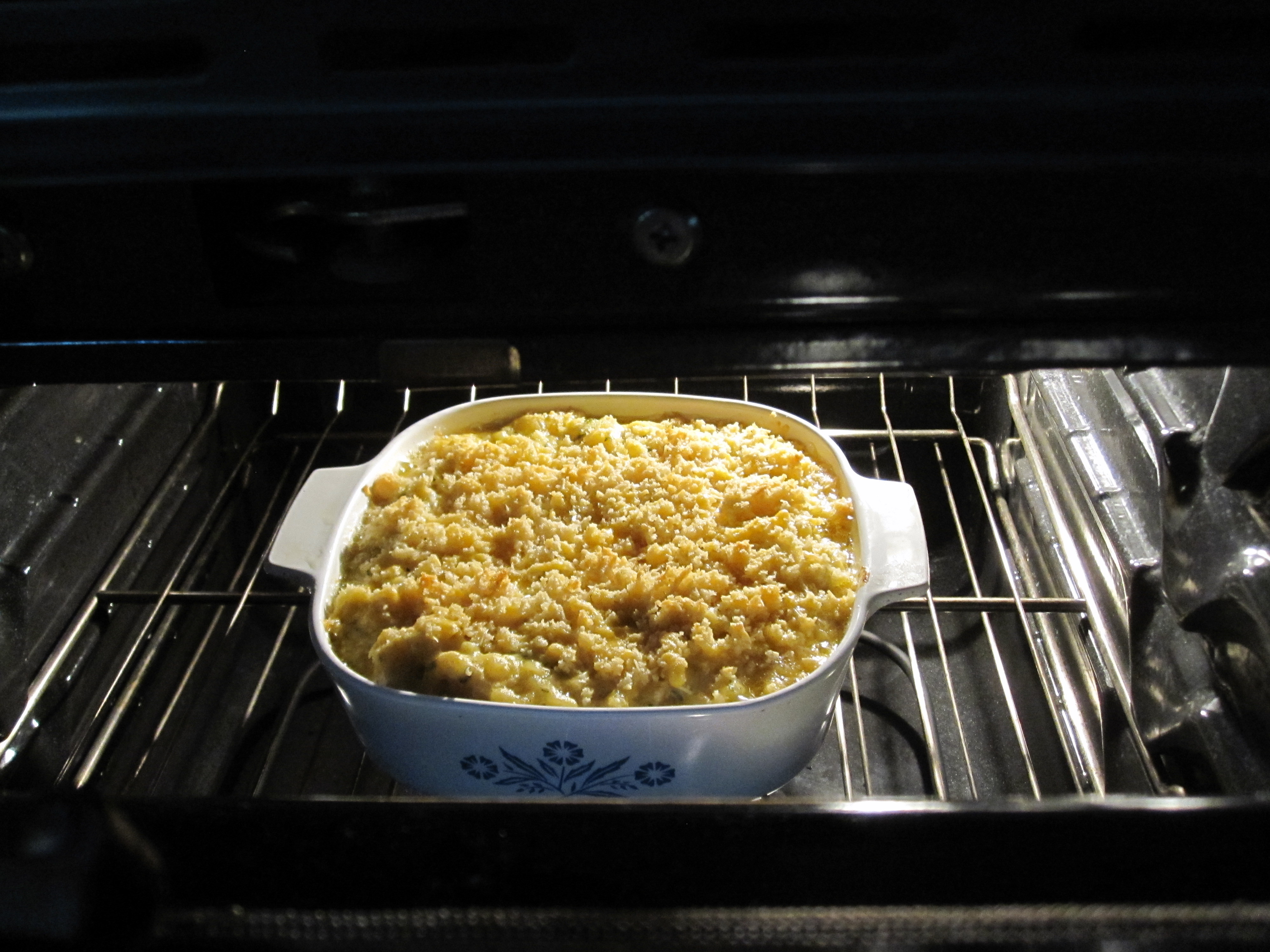
  • Pour the sticky cheesy mixture into a buttered 2 quart casserole dish and load it up with the topping (procedure follows), then bake in a preheated 350F oven for about 30 minutes, or until the edges are bubbling up from the bottom and the topping has become relentlessly golden and crisp. Eat.

To make the topping,

  • Pinch about two TB of butter into pieces in a bowl.
  • Add the bread crumbs, parmesan, and cheddar and mix together as you would a streusel for a crisp. You want small chunky pieces, and you want the cheeses and crumbs to be evenly distributed. This makes a lot for a casserole dish of macaroni, but N. really loves a crunchy topping so I always add a little more than, perhaps, the average person would. Adjust to your tastes.

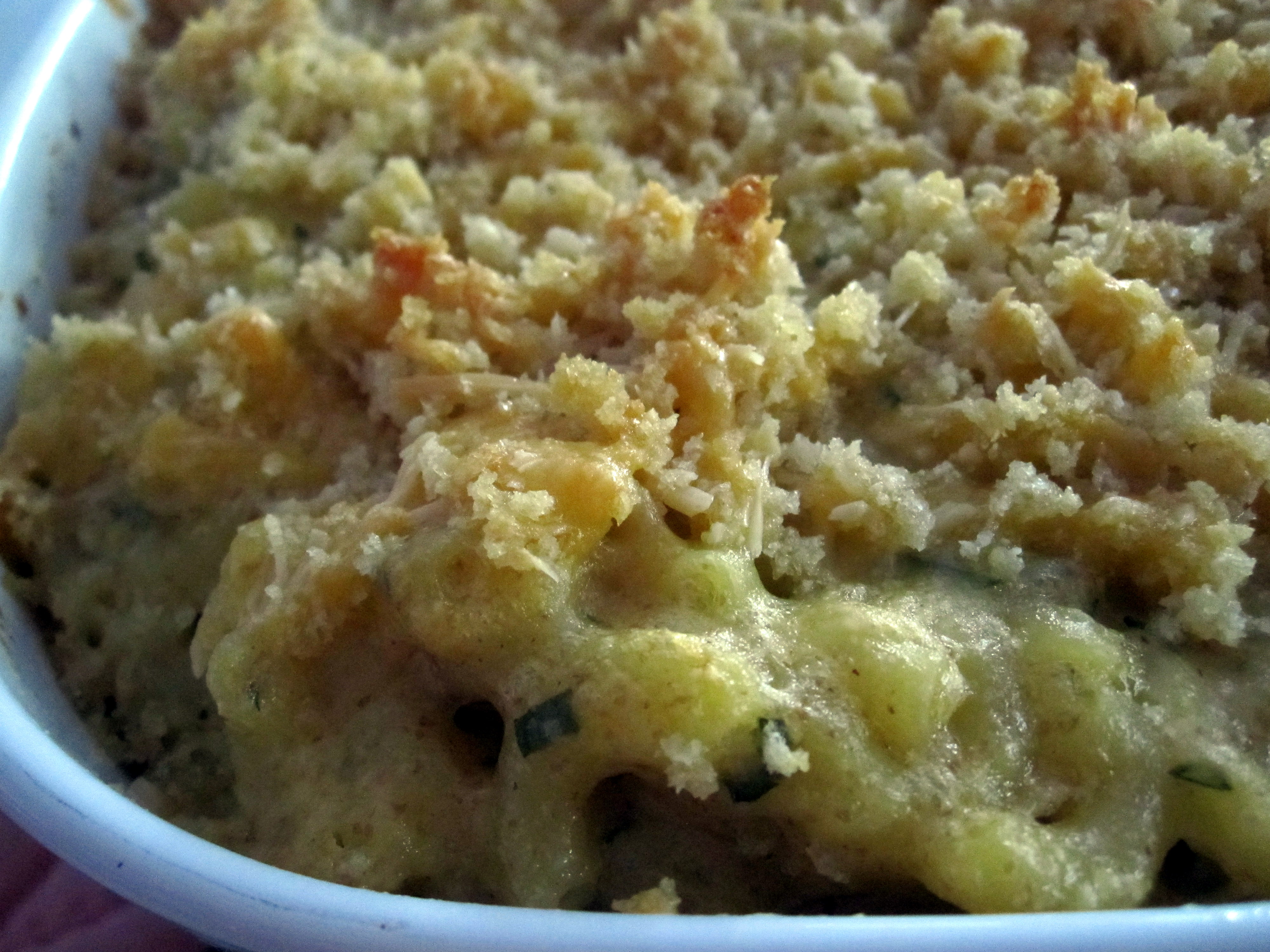
When the topping was taking on a burnished shade and the combination of butter from the sides of the dish and cheese from the sauce was boiling and bursting up around the sides, I liberated our dinner from the oven and we dug into it anxiously, dropping large spoonfuls onto our plates. The noodles had soaked up a lot of the bechamel during their stint in the oven, leaving the decadent suggestion of creaminess but the overwhelming assault of cheesy flavor holding them together. The topping was the perfect combination of sizzling salty crunchy sharpness and, served beside steamed broccoli and whole wheat focaccia, I must admit, I liked it. I went back for seconds. I had it for lunch the next day. Forget macaroni and cheese. Give me, for the rest of time, cheese with macaroni.

Three-Bite Tableau

I like small sized food. I like its charming appearance, its potential for fanciness, and, not least, its ability to fool otherwise intelligent people ((i.e. yours truly) into thinking they can eat extra, because it’s so petite it must be calorically harmless as well.

To qualify, I think this sort of food must be consumable in three bites or less. Ideally this should be possible without a fork, but of course (especially with desserts) there are exceptions to this ideal. At any rate, three-bite foods should be attractive to the eye, enticing to the nose, and should carry far more flavor than seems possible for their small size.

Here are two I’ve constructed recently: one that turned out to be a snack superstar, and one that carries as yet underrealized potential for true greatness

Artichoke Spinach dip cups

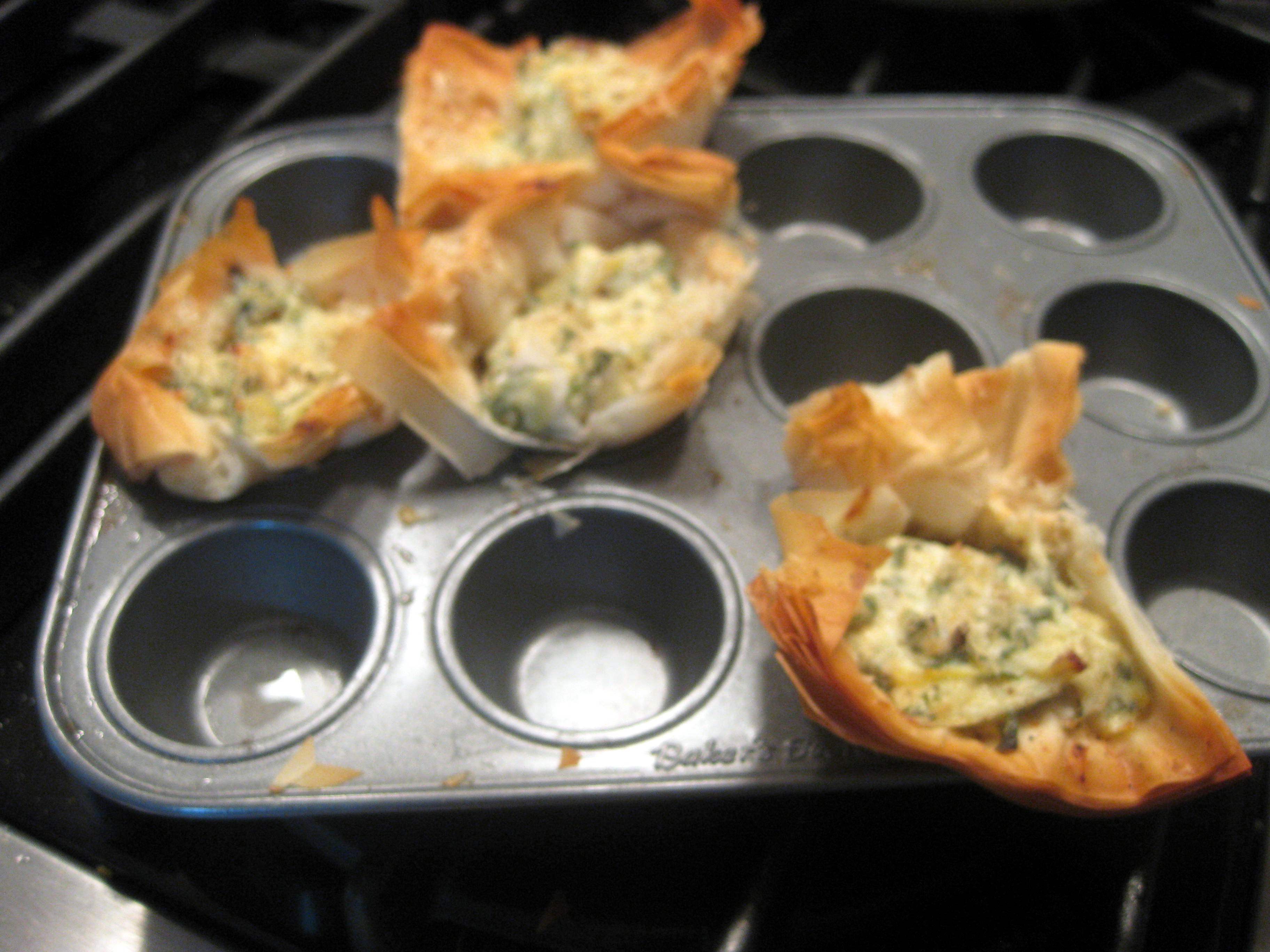
Two of our colleagues and dear friends got married in Long Island recently. As N. and I were both teaching a summer class (and subsisting on graduate student salaries), we were unable to jet-set across the country to attend. But to our delight, G. (the bride) informed us that her father would make a toast to friends and family not physically present. We gathered with some friends, some wine, and some snacks, and at 4:10 pm PST we raised our glasses to G. and T. I brought these little dip cups, bubbling and creamy in brown crisp phyllo shells. This is an adaptation of a recipe for hot artichoke dip that I usually make in a pie plate, but the elegance we were attempting to emulate and the stark truth of half a box of phyllo sheets in my refrigerator made me change my plan. Note that these ingredient amounts are almost all approximations.

In a medium bowl, I mixed:

4-6 oz. cream cheese

½ cup mayonnaise

5 oz. spinach, steamed or boiled, drained, and roughly chopped

1 14 oz. can artichoke hearts in water, drained and roughly chopped

2 TB parmesan cheese, divided

black pepper to taste

After a serious taste test and careful alterations, I set the dip aside and considered my phyllo. I had about 10 sheets, which I swept with butter and layered in the usual way, before cutting into twelve even stacks (3×4). I pressed each stack carefully into a mini muffin tin, letting the edges point out every which way in hopes of creating crisp, crunchy tips, and then loaded the buttery vessels with spoonfuls of dip. I probably used about 2 TB per cup, topped each with a generous extra grating of parmesan cheese, then stowed them in a 400F oven for 20 minutes. Depending on your oven, they are ready when the edges of the phyllo cups are dark golden and fragile, the parmesan cheese atop the dip is beginning to color, and the dip itself is slightly bubbling. Or just when the phyllo is brown, if you are impatient.

We were impatient. How could we not be, when the smell of cooking cheese was filling the kitchen, and the promise of that perfect balance of crispy and creamy whispered how wonderfully it would compliment our champagne?

Crab cakes

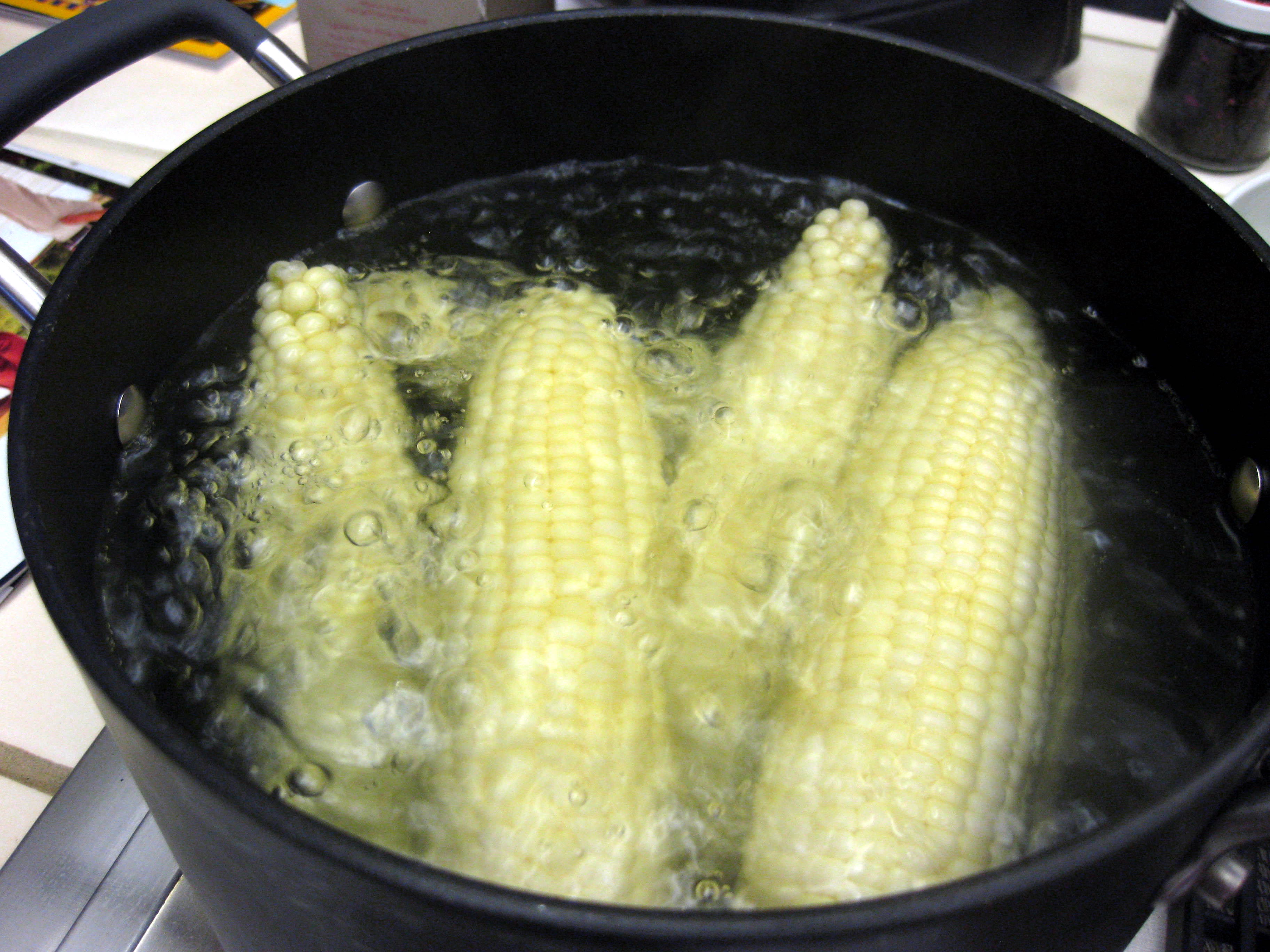
Now visiting family in California for a few weeks before the term begins again, my mom and I have been bonding the way I like best: in the kitchen. Three days ago, we decided to make crab cakes and salmon cakes to go with a half dozen luscious ears of sweet corn.

I like crab cakes, but like pesto, I am still searching for the right ratios in my collection of ingredients. This version, while tasty, is no exception, particularly because while we did look up a recipe, we ended up barely consulting it and, ultimately, not following it at all.

Working delicately in a medium bowl, so as not to break up the crab too much, we mixed:

3 6 oz. cans of crab meat (1 lump, 2 regular if you’re skimpy like us, all lump if you’re really looking to impress)

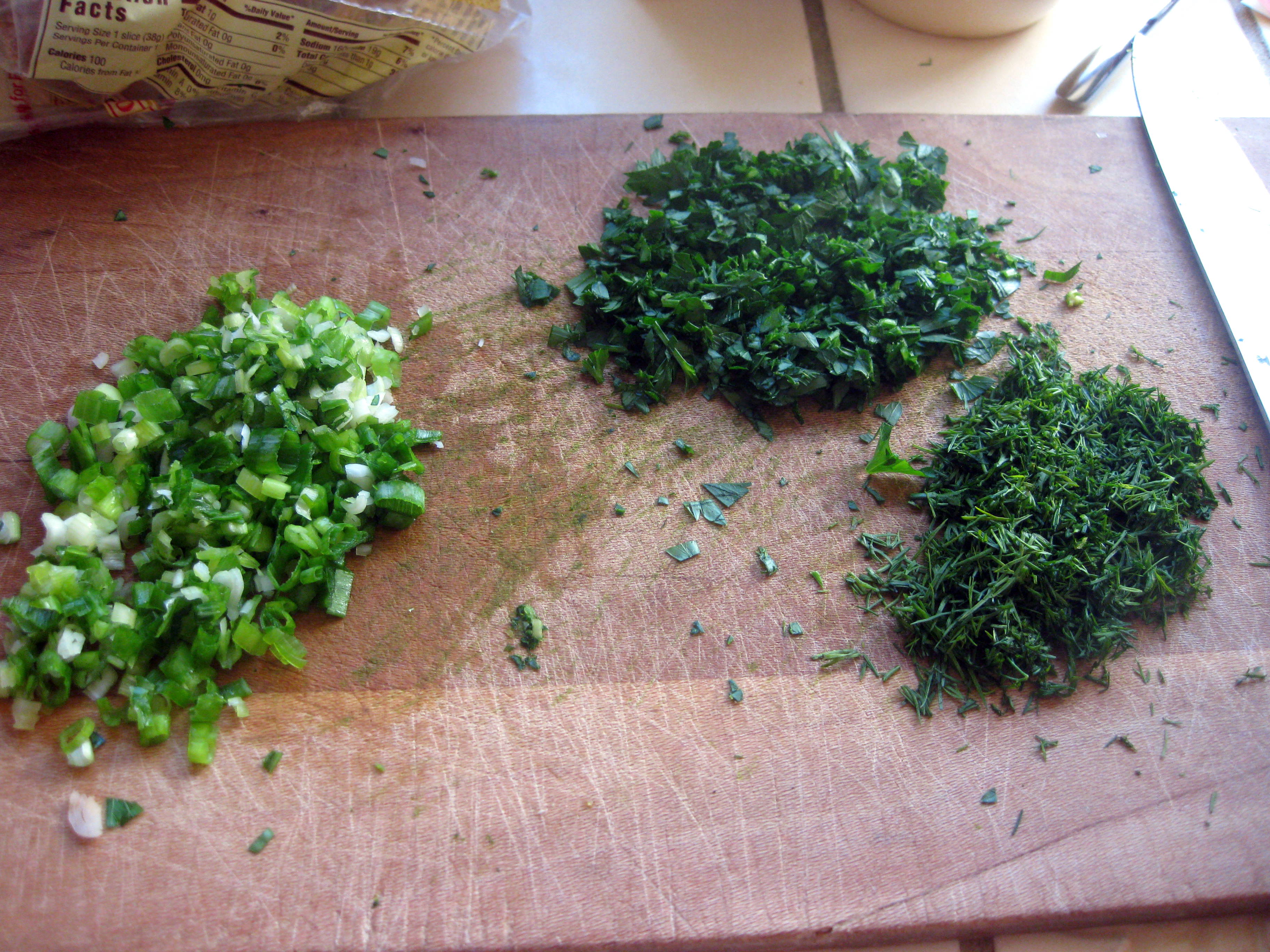
1-2 TB each, or to taste, finely chopped green onions, dill, and flat-leaf parsley

2 TB lemon juice

2 tsp lemon zest

scant 1 cup or less fresh bread crumbs

1 egg, lightly beaten

salt and black pepper, to taste

I recommend adding the egg last, so you can taste and test flavor balances and add extra herbs or lemon before dousing the mixture in raw egg. I also recommend adding the bread crumbs a little at a time, because depending on how you like your crab cakes, a full cup might be too much. Crab has such a sweet delicate flavor that too much bread or too many herbs will hide it completely.

Again, with extreme care, we patted the mixture into five palm-sized cakes, trying to help it hold together without overworking it. We plopped our fragile quintet onto a plate and refrigerated them for about 45 minutes to let the flavors meld and the cakes mesh together more firmly.

While they were chilling, I mixed up a little dipping sauce in the food processor, dropping in:

½ cup mayonnaise

2-3 generous TB strong horseradish

5-6 basil leaves

3 TB flat-leaf parsely

3 garlic cloves

generous squeeze of lemon juice, to taste

When the cakes had thoroughly chilled and our stomachs were rumbling with anticipation, we heated just enough vegetable oil to cover the bottom of a large skillet and carefully patted the cakes with dry bread crumbs, sliding each into the heated oil as soon as it had received its crisp coat. We fried them for 4-5 minutes a side, or until the bread crumb coating had become crunchy and golden. They threatened to collapse into pieces, and two cracked severely down the middle, but with careful coaxing and dextrous spatula work, we managed to keep them together fairly well.

They tasted good. They were light and herbaceous and not eggy at all, but they didn’t scream “crab.” Oh they suggested seafood, but I think we overdid the quantity of bread crumbs, and playing it cheap by adding leg and claw meat might have been a miscalculation. Topped with the horseradish mayonnaise, however, they were delightful. It was creamy and smooth, but the spice hit the back of your tongue just as you swallowed, and lingered for a moment or three.

Three moments of spice, three piles of herbs, three cans of crab. What does it really matter, then, that it took me five bites to finish my cake? At its core, this was a three-bite item. Matching delicate flavor with delicate table manners was my downfall. I should have, as my tongue urged, anxiously cut bigger pieces, urgently indulged, finished the whole little patty in only three tasty bites. Everyone else did.

Experimentation

N. and I rarely finish an entire loaf of bread.  Oh we try, but invariably those loaves of whole wheat, and sliced sourdough, and the occasional rye, end up shoved to the back of the freezer or refrigerator with only a slice or two left in them.  Then they just sit there.  For months, sometimes.  The same, as of late, is true of bagels.  In spurts of enthusiasm toward the noble meal that is breakfast, we buy half-dozens and dozens of bagels from various bakeries and munch our way through four or five before the lonely outcast remainder is slowly pushed behind Tupperware containers and plastic-wrapped leftovers.

Well no more.  I have been meaning to make bread pudding for some time now, in an effort to put to use the heels and scraps of bread that litter our freezer shelves, but I couldn’t find a recipe I liked and, in one of my odd and unfounded deductions, had somehow decided it was a difficult thing to make.  Yesterday, with no experience and only a handful of recipe ideas from the internet (google: “bagel bread pudding”; you’ll be surprised by the number of people who have tried it!), I liberated our stash of lonely, forgotten, individually bagged cinnamon raisin bagels and invited them to a custard party.

Here’s what you need:

3 cinnamon raisin bagels

3 eggs

3 cups milk

½ – 1 cup sugar, depending on how sweet you want it.  I wanted dessert AND breakfast, so I only added about ½ cup.

½ tsp. pumpkin pie spice

1 tsp. vanilla extract

1-2 TB spiced rum (optional)

Here’s what you do:

Tear or cut the bagels into bite-sized chunks (or a little bigger), and settle them in a single layer in a square glass baking dish (8×8 or 9×9).

In a medium bowl, mix all remaining ingredients together and whisk well to blend.  This is the custard.

Pour custard mixture over the bagel pieces, top with a plate or pan (something to push the bagel pieces down into the custard), and refrigerate for at least an hour.

After at least an hour of chilling under pressure, move the pan to a preheated 350F oven and bake for around 45 minutes, or until the tops of the bagel pieces are browned and slightly crisp.

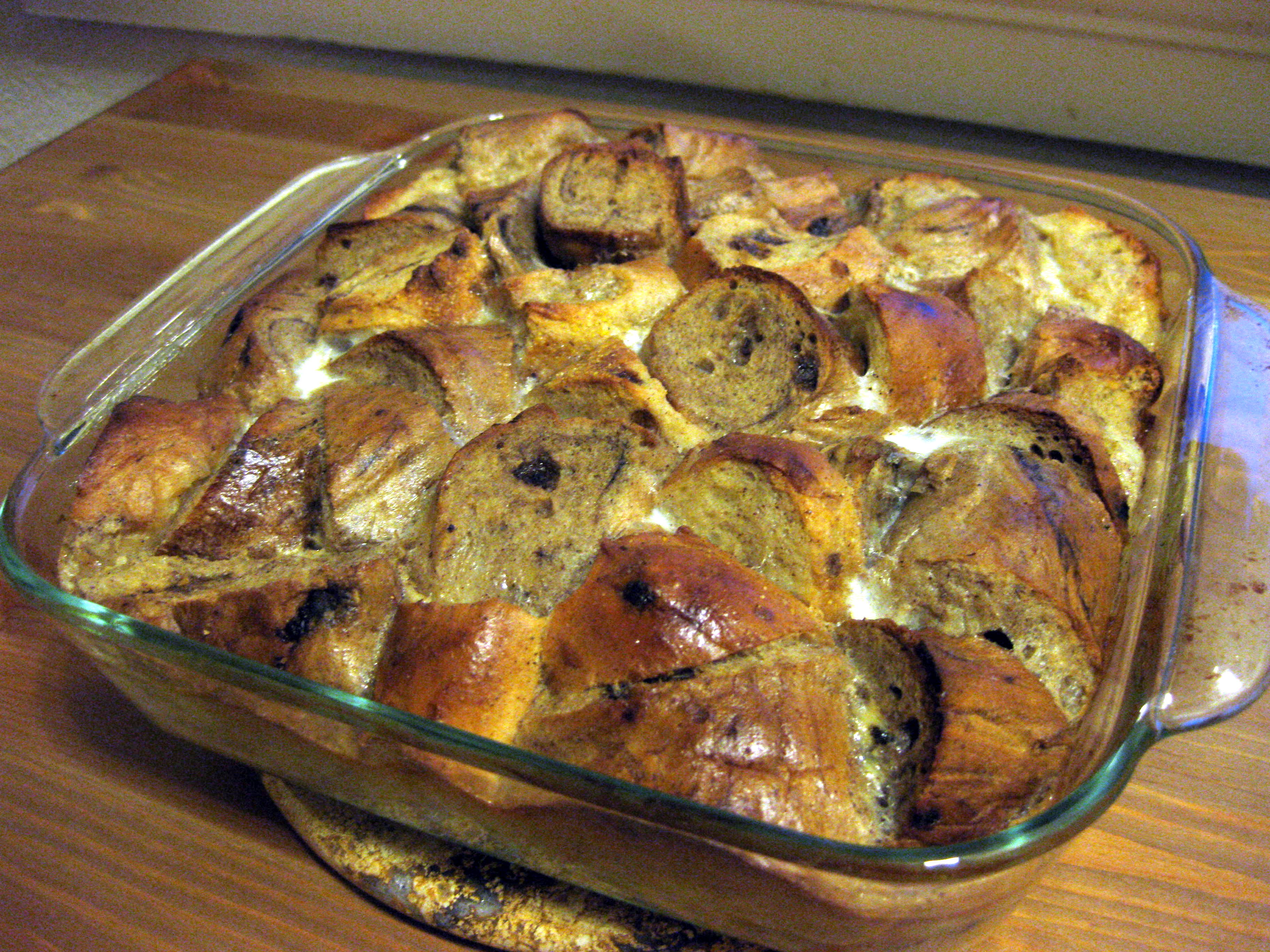
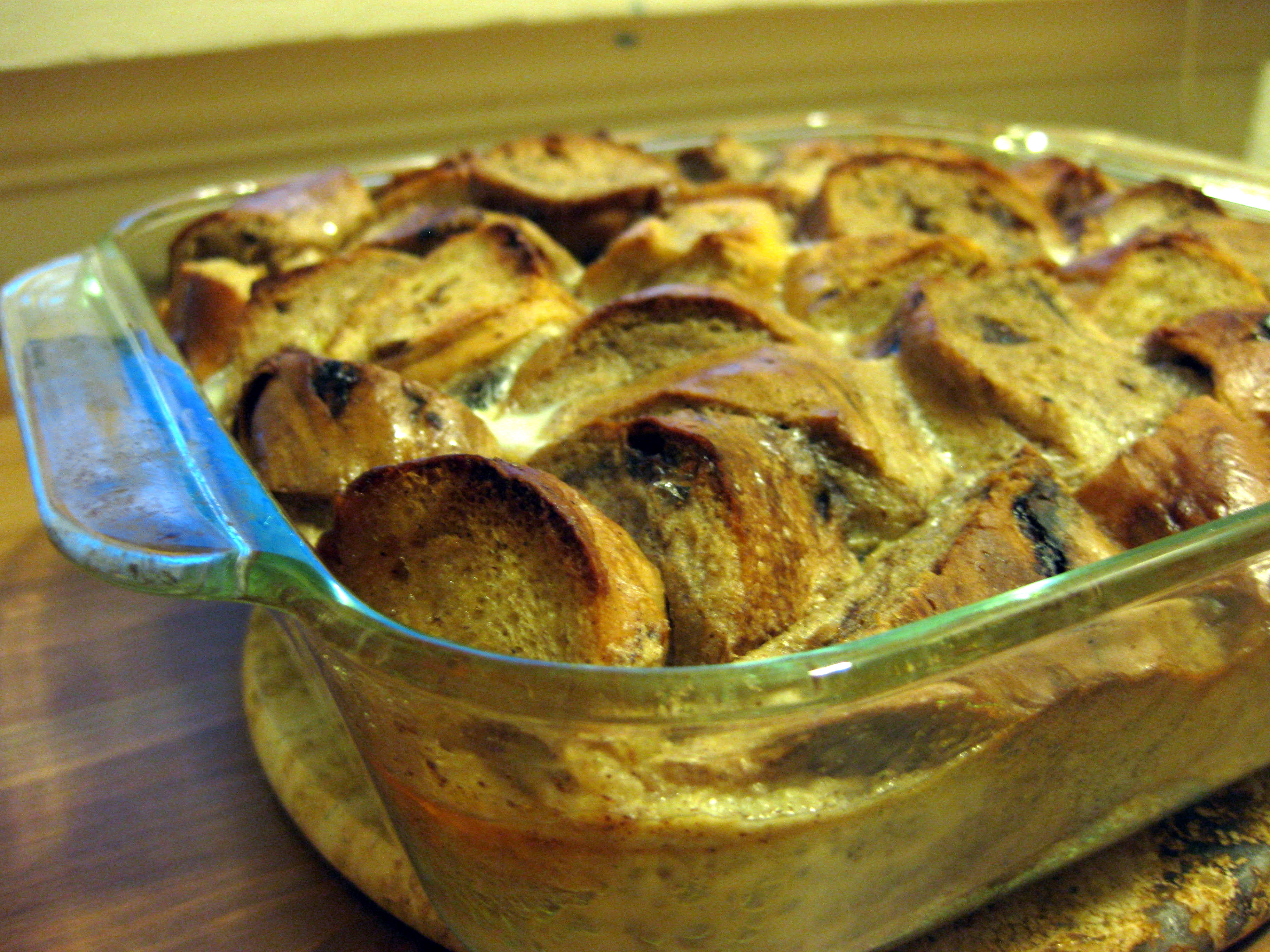
Thanks to the cinnamon, the pumpkin pie spice, and the rum, after about twenty minutes our house filled with that holiday-season smell.  You know what I mean.  After 45 minutes, I peeked in the oven and saw that the top pieces, the edges that poked out over the custard, were dark brown and crispy, and when I touched them lightly the whole beautiful pudding jiggled slightly and then sprang back into shape after my touch.  The top had puffed up as the eggs cooked and expanded, and when I took it out of the oven I could hear it hissing and whining softly as air released.

I couldn’t wait very long before digging in… so I did.  Bagels exiled to the back recesses of our freezer will never go to waste again.  The custard was soft and sweet, but the real stars were the bagel chunks.  They had soaked up a lot of liquid and had the consistency of very firm, chewy French toast.  They were moist and soft but still had pleasing texture, and I could have eaten the whole casserole dishful right there in the kitchen, leaning over our petite table.  But I resisted.  Because I wanted some for breakfast this morning too…

In which I attempt an Extravagant Apology

With all resolutions already broken (is lasting until April/May admirable or shameful?) and all high-flying expectations for weekly updates dashed (how does Pioneer Woman do it?), all I can do is shamefully offer you a guilt, chocolate, and liqueur laced update.

More than twenty years ago, my mom acquired this cookbook.   Simple, humble, kid-friendly instructions (“stir real hard”), bright pictures of anthropomorphized food, and one recipe for each letter of the alphabet.  This was a cookbook intended to get kids into the kitchen with their parents.  This was a cookbook intended to make kids interested in cooking.  We tried out a few of the recipes, and my dad even became an expert in P: Pocket Pizzas, but then we got stuck on the X page and never looked back.

X is for eXtra Special Chocolate Celebration Cake.

This cake is good.  I mean, this cake is GOOOOOD.  Since finding it, with very few exceptions, this has been the cake my family makes for every birthday, every celebration, every party.  I’ve made it for Academy Awards parties, I’ve made it for my husband, my mom and I made it for my Rehearsal Dinner, and most recently I made a gluten-free, Ph-Ph version.  But then our friend S. invited us over for dinner, and through luck of the draw we were assigned to bring dessert.  I asked N. what I should bring, and he said “chocolate cake.”  I said, “well, the dinner is sort of Italian themed.”  N. said “chocolate cake.”  I told him that wasn’t really Italian, and he said “that’s their fault, isn’t it?!”  This was not a question, it was a proclamation.  I resigned myself to making chocolate cake.  It’s not that I don’t like it (in fact I love it; see list of occasions above!), it’s just that I’ve made it so many times, and it’s so easy, and it always comes out perfect, and I guess I was looking for a challenge.

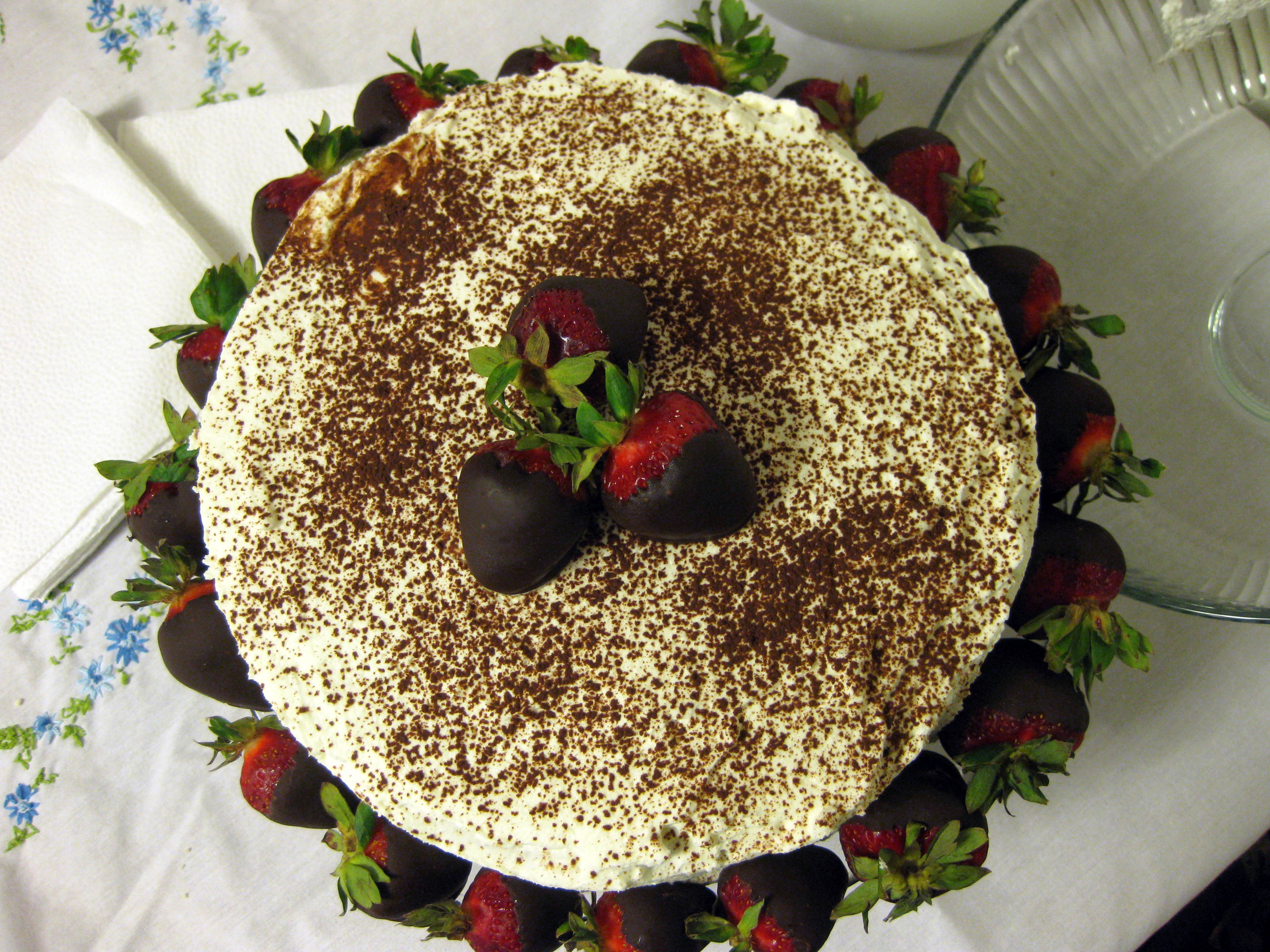
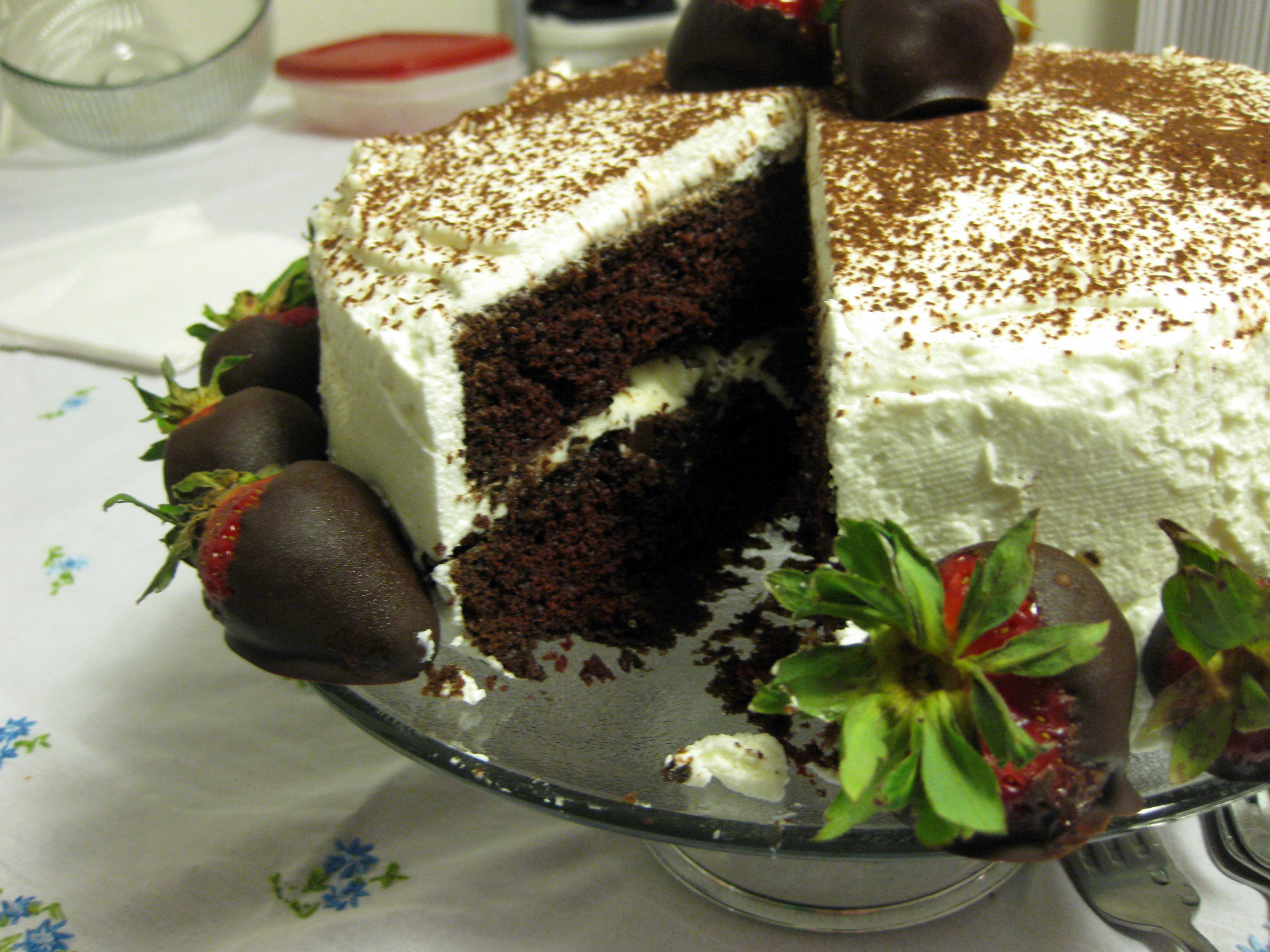
Then I had a revelation.  I adore tiramisu.  N. wanted chocolate cake.  Why not blasphemously, worshipfully, impossibly, combine the two?  Chocolate tiramisu cake surrounded (just for fun) by chocolate-covered strawberries.  Yes. 

Here’s the basic recipe, and below are my additions:

3 cups flour

2 cups sugar

½ cup unsweetened cocoa powder

2 tsp baking soda

1 tsp salt

2/3 cup vegetable oil

2 tsp white vinegar

1 tsp vanilla

2 cups cold water

Preheat the oven to 350F, grease and flour 2 9-inch round cake pans (I use cocoa powder instead of flour, which doesn’t leave white residue on the outside of this dark brown cake).

In a large bowl, combine the dry ingredients well, whisking or stirring until it looks a little pink from the cocoa powder.

In a small bowl (I just use my 2-cup glass measuring cup), combine the oil, vinegar, and vanilla.

Add the oil mixture and the water to the dry ingredients.  As the Alpha-Bakery cookbook advises, “stir real hard” for 2 minutes or so.  The cocoa sometimes clumps up, and you want a smooth, lump-less batter.

When batter is smooth, dark, richly delicious, pour even amounts into the two pans, tapping the bottoms gently on the counter once they are full to pop little air bubbles.  Then enclose them in the oven for about 35 minutes, or until a tester comes out just clean.  The tops will be springy and moist, and I have found that just the barest crumb clinging to the tester is fine, as they continue to cook while you let them cool for at least twenty minutes in their pans.

Here are my additions:

When the cakes were cool enough to liberate, breakage free, from the pans, I turned them upside down on my cooling rack and drizzled Kahlua onto the spongy, porous bottoms until it pooled a little rather than being instantly drunk in.  I continued to do this at intervals while the cakes cooled completely.  I probably used at least a ¼ cup all together.

While the drunken cakes continued to cool, I washed and dried a dozen or so strawberries and started some semi-sweet chocolate squares melting in a glass bowl over barely simmering water, which I robed the strawberries in.

My trusty stand mixer stood ready to receive:

an 8-oz. container of mascarpone cheese,

¼ cup of sugar,

a few tablespoons of amaretto

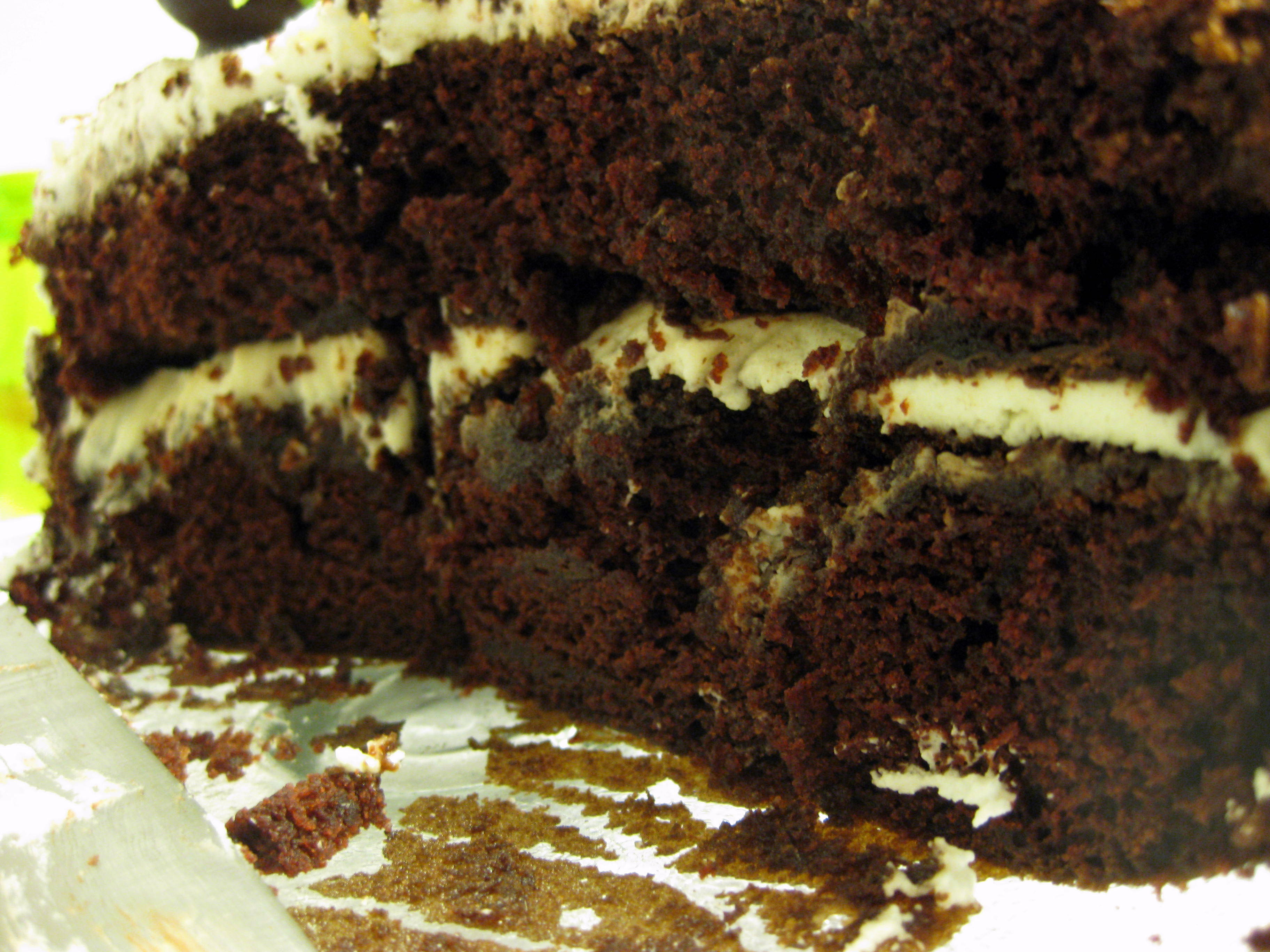
I whipped these into a light, creamy frosting.  I tasted some and swooned just a little.  With the bottom layer of cake gently centered on my cake stand (with parchment paper lining the edges, of course, to keep the stand clean while I iced the cake), I spread about ¾ of the cheese mixture on the bottom cake layer.  Since there was a little bit of chocolate left in my makeshift double boiler, even after receiving and coating all of the strawberries, I waited for it to cool off just a little, then drizzled it on top of the cheese filling layer, figuring a little extra chocolate wouldn’t hurt.  Then I added a pint of heavy whipping cream, a little more sugar, and a little more amaretto to my stand mixer and started it whipping while I carefully positioned the top cake layer atop the mascarpone and chocolate.

I iced the whole thing, top and sides, with light clouds of almond scented cream.  I probably added an inch of frosting atop and on all sides, then sifted a few teaspoons of cocoa powder around the top of the cake.

N. and I agreed (as did S. and her other guests) that this was the best incarnation of this cake I had ever made.  The Kahlua added the coffee flavor and liqueur touch that tiramisu seems to require, but it didn’t overwhelm the cake with sweetness.  One of the best things about this cake is that it has solid cocoa flavor without being tooth-tinglingly sweet.  The Kahlua was a buzz-suggesting addition and kept the already moist layers almost fragile-tender. 

The chocolate in the middle hardened as it cooled and made a crunchy layer on top of the creamy cheese.  The amaretto lent aroma and a warmth that was almost flavor to the whipped cream, and the mascarpone made it creamier without weighing it down.  We ate large, thick slices, tempering the richness with the fresh sweet punch of chocolate-covered strawberries, letting the juice trickle onto the whipped cream and add yet another dimension of flavor.

I have never been so glad to take home half a cake at the end of a party.

Breakfast for Dinner

I have a curious relationship with breakfast food.  The heavy kind, the kind you get from a diner or a good bed-and-breakfast or a hotel, doesn’t sit well with me in the morning.  It’s too much, it weighs me down.  But it’s food I love.  Potatoes, eggs, bacon, quiche, pancakes, cinnamon rolls… the list goes on.  So I take full advantage of every opportunity I get to eat this kind of food later in the day.

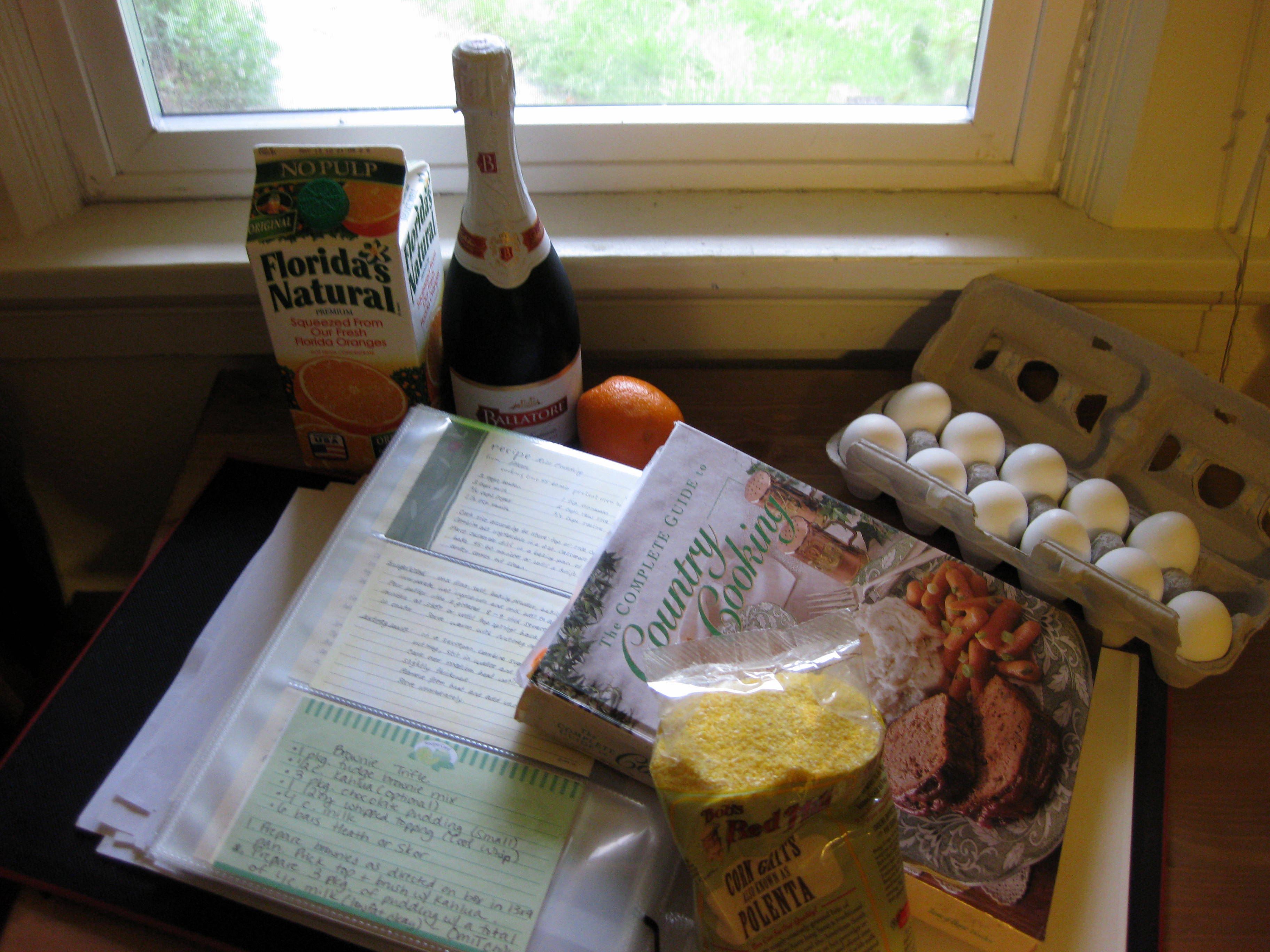
Enter Friday, April 2nd:  for the third year running, N. and I are hosting a Breakfast for Dinner potluck.  We try to host one party per term, usually with some loose theme, and I think this one is my favorite.  My mouth is already watering at the possibilities.

Here’s a preview of my own menu for the evening: 

Ph-Ph rice pudding

Jalapeno cheese grits casserole

Cranberry donuts

Deviled eggs

Spiked hot apple cider

Mimosas

Yum.