Thanksgiving veg 2010

My family always argues over a Thanksgiving vegetable dish.  My dad doesn’t like the classic green bean casserole made with Cream of Mushroom Soup and crispy fried onion ring crumbles.  He can’t get past the condensed soup flavor.  When I asked him last year what vegetable I should make instead, he suggested lima beans.  We made green bean casserole anyway.

One year my Mom and I tried making this dish from scratch.  We figured, fresh green beans lightly steamed, thick chunks of mushrooms, a silky white sauce, and what could be better?  That was the year I determined that part of what I like so much about the classic green bean casserole is… the taste of processed condensed soup.  I can’t help it.  I love the savory, umami saltiness of it, and the homemade substitute was just not an acceptable replacement for me.

One year at Thanksgiving with some family friends, they brought a big salad to supplement our carbohydrate-rich, overloaded plates.  The bowl was passed around the table.  No one took any salad except L, who had made it in the first place.  When she protested, her husband uttered the truest words anyone has ever spoken: “Thanksgiving is not about lettuce.”  So salad, too, failed the test.

Now that October is over, the challenge again rears its head: which vegetables can I dress up to complement the comforting classics we always serve?  While N. was gone at a conference recently, I fiddled around with some trial dishes and voila, Thanksgiving Veg 2010 was born: creamed spinach and artichoke bake.  It’s the comfort and familiarity of creamed spinach, with the flavors and reminiscence of spinach artichoke dip.  Perfection, no?

Here’s what you need:

4 TB butter

4 cloves garlic, crushed and minced

1 – 2 leeks, white and pale green parts only, chopped fine

4 TB flour

Generous grating of fresh nutmeg

2 cups milk or cream

4 oz. cream cheese

At least 10 oz. spinach (that’s the amount in one frozen box, but I used fresh because I prefer it)

16 oz. can of artichoke hearts in water, drained and quartered

Salt and pepper to taste

Topping:

2 TB butter

½ cup or more of Panko bread crumbs

2-3 TB parmesan cheese, grated

Melt the butter in a large skillet over medium heat.  When it is nearly all melted, add the garlic and sauté for just a minute or two, until the aroma is enticing.  Add the leeks and sauté until they are softened.  Leeks are a new love of mine.  They are the least aggressively flavored members of the onion family, and I think they taste like a cross between a sweet onion and garlic.  They don’t have that astringency onions sometimes do, and I think they are like a stalk of springtime.  I’ve started putting them in frittatas, and when I had one left over on the night I made this little concoction, it seemed like the perfect thing to add in.

When the leeks are tender but not browned, add the flour and nutmeg.  Add some pepper too, if you like.  Stir in until well incorporated with no huge floury lumps, and cook for a minute or two until the flour is pale golden in color.  Then add the milk, slowly, whisking the entire time.  I added it in installments of probably half a cup each, stirring until the milk was fully integrated into the flour mixture.  I found this helped avoid lumps, making a smoother base overall.  Add the cream cheese and mix in.  Whisking fairly constantly, let the milk come to a boil.  It will thicken as it heats.

When the milk is quite thick, add the spinach and artichoke hearts.  The spinach will wilt quickly, and as soon as it is looking soft, kill the heat.  Since this is going to bake for a while, you don’t want to overcook the spinach because it will lose its beautiful color and begin to look muddy.

Salt and pepper to taste.  You could stop here and eat this whole delectable mess right out of the skillet, but I wasn’t ready to quit yet.  After all, it takes my dad about half an hour to carve a turkey, so the oven is (mostly) free.  Why not take advantage of that?

With your oven at a preheated 350F, carefully dump the spinach and artichoke mixture into a baking dish (I used a glass nine-inch pie pan).  Set it aside for a moment while you make the topping.

Mix together the Panko bread crumbs and parmesan cheese with the softened butter.  Drop the buttery crumbs in little clumps all over the top of the spinach and artichoke mixture.  If you don’t get the vegetables completely covered, that’s okay.  In fact, it’s good, because it means any exposed edges of leeks or artichokes will get a little toasty and golden.  More texture = more exciting to eat!

Bake the whole thing for about half an hour at 350F, or until the crumbs on top are browned and the sauce is bubbling at the edges.  Remove and consume.

What I liked about this dish was… well, innumerable.  But the basics: I love creamed spinach, and this was a more extravagant, luxurious take on it.  I also love spinach dip, and this reminded me of it, but without the excessive mayonnaise, the MSG-laced spice mixture, or the pounds of parmesan that go into a hot artichoke version.  The bread crumbs on top were a welcome textural element, especially for a Thanksgiving table, where stuffing, mashed potato, and even the tender juicy turkey, all lack an essential crunchiness.  Not that you would want your mashed potatoes to be crunchy, but it is a sensation for your mouth often missing from this meal.

I told my mom about this dish when I spoke to her on the phone this weekend, and before I could finish explaining what it was, she had already confirmed that this, indeed, would be our Thanksgiving vegetal offering.  Challenge met, and challenge exceeded!  Now I just have to wait for the end of November…

Heralding Fall

A few weeks ago, N. and I took some friends to Agate Alley bistro, and one of them ordered the Pumpkin Enchiladas.  I was intrigued.  I took a mental note: these would soon appear in my humble little kitchen.

Then summer came to a close.  School started.  And that means I went crazy.  This is my first year dissertating, which means I need to stop playing on the internet and start playing with ideas.  And so the pumpkin enchiladas, and my ability to post here, went on hold.

But Tuesday night, magic happened.  In celebration, perhaps, of the second day of the second week of my second-to-last year as a graduate student (fingers majorly crossed, folks!), I decided to take a few hours with my nose out of books.  And they were pretty incredible (the hours off AND the results).  With my own twists and considerations about ingredients, I put together:

Pumpkin, Roasted Garlic, and Goat Cheese Enchiladas in quick mole sauce.

Enough people have asked me for my recipe (hah!) that I’m going to post in a more traditional ingredient-and-process list format, to make it easier to follow.  This is approximate, however, so tweak and twiddle as you so desire.  I ended up making 5 enchiladas.

Ingredients:

1 whole head garlic, split horizontally

1 – 2 shallots, sliced thin

corn tortillas

1/2- 1 cup pure pumpkin puree

crumbled goat cheese

crumbled queso fresco cheese

handful of pumpkin seeds

Quick Mole Sauce, or your favorite mole, ready to go at the time of assembly.

(I know, this is not a “homemade” mole sauce, and it doesn’t taste exactly the same.  But it’s a good shortcut, I think, and let’s face it: if you want to make these enchiladas to enjoy on a weeknight, most of you aren’t going to take the time to make a mole from scratch.  I’m not ashamed.  I added extra unsweetened chocolate to this recipe, but otherwise kept it mostly the same).

  • Preheat your oven to 400F.  Place the garlic halves in a small dish, drizzle with oil, salt and pepper, and cover tightly with aluminum foil (or just wrap loosely in foil).  Roast in the oven for about an hour, or until cloves are very soft and very golden.  Burnished but not burnt.  Cool, then squeeze the cloves out of the papers and mash them into a paste.  During this time, you can take advantage of the oven being on to roast your pumpkin seeds.  They will only take 5-10 minutes, though, so don’t lose track of them or they will burn.
  • Caramelize shallot slices in a skillet.  They should be dark, dark, like French Onion Soup onions.  Set aside to cool.
  • Turn oven down to 350F. Spread the bottom of a baking dish (I used glass) with mole sauce.
  • Prepare and assemble enchiladas: working with one tortilla at a time, spread the tortilla with the garlic paste, then top with 2-3 TB each pumpkin puree, goat cheese, and shallots (or to taste). Carefully roll up the tortilla and fit it, loose edge down, into the baking dish, pressing each enchilada tightly against its compatriots.
  • Top enchiladas with a thick, even layer of mole sauce.  Sprinkle with goat cheese and queso fresco crumbles to your liking.  I say the more, the better when it comes to cheese, but that’s just me…
  • Bake for 30 minutes, or until the cheese is soft and the sauce is bubbly.  Queso fresco and goat cheese, depending on which types you use, don’t melt and burble the way other cheeses do, but they will soften and collapse on themselves a bit.
  • To serve, sprinkle with toasted pumpkin seeds and enjoy with spicy refried black beans, Spanish rice, guacamole, or whatever you so desire!

I was a bit concerned, at first, that the mole would overpower any other flavor, but it didn’t.  This dish executed an intriguing and intricate dance between dinner and dessert.  Ingredients that often appear in sweet circumstances remained decidedly savory.  The pumpkin and the goat cheese were so creamy and rich, like a harvest cheesecake enfolded in a tortilla.  I could have used more roasted garlic paste, but there’s always next time.  The chocolate in the mole, too, holds the expectation of sweetness but none of the sugary suggestion of a dessert.  Instead it provided a perfect bite of creamy-spicy-chewy-oozing-warmth, with an almost unexpected nutty crunch from the pumpkin seeds.

Also good were last scrapings and bites of loose cheese crumbles, sticky caramelized mole sauce in the bottom of the baking dish, and a last, perfect, creamy green square of avocado.

Dark beer, perhaps even a chocolate stout, would be a lovely accompaniment.

Cheese and macaroni

I pride myself a bit on escaping from some of the pressures and temptations of processed food. I like to cook, I like homemade food, and I like when my shelves are full of whole ingredients and natural products and grains and all that snobby stuff. If I can (relatively) easily make it from scratch, I try not to buy it premade.

But there are always exceptions, and sometimes they are the very worst kind. You see, most of my life I have hated all but one variety of macaroni and cheese. My mom’s elbow noodles in cheesy bechamel with bread crumbs on top? Can’t stand it. The crunchy baked roasting hot steaming vessel-o-mac from Cornucopia, one of our go-tos? Merely tolerable. But that kind that comes in a blue box? That kind with the chewy, rubbery noodles and toxic neon orange powdery “cheese”? Oh god, I love it. I wait till it’s 10 for $10 at the grocery store and stock up. Sometimes I peek into the back of my cupboard just to check that I have a box or two stockpiled there. I’m not ashamed.

And yet… and yet I always feel like I’m missing something. There must be an element of worth to homemade mac and cheese. People love it! Our friend X is practically a connoisseur. I finally decided I, not the mac, must be the problem. I love pasta with cheese on it, I love fettuccine alfredo, so where, I asked myself, did the problem arise?

In the sauce.

The closest I’ve come to enjoying a bowl of homemade, baked macaroni was a version in which the sauce was made of (as near as I could tell) two things: butter and cheese. It’s the white sauce I apparently take issue with. Thick and creamy but bland, with all the graininess of melted cheese but only 50% of the flavor. Ever notice how a chocolate milkshake has only the palest color and flavor of chocolate compared to a big scoop of rich, fudgy ice cream? Cheese sauce seems to do the same thing to cheese.

So the natural solution seemed to me to tinker around in my kitchen, producing numerous casseroles of ever increasing cheesiness, until I found a ratio I (gasp!) actually enjoyed. Perversely, however, given my strange penchant of creating and serving new food to friends and family without testing it first, I decided to make macaroni and cheese for my in-laws during our visit to their home.

I don’t know what made me think of it. I don’t know what made me decide it was a good idea. But suddenly, there I was in the tiny grocery store in their little town in the Sierra Nevada foothills, buying cheese and elbow noodles and Panko breadcrumbs. Baby, I was makin’ mac’n’cheese.

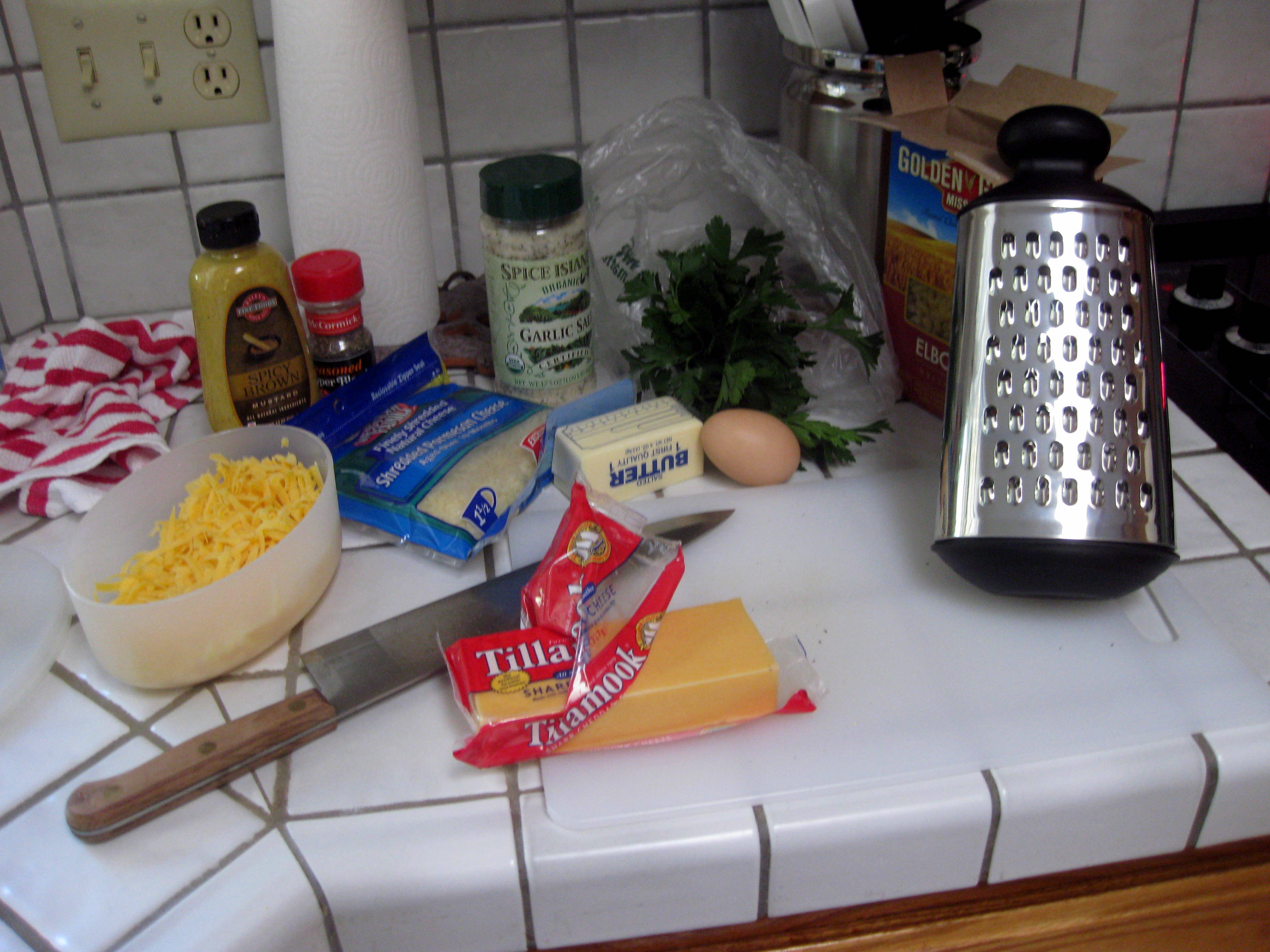
I must admit to borrowing a bit from Pioneer Woman’s recipe, but I made a few alterations of my own. Here’s the rundown of ingredients, some approximated:

1 pound elbow noodles (1 16oz. box)

¼ cup butter (½ a stick)

¼ cup flour

2 tsp spicy brown mustard

2 cups milk, room temperature

1 egg, beaten, room temperature

garlic salt

black pepper

3-4 cups cheese? I used an 8oz. block of sharp cheddar, 2 generous handfuls of parmesan, and some already grated leftover medium cheddar stowed in the fridge.

¼ cup chopped fresh parsley

Topping:

2 TB butter

½ cup Panko breadcrumbs

2 TB parmesan

2-3 TB sharp cheddar

  • Cook the noodles in boiling water until almost done. They should still be a little underdone on the inside, because they are going to continue to cook when we bake them. Drain well and set them aside until we call for them.
  • Melt the butter in a large pot or pan over medium to medium-high heat. As it melts, add the flour and stir in, making a smooth golden paste. This is a roux.
  • After letting the roux cook for a minute or two, watching it carefully and stirring frequently so it doesn’t burn, add the mustard. As Pioneer Woman said, this adds a really nice but not recognizable tang to the finished dish.
  • Begin adding the milk gradually. I probably added in three or four additions. Stir or whisk well after each addition of milk, until the mixture is smooth and does not have big lumps of flour. When all the milk is added, let it cook, stirring occasionally, for about five minutes until it starts to emit heavy reluctant bubbles and becomes quite thick and rich. Turn the heat down to low. This is a bechamel, or basic white sauce.
  • Slowly, stirring constantly, add about ¼ cup of the bechamel to the beaten egg. This is tempering, which starts the egg cooking slowly so it mixes in smoothly in liquid form. If you just tipped the egg into the sauce hot on the stovetop, it would scramble and leave little eggy bits in your smooth wonderful mixture. After tempering, add the egg and sauce mixture, now warmed and safe, back into the bechamel. Season to taste. I used garlic salt and seasoned pepper, because that’s what I found in my mother in-law’s spice cupboard.
  • Add the cheese in handfuls, stirring until each addition is melted before adding the next. This way your sauce doesn’t get overwhelmed with clumps of cheese, and if you decide it is cheesy enough without the whole amount, you can stop where you like. I wanted it to start to get stringy and clingy, as the cheese overwhelms the milk completely.
  • Add the parsley and the cooked, drained noodles. Stir to combine.
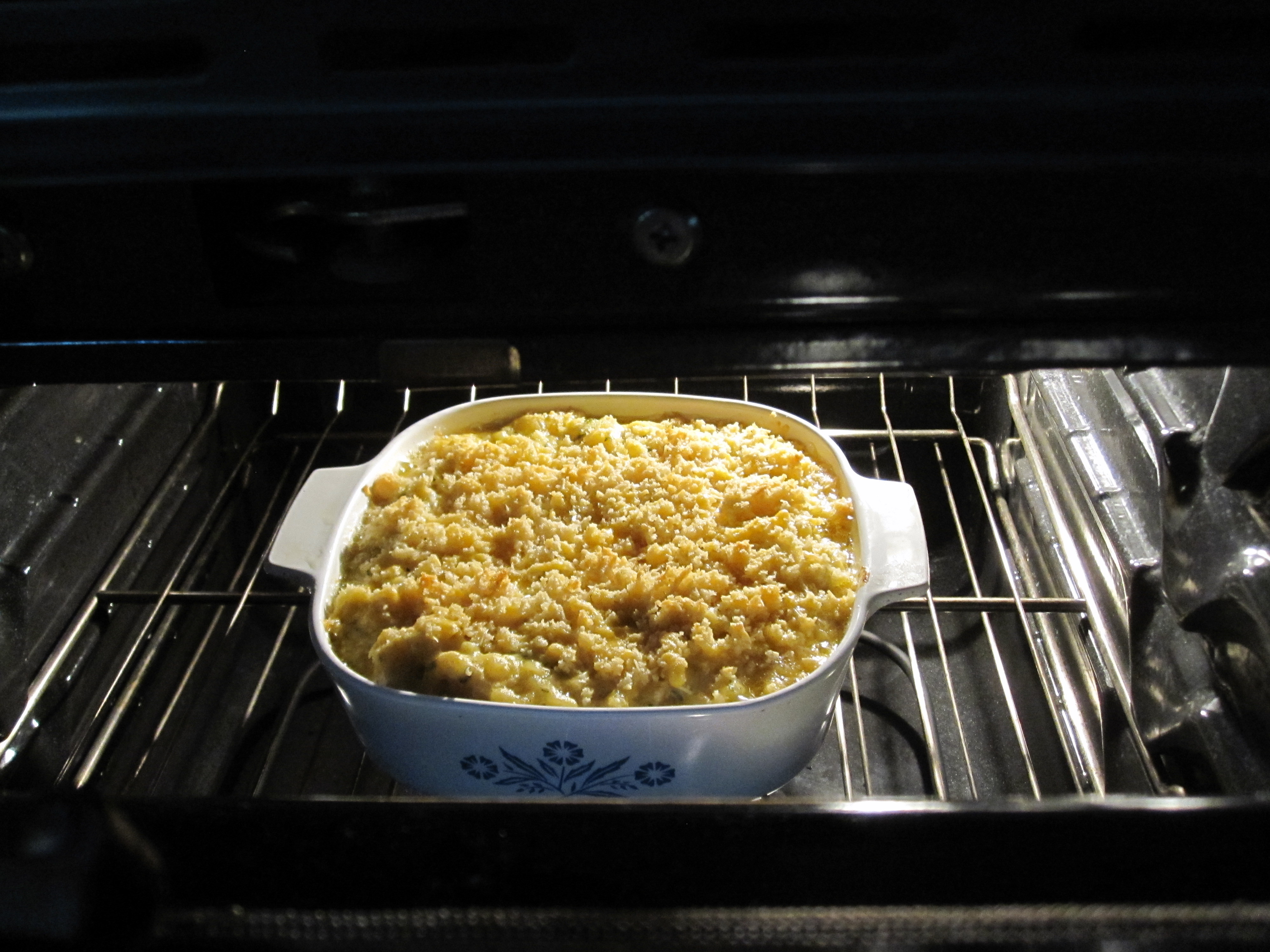
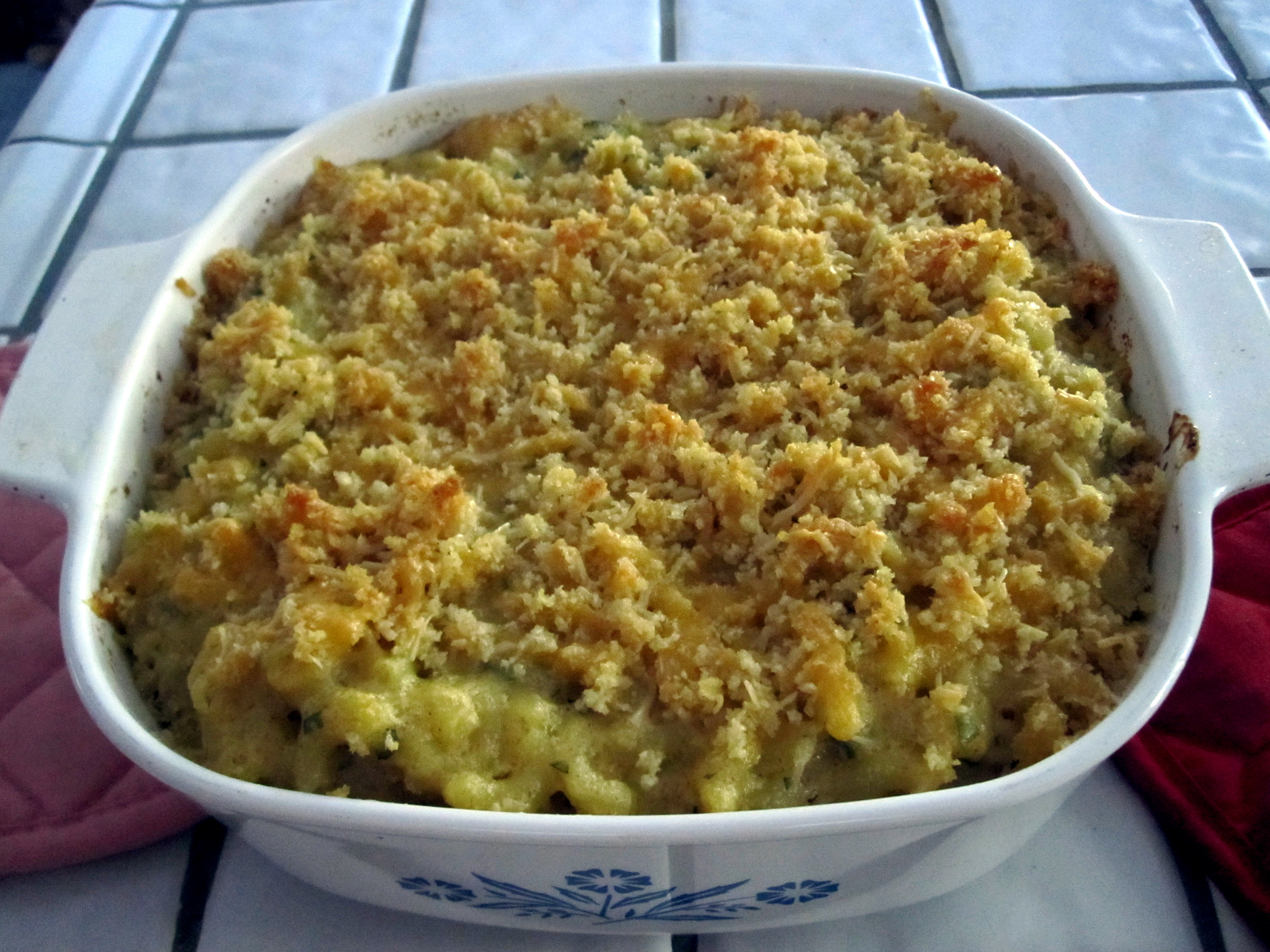
  • Pour the sticky cheesy mixture into a buttered 2 quart casserole dish and load it up with the topping (procedure follows), then bake in a preheated 350F oven for about 30 minutes, or until the edges are bubbling up from the bottom and the topping has become relentlessly golden and crisp. Eat.

To make the topping,

  • Pinch about two TB of butter into pieces in a bowl.
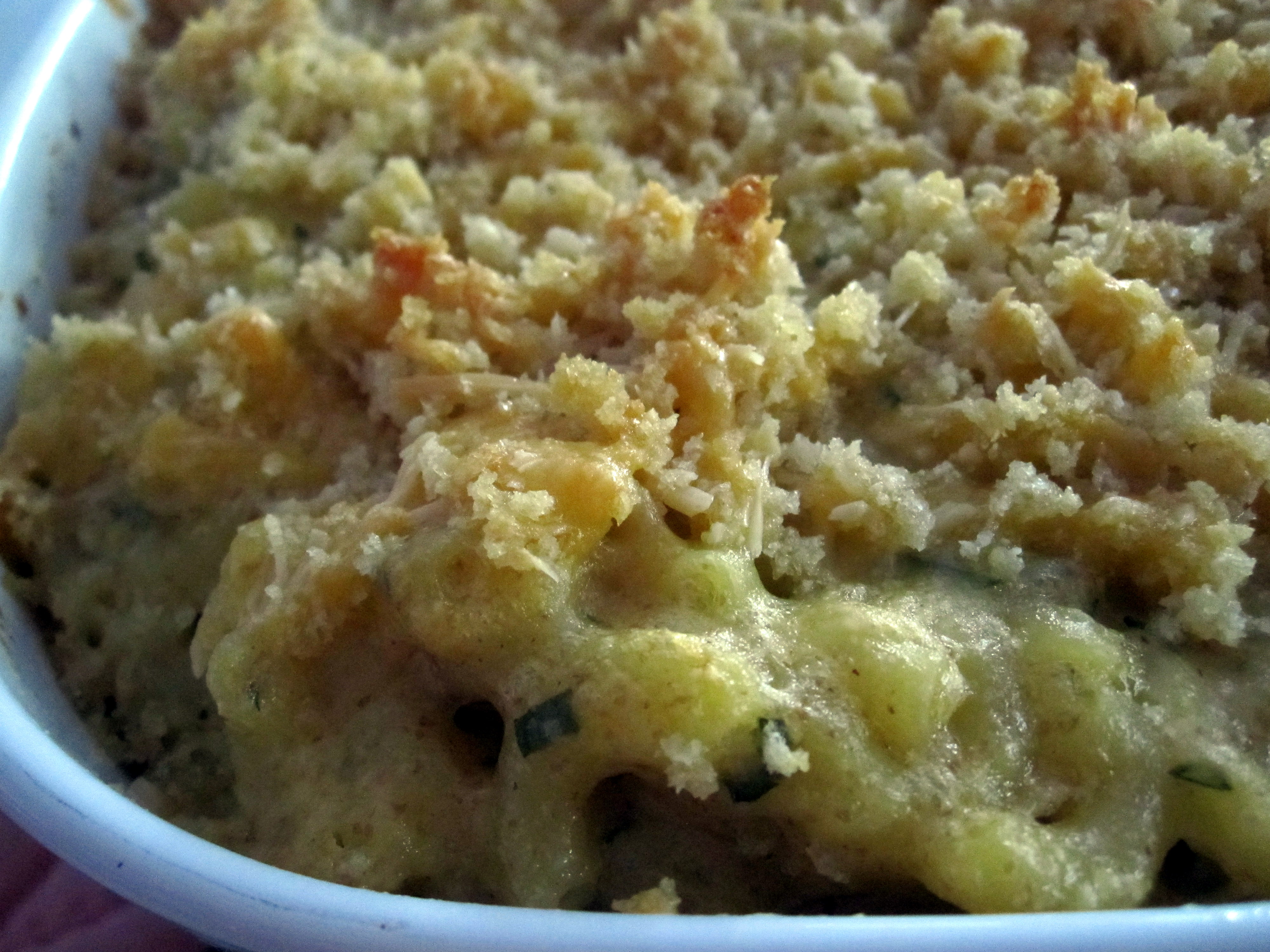
  • Add the bread crumbs, parmesan, and cheddar and mix together as you would a streusel for a crisp. You want small chunky pieces, and you want the cheeses and crumbs to be evenly distributed. This makes a lot for a casserole dish of macaroni, but N. really loves a crunchy topping so I always add a little more than, perhaps, the average person would. Adjust to your tastes.

When the topping was taking on a burnished shade and the combination of butter from the sides of the dish and cheese from the sauce was boiling and bursting up around the sides, I liberated our dinner from the oven and we dug into it anxiously, dropping large spoonfuls onto our plates. The noodles had soaked up a lot of the bechamel during their stint in the oven, leaving the decadent suggestion of creaminess but the overwhelming assault of cheesy flavor holding them together. The topping was the perfect combination of sizzling salty crunchy sharpness and, served beside steamed broccoli and whole wheat focaccia, I must admit, I liked it. I went back for seconds. I had it for lunch the next day. Forget macaroni and cheese. Give me, for the rest of time, cheese with macaroni.

Three-Bite Tableau

I like small sized food. I like its charming appearance, its potential for fanciness, and, not least, its ability to fool otherwise intelligent people ((i.e. yours truly) into thinking they can eat extra, because it’s so petite it must be calorically harmless as well.

To qualify, I think this sort of food must be consumable in three bites or less. Ideally this should be possible without a fork, but of course (especially with desserts) there are exceptions to this ideal. At any rate, three-bite foods should be attractive to the eye, enticing to the nose, and should carry far more flavor than seems possible for their small size.

Here are two I’ve constructed recently: one that turned out to be a snack superstar, and one that carries as yet underrealized potential for true greatness

Artichoke Spinach dip cups

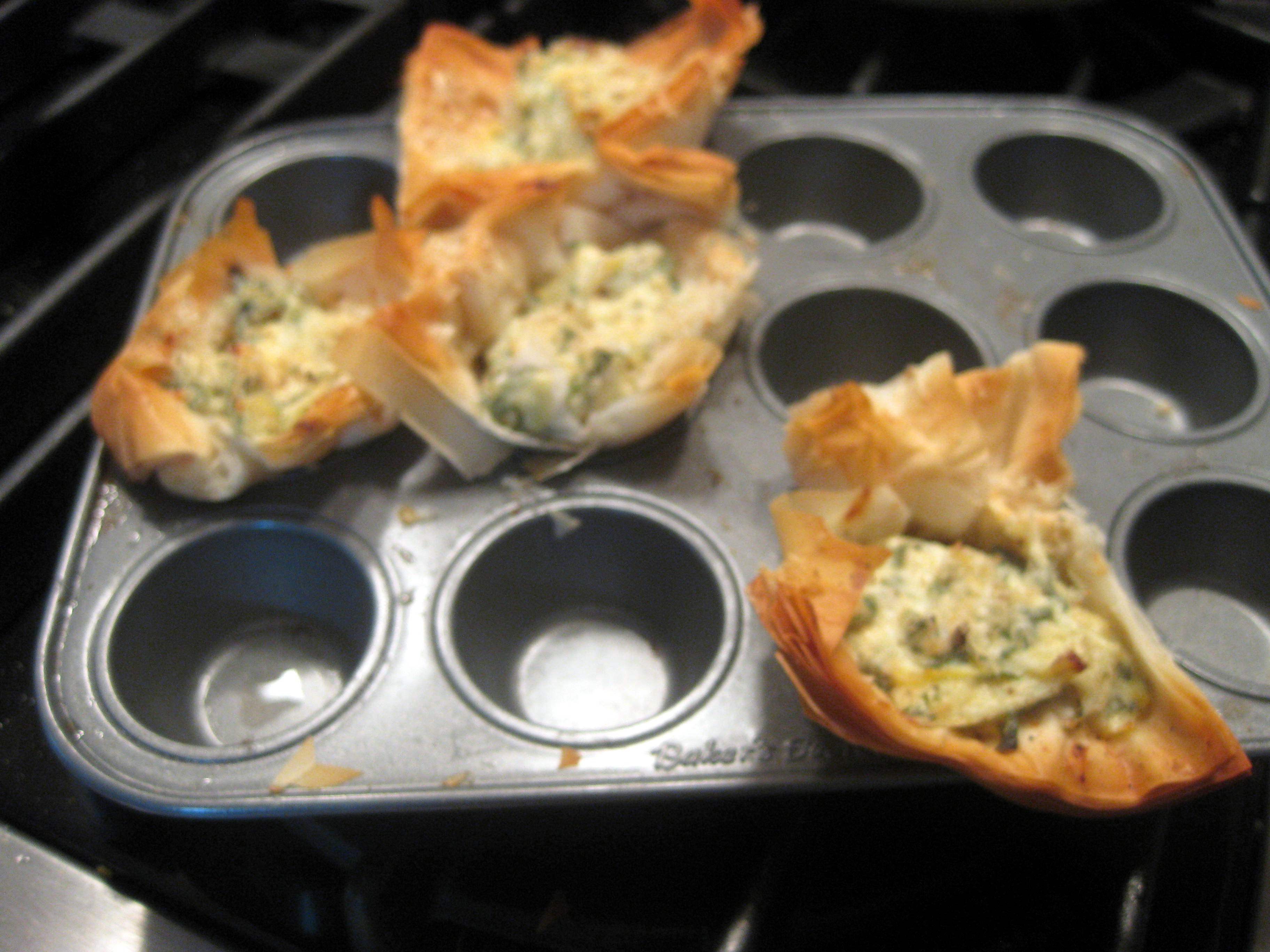
Two of our colleagues and dear friends got married in Long Island recently. As N. and I were both teaching a summer class (and subsisting on graduate student salaries), we were unable to jet-set across the country to attend. But to our delight, G. (the bride) informed us that her father would make a toast to friends and family not physically present. We gathered with some friends, some wine, and some snacks, and at 4:10 pm PST we raised our glasses to G. and T. I brought these little dip cups, bubbling and creamy in brown crisp phyllo shells. This is an adaptation of a recipe for hot artichoke dip that I usually make in a pie plate, but the elegance we were attempting to emulate and the stark truth of half a box of phyllo sheets in my refrigerator made me change my plan. Note that these ingredient amounts are almost all approximations.

In a medium bowl, I mixed:

4-6 oz. cream cheese

½ cup mayonnaise

5 oz. spinach, steamed or boiled, drained, and roughly chopped

1 14 oz. can artichoke hearts in water, drained and roughly chopped

2 TB parmesan cheese, divided

black pepper to taste

After a serious taste test and careful alterations, I set the dip aside and considered my phyllo. I had about 10 sheets, which I swept with butter and layered in the usual way, before cutting into twelve even stacks (3×4). I pressed each stack carefully into a mini muffin tin, letting the edges point out every which way in hopes of creating crisp, crunchy tips, and then loaded the buttery vessels with spoonfuls of dip. I probably used about 2 TB per cup, topped each with a generous extra grating of parmesan cheese, then stowed them in a 400F oven for 20 minutes. Depending on your oven, they are ready when the edges of the phyllo cups are dark golden and fragile, the parmesan cheese atop the dip is beginning to color, and the dip itself is slightly bubbling. Or just when the phyllo is brown, if you are impatient.

We were impatient. How could we not be, when the smell of cooking cheese was filling the kitchen, and the promise of that perfect balance of crispy and creamy whispered how wonderfully it would compliment our champagne?

Crab cakes

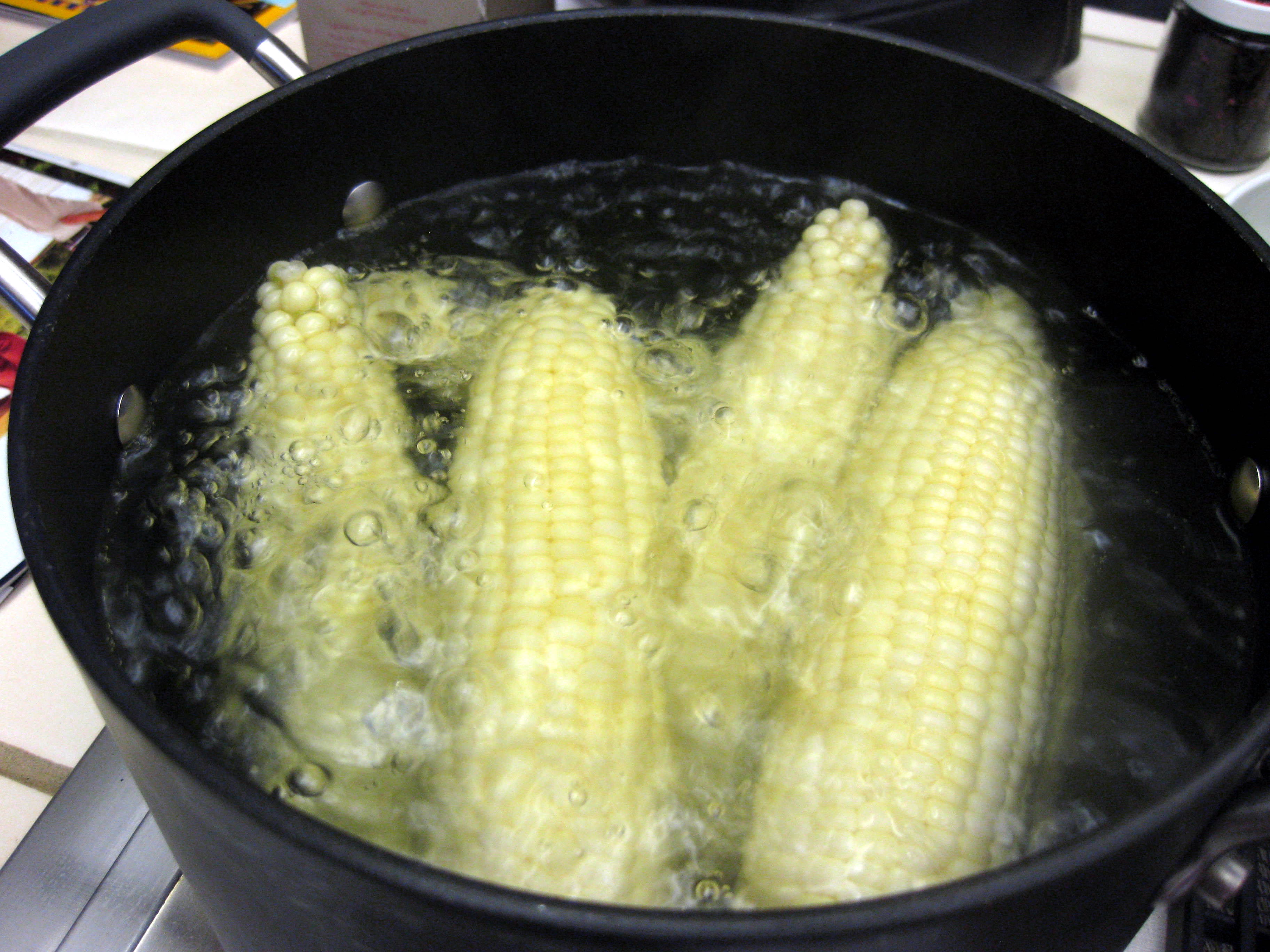
Now visiting family in California for a few weeks before the term begins again, my mom and I have been bonding the way I like best: in the kitchen. Three days ago, we decided to make crab cakes and salmon cakes to go with a half dozen luscious ears of sweet corn.

I like crab cakes, but like pesto, I am still searching for the right ratios in my collection of ingredients. This version, while tasty, is no exception, particularly because while we did look up a recipe, we ended up barely consulting it and, ultimately, not following it at all.

Working delicately in a medium bowl, so as not to break up the crab too much, we mixed:

3 6 oz. cans of crab meat (1 lump, 2 regular if you’re skimpy like us, all lump if you’re really looking to impress)

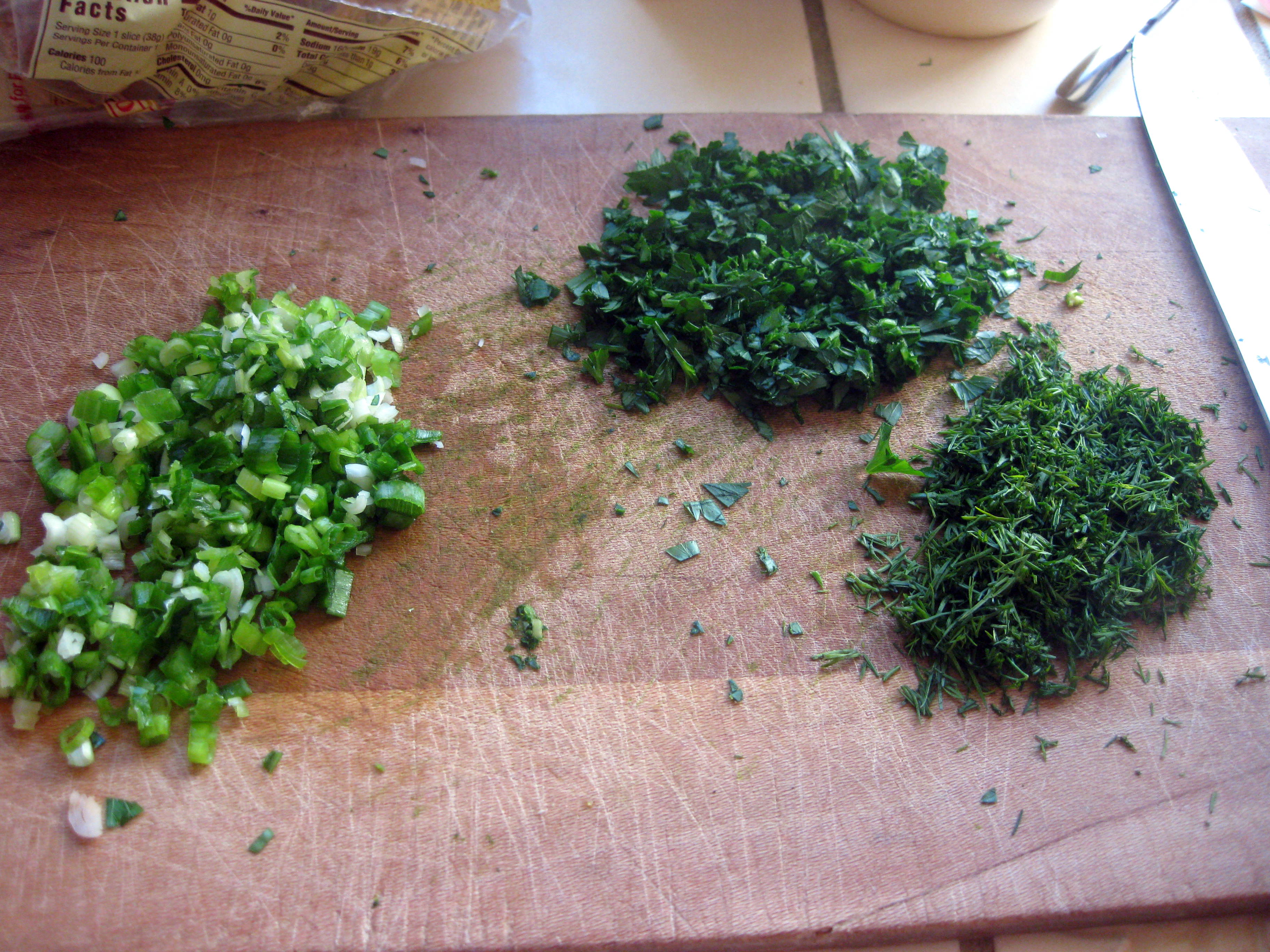
1-2 TB each, or to taste, finely chopped green onions, dill, and flat-leaf parsley

2 TB lemon juice

2 tsp lemon zest

scant 1 cup or less fresh bread crumbs

1 egg, lightly beaten

salt and black pepper, to taste

I recommend adding the egg last, so you can taste and test flavor balances and add extra herbs or lemon before dousing the mixture in raw egg. I also recommend adding the bread crumbs a little at a time, because depending on how you like your crab cakes, a full cup might be too much. Crab has such a sweet delicate flavor that too much bread or too many herbs will hide it completely.

Again, with extreme care, we patted the mixture into five palm-sized cakes, trying to help it hold together without overworking it. We plopped our fragile quintet onto a plate and refrigerated them for about 45 minutes to let the flavors meld and the cakes mesh together more firmly.

While they were chilling, I mixed up a little dipping sauce in the food processor, dropping in:

½ cup mayonnaise

2-3 generous TB strong horseradish

5-6 basil leaves

3 TB flat-leaf parsely

3 garlic cloves

generous squeeze of lemon juice, to taste

When the cakes had thoroughly chilled and our stomachs were rumbling with anticipation, we heated just enough vegetable oil to cover the bottom of a large skillet and carefully patted the cakes with dry bread crumbs, sliding each into the heated oil as soon as it had received its crisp coat. We fried them for 4-5 minutes a side, or until the bread crumb coating had become crunchy and golden. They threatened to collapse into pieces, and two cracked severely down the middle, but with careful coaxing and dextrous spatula work, we managed to keep them together fairly well.

They tasted good. They were light and herbaceous and not eggy at all, but they didn’t scream “crab.” Oh they suggested seafood, but I think we overdid the quantity of bread crumbs, and playing it cheap by adding leg and claw meat might have been a miscalculation. Topped with the horseradish mayonnaise, however, they were delightful. It was creamy and smooth, but the spice hit the back of your tongue just as you swallowed, and lingered for a moment or three.

Three moments of spice, three piles of herbs, three cans of crab. What does it really matter, then, that it took me five bites to finish my cake? At its core, this was a three-bite item. Matching delicate flavor with delicate table manners was my downfall. I should have, as my tongue urged, anxiously cut bigger pieces, urgently indulged, finished the whole little patty in only three tasty bites. Everyone else did.

Jack & Ginger

As by now cannot have escaped your notice, the recipes I post and post about here are not old standards.  They are not tried and true, they are not perfected, sometimes they do not even include measurements.  They are my fun and foibles in the kitchen and my reports about how they turn out.  Thus, when I get excited about a recipe or an experiment; excited enough that I take photos of the ingredients and careful note of the process, and the end result peters out a bit under my wild expectations, I am often struck with perturbation.  To post or not to post?  Usually I decide to share rather than not to share, but there is that lingering question.

The most recent dilemma rests with Thursday night’s dinner.  I was jazzed about this one.  My husband is a chicken and beef (and sometimes salmon) man, and yet he loves pulled pork.  More specifically, he loves Papa’s Soul Food Kitchen’s pulled pork.  With a side of mac and cheese and yams, most often.  But he seriously digs that stuff.  Naturally, then, I was excited to run across a recipe for pulled pork made in the crock pot, and decided to add some of my own alterations and give it a try.  We picked up a beautiful two pound pork butt from Long’s Meat Market, and on Thursday morning I chopped, dropped, plopped, and poured ingredients together in the slow cooker, and left.  Five hours later the house smelled like a BBQ restaurant.  Eight hours later I swear the dog had left drool marks all over the hardwood floors.

It came apart like butter.  It collapsed over itself in the crock pot as I tried to pull it out.  It dripped moisture and smelled like heaven and looked soft and fragrant and luscious.  My salivary glands went into overdrive.

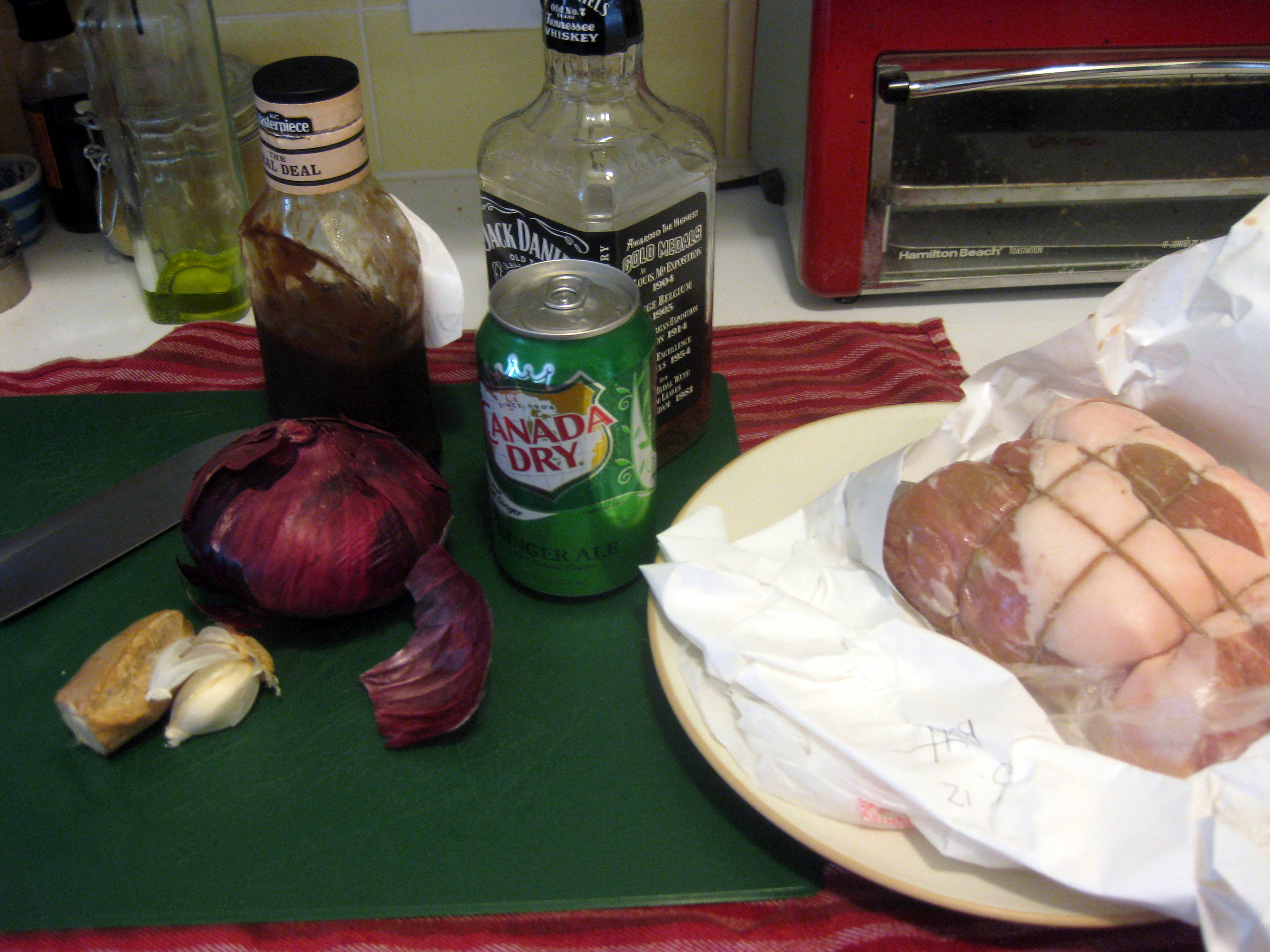
And then we ate it.  And it was… good.  It wasn’t fabulous.  It certainly didn’t rival Papa’s platter.  It was a little watery, a little porky, and it didn’t have that saturation of BBQ sauce that pulled pork ought to have.  So I wondered, after spending all day (well, sort of) on a meal, after arranging the ingredients just so for a foodie fashion shot and thinking of a clever name and even taking mental notes about how much of each component went into that yawning, welcoming whiteness of my slow cooker, and then having it not be stellar, should I still post?

Clearly, the answer is yes.

Here’s how it went down, with thoughts on reparations for next time:

2 lb. Hunk ‘o pork butt

1 big red onion, frenched (cut in half end to end, then sliced into thin angled wedges) 

5-6 roughly chopped cloves of garlic

2-inch hunk of fresh ginger, peeled and roughly chopped

1 cup ginger ale

1-2 shots Jack Daniels or other whiskey

1-2 cups BBQ sauce (any type you like)

Put the onion slices, garlic, and ginger in the bottom of your slow cooker.  Plop the pork butt on top and sprinkle with salt and pepper.  Pour the whiskey, ginger ale, and sauce over the top of the pork.  Cover and cook on low for 8 hours.

At this point, I took the pork out of the slow cooker and used two forks to pull it into loose meaty strands.  Then, because there were potatoes that needed buttermilk, butter, and a good deal of mashing, I plunged my pulled pork back into the liquid that had collected in the bottom of the slow cooker.  This was a mistake.  Instead, I should have emptied the vessel, added an inch or two of BBQ sauce, and mixed in the pork.  It would have stayed drier, it would have collected the flavor of the sauce, and it would have been better prepared to hold together when we slopped it onto burger buns to transport to our eager mouths.

Tasting, we got the rich soupy porkiness of the meat, spice from the sauce, and maybe the barest hint of garlic and ginger.  I don’t know what the whiskey contributed, besides perhaps help in breaking down the muscles of the pork, but it was fun to be able to add it.  Maybe a slight tartness made its way into the meat, but that was all I sensed.

The other thing I missed, which can’t be helped because I used a crock pot, was the crusty crunchy hard edges of the pork that result from barbecue treatment.  The texture of the pulled pork is so lovely, but it is nice to have a bit now and then that puts up some resistance.  I have always thought searing the outsides of a piece of meat before putting it in the slow cooker defeated the purpose of a one-pot, easy meal, but I wonder whether that would help here as well.

So, certainly not a failure, but not the most resounding of success stories either.  Still, I do have that old family BBQ sauce recipe kicking around that I’ve never tried, and homemade sauce draped over luscious piggy goodness couldn’t be anything but an improvement…

Do you have a favorite BBQ sauce recipe?  What makes it special?

Gourmet

On a warm, July day, when a person (and her husband) is unjustly required to spend the shining hours of the afternoon working, teaching, holding office hours, what better treat could there be than to come home and indulge in a little gourmet dinner?

As I’ve divulged previously, I like cannibalizing from restaurant menus.  Usually it’s not the dish I order, but another that was second or third on the list… or just barely missed the final, nervous, rushed decision as the server hovers above me… and I jot down the description on a slip of paper somewhere and try not to lose it in the subsequent weeks.

This time it was that Americanized, fancified Italian food-of-the-common-man: pizza.

Several weeks ago N. and I celebrated Friday by meeting some friends to drinks and dinner.  We’d already eaten, so we swore to each other we would only drink one pint (for him), and one glass of wine (for me).  Then we went to Agate Alley with our friends and ordered a huge, gluttonously greasy, spicy, salty, decadent basket of onion rings.  I ate so many…

While we patted our fingertips on napkins to try and assuage our greasy shame, our friend S. ordered a personal size pizza topped with prosciutto, gorgonzola cheese, brandied figs, and a bright salad of fresh raw arugula, piled high right in the middle.  I had never thought of putting figs on a pizza before, but it seemed so inspired.  Though S. ate hers without the porky delights of prosciutto (one of those vegetarian types, you know), the idea of wafer-thin slices of cured pork-belly lingered in my mind when I recalled the recipe.

So I, so often operating as Dr. Frankenstein in the kitchen, decided a recreation was required.  This pizza would be a hybrid – a loving, daring combination of Agate Alley’s delectable pie and the prosciutto and caramelized onion darling Ree of The Pioneer Woman has developed.  With a hunk of gorgonzola languishing in my cheese drawer, it was just the right thing to do.

Ingredients (mostly approximated):

1 lump pizza dough (I shamelessly bought mine, pre-made, from Trader Joe’s fridge section)

1 medium to large sweet onion

2 TB brown sugar

4-6 oz. prosciutto

5-8 dried figs, sliced

1-2 oz. gorgonzola cheese, crumbled

1 cup (at least!) shredded mozzarella cheese

Big handful of arugula or basil

While my pizza stone heated in the oven, I caramelized my onions per the Pioneer Woman’s directions.  Then, while I prepped all my other ingredients (grating cheese, slicing figs, playing with the dough), I forgot about the onions for a little bit too long and the brown sugar started to burn.  But I decided to just call that “extra-caramelized” and be happy with it.

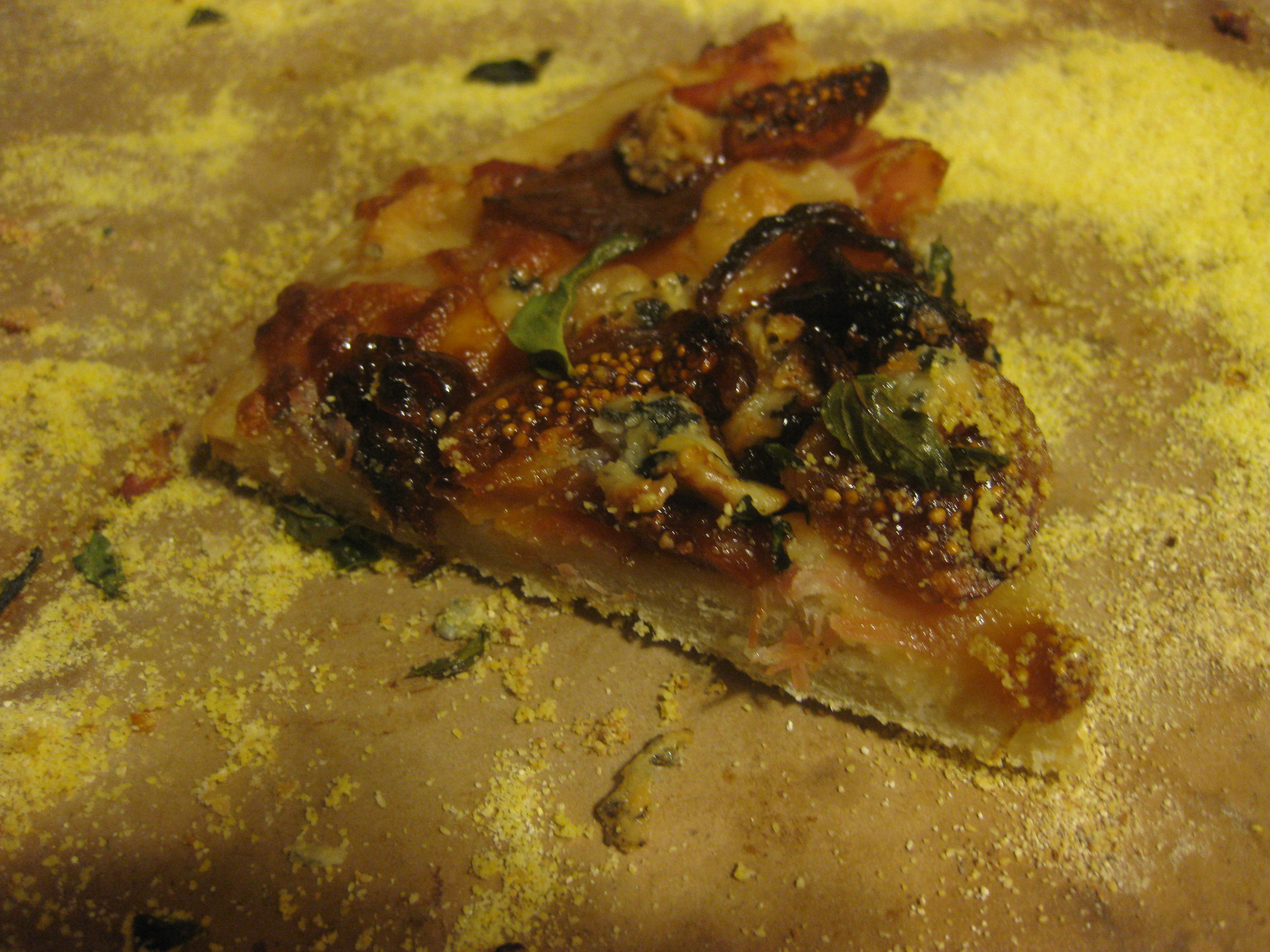
With the dough stretched, plunked onto the hot, cornmeal sprinkled stone and already starting to shrink back in on itself (it never wants to stay in a 12-inch circle; why not?), I quickly piled on the toppings: a drizzle of olive oil, evenly spread mounds of mozzarella, trailing slices of salty hammy goodness, cheese crumbles, figs, and dark, dark mahogany clumps of onion.

Into the oven at 450F it went, and about 12 minutes later, gasping, I edged it out and clunked it down on my stovetop.  Lacking arugula, I sprinkled baby leaves of basil atop the whole thing.

It looked glorious.  The crust was crunchy on the bottom, the cheese was golden and bubbling, the prosciutto had crinkled and crisped, and the figs were these dark, seeded pockets of mystery.

We ate.  We ate more.  The combination of salty and sweet has been hyped for years now, but that’s because it works.  The sweet onions and tangy, sugary figs balanced the rich creamy funk of the gorgonzola and the perfect saltiness of the prosciutto.  I would have preferred arugula to basil, because the licorice overtones of basil weren’t the perfect match, but the fresh greenness was definitely welcome.

I would never have thought of figs on pizza, but I would urge you to try them in this combination (or just figs and prosciutto, I won’t tell).  Sliced thin, they warmed in the oven and just started to create their own glassy brulée atop their honeyed interiors.  With chewy dough, creamy bubbling cheese, crisp-chewy ham, soft sweet onions, the crunch of the little seeds inside each slice of fig, popping between the teeth and tickling the taste buds, was the perfect final flavor of each bite.

This would be perfect enjoyed with a crisp, semi-dry white wine, though the beer we drank with it was just fine.  It is supposed to be simple fare, after all.