Orange Pan di Ramerino for Twelve Loaves April

Head above water. That pretty much describes where I’m at these days. I’m about a month out from completing my first year as a full-time faculty member at my college: my first real professorship! This means my desk is somewhere underneath a pile of research proposals from one class, reading responses from two more, and the weight of Edmund Spenser’s Faerie Queene providing a ballast (read: another thing I have to work through) in one corner. My world is scattered with attendance sheets, evaluation materials, paperclips, and an amazing image of the shield from Sir Gawain and the Green Knight that a student drew for me in February and I still haven’t gotten around to hanging on my wall.
Food Blog April 2014-3697This means that every week when it comes time to sit down and write a post, I scramble. At least it’s getting lighter outside every night, which means the moment when I can photograph the intricacies of one of our dinners – perhaps even on a week night – is coming. But for now it usually means making and photographing something on a Saturday, editing the photos (I do a little fiddling with white balance and noise reduction) and cobbling together a few things to say about it on Sunday, and scheduling it to go live as usual Monday morning.
Food Blog April 2014-3689It’s only a very few things, I find, that I have to say this time around. The Twelve Loaves challenge for April was oranges. Bake a bread, any bread, whether it be yeast, quick, muffins, biscuits, savory or sweet, and incorporate orange in some way. This one stumped me for a while until I read a post from my new blog obsession, Joe Pastry. Do you guys know Joe? He runs a delightful site in which he pulls inspiration for post topics from questions his readers ask, and along with some really interesting recipes, he explains the science behind baking.
Food Blog April 2014-3680Food Blog April 2014-3683Recently, Joe posted a procedure and recipe for Pan di Ramerino, a Tuscan take on the hot cross bun that incorporates rosemary and raisins. It’s a not-quite-savory-not-quite-sweet bun as welcome in a breakfast basket as on the dinner table. Joe provides a bit more history about it, but I’ll let him tell you that if you’re interested.
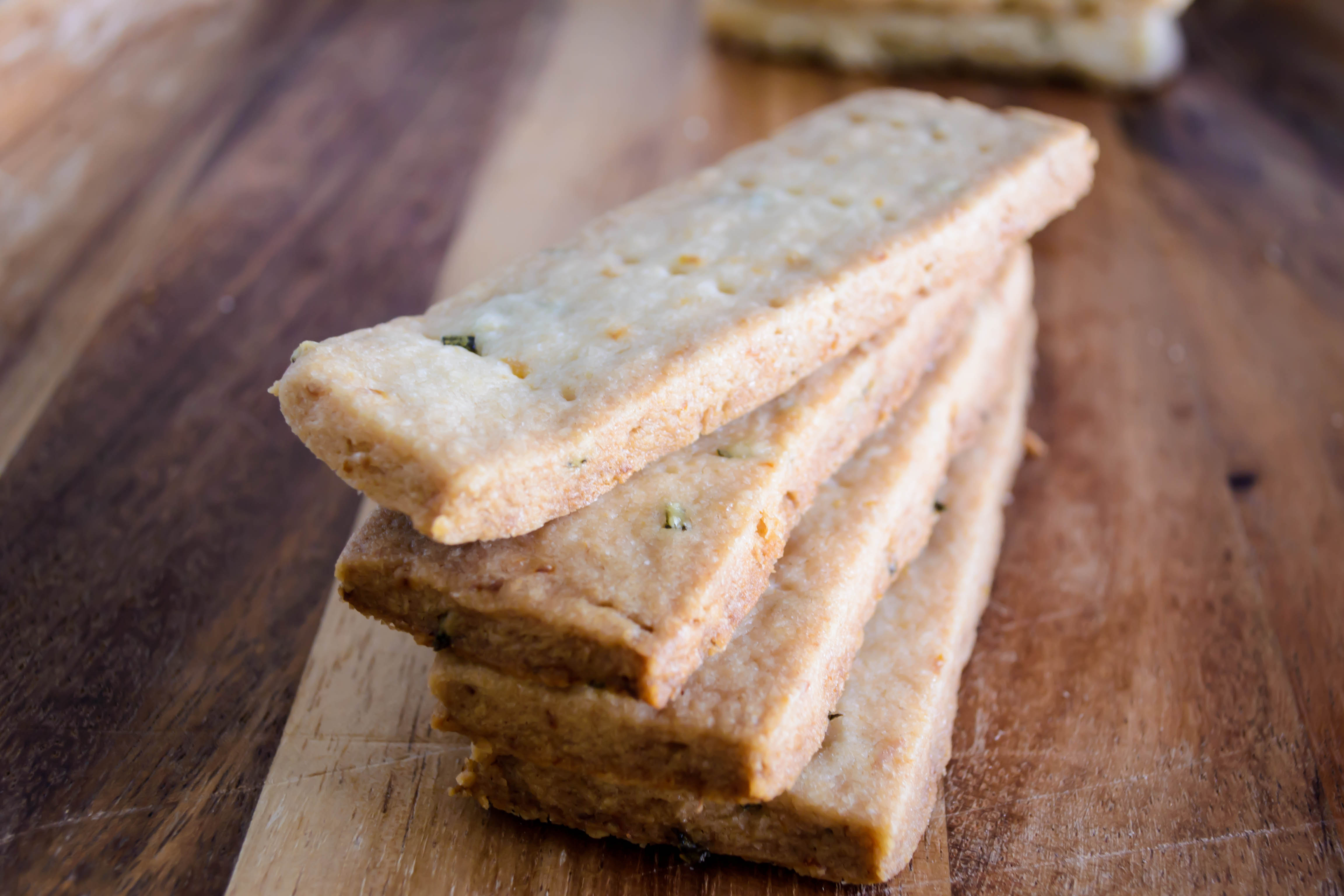
Food Blog April 2014-3686Food Blog April 2014-3691Remembering how much I like the combination of orange with rosemary from one of the first loaves I baked during my dough project, I decided to add a hefty scattering of orange zest to the dough, and replace the apricot glaze Joe advocates for an orange one instead to tie things together. Though I let mine rise a little too long (the room was quite warm and I was distracted by lesson planning) and thus the final product was a bit less puffy than I’d hoped, we scarfed our way through the first bun, and then bun-and-a-half, and then two, in little time. They are a soft, moist offering, not as eggy as challah but reminiscent of it in the sticky elasticity of the dough, with an intriguing herbal note that keeps them from turning resolutely into dessert.
Food Blog April 2014-3695Food Blog April 2014-3693The recipe to follow is adapted very slightly from Joe’s. I ended up with eleven buns, but that was just carelessness and poor counting on my part (thankfully I’m not a math professor…); you will easily be able to make twelve. Easter is over now, I know (head above water, people), but these are a lovely expression of spring for your kitchen, and would make really nice offerings for a bridal or a baby shower. Or, you know, roast a chicken stuffed with a sprig of rosemary and half an orange, and serve these up on the side.

Food Blog April 2014-3697

Orange Pan di Ramerino
Adapted from Joe Pastry
Makes 12
3 ½ teaspoons active dry yeast
2 tablespoons sugar
¾ cups warm or tepid water (at or just above body temperature)
¼ cup olive oil
3 sprigs rosemary (about 3 inches each) plus an optional extra 1 tablespoon, finely chopped
⅔ cup golden raisins
3 ¼ fluffy cups bread flour (that’s 17.5 ounces, if you’re being disciplined about it)
1 teaspoon salt
1-2 tablespoons orange zest from one large orange
2 eggs
1 additional egg, for egg wash
Additional dribble of water, for egg wash
Orange glaze, recipe follows


  • In a 2 cup glass measuring cup or a small bowl, combine the yeast, sugar, and ¾ cups warm water, and set aside to burble for 5-10 minutes.
  • While the yeast activates, heat the olive oil in a small pan over medium low heat. When it just shimmers, add the 3 sprigs of rosemary and sauté for 30 seconds. They will barely brown and the leaves will start to look a little weary. Remove and discard.
  • Add the raisins to the same olive oil and sauté them for 30 seconds. Remove and drain, reserving the oil. Let the raisins and the oil cool.
  • In the bowl of a stand mixer, combine the flour and salt using the paddle attachment. Chop the remaining rosemary, if using, and zest the orange.
  • By this time your yeast mixture should be assertively bubbling and smell like fresh bread. Add the cooled oil and the two eggs to the yeast mixture and whisk lightly.
  • Add this collection of wet ingredients to the flour and salt and mix with the paddle attachment until most of the flour is moistened. Exchange the paddle attachment for the dough hook and knead at medium speed for 3-5 minutes. The dough will become lovely: supple and elastic.
  • Add the additional rosemary, if using, the orange zest, and the raisins to the dough, and knead again until these flavoring agents are incorporated. This will take a good minute or two, since the first inclination of the raisins will be to hang out stubbornly at the bottom of the bowl. You may have to stop the mixing and fold them into the dough by hand a few times to get them to behave.
  • Once things are nicely incorporated, the dough will be a bit on the sticky side, but that’s okay. Transfer it to a clean, oiled bowl, or just smear some olive oil around the sides of the bowl you’ve been using, and cover the bowl with plastic wrap. Set it aside to rise until doubled. This could take as many as 90 minutes, or it could take more like 60. It depends on how warm your house is.
  • When the dough has doubled in volume, turn it out onto a floured board. You may find it is still a bit sticky, so you want to be sure you have enough flour down to prevent frustration.
  • Using a dough scraper, a pizza cutter, or a reasonably sharp knife, divide the dough into 12 equal pieces. If you want to be precise about it, this should mean each chunk will be 2.75 ounces.
  • With the palm of your hand, gently roll each chunk into a soft round. Joe has an excellent method for this – take a peek at his instructions if you want a method to work with.
  • Line two baking sheets with parchment paper and load them up, six buns on each. Lightly oil the tops of the buns, then cover with plastic wrap or a clean cloth and let them rise again for 45 minutes. At this point, you should also preheat the oven to 400F.
  • Once the buns have risen again and the oven is hot, brush the tops with egg wash, made by beating the remaining egg with a tiny dribble of water. Then, with a sharp serrated knife, cut a criss-cross pattern in the top of each. As Joe notes, this produces something less than aesthetically perfect, but it’s traditional.
  • Bake in the upper third of a 400F oven for twenty minutes. At this point the tops of the buns should be nicely bronzed. Take them out and let them cool for a bit before topping them with a light layer of orange glaze.


Orange glaze
Makes enough for at least 12 buns
Juice of one large orange
1 tablespoon sugar
1 tablespoon orange marmalade


  • Combine all ingredients in a small pot or saucepan and let simmer for 10-15 minutes, until slightly thickened. Cool slightly before brushing onto the warm pan di ramerino.
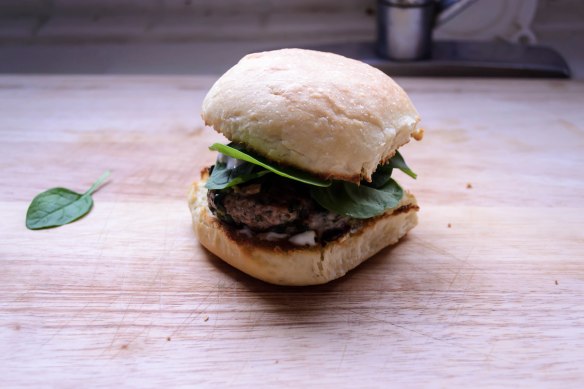
Lambikopita Burgers

Food Blog April 2014-3562My bachelor habits are unusual. I typically don’t, when I’m making dinner just for my lonesome, go for what’s quick and easy. In fact, I use the rare occasions when I’m dining solo to catch up on cooking and consuming foods N. is not fond of. So when he was out of town last week visiting his parents, I took advantage of the evening alone to rendezvous with one of his major food rivals: lamb.
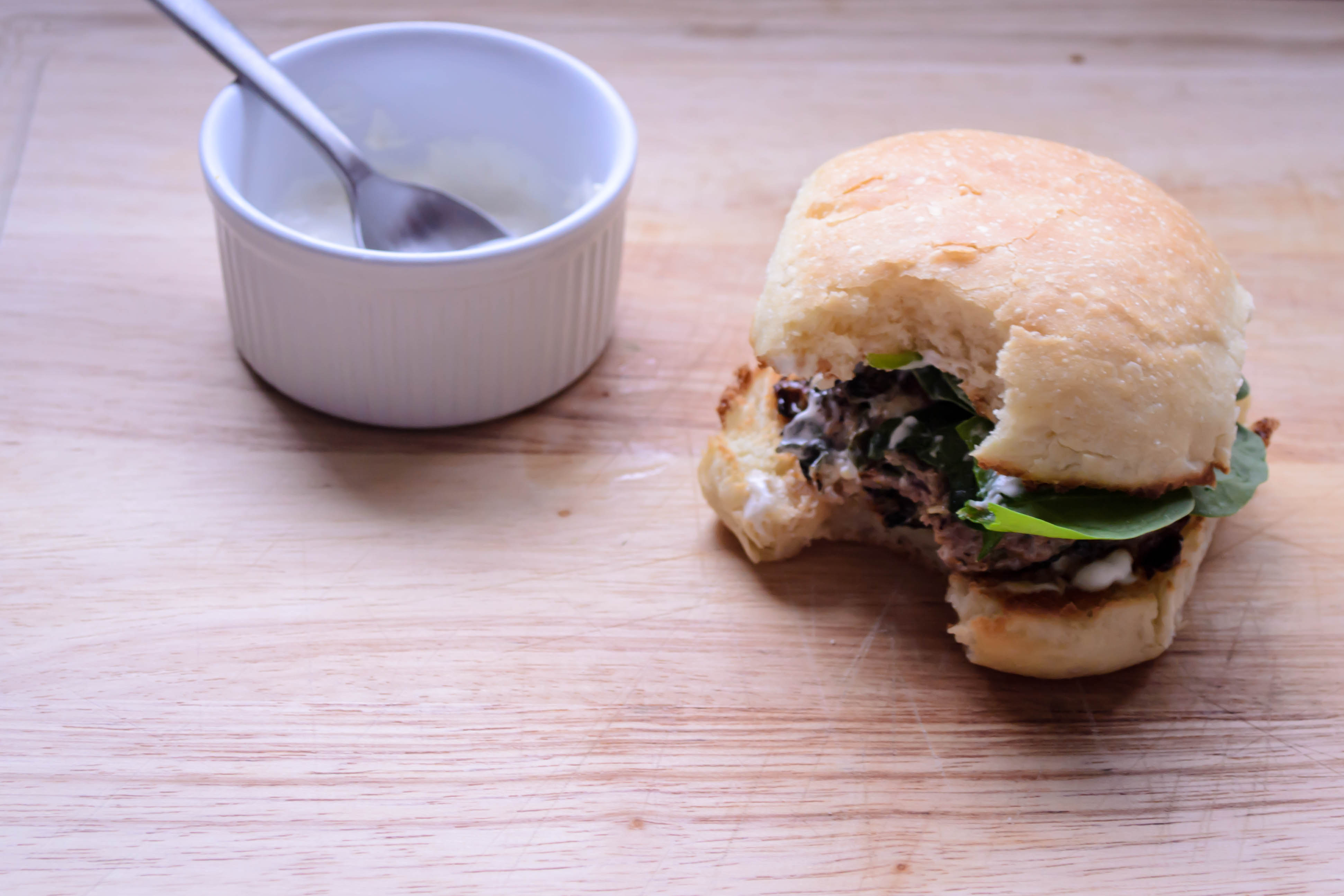
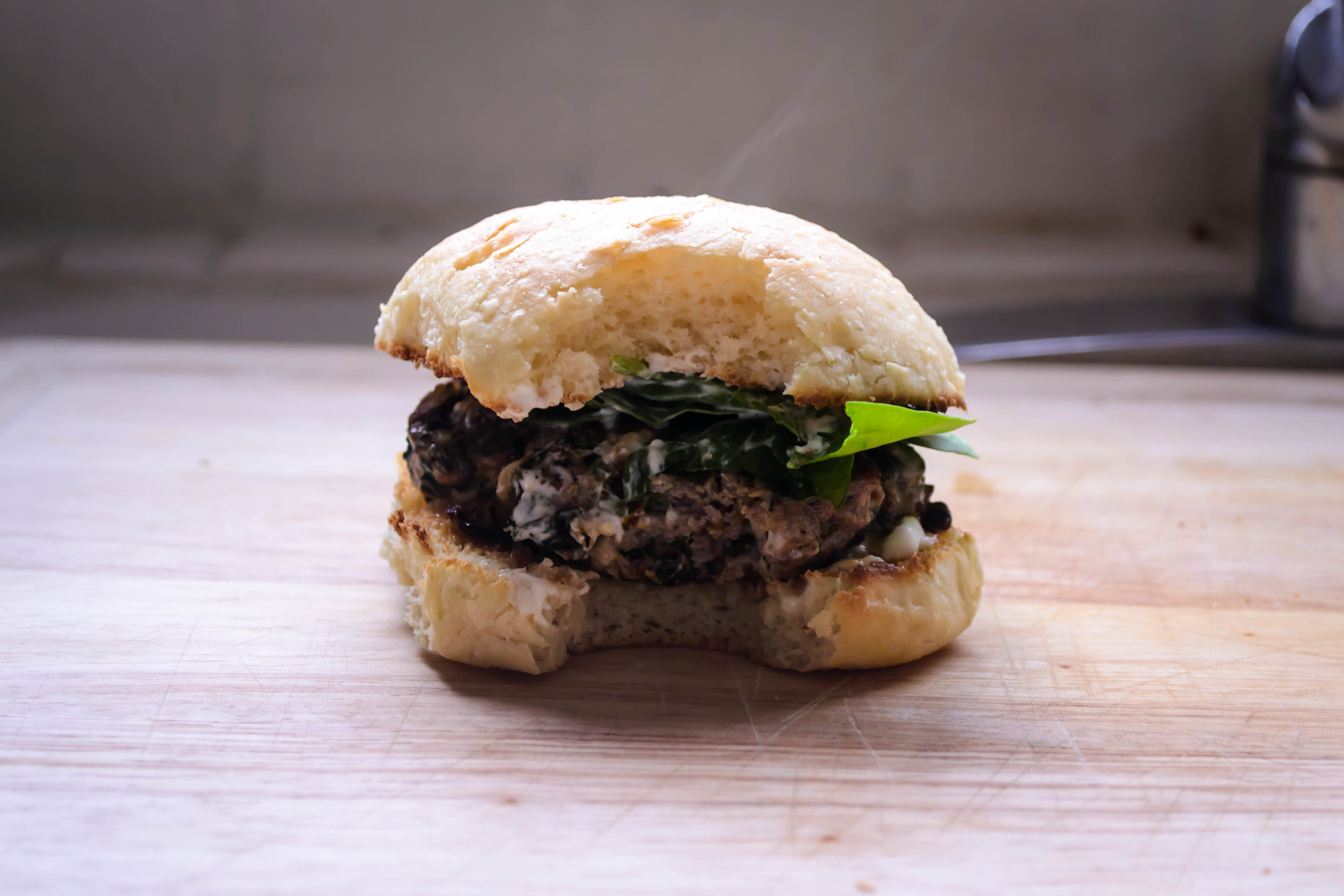
Food Blog April 2014-3574Most of the time (at least lately) I try to shy away from cute titles – I want to make sure you know what you’re getting – but this one was too clever not to use. This is a riff on a dish my sister made for us for Christmas (hi, R!), a version of spanikopita with crumbles of ground lamb and gooey shreds of mozzarella mixed in. Since my first thought upon tasting it was “more,” and then “more, more,” I thought a burger might be the answer. More of everything!
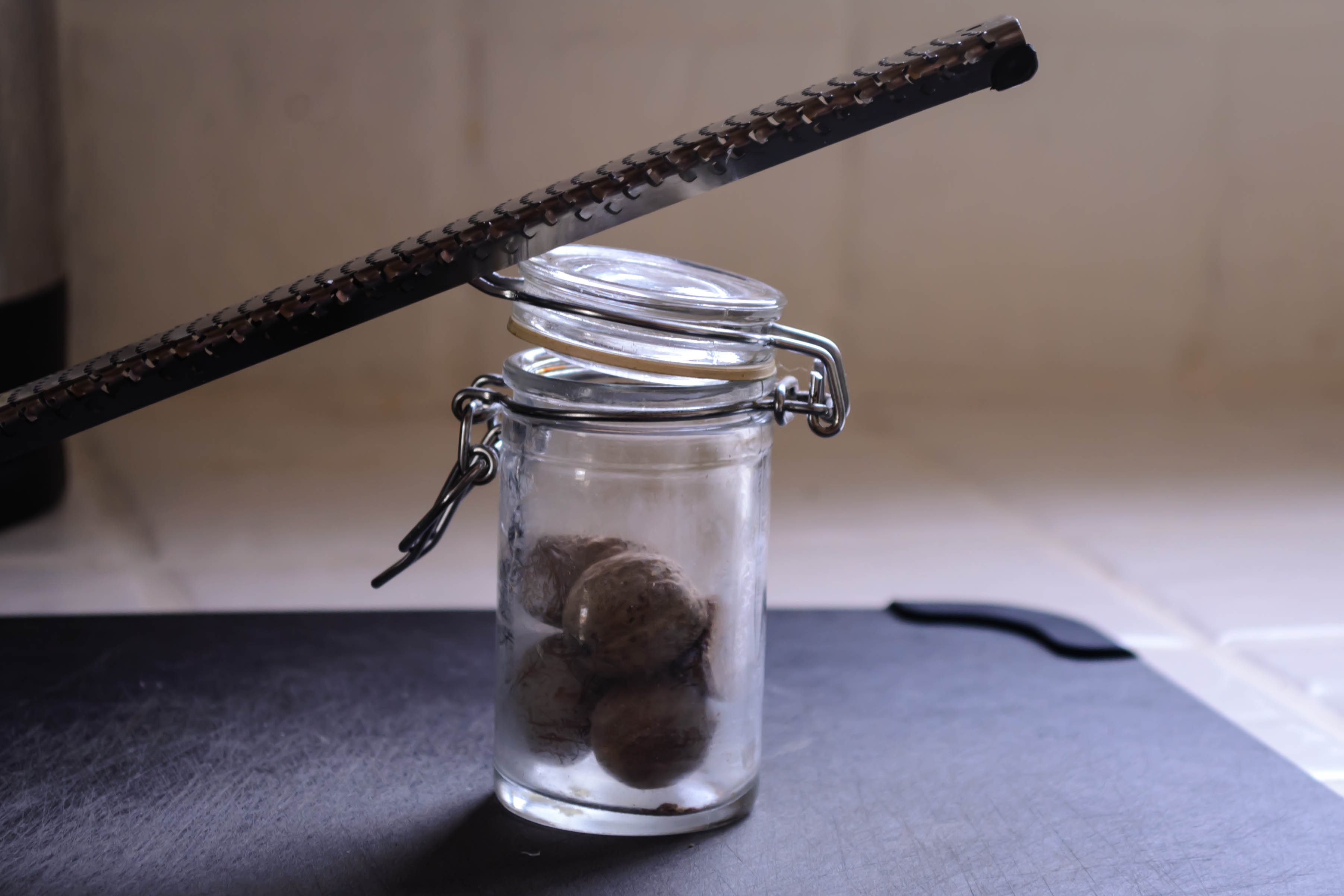
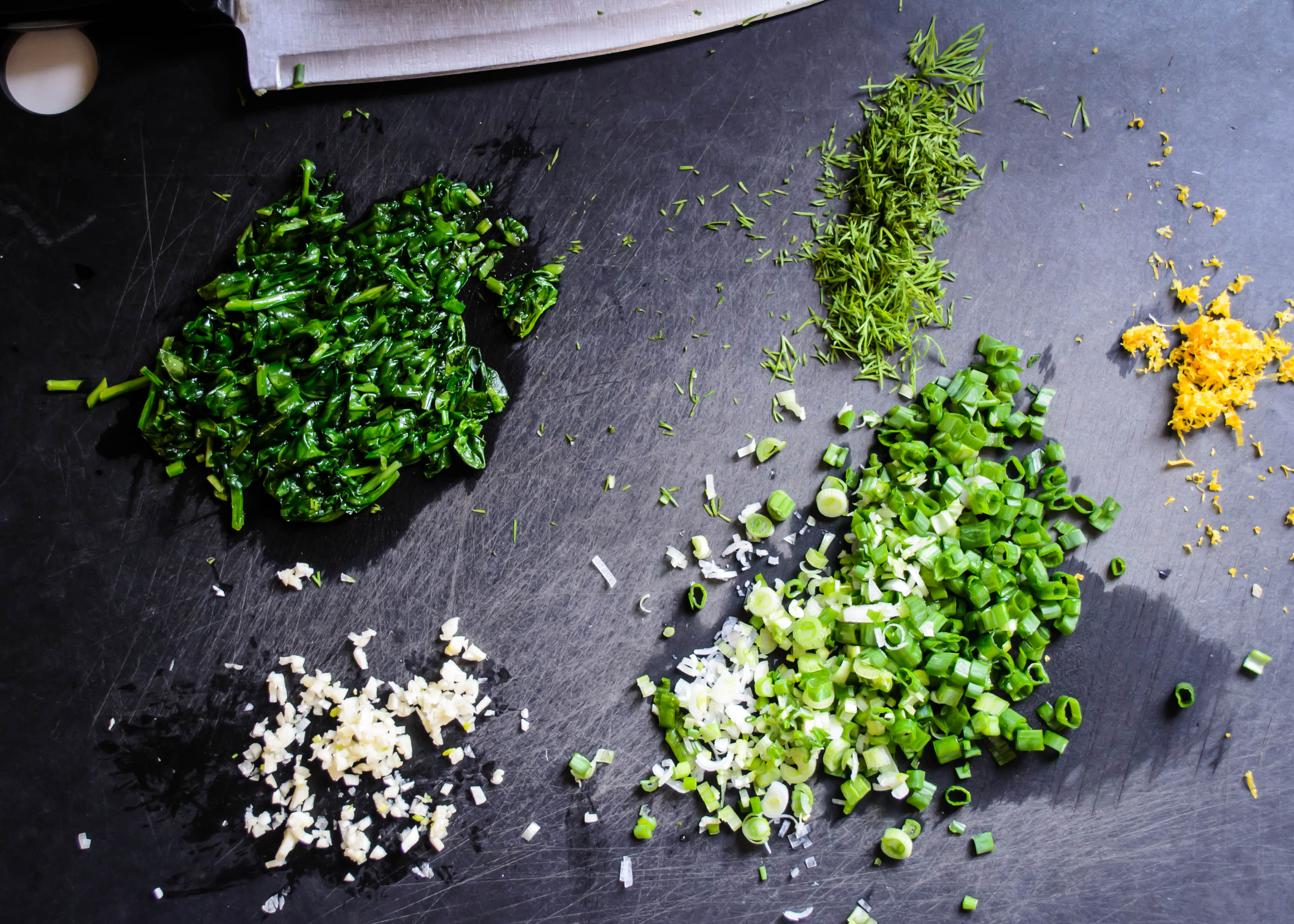
Food Blog April 2014-3544Food Blog April 2014-3548Food Blog April 2014-3551The delightful thing about spanikopita, to me, is the burst of briny saltiness from the hunks of cheese that muddle reluctantly into softness amid the spinach. I love the dill, and I love the earthy hit of nutmeg. Lately I’ve been adding lemon zest to the mix as well, for sour brightness to contrast the salty tang of the cheese.
Food Blog April 2014-3549Food Blog April 2014-3550All this, then, would have to go into my lamb burger. I’m not a big fan of massive additions to burgers. They seem, too often, fussy and unnecessary. That’s what toppings are for. But here, I think the incorporation works incredibly well for several reasons. First, lamb has a bit of a gamey flavor. Some of us like that, but for those who don’t, the additions of extra ingredients mean it’s a mild gaminess, not overwhelming. Second, it’s very easy for ground lamb to dry out. Here, where I’ve incorporated not just cheese but a sodden handful of sautéed fresh spinach, producing a dry product becomes a challenge. Third, but no less important, the addition of these extra ingredients bulks up the burgers, making the lamb – not nearly as cheap as everyday ground beef – stretch a bit further. This isn’t like a crab cake stretch, though, where your product is so drenched in seasoned bread crumbs you forget what kind of meat is supposed to be in there. All of these flavors dance well with the lamb, enhancing rather than masking it.
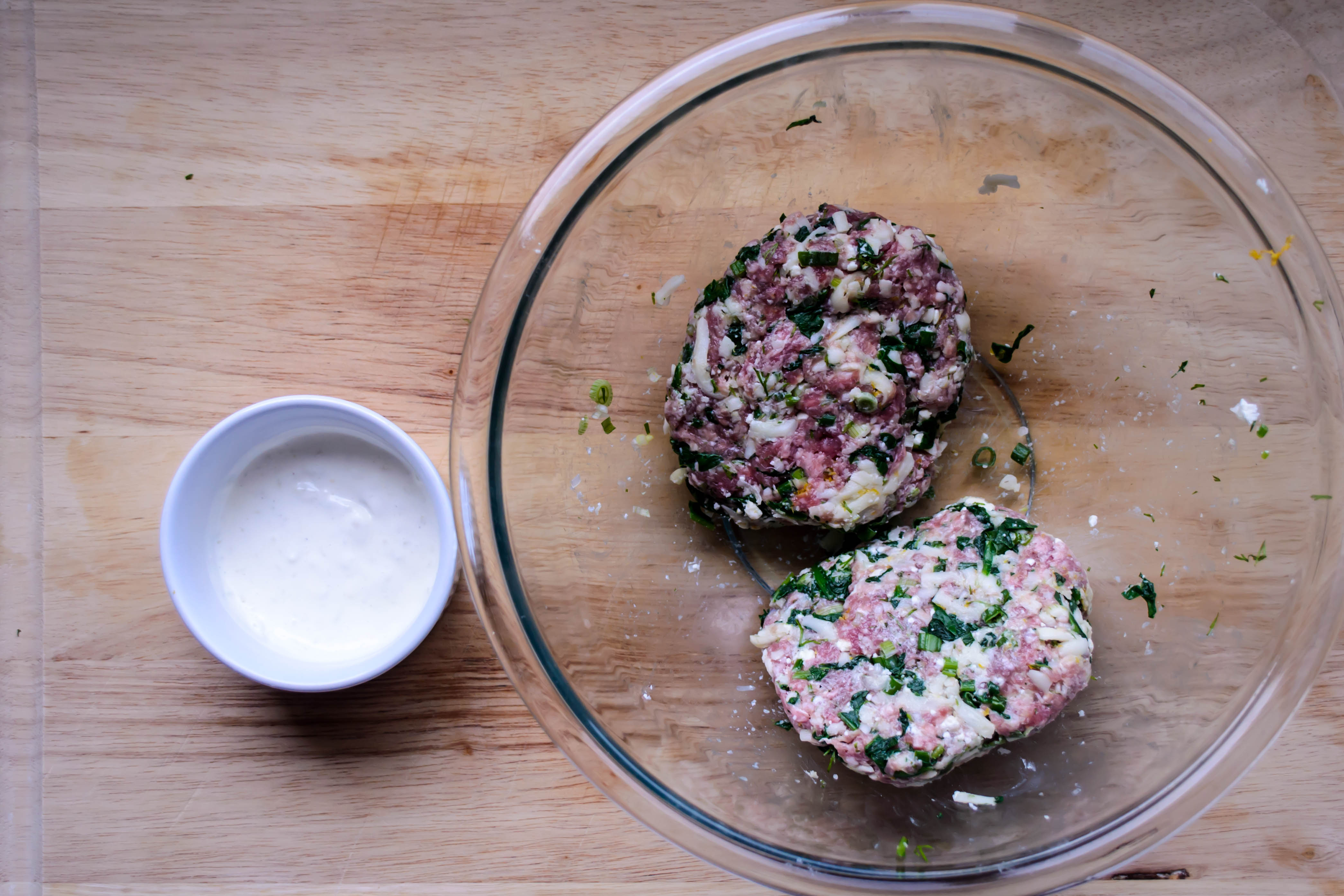
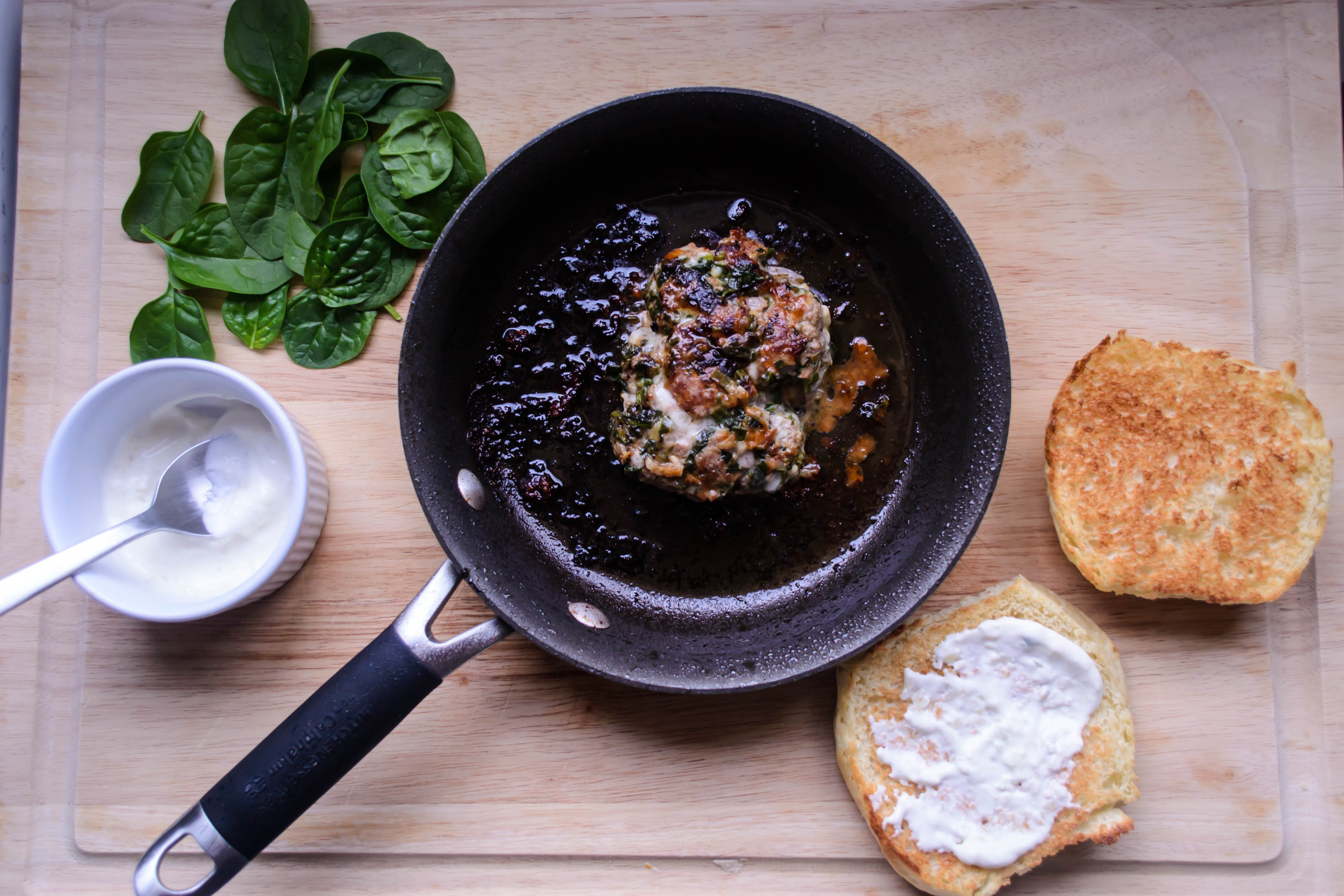
Food Blog April 2014-3554Food Blog April 2014-3558Food Blog April 2014-3556Because you’re cooking with a heady amount of cheese in the mix, these burgers will get crusty and deeply bronzed as the cheese seeps down onto the hot pan to toast. Don’t be alarmed. Settled on a bun with some fresh spinach leaves, to contrast the cooked tumble in the burger itself, this is nearly perfect. Slathered with some Greek yogurt whipped with lemon juice and fresh raw garlic, it turns into lamb burger nirvana.
Food Blog April 2014-3560Just because this isn’t, perhaps, a typical bachelor meal, what with the longish ingredient list and the time taken to prepare it from scratch, doesn’t mean I treated it as fancy. There’s no need for ceremony here; it’s too good. Hasty bites. No napkin. Straight over the sink. I don’t mind telling you, just between us, that I didn’t even bother with a plate.

Food Blog April 2014-3570

Lambikopita burgers
Makes 2
⅓ pound ground lamb
1 clove garlic, finely minced
2 green onions, finely sliced
2 teaspoons finely chopped dill
1 teaspoon lemon zest
2 tablespoons grated parmesan cheese
2 tablespoons crumbled feta cheese
¼ cup shredded or cubed mozzarella
½ cup fresh spinach leaves, plus more, to serve
⅛ teaspoon nutmeg, freshly grated, if possible
Salt and pepper to taste (I suggest ¼ teaspoon salt and ⅛ teaspoon black pepper)
3 tablespoons olive oil, divided


  • In a medium skillet, heat 1 tablespoon of the olive oil over medium heat. When it shimmers, add the ½ cup spinach leaves and sauté gently until they are wilted: 2-3 minutes. Remove from heat and let cool.
  • In a medium bowl, combine the lamb, garlic, onions, dill, lemon zest, and cheeses. Add the nutmeg, salt and pepper. The best way to do this is to get in there and use your hands, gently kneading with your fingertips to mix thoroughly.
  • When the spinach is cool, transfer it to a cutting board and chop finely. Don’t squeeze it out – we want that wetness to keep the burgers moist.
  • Add the chopped spinach to the lamb mixture and mix again to integrate it.
  • Divide the mixture in two and form patties of your desired diameter. Mine were probably 3 inches around. Keep in mind that the thicker your patties are, the longer they will take to cook.
  • In the same skillet you used for the spinach, heat the remaining 2 tablespoons olive oil over medium high heat. When it shimmers, add the lamb burgers, clamp on a lid, and turn the heat down to medium.
  • Cook for 4-5 minutes undisturbed, then cautiously lift with a spatula to check the bottom. When they are deeply bronzed and have a dark crust from the melting and toasting cheese, flip, recover, and cook for another 3-4 minutes, or until your desired doneness is reached.
  • Remove from heat, transfer to a bun of your choice dressed with condiments to your liking (I recommend the Greek yogurt spread below), top with fresh spinach, and serve.
Greek yogurt spread
2 tablespoons Greek yogurt
Squeeze of fresh lemon juice
1 garlic clove, chopped fine and pasted with salt


  • Combine ingredients in a small bowl, mix with a fork, spoon, or small whisk.

Smoked Salmon Ravioli with Leek Pesto Cream

Call it my literary background, but I love a good origin story. When random thoughts occur, I like to trace them back through my train of thought to see what the sequence was (why did I just think of that bartender in Eugene? I was considering more efficient ways to load the dishwasher just a few seconds ago!). Ask me sometime about one of my nicknames for our dog. You’ll see what I mean. This spills over into my cooking as well. I suppose if I were a real writer, I’d resist or deny the question “where do you get your ideas?” as so many of them do (although some do answer the question, in wonderful and terrifying ways).

Food Blog November 2013-2776So I like to take you back where I came from. In this case, we’re going back to a tired, tired late afternoon in August. N. and Lucy and I had started the day in Brookings, OR, wound our way down the beautiful stretch of Highway 101, twisting through dusty redwoods, pastoral dreamland, and ragged juts of ocean cliffs. In the parking lot of a grocery store in Fort Bragg, we decided enough was enough. We just weren’t going to make it to the Bay Area that night. It was time to call the driving day finished.

Food Blog November 2013-2764Food Blog November 2013-2767Food Blog November 2013-2768We found ourselves a restaurant with a view of the ocean and ordered what sounded like amazing entrees. At the ha-ha-we-got-you-you-tourist prices, they should have been amazing. They were… fine. N.’s dinner, which is of most import here, was a plate of smoked salmon ravioli, dull and a bit tough, sputtering and drowning in a heavy, almost alfredo-style sauce. I had to fix them. (I had, in case you’re wondering, a hunk of unevenly crusted halibut, teetering over a tangle of roasted, balsamic drenched vegetables. It has promise as well… consider it in progress…)

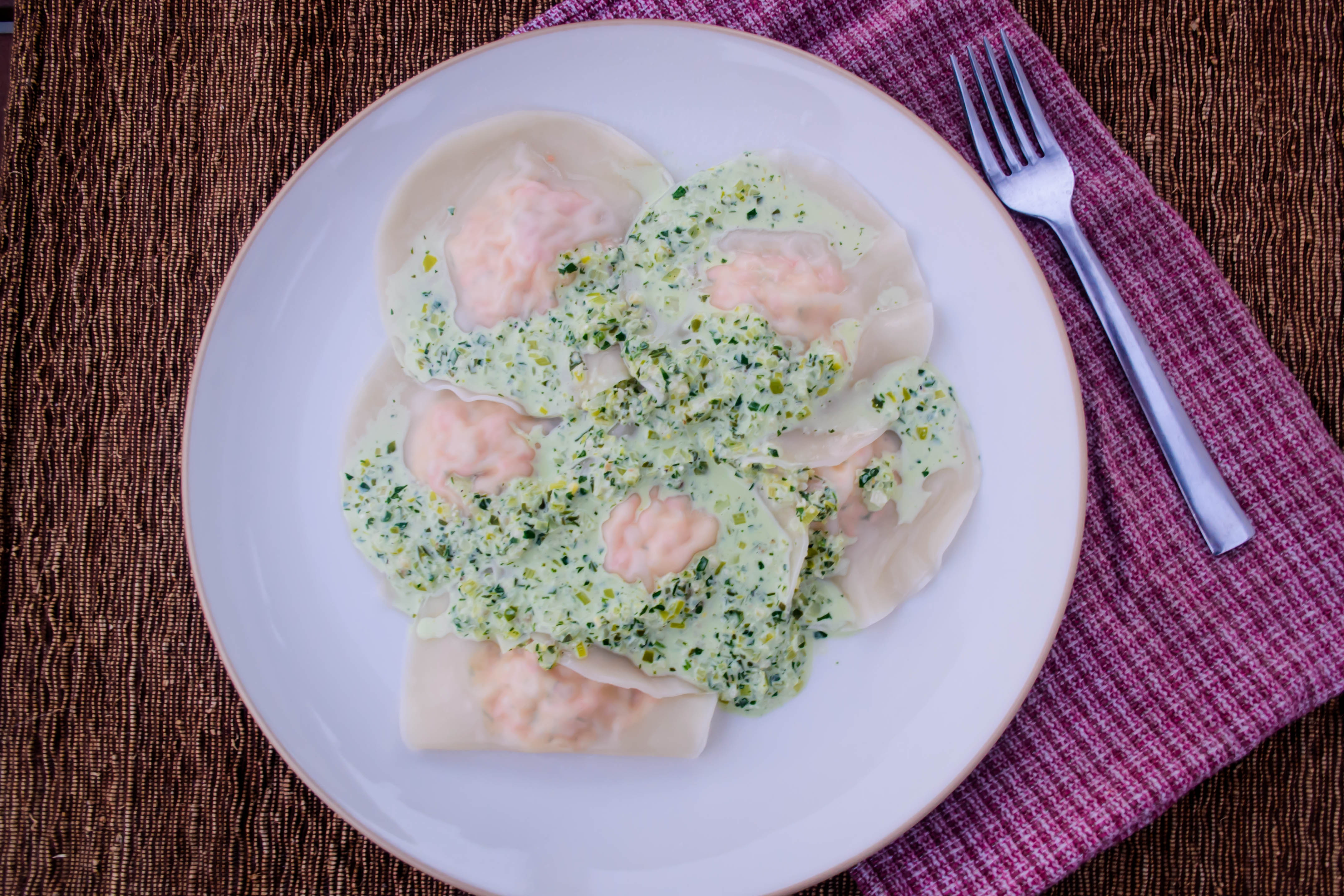
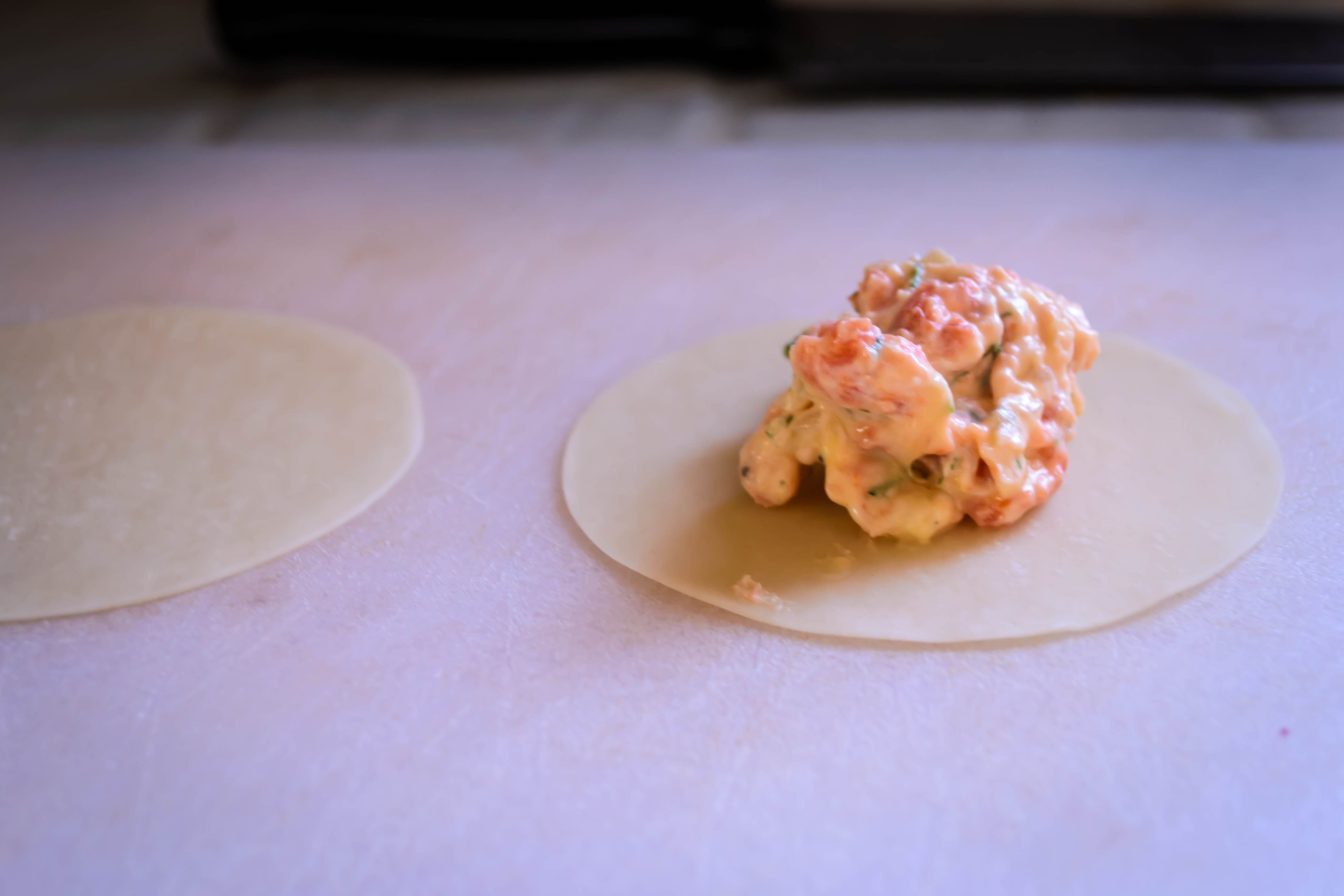
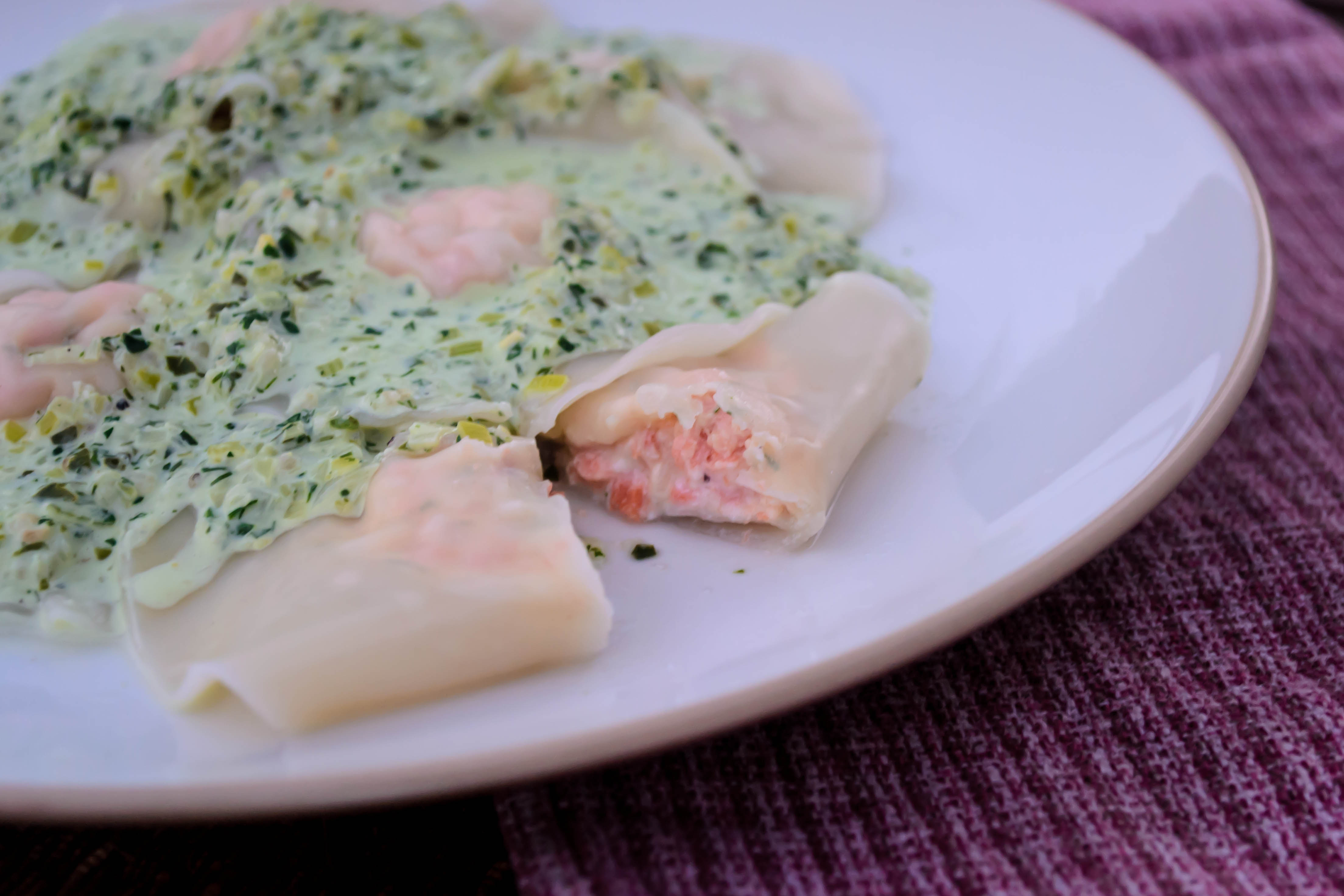
Food Blog November 2013-2771This, then, is what resulted. A mundane, heavy plate of pasta became a rich, vibrant, tangy blend of smoked salmon, dill, and cream cheese sealed in won ton wrappers (I’m all for from scratch, but in a weekend when at least two dozen papers had to get graded, I decided I was okay with using a shortcut stand-in for homemade pasta dough). To replace the thick, gloppy alfredo of the summer, I spooned on a tangy, barely creamy sauce overloaded with herbs and sautéed leeks, that fell somewhere between a pesto and the kind of white wine and cream sauce you’d toss with spaghetti and clams. (Note to self: spaghetti and clams would be spectacular here!)

Food Blog November 2013-2772I stopped at 24 ravioli, each one loaded with a spare ½ tablespoon of filling, but had enough smoked salmon mixture left that I could have easily made 36. I figured we would each eat 12, but they were so rich and lovely that, particularly with a piece of garlic rubbed toast on the side, you could probably get away with serving 8 to each diner. You will have enough sauce for the full 36, if not more.

Food Blog November 2013-2775This dish is, perhaps, better suited for spring, bursting as it is with fresh herbs and buttery leeks and the pinks and greens of new growth. But it’s so good, so perfectly silky and creamy and fresh and tangy, that I think you should make it anyway.

Food Blog November 2013-2780

Smoked Salmon Ravioli with Leek Pesto Cream
Serves 4-6
For ravioli:
⅓ cup finely diced shallot (about 1 medium)
2 cloves garlic, minced
2 tablespoons butter
8 ounces smoked salmon
8 ounces (1 cup) cream cheese, at room temperature
1 tablespoon chopped fresh dill
1 egg, lightly beaten
1 tablespoon heavy cream
Won ton wrappers, round or square (twice as many as the number of raviolis you want) or fresh pasta dough
¼ cup or so warm water, for sealing the ravioli


For sauce:
1 large leek
2 tablespoons butter
½ cup dry white wine (be sure you like the flavor – you will definitely taste it)
¼ cup fresh parsley
¼ cup fresh dill
¼ cup fresh basil leaves
1 garlic clove
¼ cup pine nuts, toasted if you wish
½ cup heavy cream


  • To make the raviolis, heat 2 tablespoons of butter in a small pan over medium heat. When it has melted, add the shallot and garlic and cook, stirring frequently, until they become translucent. You don’t want them to brown, you just want to sweat them gently to remove the rawness. When they are tender, turn the heat off and let them cool.
  • While the shallots and garlic cool, mix together the cream cheese, smoked salmon, 1 tablespoon dill, egg, and 1 tablespoon heavy cream in a mixing bowl. A fork or a spatula works well. Combine into a fairly homogenized mixture, though you will still have chunks of salmon, which is fine. Once the shallots and garlic have cooled, add them to the salmon mixture.
  • To form the raviolis, set up an assembly line: salmon mixture on one end, then won ton wrappers on a cutting board, then a small bowl of warm water, and finally a cookie sheet dusted lightly with flour.
  • Top one won ton wrapper with a scant ½ tablespoon of salmon mixture right in the center. Using your fingertip, dampen the outer edge of the wrapper with the warm water, then place a second won top wrapper on top. Press the edges to seal with your thumbs and forefingers, working air bubbles out so you just have a solid lump of filling in the center. I like to match up the poles of each wrapper – the very top and very bottom – so they are flush, then press together the sides simultaneously, one with each thumb and forefinger pair. As you complete each ravioli, place in a single layer on the floured cookie sheet.
  • When you have a full tray (I wouldn’t put too many more than a dozen on each sheet; you want them all touching the flour and not touching each other too much, or they will stick), refrigerate for at least 30 minutes.
  • Once the raviolis have had at least 30 minutes in the fridge, all that remains is to heat a large pot of salted water to a rolling boil and drop them in. They are done when they float to the top, which only takes 3 or 4 minutes. Remove them with a slotted spoon (they are too delicate to pour into a colander) and add them to the sauce.
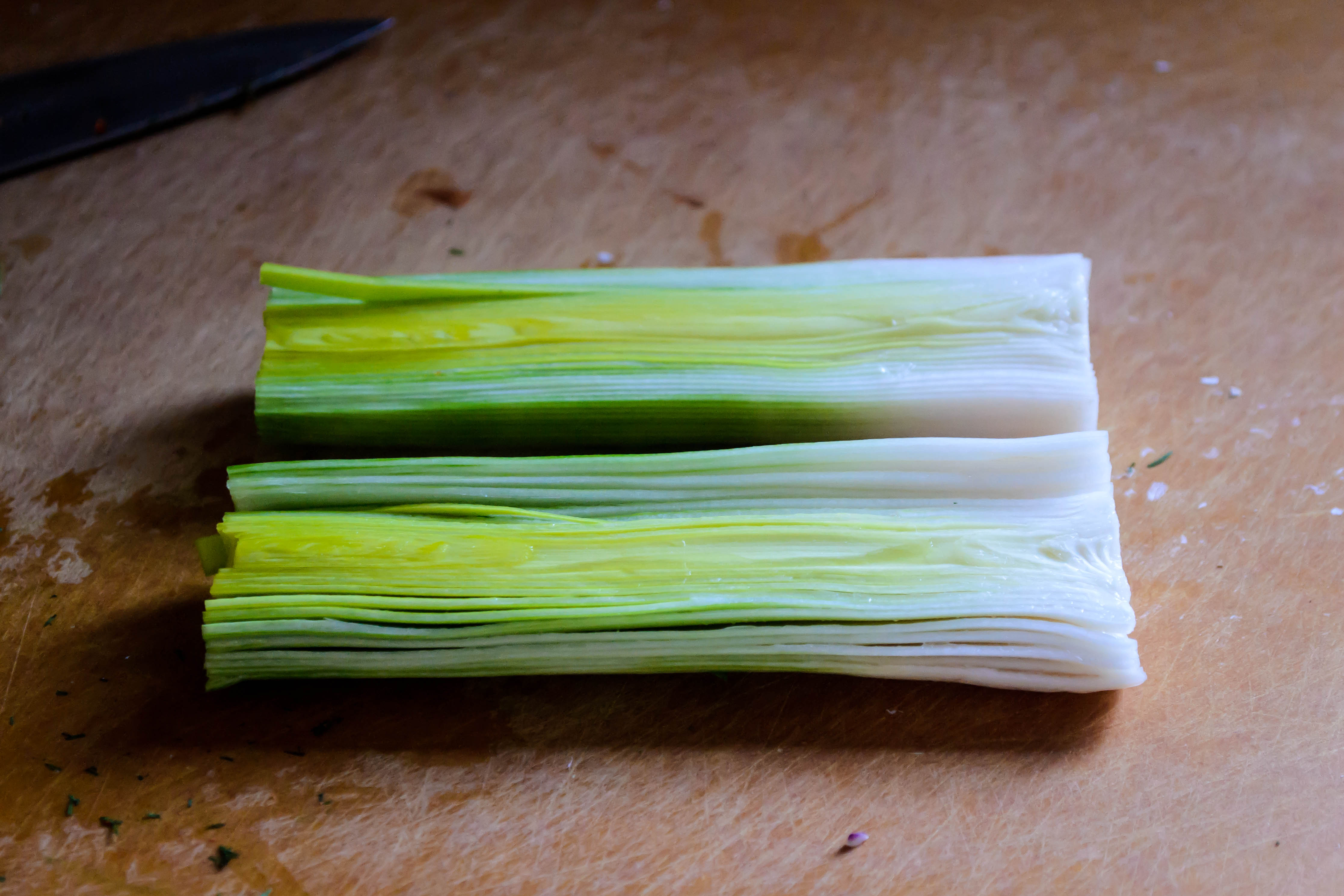
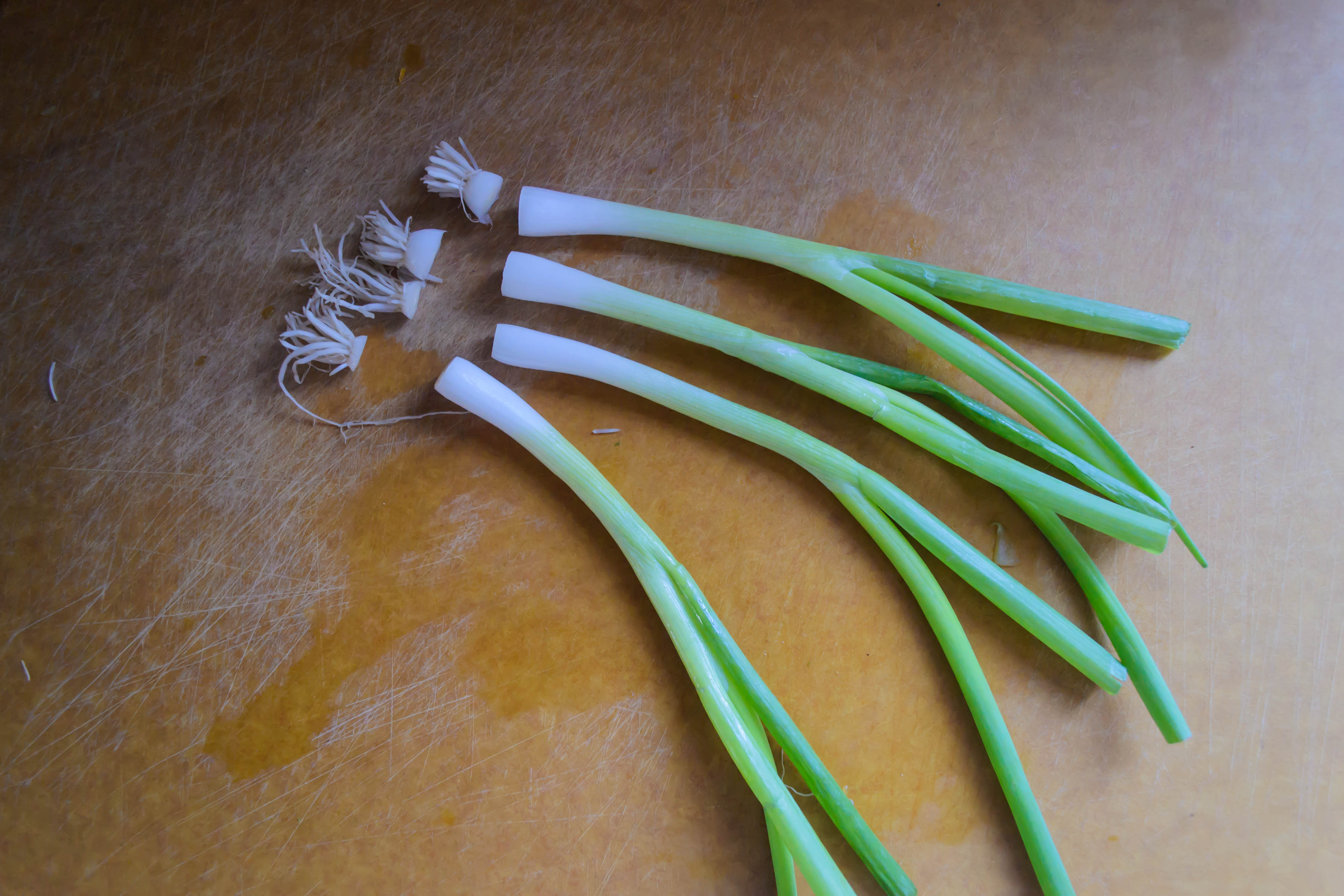
  • While the ravioli are chilling, make the sauce. Cut off the root end and the dark green leaves of the leek. Slice the remaining log lengthwise, leaving two long rounded planks as in the photo above. Run these planks under running water, flipping through the layers with your thumbs, to release dirt. Then cut each plank in half lengthwise again, and slice horizontally across into thin ribbons.
  • In the same pan you used to cook the shallot and garlic, heat the remaining 2 tablespoons of butter over medium heat. Once it has melted, add the leeks and cook for 5-8 minutes, stirring frequently, until the leeks are tender and smell garlicky and sweet.
  • Add the wine and simmer 3-5 minutes. Season with salt and pepper and turn off the heat, letting the leek and wine mixture cool slightly.
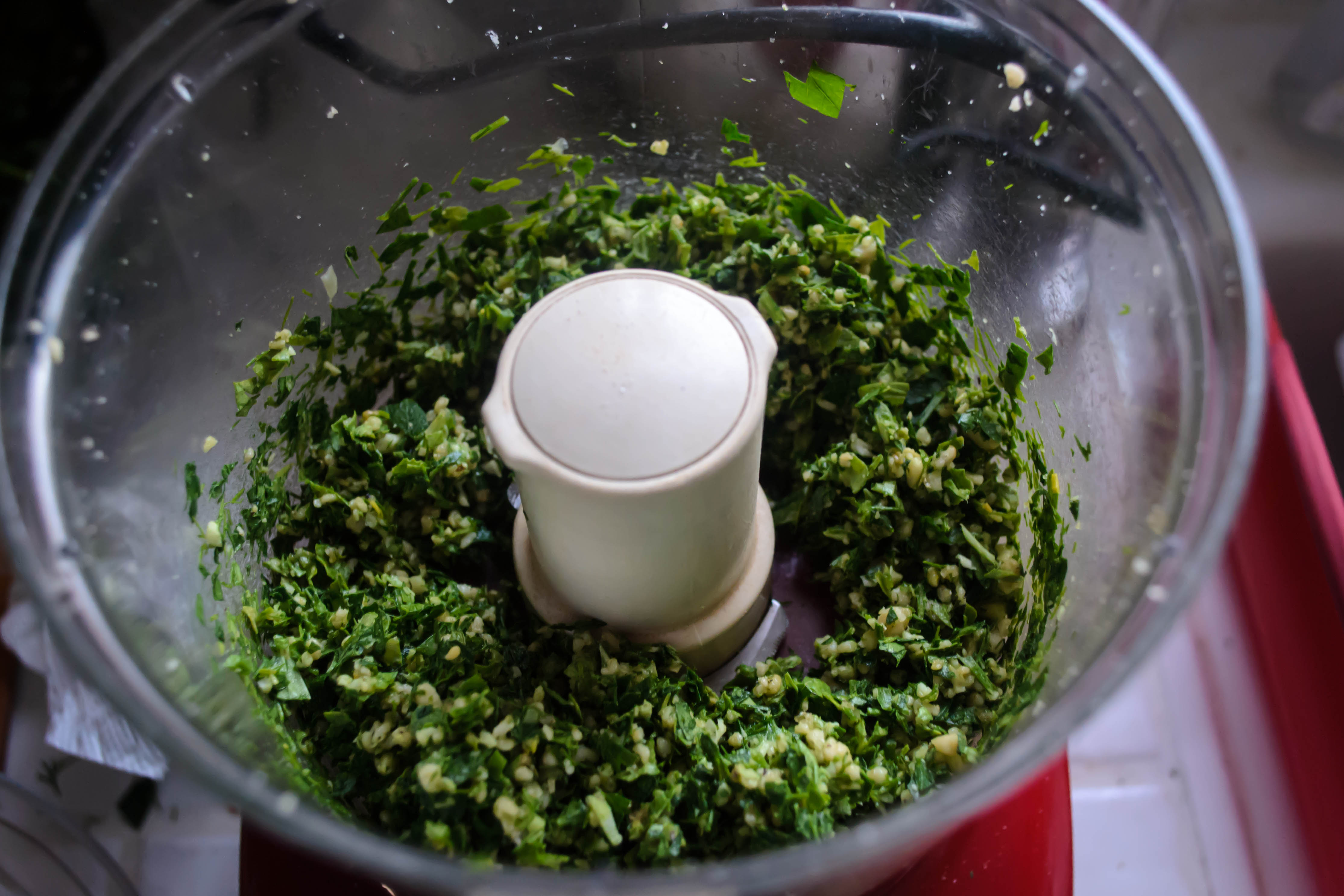
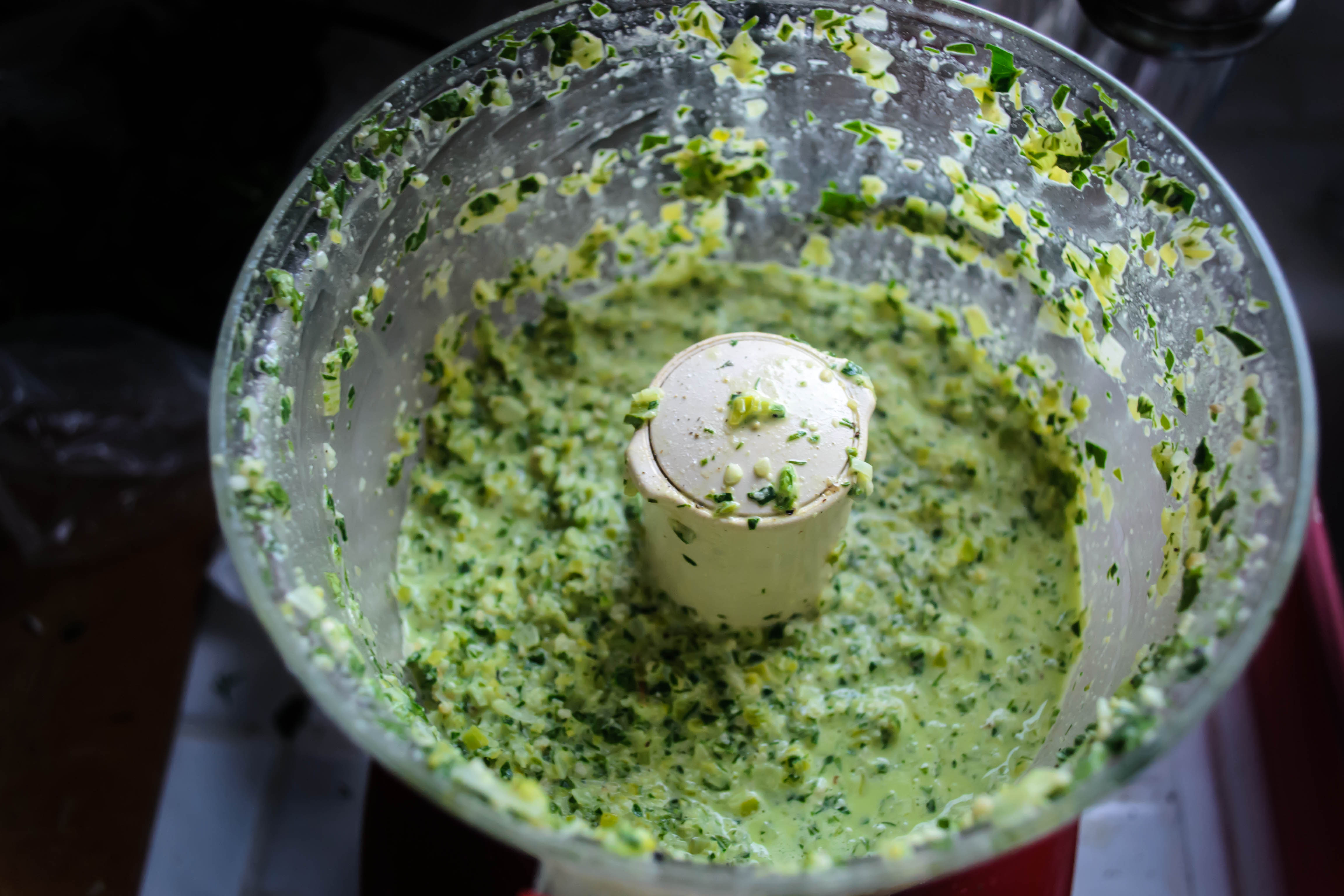
  • While the leeks and wine cool, add the parsley, dill, basil, garlic clove, and pine nuts to a food processor. Pulse in 2 second bursts 5 or 6 times, or until everything is finely chopped and paste-like. Add the cooled wine and leek mixture and process until only very fine pieces remain.
  • As soon as you drop the raviolis into the boiling water, warm the cream in the pan you used for the leeks and wine. When it reaches a bare simmer, add the leek and wine mixture back into the pan and stir to combine with the cream. Heat through. Season to taste, if needed, with salt and pepper.
  • To serve, swirl the raviolis gently with the sauce. If the sauce is too thick for your liking, add a ladle of pasta water to thin it just a touch.

Root Vegetable Barley Risotto

As I move on through my weird little life, I have come to realize that there are some rather shocking details in my relationship with food. Example: I just don’t like yellow curry. I’ve tried it. I’ve played with multiple applications. It just doesn’t work for me. Example two: Kraft Macaroni and Cheese is without a doubt my favorite hangover food. Well, that or biscuits and gravy with a side of hash browns. But only if those biscuits, gravy, and hash browns are from Brails Restaurant in Eugene, Oregon. Otherwise I’d take the boxed macaroni, complete with its powdered fluorescent orange box-mate, any day of the week.

Food Blog October 2013-2732But a more pertinent example for us today is risotto. I like risotto. I like the creaminess, the cheesy finish, the number of vegetables you can load it with; I even like the endless stirring. It’s therapeutic in a lot of ways. The only thing, in fact, that I don’t like about risotto is the rice. I know; who AM I? But the rice too often gets sticky and gloppy, and if it’s not gloppy, it’s soupy but somehow still underdone, and frankly I’m over it. No, if I’m going to have something toasty and nutty but also somehow creamy and chewy, I’m going with barley.

The idea of risotto without the rice is something like ice cream without the cream: contradiction central. Here, though, the truth is in the technique: the slow, steady stirring that lets the grain release its starches and become a warm, comforting dish of welcome-to-fall-I’m-so-glad-you’re-here.

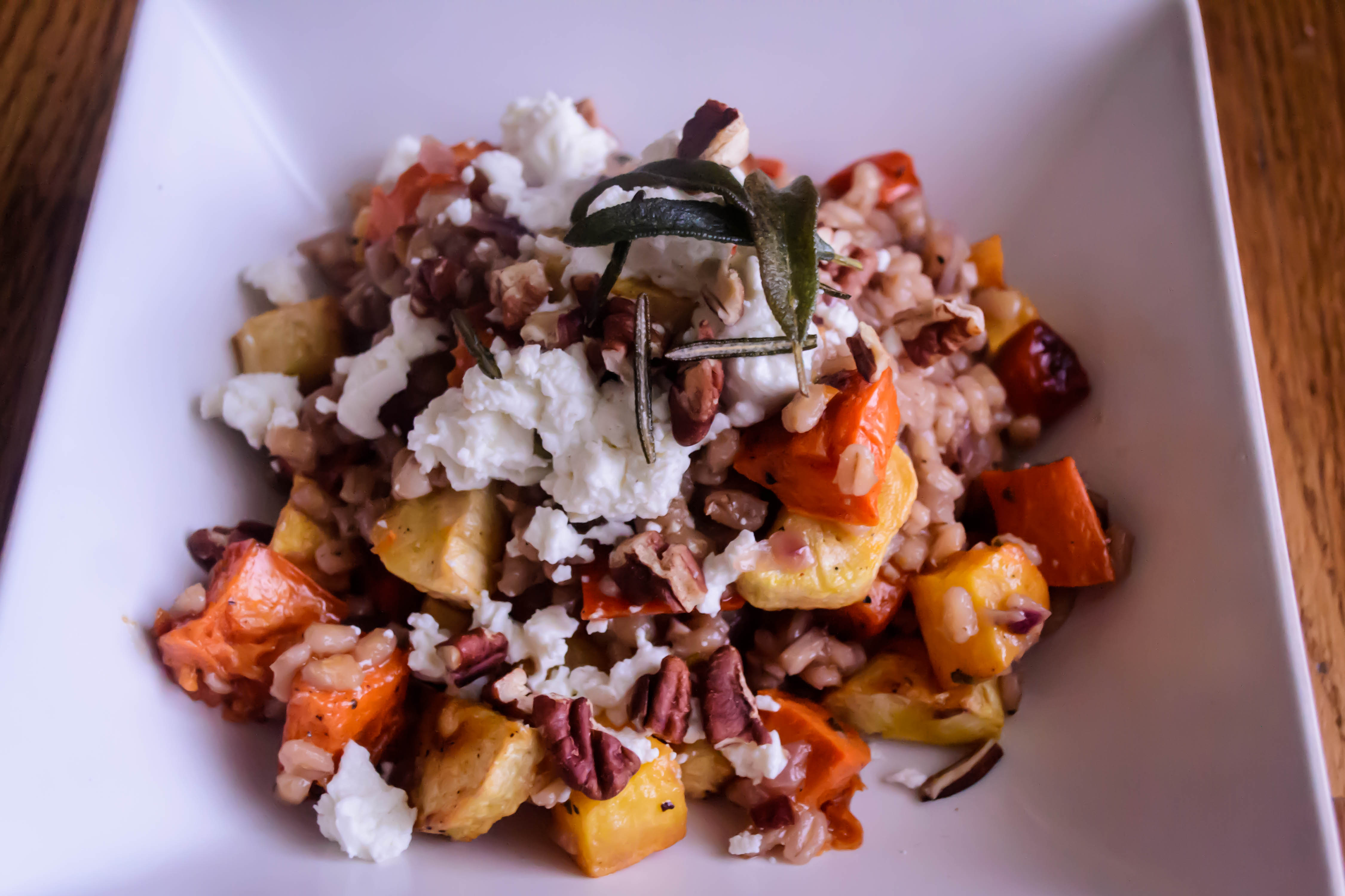
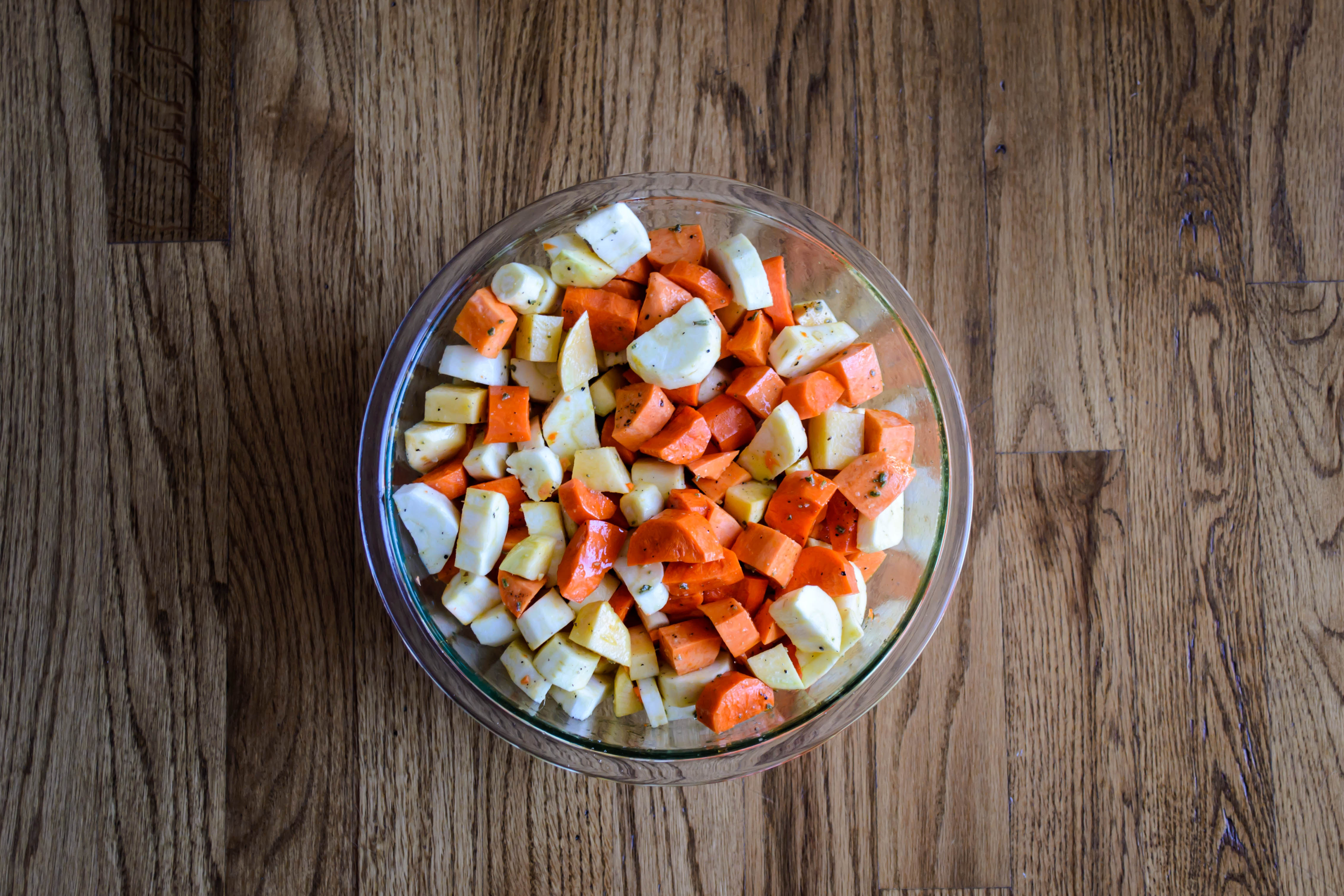
Food Blog October 2013-2721If we were going to have fall, I decided, we were going to need root vegetables. Discs and sticks and chunks of rutabagas, carrots, sweet potato, and parsnips, all gleaming with olive oil and garlic herb salt, roasted until caramelized and tender. I folded these into the barley just as it finished, then dolloped in sizable lumps of soft, creamy goat cheese, a scattering of toasted pecans, and, because if it’s worth doing it’s worth overdoing, some whole fried leaves of sage and rosemary.

Food Blog October 2013-2724Alterations apropos of the season might entail swapping out the sweet potato or carrot for hunks of pumpkin or butternut squash, and you can certainly use walnuts or even pine nuts if you don’t like pecans. But I wouldn’t skip the goat cheese. Its insistent tang is a needed foil for the mellow autumnal combination of root veggies and barley.

We ate this so fast our forks had whiplash. It is warm and hearty, certainly, and the clamor of different flavors settles together so nicely that you can’t help but keep going back for another taste. The sage and rosemary mellow as they fry, producing a toasty earthiness rather than the overwhelming pine-forest flavor you might expect.

Food Blog October 2013-2728

Root Vegetable Barley Risotto
Serves 4-6
3 medium carrots
3 medium parsnips
2 medium rutabagas
1 medium orange fleshed sweet potato
¼ cup olive oil
1-2 teaspoons salt (a nice garlic and herb salt works well here, if you have it)
½ teaspoon pepper
¼ cup chopped pecans
¼ cup butter
10 sage leaves
1-2 teaspoons whole rosemary leaves
Scant 1 cup chopped onion (from ½ a medium onion)
4-6 cloves garlic, minced
1 cup pearled barley
½ cup dry white wine
Additional salt and pepper, to taste
6 cups chicken or vegetable broth, warm but not boiling
8 oz. soft goat cheese


  • First, preheat the oven to 400F and line two cookie sheets with aluminum foil. Place the cookie sheets in the oven while it preheats.
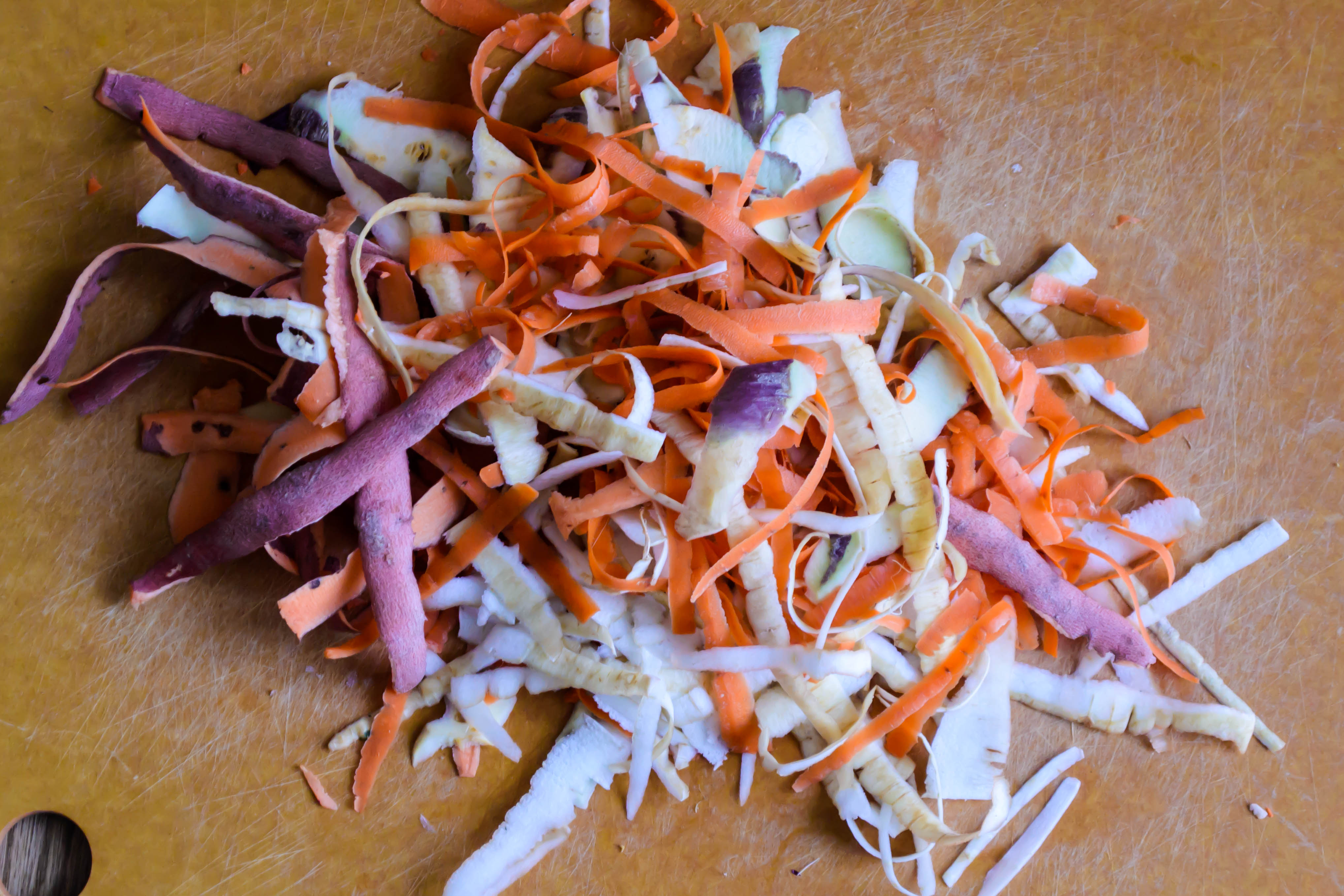
  • Peel the root vegetables (except the onion) and cut them into discs, slices, or chunks of approximately the same size, no thicker than about ½ inch. Place them in a bowl and toss with the olive oil, salt, and pepper.
  • Spread the vegetable chunks evenly in a single layer on the preheated trays, then return trays to the oven and roast for 45-60 minutes, tossing halfway through, until vegetables are fork tender and nicely caramelized. Set aside until risotto is ready.
  • While the roots are roasting, warm the broth in a medium pot. You want it at a bare simmer at most. No more, or too much will evaporate while you wait to add it to your risotto. (It shouldn’t be cold either – this will increase the risotto’s cooking time.)
  • In a large saucepan, toast the pecans over medium-low heat until they begin to take on a caramel aroma and look lightly browned. Be careful with them; they will burn easily. Don’t take your eyes away too long. When they are toasty, remove them from the pan and set aside.
  • In the same pan, melt the butter over medium heat, then add the sage and rosemary leaves. Be careful; sometimes they will spit a bit when they touch the hot fat. Fry them for about 45 seconds, agitating the pan a little to turn them around in the butter, until they have darkened just a bit. Remove them, reserving the butter in the pan, and drain them on a paper towel. They will crisp up as they cool.
  • Again in the same pan (see how economical we are being for whoever washes the dishes in your house?!), add the chopped onion and garlic. Sweat the onions and garlic for 5-8 minutes, until the onion is translucent and the garlic smells just the way it is supposed to. You know what I mean.
  • With soft, tender onions, turn the heat up to medium high and add the barley. Stir briskly for 1-2 minutes until the barley is fully coated in butter and has toasted a touch.
  • Deglaze the pan with the white wine, stirring vigorously to detach any browned bits from the bottom of your pan (but be careful not to be too vigorous, lest you ignite your wine). Continue stirring slowly until the wine is almost completely absorbed into the barley.
  • When the pan is nearly dry, add about a cup of the broth and stir to incorporate. Let it simmer, stirring frequently, until the broth is almost absorbed. The first time you add broth, this will take 10-15 minutes. The amount of time it takes for the barley to absorb the broth will increase as you add more liquid.
  • Repeat this process, adding broth and stirring, until the barley is tender but chewy and you have added all of the broth. This will take about 45 minutes.
  • When the barley has almost absorbed the last of the broth (it will be slightly soupy, but don’t worry), add the roasted root vegetables and season to taste with salt and pepper.
  • To serve, scoop some risotto into a shallow bowl, dollop on a good portion of goat cheese, sprinkle with pecans, and top with a few fried herb leaves.

Israeli Couscous Salad

I don’t like restraint. It’s the same complaint I have about being a grown-up (also, restraint, complaint? They were clearly meant to go together!): the liberties are great, but the requirements to limit and be responsible for myself sometimes seem unfair. Ice cream for dinner because I want to? Yes I can! Work still starts at 7:45 on Monday morning? Oh. Right. Responsibility.

Food Blog October 2013-2656This tenuous relationship with restraint (and adulthood) contributes to the way I cook. Though what I try to bring here are dishes that I’ve tinkered with and scaled back or spruced up appropriately, that doesn’t reflect the me-in-the-kitchen reality most often produces. This “real” me is spattered with flour, knocking over bottled spices as she reaches for, most often, embarrassingly, the garlic powder (because honestly?  Mincing up garlic on a weeknight after I’ve spent all day grading papers is sometimes beyond my capacities). I’m constantly in the line of fire of spurts of olive oil that spring out of my too-hot pan, and consistently grateful for the lovely canine I live with who willingly volunteers to “mop” the floor after dinner has been served. It’s a disaster zone, if I’m honest, which is why there are so rarely photos of me here to go along with the food.

Food Blog October 2013-2650And when it comes to the food, I must admit to occasionally overdoing it. I’ve made salads with so much in them it was hard to find the lettuce. My stir-fry sauce has probably a dozen ingredients. My pizza crusts don’t always crisp up because there are too many toppings crammed, well, atop them. Rarely is my final choice an unadorned one, but a basic that I’ve dressed up because I can’t help myself. Even in the words I use to tell you, I’m forever prattling on.

Food Blog October 2013-2648Sometimes, though, the minimalist in me steps in. She clears the counter with a glance. She demands simplicity, clarity, balance. She puts away the crumbled feta and the dried cherries and the dreams of fried sage. And she is usually right.

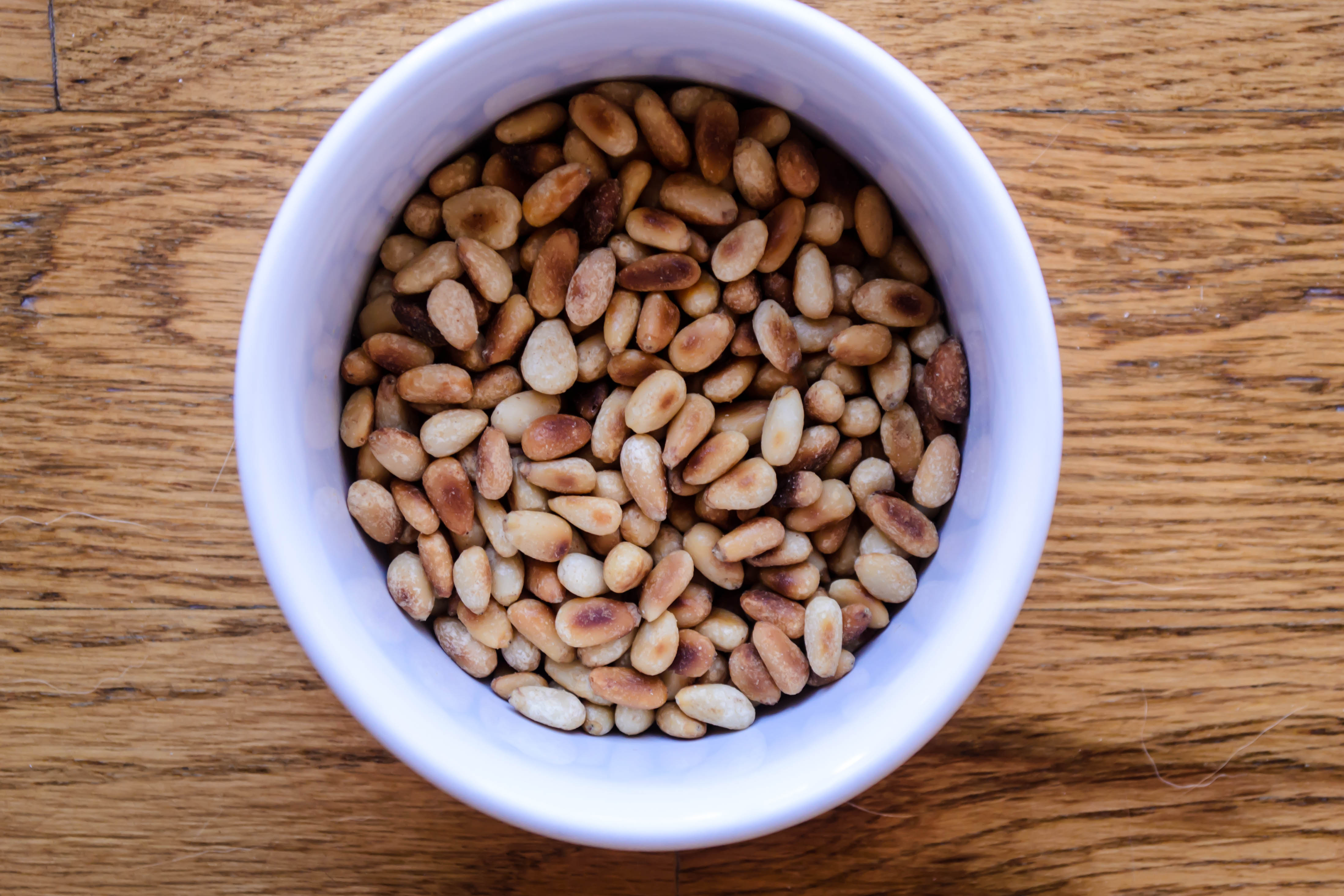
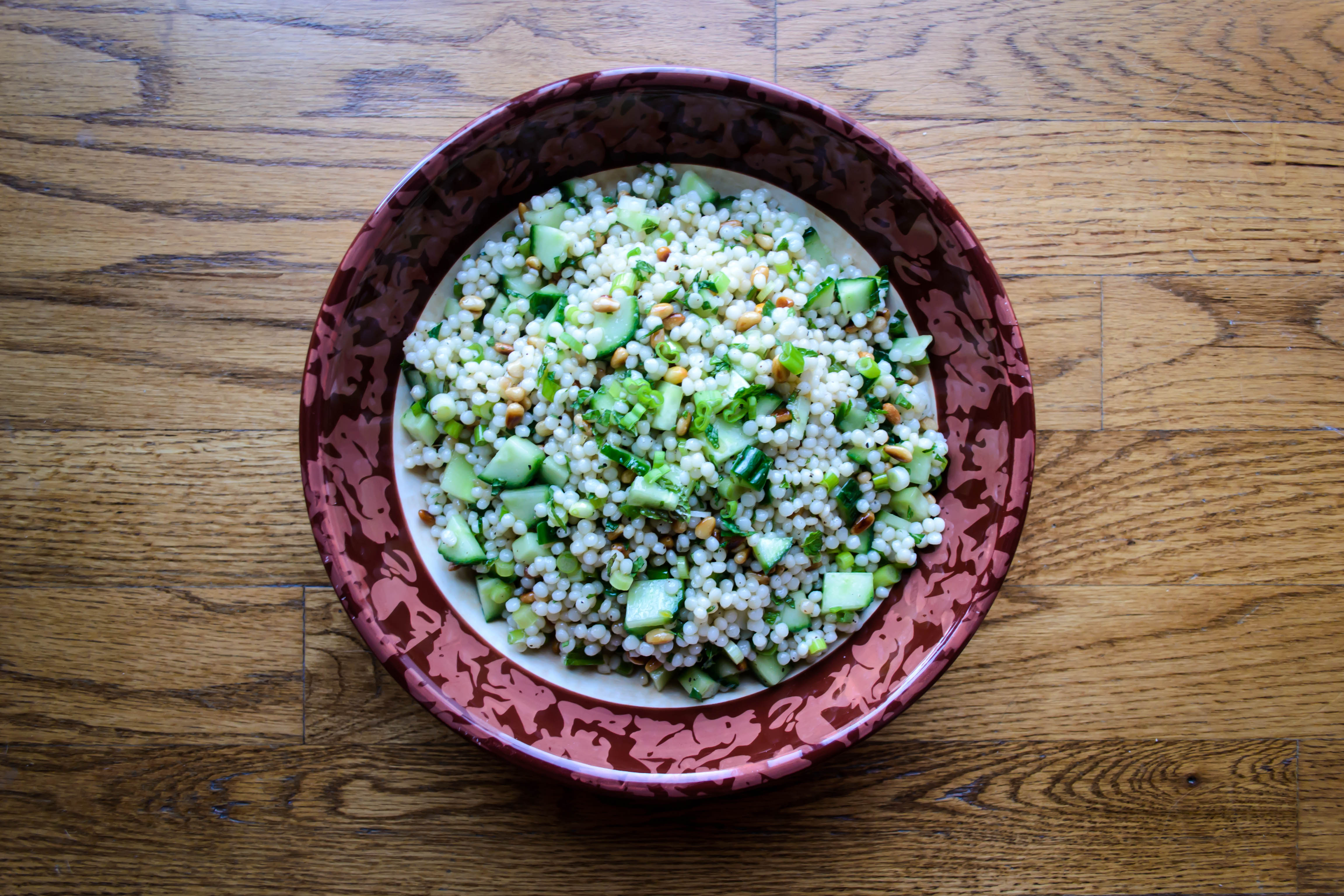
This simple Israeli couscous salad was born of a vision of combining raita and tabbouleh, though bizarrely with none of the most important ingredients for either. But that’s me. I’ve stripped away the parsley and the yogurt and the tomatoes and the bulgur wheat, and wound up with a collection of flavors and textures I’m totally in love with. And it’s so simple. Israeli couscous. Cucumber. Green onions. Mint. Pine nuts. Olive oil and lemon juice to dress. That’s it.

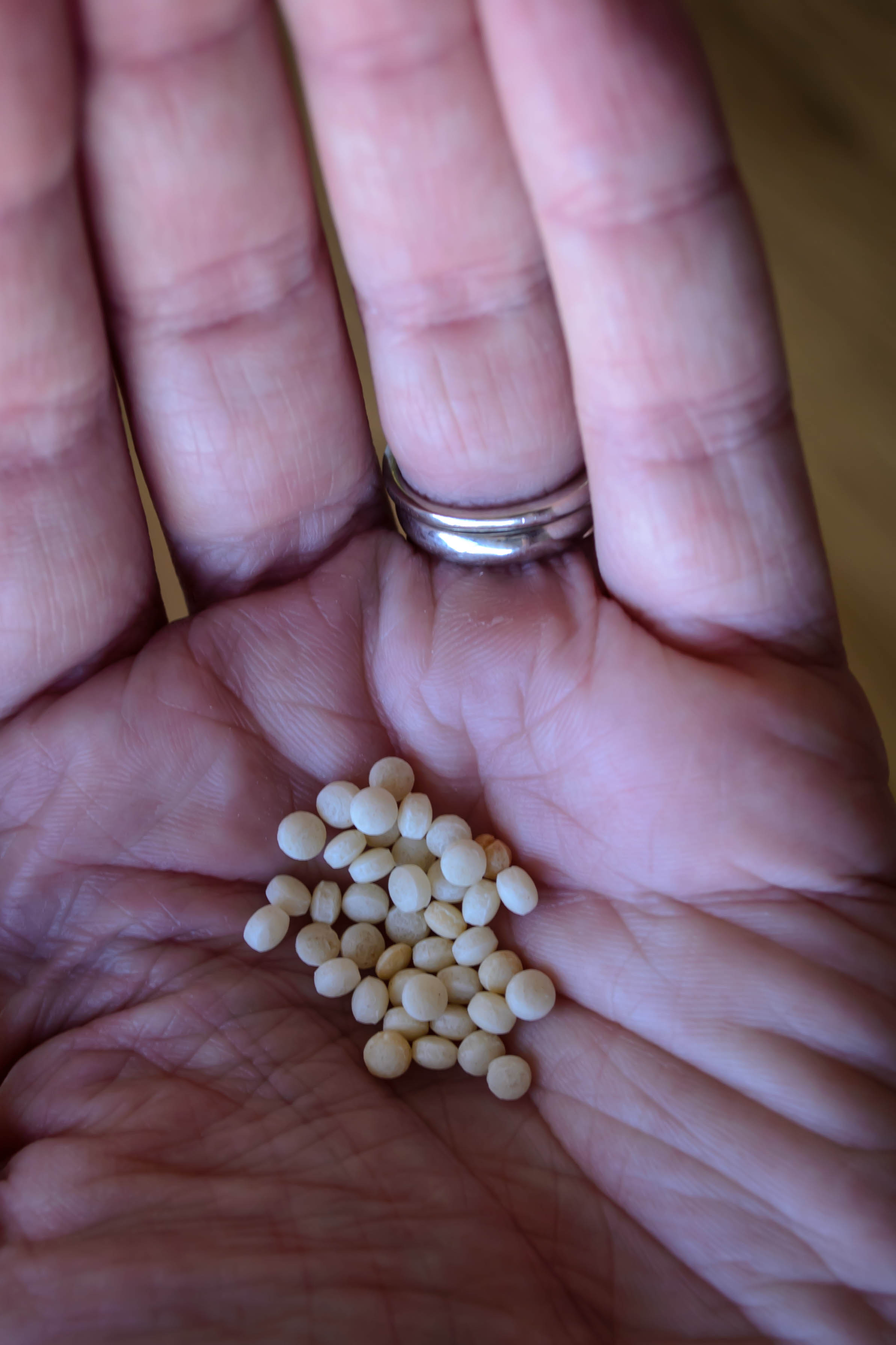
Food Blog October 2013-2641Israeli couscous, if you’ve never had it, is like a savory pile of tapioca balls, squashy and chewy and appealingly gummy. It makes a nice replacement for the bulgur wheat in tabbouleh, though it needs significantly less acid. Here, paired with the waterlogged freshness of cucumber and the creamy-crunch of pine nuts, it’s near perfect. And the mint. Guys, if you aren’t fans of mint in savory dishes, or if the last time you had it was as the leading flavor in that almost glowing green jelly spooned over a trembling haunch of lamb, you have to give it another chance. I already knew its herbal punch went well with cucumber, but I was surprised and delighted by how well it complements the pine nuts.

We ate this as a side dish for some tandoori-spiced grilled chicken and Bittman chutney one night, and then, in testament to its simple goodness, it conveniently acquiesced to be my lunch for several days in a row later that week.

You could, if you wish, add ¼ – ¼ cup halved cherry tomatoes, or shredded grilled chicken, or even a few tablespoons of yogurt for creaminess, and I think it would be stellar. But I, in an uncharacteristic display, decided not to. Restraint. For once. And I think I’m glad.

Food Blog October 2013-2652

Israeli Couscous Salad
Serves 4-6 as a side dish, 2-3 as a main salad
1 cup Israeli couscous (sometimes also called pearl or pearled couscous)
1 ¼ cups water
2-3 tablespoons olive oil
2-3 tablespoons lemon juice
¼ teaspoon salt
⅛ teaspoon black pepper
¼ cup toasted pine nuts
¼ cup sliced green onions, whites and green tops
1 cup seeded, diced cucumber
¼ cup chopped fresh mint
  • Bring the 1 ¼ cups water to a boil in a medium saucepan. Add the couscous and cook over medium-high heat until the water has absorbed and the couscous pearls are like little tapioca balls. Don’t overdo it – you want a touch of resistance to remain. These are, after all, a form of pasta.
  • When the couscous is done, drain any extra water that remains and toss with the lemon juice and the olive oil. Season with the salt and pepper to taste. Let cool to room temperature.
  • Add the pine nuts, cucumber, green onions, and mint to the room temperature couscous and serve immediately.