Apple Cheddar Waffles

2015 Blog September-0463Although I object to the idea of swapping all of your usual décor with pumpkins and corncobs the moment calendars proclaim it’s the first day of fall, by the time mid-October rolls around I’m both cool with the harvest theme and starting to crave richer, belly-warming food. I have such ideas about bread, and stews, and short-ribs, and roasted everything…
2015 Blog September-04502015 Blog September-04522015 Blog September-0455Los Angeles is making this hard lately. With temperatures in the 90s during two of the past three weekends, it’s difficult to convince myself to cook anything, much less wax poetic about its warming spices and satisfying heartiness. My bedroom feels like the inside of a dryer. I might have fleeting dreams about fluffy, toasty, steaming biscuits mounded with chili, but all I can truly imagine consuming is a series of popsicles and frozen grapes.
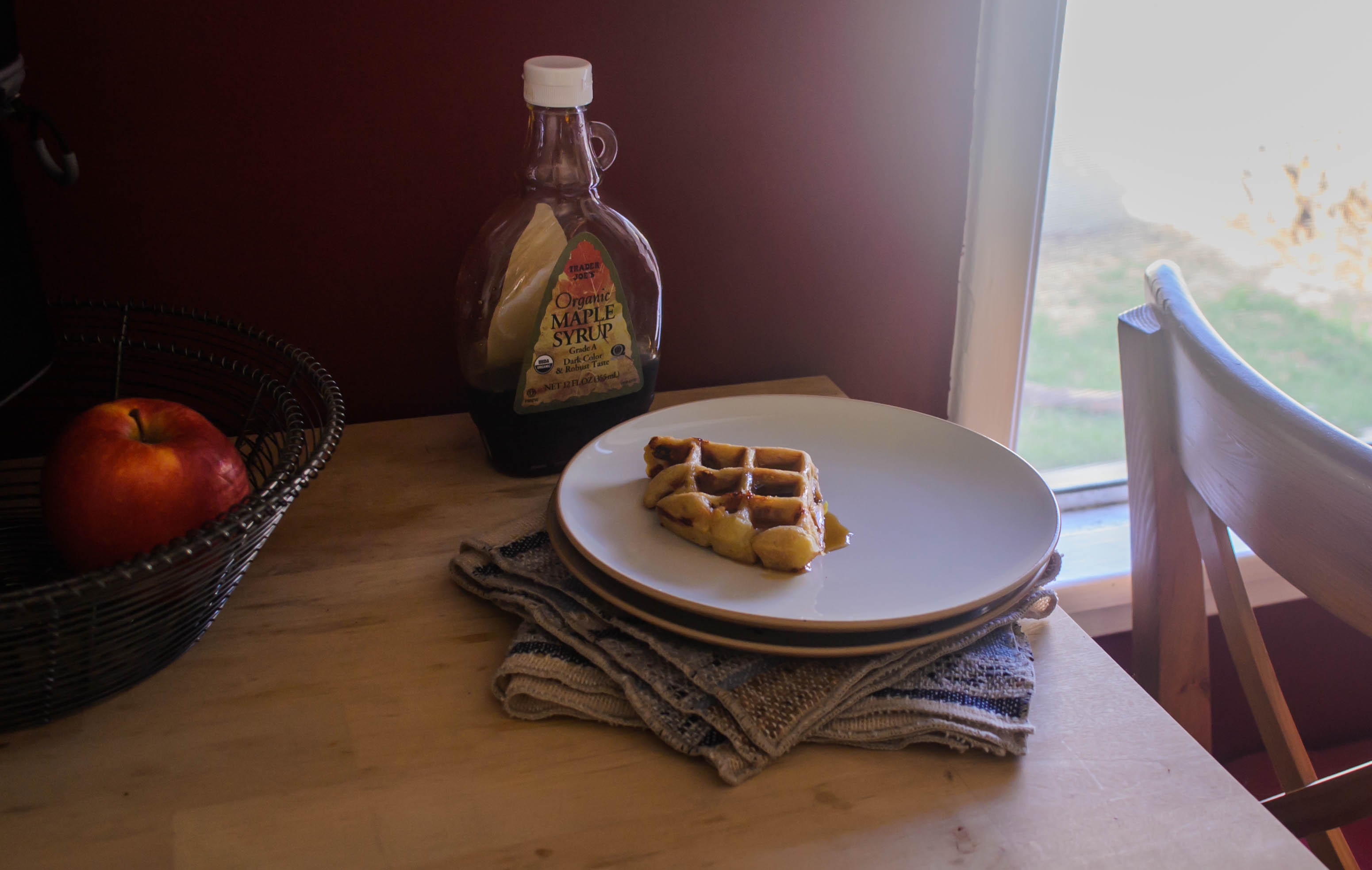
2015 Blog September-04562015 Blog September-0457But I will say, if it’s cool enough where you are that the thought of using heating implements in your kitchen doesn’t throw you into depression, you should make these waffles immediately. I first made them a month or so ago when it didn’t feel like Dante might mistake our kitchen for one of the circles of Hell. They were so good – fluffy and light from their yeasted batter, crisp and burnished with crackling edges of melted cheese – that it was only a week or two before we had to make them again. Like the grilled cheese sandwiches I pushed on you last year, they pull from the classic combination of cheddar cheese and apple pie. A wedge of salivation-inducing cheese against the sweet tartness of apple desserts is a worthy experiment in many cases, and here, soft, tender apple bits and pockets of melted cheese folded into a crisp waffle drowning in maple syrup is a combination you’re going to want to make all season, if the seasons would ever straighten themselves out. And if you simply aren’t enthused by a recipe that advertises itself with a pile of apples and sharp-as-you-can-get cheddar cheese, I’m not sure we can stay friends.

2015 Blog September-0467These start from my basic yeasted beer batter waffles recipe, which is adapted from King Arthur Flour. You can use milk instead of beer if you must, but between the yeast and the heat most of the alcohol is processed out, and the slightly bitter flavor of dark beer is such a welcome addition, balancing the rich cheese and tart apples. The first time I made these I was concerned about the apple pieces cooking all the way through in the short time they are enfolded in the waffle iron, but I needn’t have worried. They are in small enough pieces that they will cook. I like to leave the skins on for extra tartness, but you can peel them first if you prefer. Apples and cheese play well in both sweet and savory directions, so while I think a glug of maple syrup – we like to warm it up with a pinch of red pepper flakes for a little kick – makes these a complete meal, I could also see them providing a perfect raft for a moist thigh of roasted or fried chicken, or even piled with a fresh kale salad studded with walnuts and dried cherries. 2015 Blog September-0464
Apple Cheddar Waffles
Loosely adapted from King Arthur Flour
Makes about six 7-inch waffles
2-2½ hours (45 minutes active time)
1½ cups (12 ounces) lukewarm dark beer, such as a stout or a porter
1½ teaspoons active dry yeast
3 tablespoons maple syrup
6 tablespoons (3 ounces) melted butter, cooled
1 teaspoon salt
2 large eggs
2 cups all-purpose flour
1 green apple, diced into ¼ inch-½ inch chunks (1⅓ – 1½ cups, approximately)
1 generous cup grated sharp or extra sharp cheddar cheese


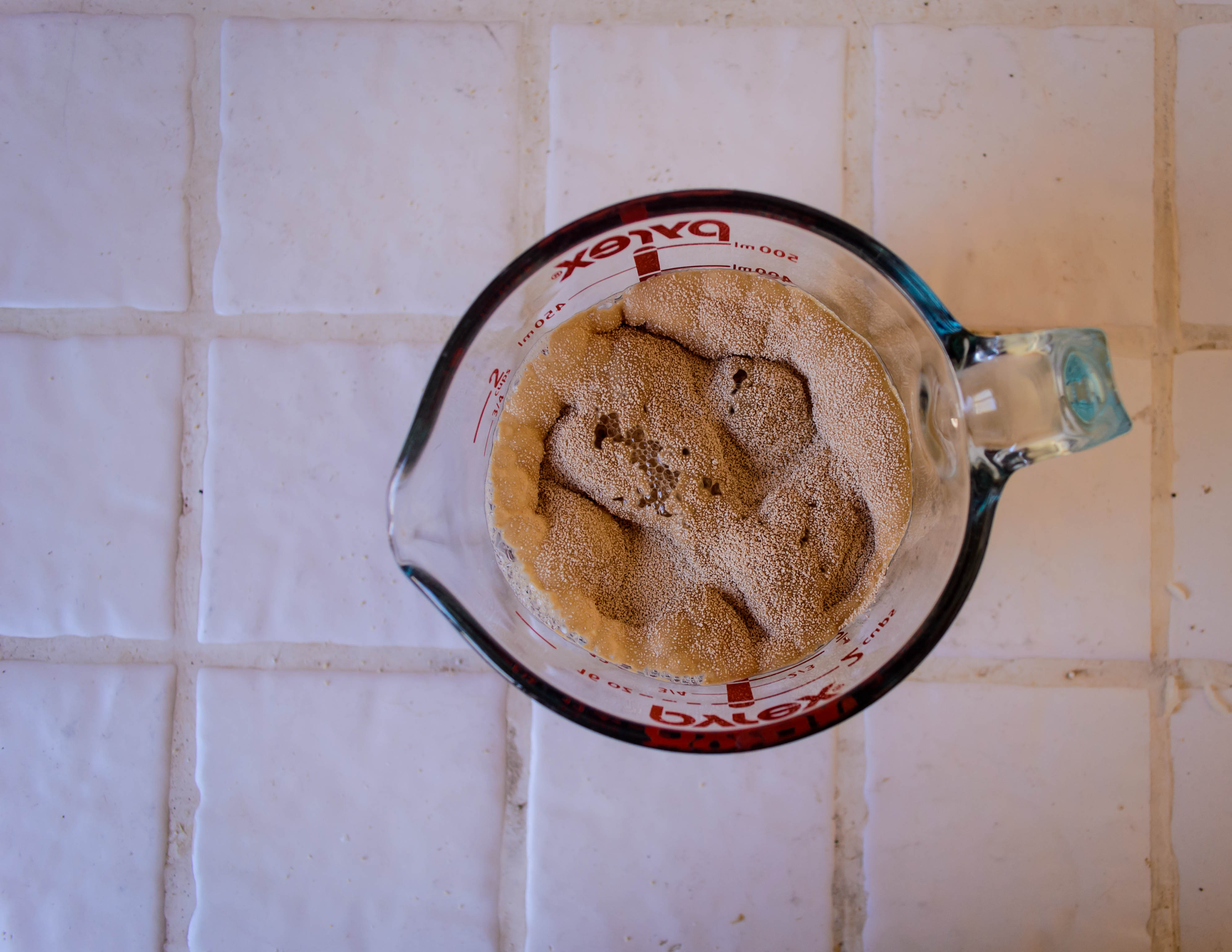
  • In a 2-cup glass measuring cup, or a small microwave safe bowl, heat the beer until just warm to the touch. Add yeast and let them mingle for 5-10 minutes. The yeast will foam up considerably, thanks to the extra sugars and yeast already in the beer.
  • While the yeast proofs, whisk together the cooled melted butter, the maple syrup, the salt, and the eggs in a large bowl. Be sure there’s room for the batter to expand.
  • Add the beer and yeast mixture and whisk to combine, then add the flour 1 cup at a time, whisking to combine thoroughly. Switch to a rubber spatula and fold in the apple chunks and the cheese. Stir well, as the cheese may want to stick together; we want it evenly incorporated.
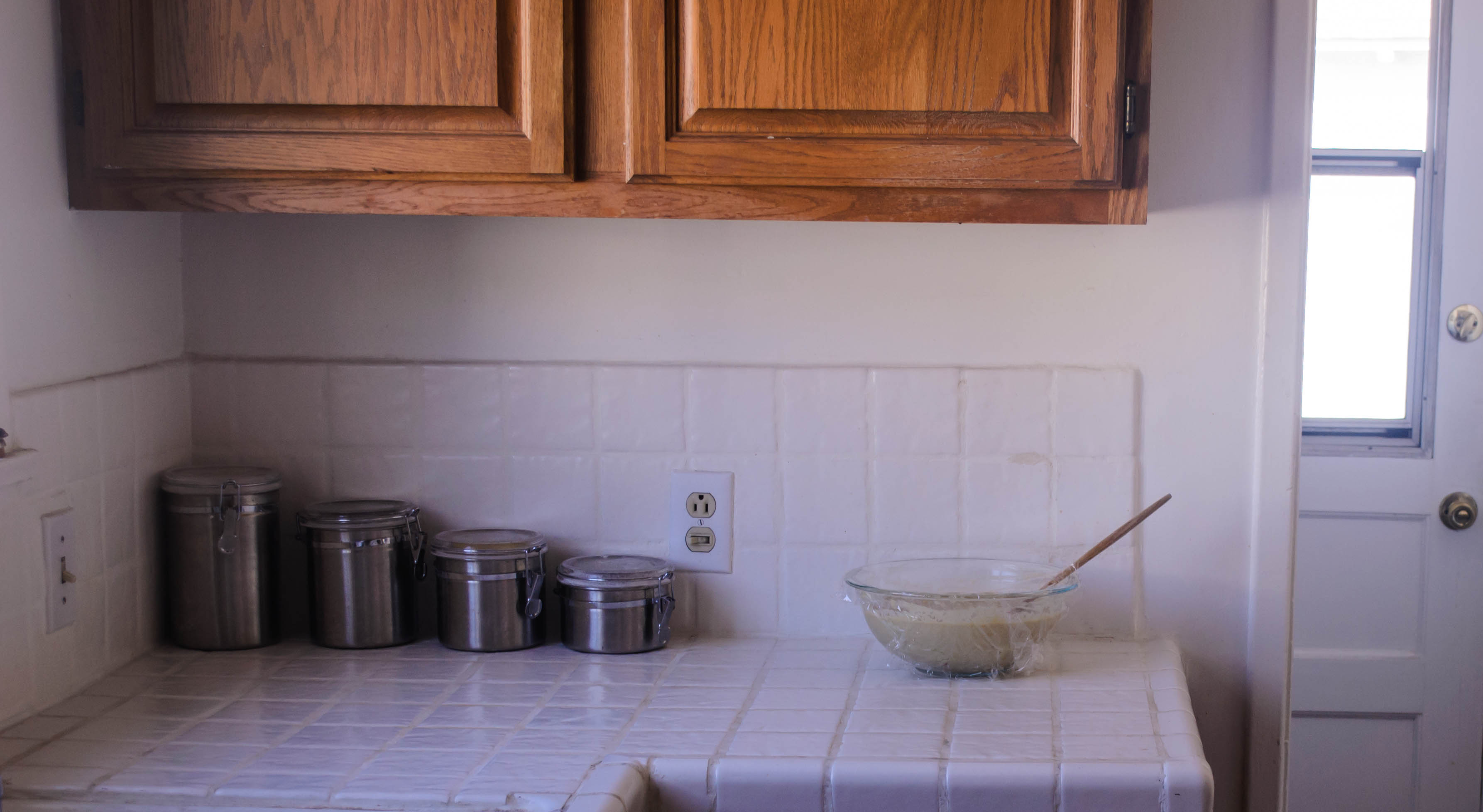
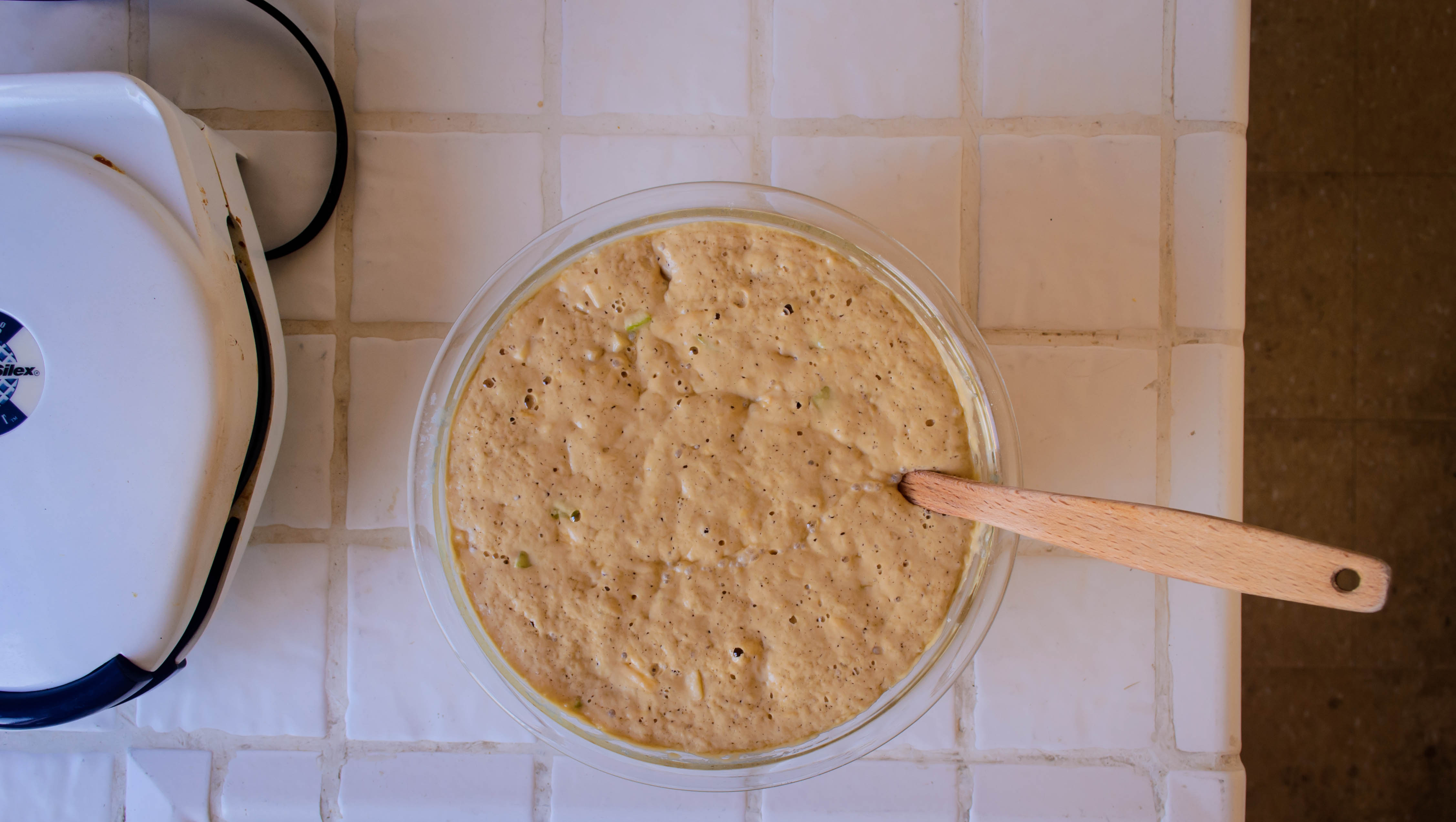
  • Cover the bowl with plastic wrap and set it on the counter for 1½-2 hours (how fast it rises and bubbles will depend on how warm your kitchen is, but longer rise = deeper flavor).  The mixture will develop lethargic and then more energetic bubbles, and begin to smell quite bready.
  • Once it has had a chance to rise and is covered with a near-consistent layer of bubbles, either stow in the refrigerator overnight, or preheat your waffle iron!
  • Drop the batter in generous ⅔ cup batches onto a preheated, greased waffle iron (or whatever capacity your iron can handle). Close the lid and cook for the recommended amount of time, or until the waffle is crisp on the outside and deeply golden, with dark crisp cheese lace protruding. Ours took about 7 minutes per waffle. (If you refrigerated your batter for a few hours or overnight, be sure to bring it back up to room temperature before cooking)
  • Serve hot with your choice of sweet pourable topping. We like maple syrup warmed with a pinch of red chili flakes in it, for a little kick. If you need to keep the waffles warm, stow them on a wire rack over a baking sheet in a 250F oven until you are ready to eat.

 

Five-Seed Loaves

2015 Blog September-0394Growing up, my sister and I ate a lot of reasonably healthy food. Mom wasn’t the “crunchy granola type,” especially not by the time my sister showed up, but her waffle recipe involved wheat germ, and my lunchtime sandwich bread always had a measure of whole wheat in it. When I got a little older, it seemed like the more seeds and nuts a loaf contained, the more likely my mom was to buy it. Nine grains? Hearty nuts and seeds? R. and I wouldn’t always eat it, but it was probably in our freezer.

2015 Blog September-0359Thus I felt a certain fondness when I started to consider this month’s Twelve Loaves assignment of seed breads. I knew I wanted multiple seeds, and I knew I wanted them on the inside and outside of my loaves. A bit of internet research led me to Suzanne’s lovely little site Flour Arrangements, and even if she hadn’t had a great seeded loaf recipe to work with and adapt, I would have been enticed by her blog’s clever title (not the mention how many great sounding loaves she’s made – I can’t wait to adapt her multigrain pumpkinseed loaf as the weather cools – I’m thinking of adding some pumpkin puree and rye flour, and maybe some oatmeal).

2015 Blog September-03642015 Blog September-0366I kept her recipe mostly the same, only replacing oil with butter and adding a few additional seeds for a total of five: sesame, poppy, sunflower, pumpkin, and flax.

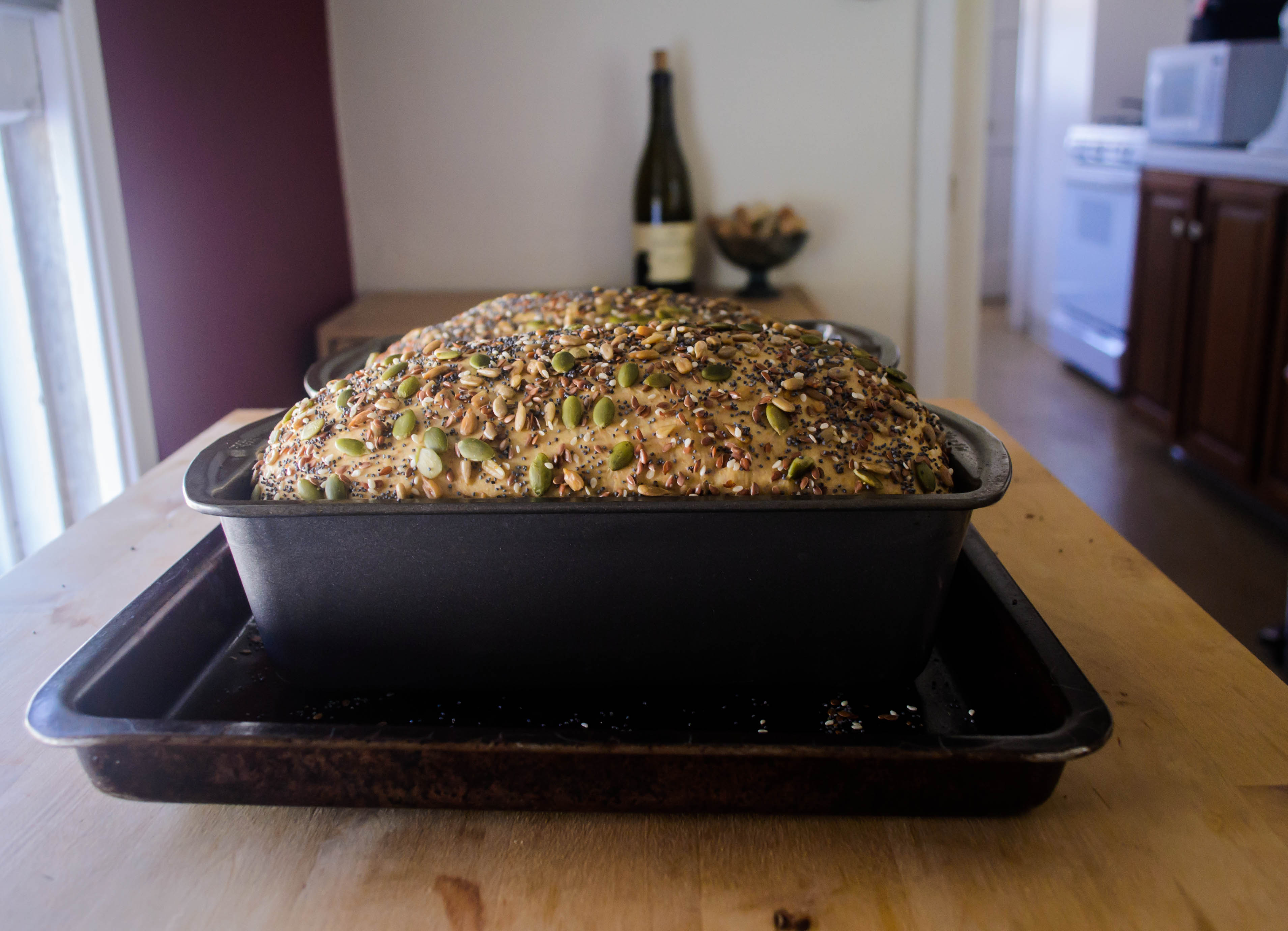
2015 Blog September-03672015 Blog September-0369I’ve been baking mainly sourdough loaves lately, trying different ratios of starter and flour, comparing notes with S. about various stirring or folding techniques instead of kneading the dough, tipping in just enough whole wheat flour to make a nutty loaf that isn’t too dense, and getting used to long, slow rise times and overnight rests in the refrigerator to develop a tangier sour flavor. Imagine my delight, then, when my bowl of dough, bolstered by its full tablespoon(!) of yeast, agreeably puffed enough to press against its plastic wrap lid in a little over an hour. Not only that, but after carefully pressing and rolling the lovely tight loaves I’d formed through a jumble of seeds, they swelled again in their pans to triumphant heights. Sourdough is delicious and tends to be my go-to for everyday toast, but it is an exercise in patience and in long-term benefits. These loaves, though they do require two rises, expand so eagerly it feels like a reward for a job well done.

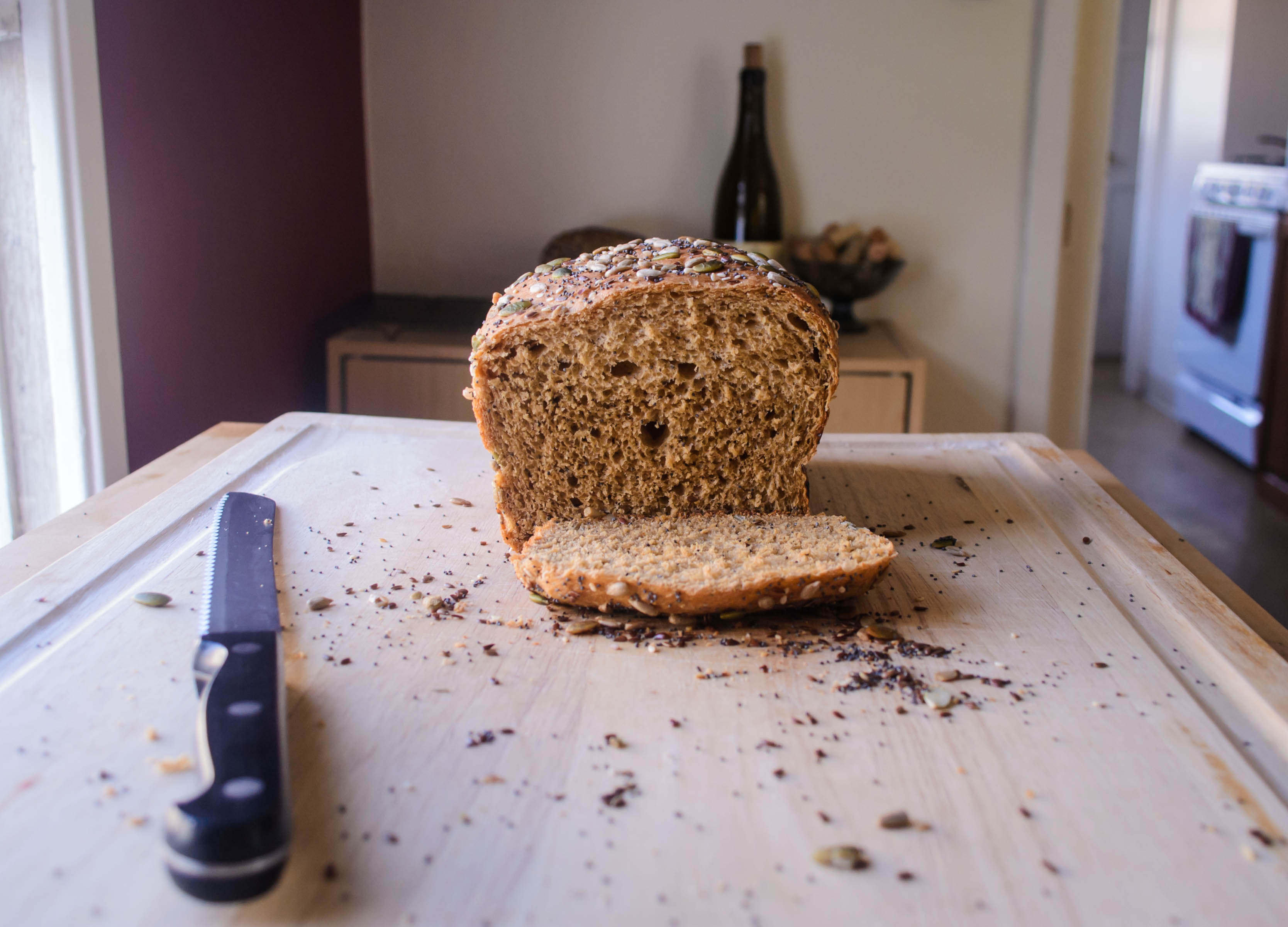
2015 Blog September-0376And really, these are a reward. Yes, the seeds you’ve so carefully pressed into the surface of the dough go everywhere – when you turn the baked loaves out of the pans, when you slice into them, when you bag and store them – but those that stay affixed offer a really nice set of flavors and textures. The heat and time in the oven toasts and crisps them lightly, and the flax seeds in particular take on a roasted taste and a slippery crunch I find incredibly appealing. And that’s just the surface. Inside, the crumb is tender and light and barely sweet, as soft as a commercially made pre-sliced loaf, but with the hearty, toasty, wholesome feel and flavor that comes with homemade.

2015 Blog September-0384You could certainly trade out the seeds here if you wanted – caraway would give a stronger anise-y feel, tiny nigella or black onion seeds would make for a more savory flavor, maybe good for meat or tomato based sandwiches. But I am devoted to sweet breakfast toast, and this bread, toasted or not, welcomes salted butter and cinnamon sugar so nicely I must admit I never explored beyond that combination.

2015 Blog September-0390

Five-Seed Loaves
Adapted from Seeded Wheat Bread on Flour Arrangements
Makes 2 9×5 inch loaves
4-5 hours, approximately (including rising/resting time)
¾ cup warm water
1 tablespoon active dry yeast
pinch white sugar
1 ½ cups warm milk
2 cups whole wheat flour
5 tablespoons poppy seeds, divided
5 tablespoons sesame seeds, divided
3 tablespoons very soft or melted butter
¼ cup molasses
1 tablespoon salt
3-4 cups bread flour
¼ cup sunflower seeds
¼ cup pumpkin seeds
3 tablespoons flax seeds


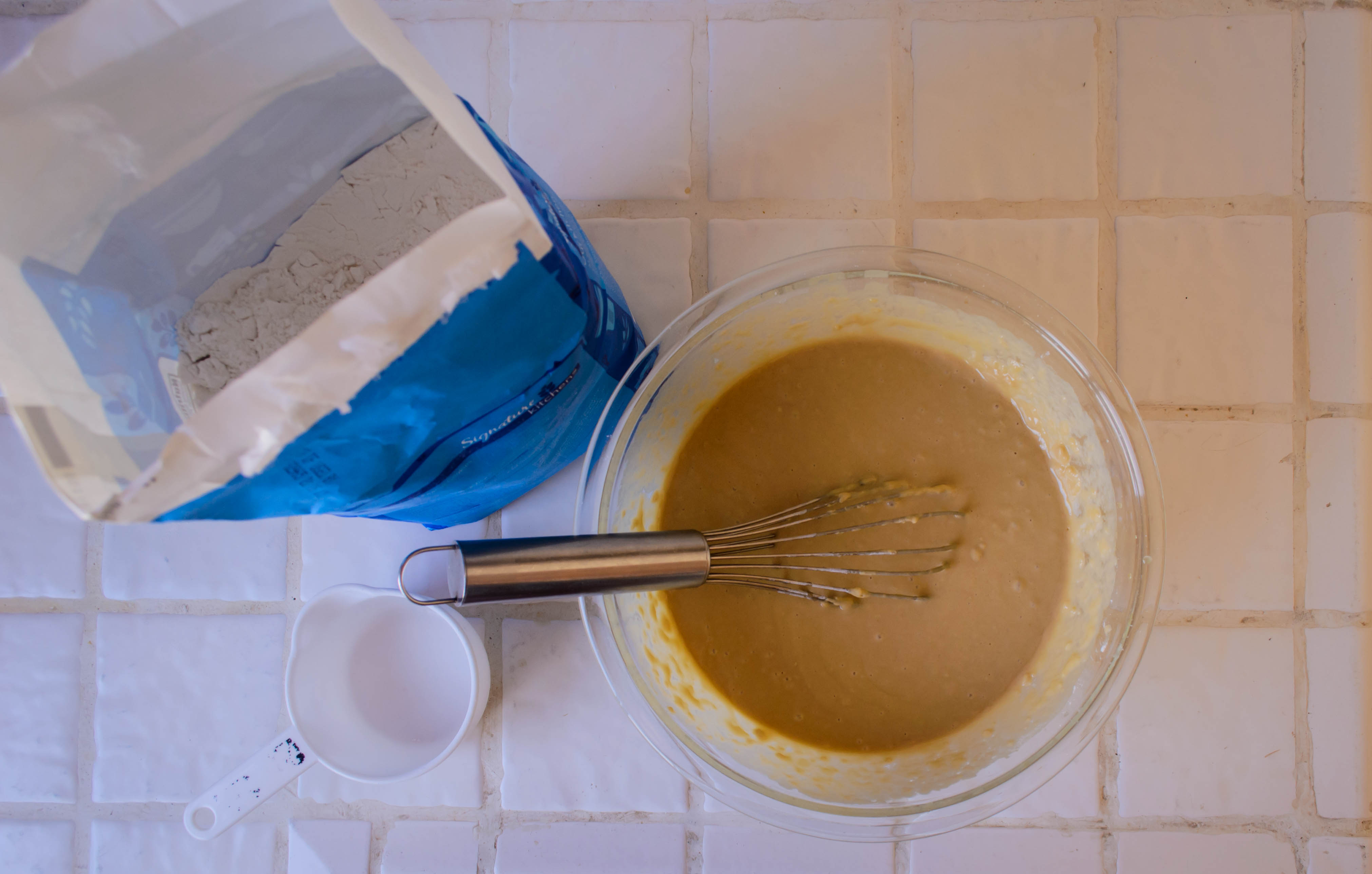
  • In the bowl of your stand mixer, or in a large bowl if you aren’t using a mixer, combine the warm water with the yeast and the pinch of sugar. Stir and let it sit for about 10 minutes until the mixture smells bread-like and the yeast has foamed up a bit.
  • Add the milk, whole wheat flour, butter, molasses, and salt to the yeast mixture. Add two tablespoons each of the poppy seeds and sesame seeds. Mix with the paddle attachment or with a wooden spoon until well combined.
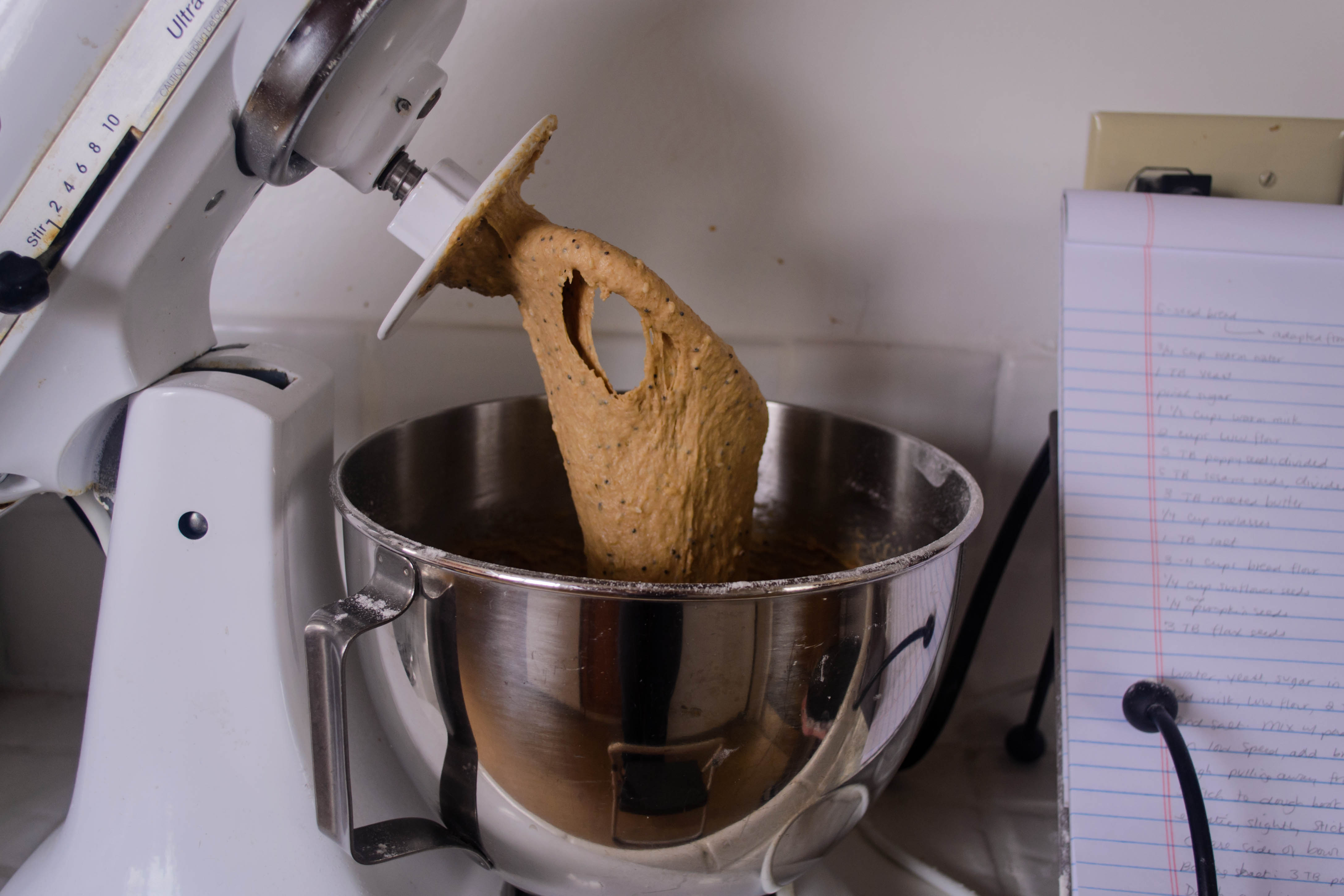
  • With the mixer running on low speed, add the bread flour ½ cup at a time until you have a soft dough that pulls and tears away from the sides of the bowl. I needed all 4 cups of the flour, as it was a bit humid in my kitchen – you might need less depending on the day.
  • If you are using a stand mixer, switch to the dough hook. If you are mixing by wooden spoon, now is the time to turn the dough out onto a floured surface. Knead on medium speed for about 5 minutes if you are working by machine, or about 7-8 minutes by hand, to form a smooth and elastic but still sticky dough. It will still droop and pull when you stop kneading, not sit firmly in a cohesive ball. That’s okay. This ensures a more tender loaf.
  • Lightly grease the sides of a large bowl (I just use the stand mixer bowl; you don’t even have to clean it out) and position your dough in the middle of it. Cover tightly with plastic wrap and let it rise until doubled – 1½-2 hours, depending on how warm your house is.
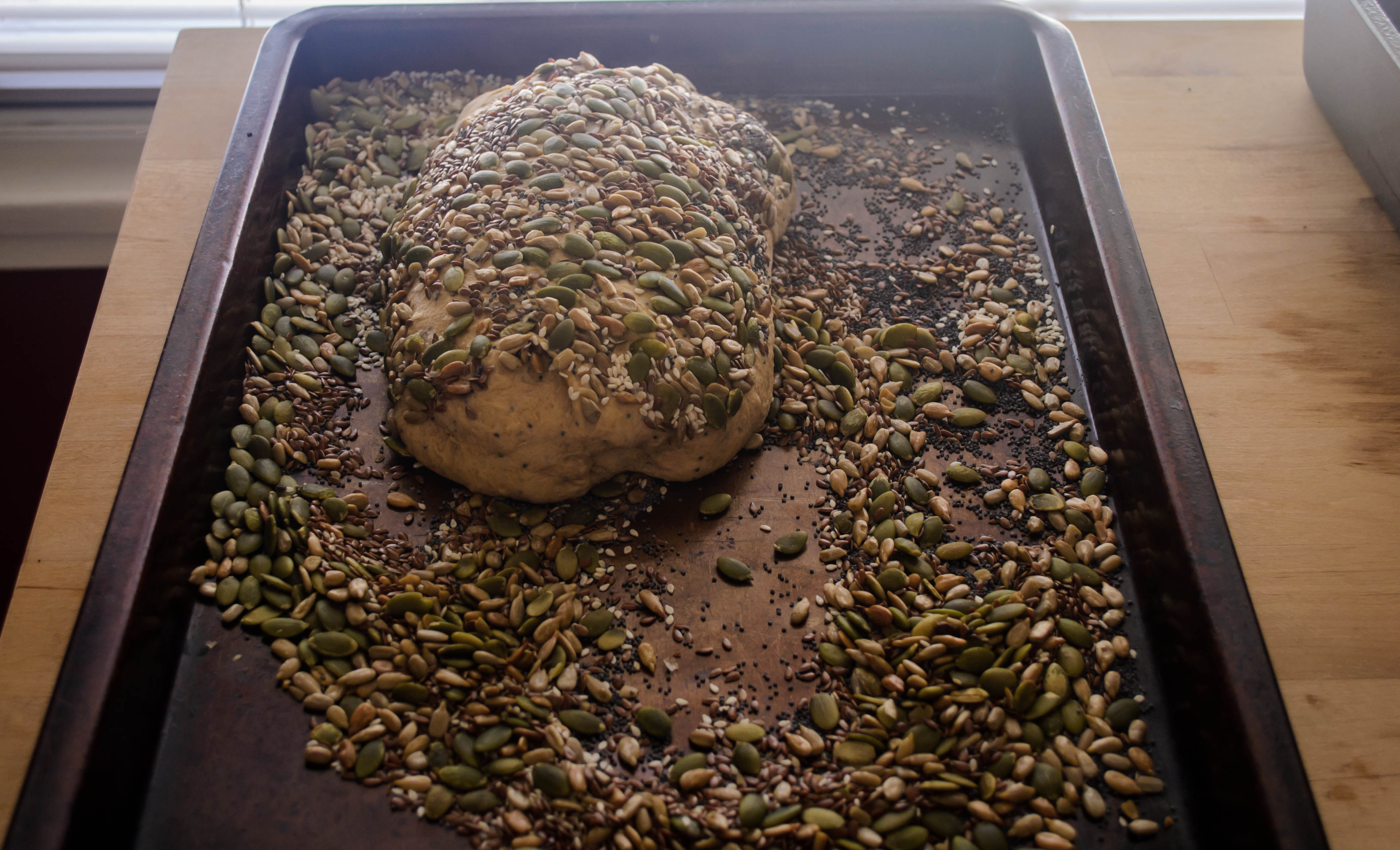
  • As the rising period nears its end, combine the remaining 3 tablespoons poppy seeds, 3 tablespoons sesame seeds, and the sunflower, pumpkin, and flax seeds on a baking tray. Butter or grease two 9×5 inch loaf pans and set aside.
  • Punch down the risen dough to release trapped gas by gently depressing your fist into its center, then turn it out onto a very lightly floured board (too much flour and the seeds won’t stick). Divide the dough in equal halves, shape into tight loaves and roll each one in seeds, turning to coat the ends, or just pushing a palmful of seeds against the ends of the loaves.
  • Set the seed-coated loaves gently in the prepared loaf pans, pat remaining seeds on top and drizzle down into the corners. Drape lightly with plastic wrap and let rise again for about 45 minutes, until doubled once more. They swell beautifully.
  • About twenty minutes before the rising period ends, preheat your oven to 375F. When the loaves are fully risen, remove the plastic wrap and place them gently into the oven to bake for 30-40 minutes. To test for doneness, either use a digital thermometer and check for a temperature between 180-200F, or thump the bottom lightly for a hollow sound.
  • Cool loaves in pans at least 20 minutes, then turn out onto wire racks to cool completely before slicing. At all manipulation, seeds will scatter everywhere, but the flavor and texture are worth the mess.


Check out what our other awesome Twelve Loaves bakers made this month, below:

#TwelveLoaves is a monthly bread baking party created by Lora from Cake Duchess and runs smoothly with the help of Heather of girlichef, and the rest of our fabulous bakers.

Our host this month is Lora from Cake Duchess and our theme is Seeds. For more bread recipes, visit the #TwelveLoaves Pinterest board, or check out last month’s selection of #TwelveLoaves Malt Breads!

For more bread recipes, visit the #TwelveLoaves Pinterest board, or check out last month’s selection of #TwelveLoaves Malt Breads!

If you’d like to bake along with us this month, share your Seed Bread using the hashtag #TwelveLoaves!

Bourbon vanilla pastry cream over pan-roasted stone fruit

2015 Blog August-0309After a few scrapped drafts of this post, both on the computer and in the kitchen, I’ve decided it’s basically a food representation of “To a Mouse” by Scottish poet Robert Burns. Though the title may not ring familiar, it contains perhaps the most famous – or at least well-known – line of his whole oeuvre: “the best laid plans of mice and men gang aft agley” or, if you’re not adept in 18th century Scottish diction, “often go awry.”

2015 Blog August-0265Things go awry. They just do. In this case, the inspiration, the trial run, the ingredient acquisition, and even the writing itself (there are two previous drafts of this post in my trash can that I never want to see again), all caused enough problems that this post almost didn’t happen.

2015 Blog August-0274But I’m getting ahead of myself. Let’s back up to bourbon. Through a conversation with a friend and former colleague on Facebook, I assigned myself a project: she said she’s been experimenting with bourbon dessert sauces, and wanted tips. In particular, she’s interested in a bourbon vanilla sauce that would be good served over ice cream and peaches. There had been texture and thickness and sweetness imbalances along the way, and I was immediately hooked on the challenge.

2015 Blog August-0278For the next month I took this sauce through a ridiculous number of mental transformations – at first it was going to be a riff on this nutmeg sauce, then it was going to be more like a caramel, and then it was going to be akin to a crème anglaise, thickened with egg and carefully tempered. Never mind that pouring what is essentially unfrozen, unchurned ice cream over a bowl of ice cream seems excessive.

2015 Blog August-0282The crème anglaise plan, though, went awry, as you might have suspected. I crawled out of the kitchen leaving behind a bowl of curdled weirdness that had used up the last few tablespoons of bourbon in the house and refused to think about it for a few days. It wasn’t an eggs scrambling problem. It was a two-fold issue, I think, of poorly managed temperature differences, and the fat in the sauce not getting along with the quantity of alcohol I added.

2015 Blog August-0285When I tried again, the sauce had, again, transformed. Now, in a house with limited air movement, during a patch of quite warm weather, as the sun slowly dripped across our roof, sauce seemed too fast-moving. As if echoing my own sluggishness in my appetites, I wanted something thick and smooth to dollop atop a piece of fruit. And I wanted it to be ice cold.

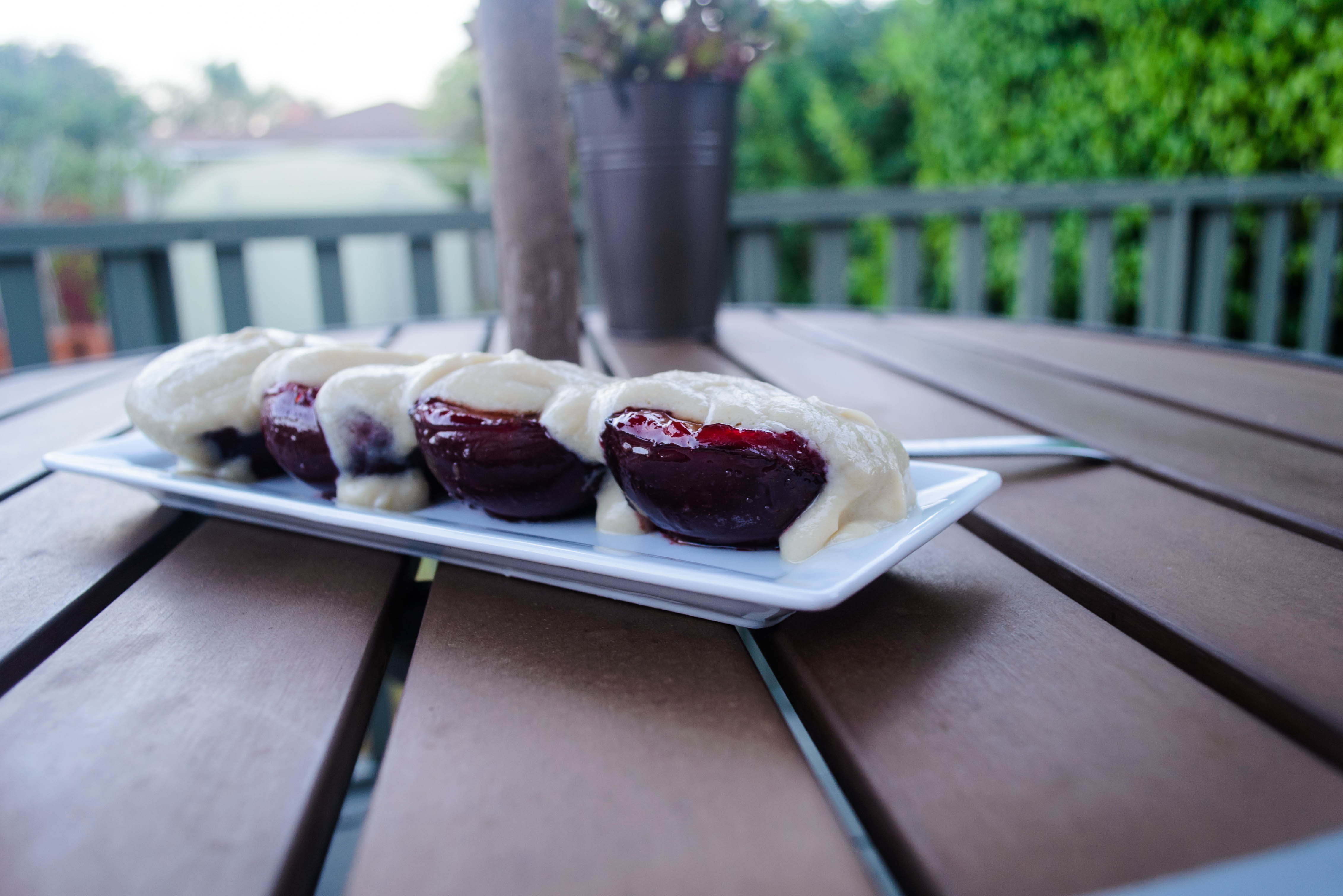
2015 Blog August-0307So I ended up with a pastry cream. This is not a sauce, B., even though that’s what you were after. It’s not particularly easy or quick, and it’s almost not even pourable. What it is, though, is rich, and cold, and thick, and strongly bourbon-y (so make sure you choose one you like!), and magnificent draped thickly over whatever stone fruit you happen to have. It’s also a good option for entertaining, because once it has been cooked it needs to chill for a few hours, which makes it very easy to casually slide it out of the fridge, spoon it thickly over a row of grilled or pan-roasted plums, or peaches, or apricots, and sit back down again before your guests really registered you were “making” dessert.

2015 Blog August-0308This, then, seems an apropos message for the week before the semester starts up again: things go wrong. They are going to go wrong. And then you have to decide what you’re going to do about it and work it out. So if you’re expecting hiccups, and imperfections, and requisite second takes, you’ll likely be calmer and cooler in the long run. Not a bad state of being in a heat wave or a first week of school. And if we’re being absolutely honest, having a new bottle of bourbon in the house during that week is not a bad state of being either. Just in case.

2015 Blog August-0318

Bourbon Vanilla Pastry Cream over Pan-Roasted Stone Fruit
Makes 2 – 2½ cups of cream
For the pastry cream:
2 cups half and half or 1 cup cream and 1 cup milk
¼ cup + 2 tablespoons bourbon, divided
Pinch of salt
½ cup sugar, divided
4 egg yolks
3 tablespoons cornstarch
1 tablespoon vanilla
2 tablespoons cold butter
For the roasted stone fruit:
1 whole plum OR ½ a peach OR 2-3 apricots per diner
1 tablespoon raw sugar per diner
Pinch ground black pepper, optional (best on plums, I think)
2 tablespoons butter


  • To make the pastry cream, heat the half and half (or milk and cream mixture), ¼ cup of the bourbon, 6 tablespoons of the sugar, and the pinch of salt in a small saucepan over medium heat. Bring it to a bare simmer. We don’t want it to reach a full boil.
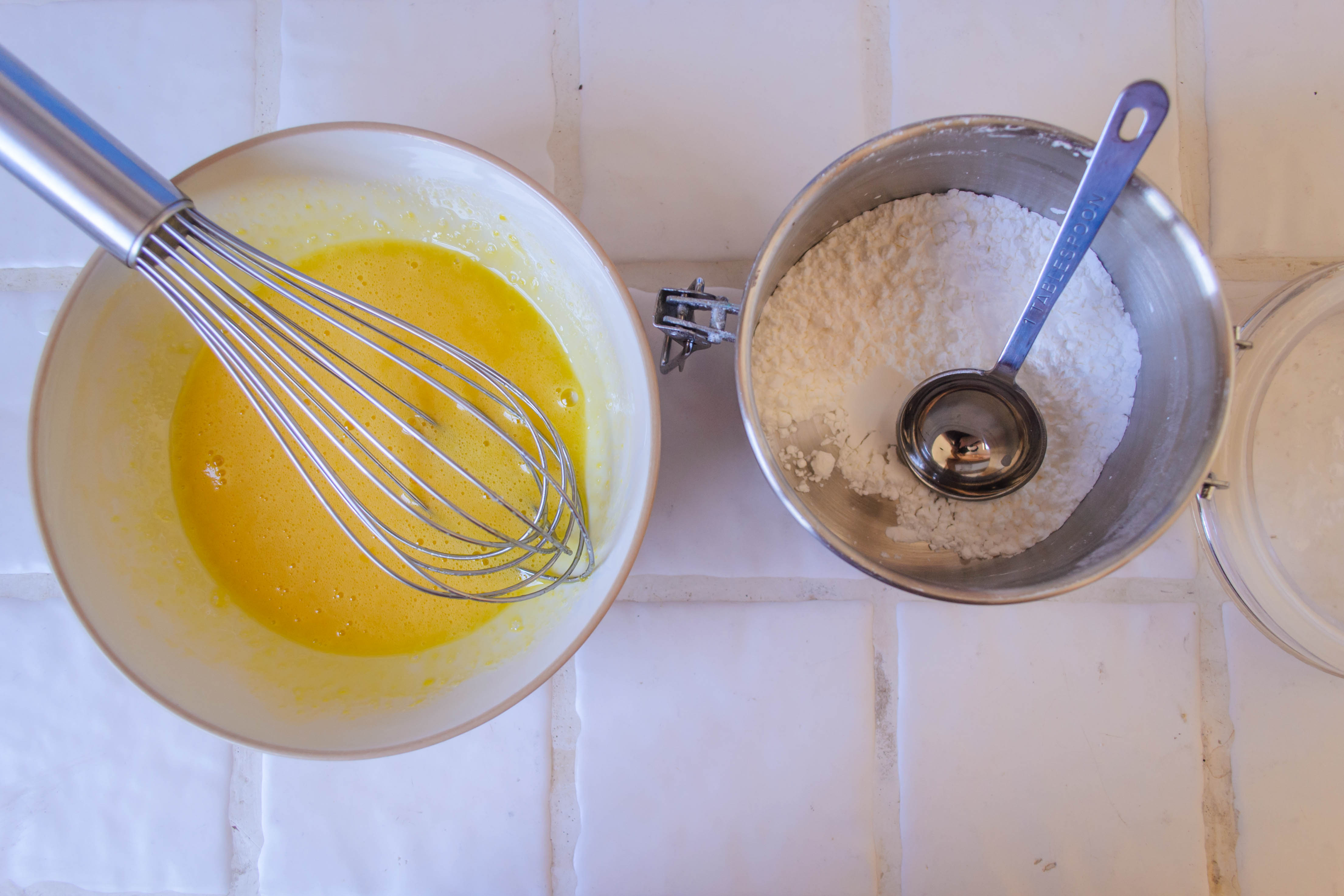
  • While the liquid mixture warms, whisk the egg yolks together with the remaining 2 tablespoons of sugar in a small bowl. Beat well until you can no longer feel any graininess from the sugar.
  • Whisk the cornstarch into the yolk and sugar mixture until all powder is gone and the mixture becomes thick and pale. It will take on a texture like melted ice cream.
  • When the milk mixture has come to a simmer, remove it from the heat and dribble about 2 tablespoons of it into the yolks, whisking furiously and continuously. This tempers the egg yolks – that is, heats them up just enough so that when they are added to the pot, they will be less likely to scramble.
  • Now, take a breath and a firm hold on your whisk, and pour the yolk mixture into the pot of milk, whisking continuously. Place the pot back over medium heat and continue to whisk until the mixture returns to a simmer. It will quickly become very thick – a bit like slightly diluted mayonnaise in texture – and take on a glossy sheen. The occasional big, sluggish bubble might emerge.
  • Once the mixture simmers, remove it from the heat and add in the vanilla, the remaining 2 tablespoons of bourbon, and the cold butter. Whisk continuously until the butter has melted in and everything is combined.
  • Pour the hot pastry cream through a fine sieve or mesh strainer into a bowl. Stir and push through with a spatula to catch any solid bits of egg or other unwelcome textural imperfections.
  • Place a piece of plastic wrap directly against the surface of the hot pastry cream (this prevents it from developing a “skin” across the top) and deposit it in the refrigerator until well chilled. The finished product will be approximately the thickness of mayonnaise.
  • When dessert looms near, prepare the fruit. Cut each fruit in half and twist or cut out the pit. Set halves cut-side up and sprinkle the exposed flesh with the raw sugar, using about 1 tablespoon per serving (so if you’re serving peaches, you might want less fruit per person than if you’re serving apricots. Either way, evenly distribute 1 tablespoon of sugar per serving over the halves of fruit). Sprinkle on the pinch of black pepper, if using.
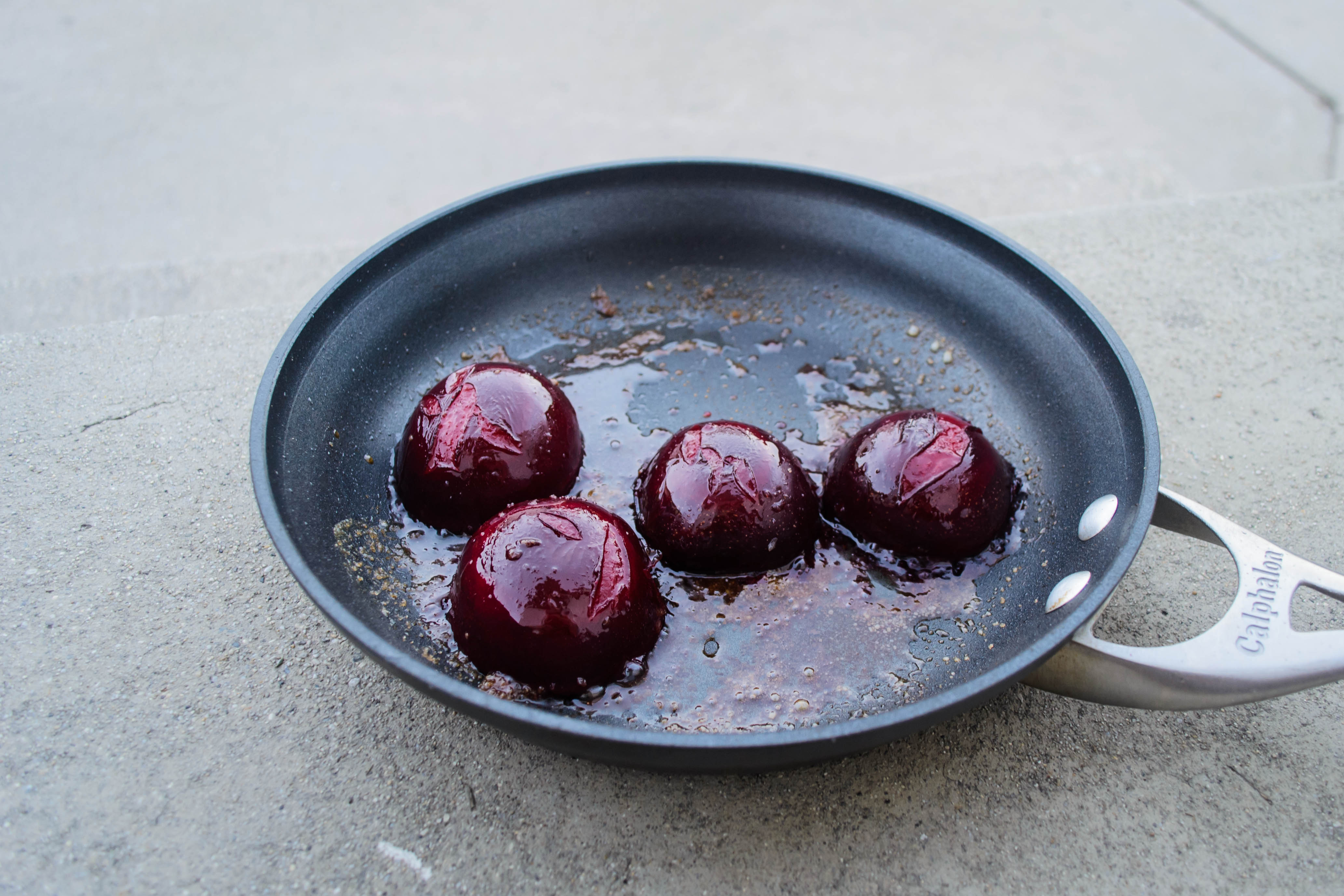
  • Heat the butter over medium-high heat in a skillet large enough to accommodate all of the fruit halves. When it sizzles, add the fruit, cut-side down, and let it cook undisturbed for 2-3 minutes, until the sugar is well melted and has caramelized into the fruit.
  • Flip the fruit over so it is cut-side up and cook another 2 minutes, until the skin wrinkles and tears a bit. This will result in fruit that is warmed through, but still firm to the bite. If you like your fruit softer, cook a few minutes longer or cut into smaller pieces.
  • To serve, position the fruit cut-side up on a plate, and dollop on a few spoonfuls of the pastry cream. If you go back for seconds, consider letting a friend drive you home.


Arugula and Feta Pasta with Lemon Garlic Crumbs

2015 Blog August-0259I know what you must be thinking. I rhapsodize about meatballs, toss around semi-exotic ingredients you might have to go to multiple stores to obtain, advocate that you turn zucchini into noodles, and then disappear for almost three weeks with only a few photos to tide you over.

2015 Blog August-0227During those weeks, I must admit I didn’t cook much. We were traveling, making our annual pilgrimage to Oregon where we attended a wedding, stayed with good friends, single-handedly prevented the Cascadia quake by staying in a hotel that overlooked the ocean, N. bought a banjo, and I pulled a muscle in my back. (We also discovered the glory that is a chocolate stout float, but more on that in a few weeks.)

2015 Blog August-0237Not much makes you look forward to an eight-hour car ride less than having a pulled muscle in your lower back. Apart from trying to get comfortable and working to stay awake through the muscle relaxers I was taking (man do those things knock you out!), I sorted through what had become unexpectedly difficult to accomplish without the muscle just left of your spine: spitting out toothpaste without dribbling it down your front. Shimmying into a pair of shorts – your feet and ankles are suddenly so far away! Rolling over in bed. Hobbling across the street at a snail’s pace while the kindly drivers on either side regret waving you forward. Filling and then draining off a pot of pasta water.

2015 Blog August-0240Cooking, thus, when we got home, had to be simple at first, and required some of N.’s help for the parts that had become surprisingly heavy. Fortunately, I’d been hoping to repeat this simple little pasta dish: capellini, also known as angel hair, tangled together with lightly wilted arugula and salty crumbles of feta, topped with an aromatic, heavy dose of crunchy breadcrumbs flavored with garlic and lemon zest. The whole thing only uses two pans, it requires only a handful of ingredients, none particularly exotic, and it takes a mere twenty minutes or so to throw together, since most of the prep and cooking of the breadcrumbs can be done while you’re waiting for the pasta water to boil.

2015 Blog August-02422015 Blog August-0243

2015 Blog August-0246If you aren’t accustomed to having arugula in your fridge, you should be – it’s a wonderful go-to green for salads and a refreshingly different take on pesto. Delicate but peppery, it’s also called rocket and is one of my favorite salad bases. As for the topping, I’m using panko – those delightfully brittle shards that are Japan’s answer to the breadcrumb, and unquestionably my favorite type. You wouldn’t want them for your meatballs, where the goal is light, springy absorbency, but once toasted, they make an addictively perfect crisp topping for basically anything. Since they don’t taste like much, I’ve bumped up the flavor with lemon zest, a healthy bit of grated garlic, and some red pepper flakes for N., who likes that hit of warmth on the back of the throat.

2015 Blog August-0249Coming home at the beginning of August is a bittersweet proposition, because at once it means a glory of summer fruits and more vegetables at the Farmers’ Market than my market bag or my wallet can handle, but it also means the first day of classes looms ever closer on the horizon. And as nice as it is to be home, the fact that it will be at least another year before we see all the friends we just hugged goodbye is a pang quite different from my slowly healing back muscle. This week, then, we’ve covered a bit of the bitter, with the peppery greens and the briny sharpness of the cheese. Next week, inspired by a bourbon-loving friend I didn’t get to see on this trip, I want to make up for it with something sweet.

2015 Blog August-0252

Arugula and feta pasta with lemon garlic crumbs
Serves 4 very hungry diners, or 6 less hungry diners
6 tablespoons olive oil, divided
1 cup panko breadcrumbs
¼ teaspoon salt
¼ teaspoon red pepper flakes
1 tablespoon grated garlic (from about 4 cloves)
1 tablespoon lemon zest (from 1 large or 2 small lemons)
8 ounces capellini or angel hair pasta
¼ cup fresh lemon juice (from 1 large or 2 small lemons)
5-6 ounces baby arugula
4 ounces feta, crumbled


  • Heat a large, lidded pot of well-salted water over high heat. When it comes to a boil, add the capellini and cook according to package directions. While you wait for the water to boil, however, make the breadcrumbs and prep the other ingredients, as detailed below.
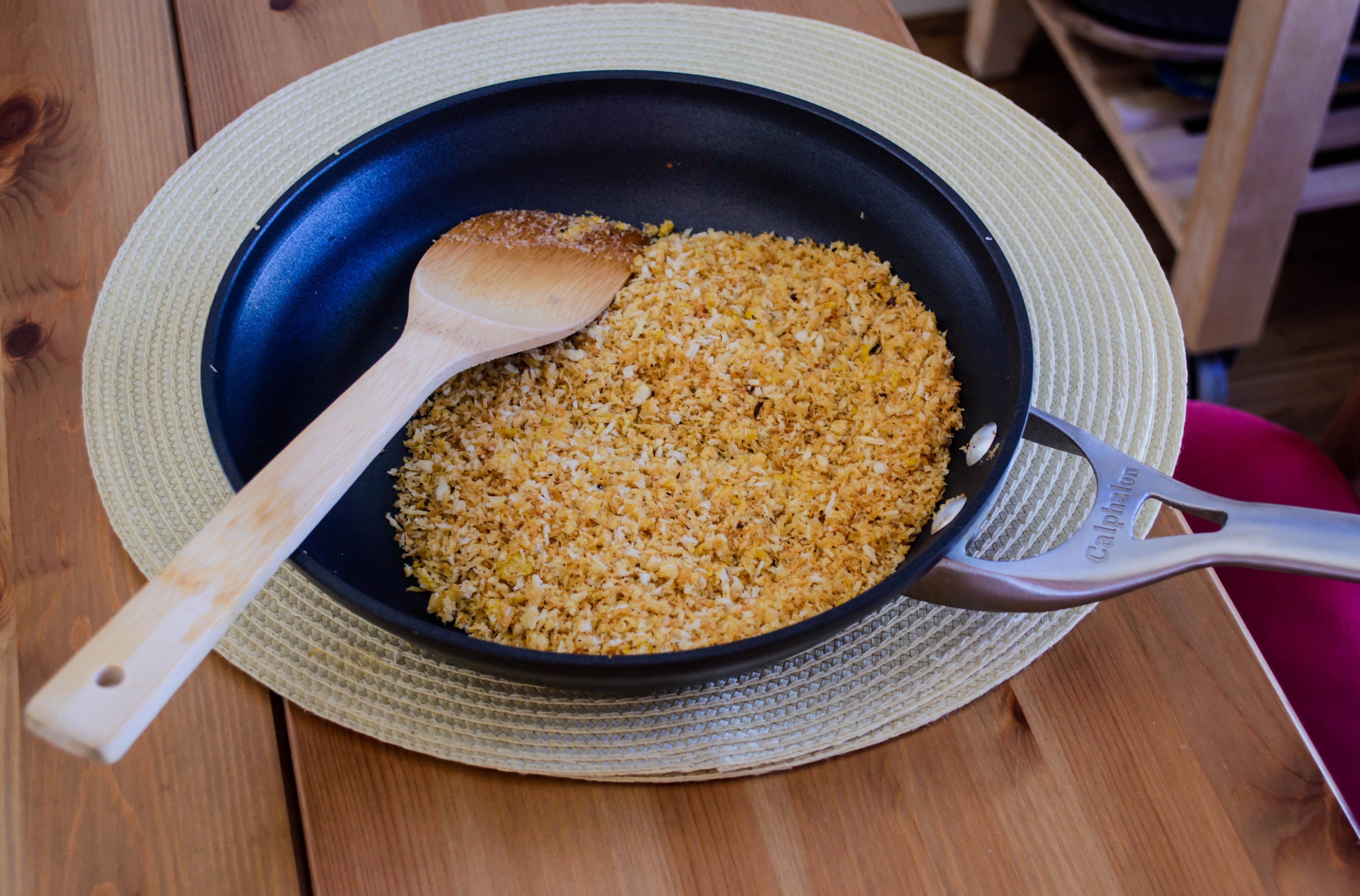
  • Heat 2 tablespoons of the olive oil in a 10-inch skillet over medium heat. When it is shimmering, add the panko breadcrumbs, the salt, and the red pepper flakes. Toast over medium heat, stirring almost constantly to brown evenly and prevent burning.
  • When the crumbs are golden, which for me was about 2-3 minutes, add the grated garlic and lemon zest and stir well to evenly distribute. The zest and garlic will want to clump up, so stir assertively. Cook, stirring, for another 1-2 minutes until the mixture is fragrant and nicely browned. Remove from heat and set aside.
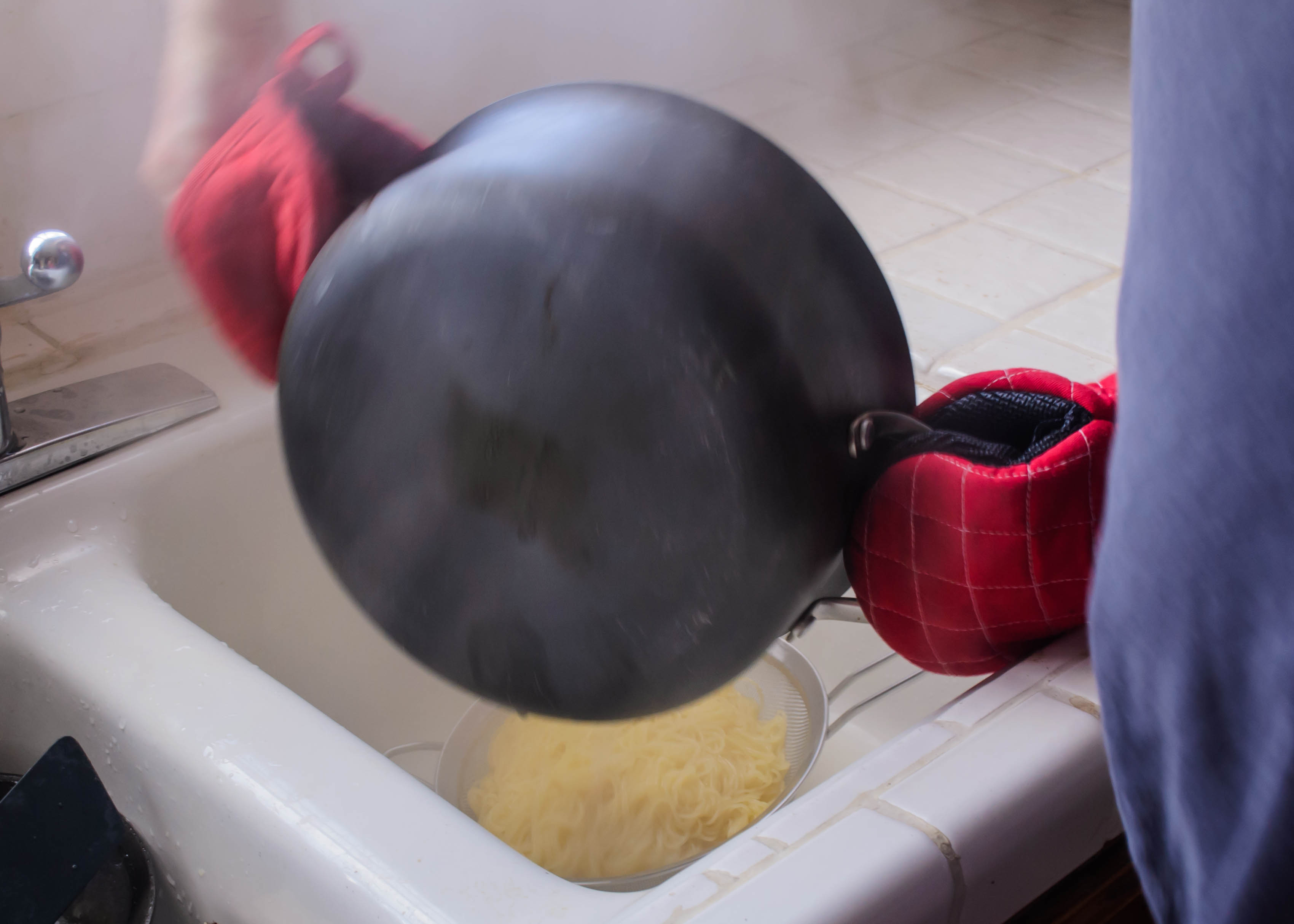
  • By now, your water should be close to or already boiling. Add the pasta and stir to submerge it. Cook with the lid off to al dente, following the package directions. As soon as the pasta is done, drain immediately into a colander or strainer.
  • Add the remaining 4 tablespoons of olive oil to the now-empty pasta pot and swirl it over medium-low heat to evenly coat the bottom of the pot. Add the lemon juice, then the pasta, and toss with tongs to coat evenly with oil and lemon juice.
  • Dump in the arugula and use the tongs to gently integrate it with the pasta. When the arugula is gently wilted, turn off the heat and sprinkle in the crumbled feta cheese. Use tongs again to toss so the cheese is evenly distributed.
  • Serve hot in large, shallow bowls, and top each serving with about 2 tablespoons of the crumbs.

Carrot Cake Breakfast Bars

Food blog June 2015-1023The cake world is populated by two camps, it seems to me: those which are definitively dessert, and those which are trying to be breakfast (I’m looking at you, coffeecake). Some of the “trying to be breakfast” denizens bridge the gap by taking the appellation “bread” rather than cake – banana and zucchini bread are the chief players in this particular masquerade. But they are, at heart, essentially still cake: sweet, plenty of fat from oil or butter, and sometimes interspersed with shards of chocolate for good measure. Carrot cake, the other popular vegetal option, doesn’t even pretend. It just comes right out there and, whether it’s for alliterative reasons or not, boldly declares itself a cake and leaves it at that.

Food blog June 2015-1002The idea of putting these long orange taproots into a sweet application came originally from the Middle Ages, when sugar was barely on the horizon and other sweeteners were hard to come by. Carrots as a cake ingredient have since had two spikes in popularity: once during the second world war, when sugar and honey were, again, in short supply, and once starting in the 1970s or so when it was touted not as a sugar-rationing option, but as a “healthy cake.” Really though, if we’re honest today’s carrot cake is far from healthy. It may have a discernible threading of carrots, and it’s frequently studded with nuts, raisins, sometimes even coconut or pineapple, but it is also loaded with oil for moisture and draped with that miracle that is cream cheese frosting.

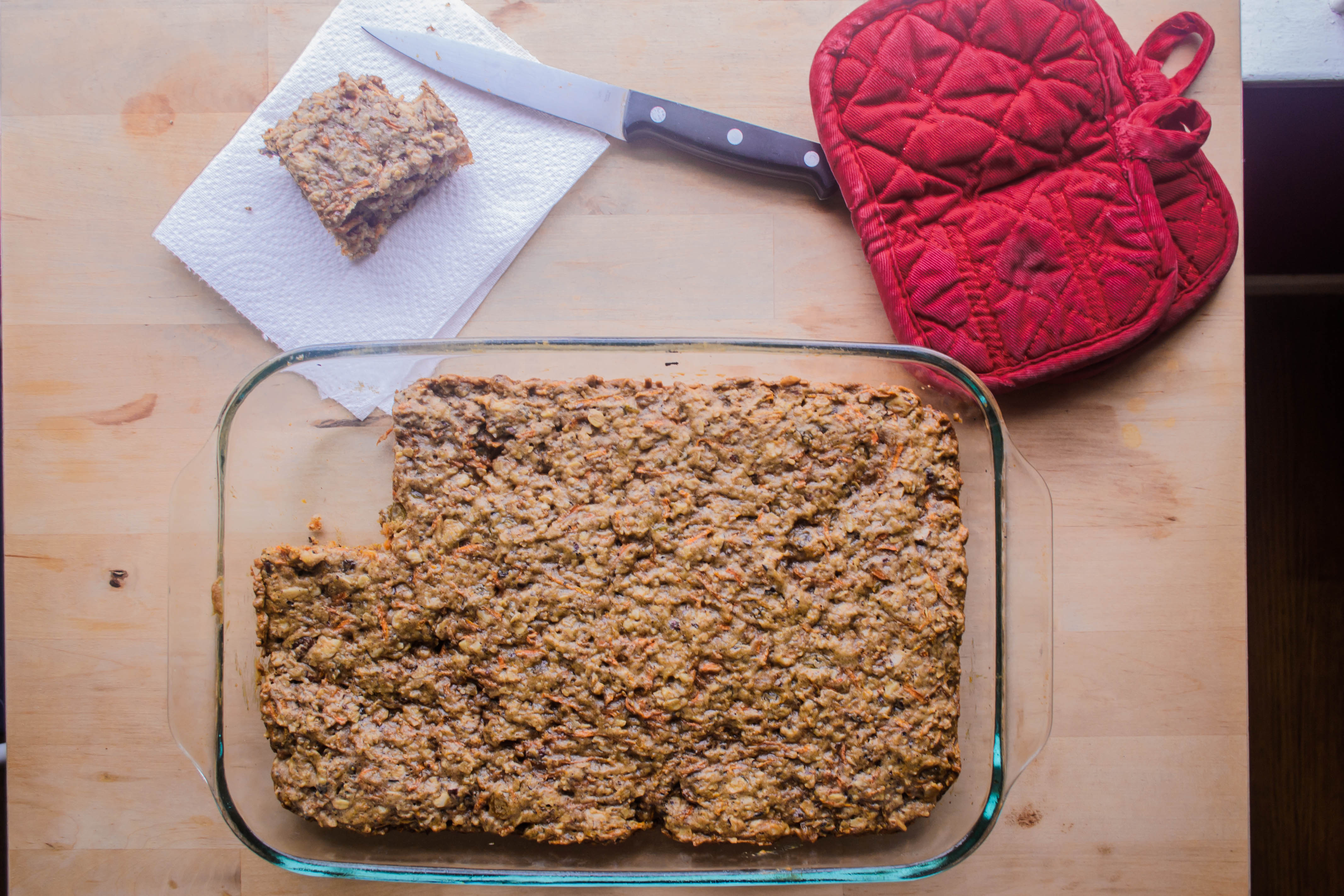
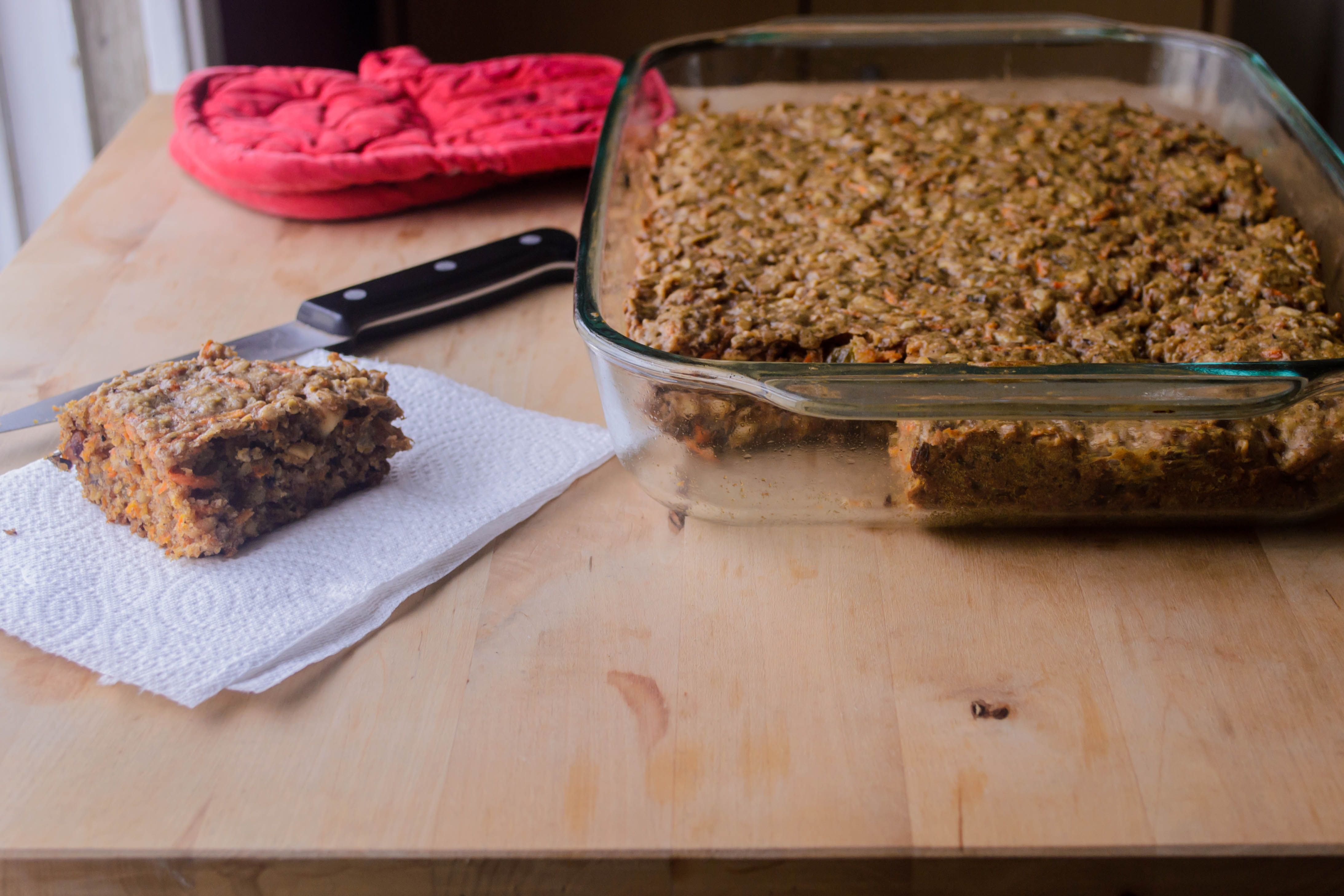
Food blog June 2015-1000During a text conversation with my sister about golden raisins (probably 70% of our texts are about food), I developed a craving for carrot cake. This is an irritating paradox that happens quite often to me during the summer: now that I have plenty of time on my hands, I frequently get the urge to embark on elaborate baking projects. However, because it’s summer and school is not in session, I don’t have a whole department of people to foist my creations off on. I only have N. and me, and we would both like to retain our svelte (haha) figures. My sister suggested turning carrot cake into a muffin so it could be consumed for breakfast, and I thought even easier might be a tray of breakfast bars – moist and flat and portable and loaded with carrots and golden raisins. Thus I’ve taken carrot cake – the cake that isn’t even pretending to be anything but a dessert – into the breakfast cakes camp.

Food blog June 2015-1003What resulted is not your traditional super moist, super tender carrot cake drowning in sweetened cream cheese (not that there’s anything wrong with that, mind you). After deciding on a breakfast version, I wanted something that was not, in fact, cake. Even if we didn’t want it for breakfast, we should be able to turn to it as a mid morning snack without suffering an instant sugar high. It might be a good option for N. to slice into after running. It should be more filling – more substantial – than your typical carrot cake, and very lightly sweet. It should definitely include both nuts and raisins, the nuts should always be toasted, and the spices should be more assertive than in your typical cake. I added oats in place of some of the flour, taking a hint from one of my favorite granola/energy bar recipes and toasting them first. I cut down on the quantities of oil and sugar that most recipes call for, and ended up with something very lightly sweet – the carrots and raisins contribute most of the bursts of sweetness, not the mere ½ cup of brown sugar. If you’re looking for something sweeter, bump up the sugar by ¼ cup, as I note in the recipe below.

Food blog June 2015-1005The worst thing about making a carrot cake is grating the carrots. Working from the always brilliant suggestions in The New Best Recipe, I eliminated the frustration of grated knuckles and bright orange fingernails and used the food processor. This ends up being a considerable time-and-dishes-saver, because you can also use it to chop the nuts, pulse the oats, and, as the recipe testers in TNBR devise, emulsify the oil with the eggs and sugar to make a frothy, perfectly combined syrup of wet ingredients that integrate smoothly and quickly. Toasting the nuts and the oats in the same 9×13 inch pan you’ll later bake the bars in means you’re only using, aside from various measuring and mixing utensils, a food processor, a single mixing bowl, and one baking dish.

Food blog June 2015-1019At first I considered making a simple cream cheese icing – just a breath of powdered sugar, and maybe some lemon juice to brighten it up – but found I didn’t want it after all. They were perfect, just as they were, and even better with a glass of iced chai. If you find you miss the frosting component, I’d suggest whisking a little honey or maple syrup into some room temperature cream cheese, maybe with a little lemon or lime zest if you’re feeling fancy, and adding a dab to the top of your bar.

Food blog June 2015-1020As well-spiced, fruit-laden desserts often do, these improve after a night of resting in the refrigerator, and are still just as good on the third or fourth day. This is perfect, really, because it means you can bake them the night before and have something all ready for an early breakfast before heading off on some summer adventure.

Food blog June 2015-1024Carrot Cake Breakfast Bars
Makes one 9x13x2 inch pan; 15-18 squares or bars, depending on how enthusiastically you slice them
1 cup old fashioned rolled oats
1 ½ cups pecans, walnuts, or a mixture
1 ½ cups all-purpose flour
1 teaspoon salt
2 teaspoons baking soda
2 teaspoons cinnamon
¾ teaspoon nutmeg
½ teaspoon cardamom
½ teaspoon ginger
¾ cup golden raisins
½ pound carrots, stem ends removed (approximately – for 2 cups finely shredded)
½ cup brown sugar for barely sweet, ¾ cup brown sugar for slightly sweeter
2 large eggs
1 teaspoon vanilla
1 cup vegetable oil


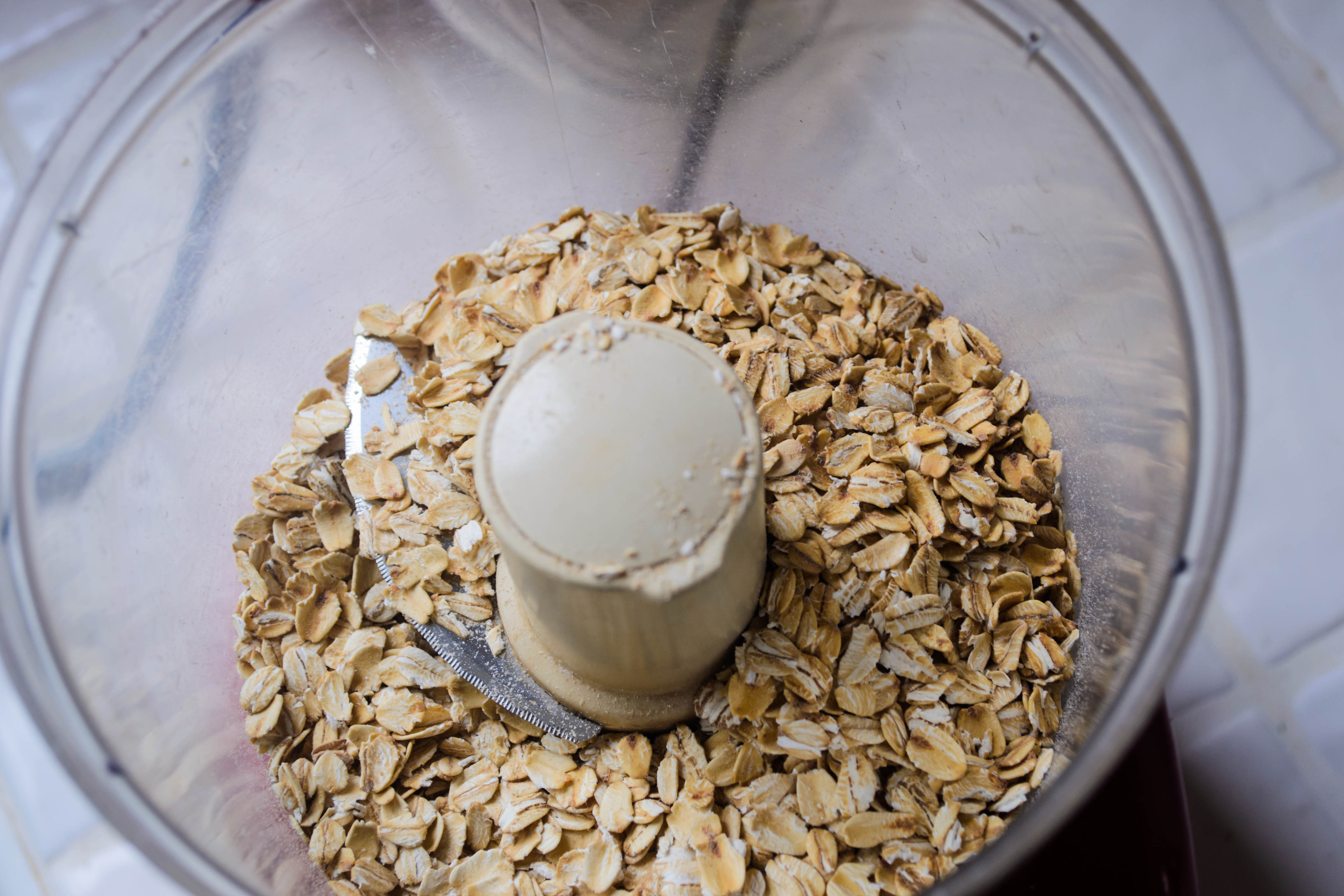
  • Preheat the oven to 350F. In a 9x13x2 inch pan, scatter the oats in as close to a single layer as possible. Toast in the oven at 350F for 15 minutes, until lightly golden and smelling strongly of oatmeal. Remove and pour into the belly of a food processor fitted with the metal blade.
  • In the same pan, scatter the pecans and/or walnuts and toast in the oven at 350F. Depending on the size of the nuts, pecans will take 5-7 minutes and walnuts will take 5-10 minutes. They are ready just as you begin to smell them, even if they don’t look it – they will darken as they cool, and burned nuts are unsalvageable. When ready, remove from oven and set aside to cool slightly.
  • While oats and nuts cool, whisk together remaining dry ingredients in a large mixing bowl: the flour, the salt, the baking soda, and the four spices.
  • Using the metal blade attachment, pulse the oats in the food processor 3 or 4 times, until some are fine and powdery but some are almost fully intact. Add to dry ingredient mixture and whisk to combine.
  • Add the toasted, cooled nuts to the food processor. Pulse 4 or 5 times until roughly chopped, then add to the dry ingredient mixture and again, whisk to combine.
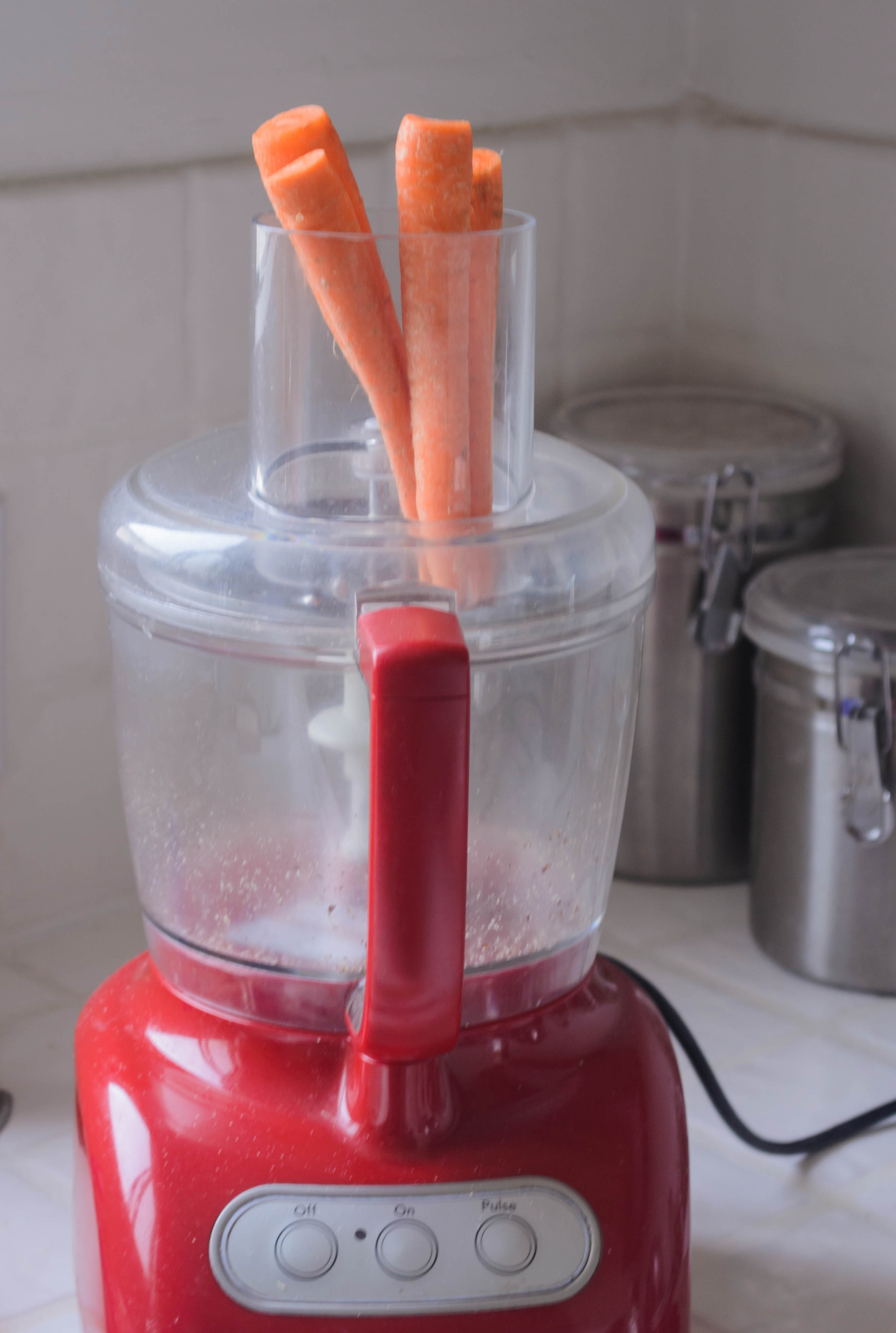
  • Now replace the metal blade attachment in the food processor with the shredding disc. Feed the carrots through as close to vertical as possible for fine, thin shreds. You can peel the carrots before doing this if you want; I just scrubbed them off a bit. Transfer the finely shredded carrots to the bowl of dry ingredients. Add the golden raisins and fold them in with a rubber spatula.
  • Switch the food processor back to the metal blade attachment. Process the brown sugar with the eggs and vanilla until the mixture is frothy – about 20 seconds. With the machine still running, add the vegetable oil in a steady stream and continue processing until it is emulsified – another 20 seconds or so. The mixture will be surprisingly thick, almost like a butterscotch sauce in texture and in color.
  • Pour and scrape the emulsified oil mixture into the bowl of dry ingredients and carrots, and use a rubber spatula to fold them together until no hidden dry pockets remain. The resulting mixture will be thick, more like cookie dough than a standard cake batter.
  • Lower the oven temperature to 325F and spray the same 9x13x2 inch pan you used for toasting with a non-stick spray. Scrape the batter into the pan and use your rubber spatula to flatten it into an even layer. Bake at 325F until a toothpick inserted in the center comes out with just a few moist crumbs; 25-30 minutes.
  • Let cool in the pan for at least 15 minutes before slicing into bars or squares.

Spicy Carrot and Radish Herb Salad

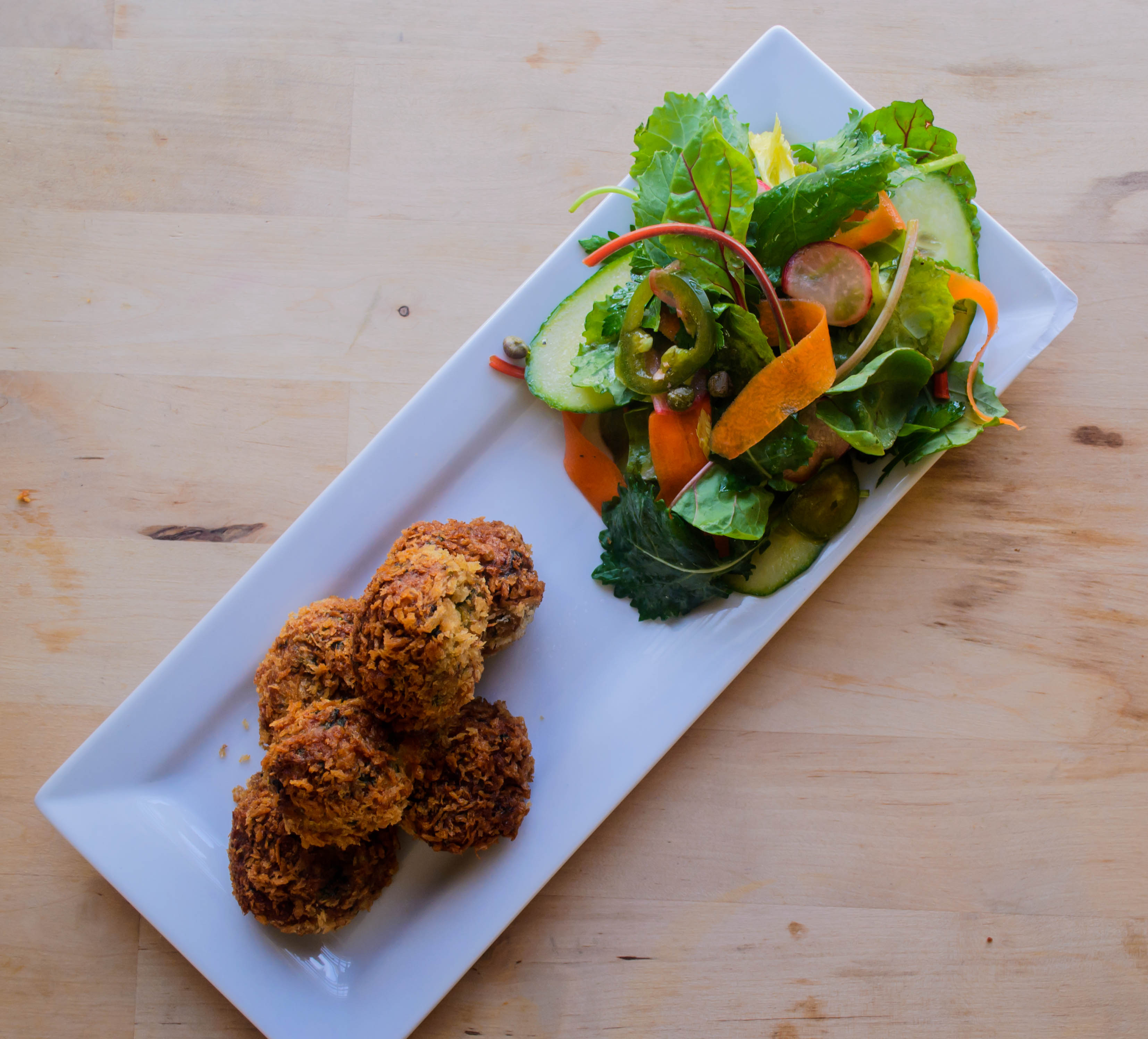
Food blog June 2015-1064It’s dangerously easy to throw some greens into a bowl and crunch through them, but I think this is the kind of preparation that makes people think about salads as boring to make and to eat. With summer in gear and a series of weddings and reunions to attend within the next month or two, I find myself brainstorming salads creative and intriguing enough to hold my interest, so I can more easily convince myself to make choices that keep me responsible healthy fitting into my summer wardrobe. The easiest way of making a salad more exciting, it seems to me (besides just loading it up with cheese and some crisped pork product), is to take ingredients not usually used in a salad and jamming them in there anyway, lettuce be damned. For me, this generally takes the form of whatever dish I’ve been craving, transformed into something you can add an acidic vinaigrette and maybe a few crumbles of cheese to, toasting up a hunk of bread, and calling it dinner.

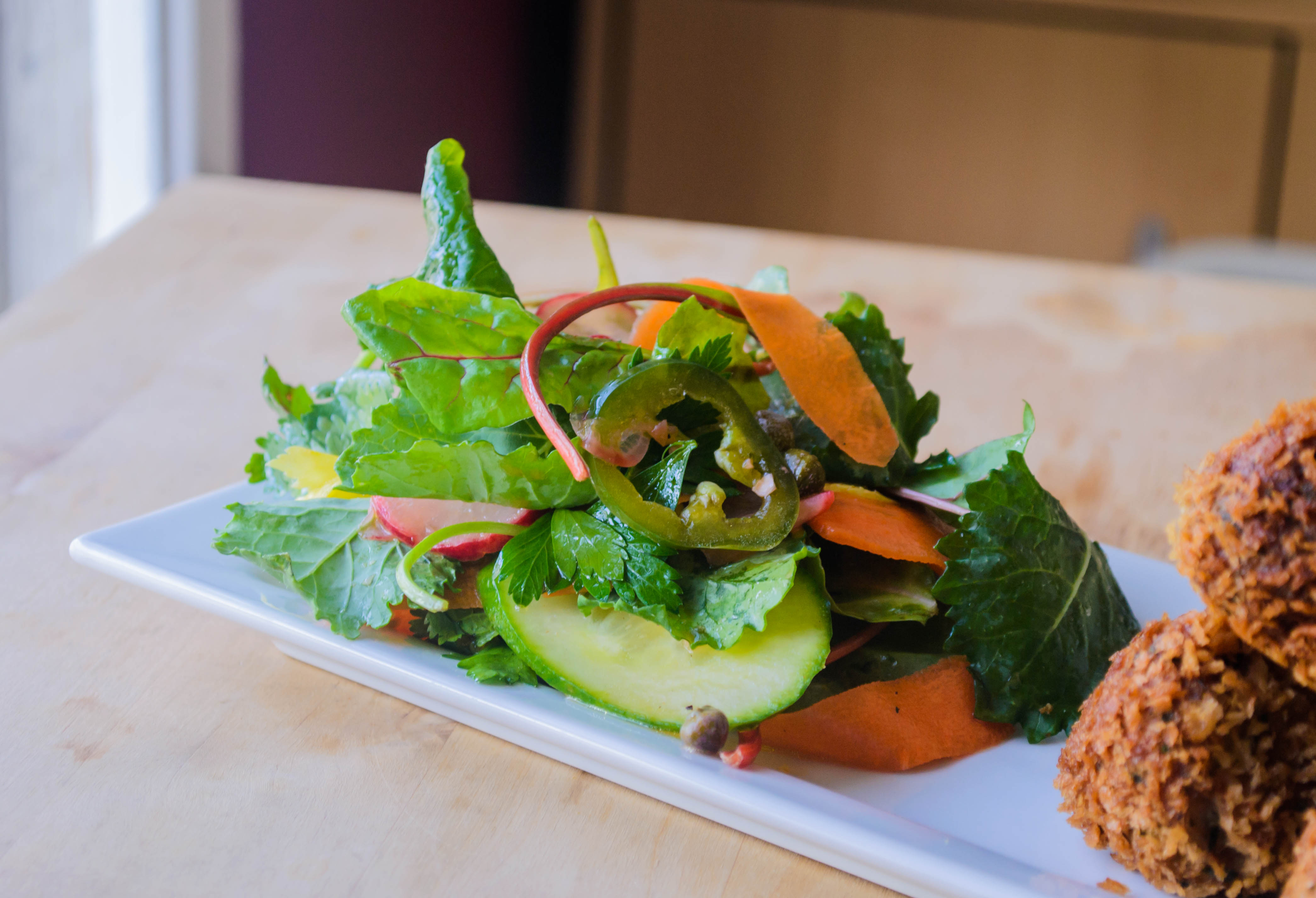
Food blog June 2015-1028This particular salad has two geneses. Lately I’ve been craving banh mi, with all its freshness and brightness, but I haven’t wanted to go through the whole production of making all the ingredients myself (which I’d insist upon, because I’m such a responsible foodie stubborn). Rather, I convinced myself, I wanted a salad inspired by a banh mi sandwich. What this meant was a collection of fresh and pickled vegetables, with some brightness from soft green herbs and some heat from jalapeño slices. I dithered over the pickled part, reluctant to devote multiple days to preparing for a simple salad, until I remembered a grain salad my friend S. exalted about a few years ago featuring lightly pickled carrot slices, along with some jalapeño and mint. Wheels turned.
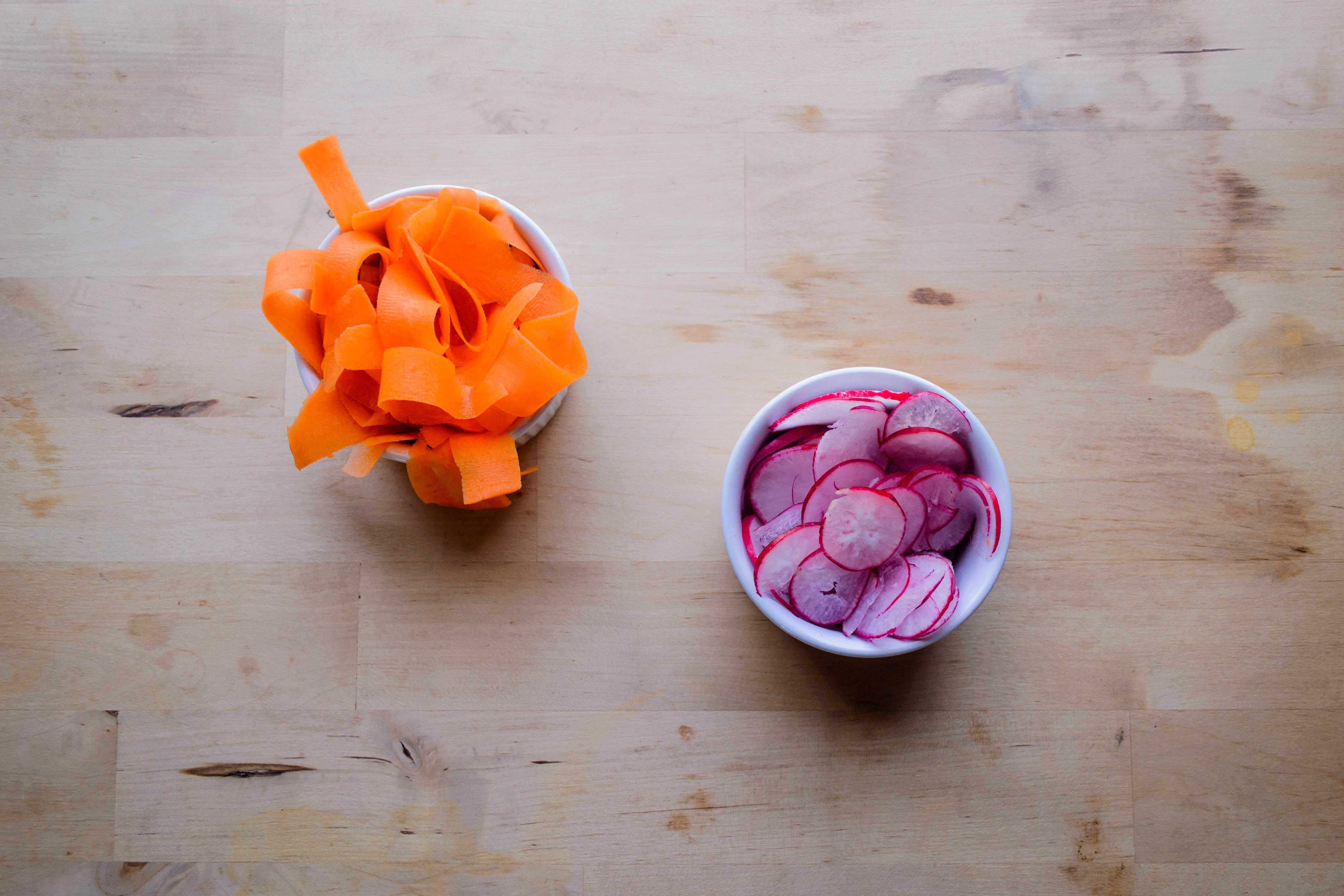
Food blog June 2015-1033What we have here, then, is a salad that announces its summery freshness through bright, grassy herbs and crunchy cucumber, but still clings to the mild crispness of spring with ribbons of carrots and impossibly thin discs of radish. I find herb salads can get almost medicinal on the tongue, so a handful or two of baby greens tempers the sharpness of the herbs and the pucker of the vegetables after a 2 hour lemon juice bath, and brings this closer to what we usually think of as a salad. You could use any combination of greenery, but lately I’ve been obsessing over the “power to the greens” package from Trader Joe’s – baby chard, kale, and spinach, all tender enough that no stem removal is necessary. Add jalapeños, which I’ve put through the pickling process but you can certainly leave fresh, and you have a salad that pairs happily with almost anything.

Food blog June 2015-1048Serving suggestions: I can see this making a perfect base for grilled steak or salmon, with or without the addition of some tangy crumbles of goat cheese. I risked all to have it as a side for last week’s crab and shrimp balls, and though there’s a certain digestive peril to the fried + spicy pairing, hey, that’s what alka-seltzer is for. You could even force this back to its banh mi inspiration roots and stuff it inside a baguette or maybe a pita, with or without a protein accompaniment. In all cases, I’d recommend something sparkling to drink alongside – maybe a crisp prosecco or a hefeweizen with a thick wedge of citrus, or, if you prefer to go alcohol-free, a frosted glass of ginger beer with lime, for an intriguing contrasting spice.

Food blog June 2015-1062

Spicy Carrot and Radish Herb Salad
Serves 2-3 as a side salad
1 cup carrot ribbons (from 3-4 small carrots)
1 cup thinly sliced radish discs (from 5-6 radishes)
8-10 thin slices of jalapeño cut on the bias
3-6 tablespoons lemon juice (see options below)
2-4 tablespoons olive oil (see options below)
salt and pepper to taste
1 tablespoon capers
⅓ – ½ cup thin slices of seedless cucumber, cut on the bias
¼ cup cilantro leaves plucked from their stems
¼ cup mint leaves, torn if large, plucked from their stems
¼ cup parsley leaves plucked from their stems
2 tablespoons tender, pale green celery leaves, plucked from their stems, optional
1 cup mixed baby greens


  • Prepare carrots, radishes, and jalapeño. To make the carrot ribbons, peel carrots, then continue shaving off long pieces with your peeler from one side only. When the carrot gets concave and it’s difficult to make complete ribbons, flip it over and begin the shaving process again. Slice the radishes and jalapeños as thinly as you can or, if you are fancy, use a mandolin slicer (watch your fingers!).
  • For a quite spicy salad: In a large bowl, whisk together 3 tablespoons of lemon juice with 2 tablespoons of olive oil. Add salt and pepper to taste. Add the carrots, radishes, and jalapeños, toss gently to distribute, and allow them to marinate for about 2 hours. They will soften, pickle slightly, and the vegetables and dressing will take on the spice of the jalapeños.
  • After 2 hours and just before serving, add the capers, cucumbers, herb leaves, celery leaves (if using), and mixed baby greens to the bowl and toss lightly to combine. Lift out with clean fingers or tongs, let excess dressing drip off a bit, and position on serving plates.
  • For a moderately spicy salad: In a large bowl, whisk together 3 tablespoons of lemon juice with 2 tablespoons of olive oil. Add salt and pepper to taste. Add the carrots, radishes, and jalapeños and allow them to marinate for about 2 hours. They will soften, pickle slightly, and the vegetables and dressing will take on the spice of the jalapeños.
  • After 2 hours and just before serving, lift the lightly pickled carrots, radishes, and jalapeños out of the bowl and set them aside for a moment on a paper towel. Discard the remaining liquid in the bowl and wipe clean.
  • In the clean bowl, whisk together the remaining 3 tablespoons lemon juice and 2 tablespoons olive oil. Season to taste with salt and pepper. Add the vegetables back in, then gently toss with the capers, cucumbers, herb leaves, celery leaves (if using), and mixed baby greens. Lift out with clean fingers or tongs, let excess dressing drip off a bit, and position on serving plates.
  • For a mildly spicy salad: In a large bowl, whisk together 3 tablespoons of lemon juice with 2 tablespoon of olive oil. Add salt and pepper to taste. Add the carrots and radishes and toss gently to distribute. In another, smaller bowl, combine the jalapeño slices with 1 tablespoon lemon juice and a bit of salt and pepper. Allow all vegetables to marinate for about 2 hours. They will soften and pickle slightly, but the spice will not infiltrate the carrots and radishes as in the above preparations.
  • After 2 hours and just before serving, add the capers, cucumbers, herb leaves, celery leaves (if using), and mixed baby greens to the bowl with the carrots and radishes and toss lightly to combine. Drain the lightly pickled jalapeños from their lemon juice bath and add them to the salad as well, tossing gently again to combine. Lift out with clean fingers or tongs, let excess dressing drip off a bit, and position on serving plates.
  • Serve immediately – salad left in its dressing wilts quickly and loses its crisp appeal.