Carrot Soufflé

2016-food-blog-photo-december-7A few weeks ago, I got my “what to blog about” inspiration from the unlikely source that is the Trader Joe’s samples counter. They were demo-ing carrot soufflé, a bright orange spoonful of light, sweet puree that I immediately wanted to play with. I’ve done a sweet potato soufflé before, and I thought a carrot version would work equally well as a semi-sweet holiday side dish, bumped up with a few flavor partners these bright, knobbly spears play well with.
2016-food-blog-photo-december-0684I’m not usually a fan of oranges in holiday dishes (especially the aforementioned sweet potatoes: keep that orange juice out of my carbs!), but carrots and orange are too chummy to keep separated for long. Ginger seemed like another good guest to invite to this party, and a good squeeze of maple syrup to add a burnished kind of sweetness in there.
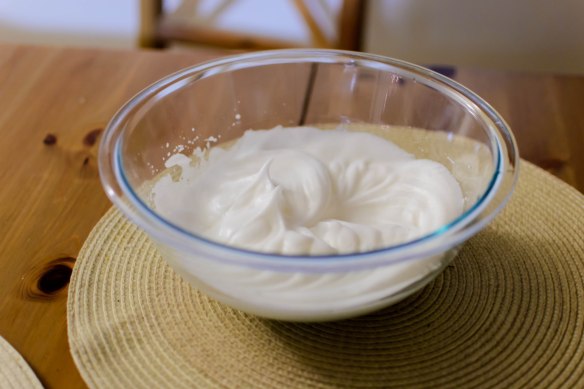
2016-food-blog-photo-december-5Soufflé carries with it a reputation of delicacy and fussy fragility, and in some ways this is true. The elegant, gravity defying puff that is its signature is in part a result of egg whites beaten just so, but also of careful handling and a patient, even leisurely attitude. And sometimes it just falls. When that happens, you just have to shrug and accept it. Maybe have another glass of eggnog.
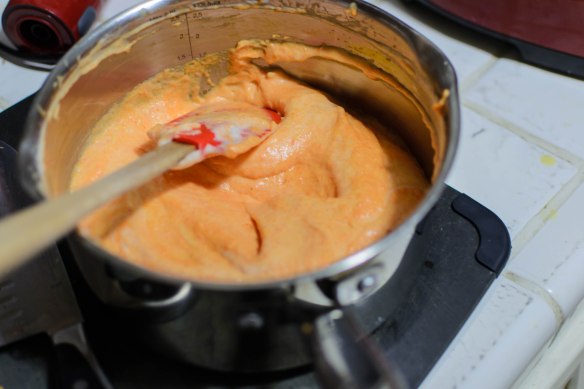
2016-food-blog-photo-december-0697This is a (reasonably) convenient soufflé recipe in that it involves an equal number of egg whites and egg yolks. There’s a bit of fussiness with separating, ensuring you haven’t tainted the pristine whites with even a breath of yellow, or they won’t rise up into that spongy cloud you need. But scrupulous attention helps with that, and a dash of cream of tartar ensures a quicker, fluffier snowdrift of whipped whites.
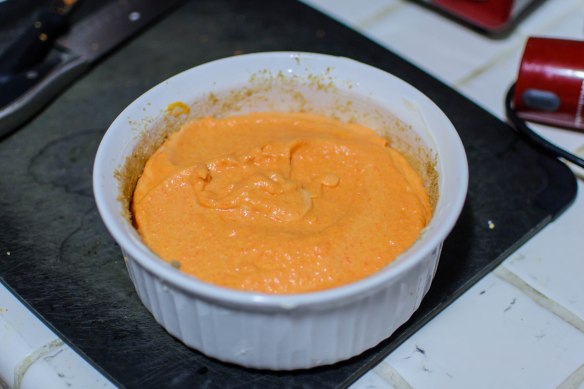
2016-food-blog-photo-december-6Apart from that, it’s just a question of integration. The carrots, after a softening boil in water and orange juice, get blended with flavoring agents, yolks, and a glug or two of cream, and then it’s just a question of folding in those whites carefully and gently, trying not to deflate anything. I’ve explained my method in the step-by-step below, but here’s another excellent reference from the kitchn, if you want more detailed guidance.

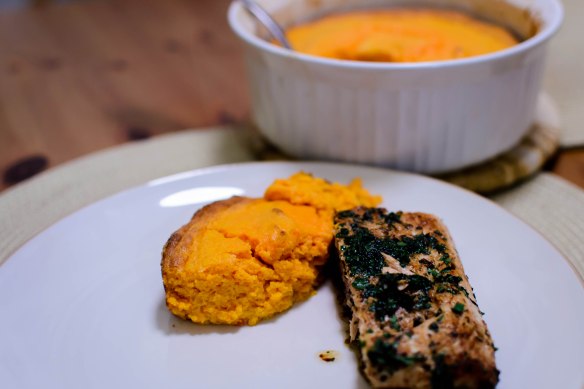
2016-food-blog-photo-december-7After a careful deposit into the oven (we want all the air we can keep in this dish of orange velvet), you are rewarded with a bronzed puff, heavier than meringue or mousse, lighter than custard – that impossible, almost strange, texture only a soufflé has – and you scoop out great spoonfuls because it’s so light, and brightly carrot-y, enhanced by the orange and the ginger and luxurious from the cream. I think this would go well with a turkey or ham-based holiday menu, but we had ours with herb and butter basted salmon, and found we didn’t miss having a starch component. Besides, it left room for a dessert I’ll show you next week: another puff, but of a very different sort, equally on board for the impending holidays.
2016-food-blog-photo-december-8

Carrot Soufflé
80-90 minutes, including cooling time for the carrots
Serves 4
2½ cups peeled, 1-inch carrot chunks (6-7 medium carrots)
zest from one large orange
¼ cup fresh orange juice from one large orange
2 cups water
1 teaspoon salt
2 tablespoons butter
1 tablespoon brown sugar
1 tablespoon grated fresh ginger
¼ cup maple syrup
½ cup heavy cream
3 eggs, separated
¼ teaspoon cream of tartar, optional


  • In a medium pot with a lid, combine the carrots, orange juice, water, and salt. Plonk in the juiced halves of the orange too (reserve the orange zest for later). Pop on the lid and bring to a boil over medium high heat, and boil until the carrot pieces are tender but not falling apart: 10-15 minutes, depending on the size of your carrot chunks. Drain and cool to just above room temperature (we’re going to add raw egg yolks and don’t want them to scramble).
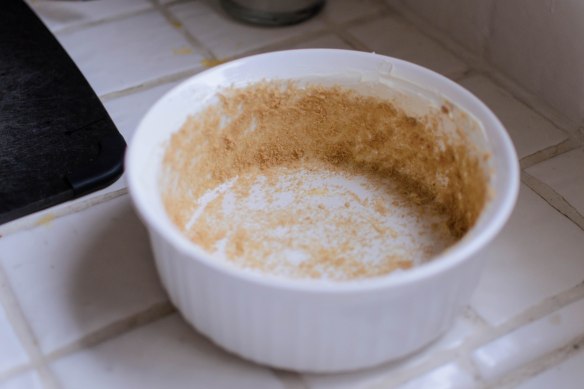
  • While the carrots are cooking and cooling, preheat your oven to 375F and prepare your baking dish: use the 2 tablespoons butter to grease a 1½ quart round baking dish with straight sides (by all means use a proper soufflé dish for this if you have one; I don’t. But hey, it is almost Christmas…). Sprinkle the brown sugar over the buttered sides of the container, then stow it in the freezer for 5-10 minutes. The sugar sanding creates texture to help the soufflé climb the walls of the container, and freezing it makes it take longer to dissolve in the heat of the oven, so you’re giving your puff a head start.
  • In the pot with the cooled carrot chunks, add the fresh ginger, the maple syrup, the heavy cream, the reserved orange zest, and the 3 egg yolks. Use an immersion blender (or transfer the whole mix to a blender or food processor) to break down into a smooth puree. Be sure no carrot hunks remain.
  • In a separate bowl, add the cream of tartar to the egg whites. Using a handheld electric mixture (or a whisk, if you need to work on your arms), beat the whites at first over medium, then high speed until medium peaks form. The whites will foam, and then become pure white, and finally begin to stiffen like a good whipped cream. To determine the stiffness of your peaks, turn off the beaters and lift them straight out of the whites. If you get little hills that collapse back into the mixture, you have soft peaks. If you get little tips that fold over just a bit when you pull the beaters away, you are looking at medium to stiff peaks, which is what we want.
  • Using a rubber spatula, scoop about ⅓ of the egg white fluff into your carrot puree base and stir until no white streaks remain. No need to be careful with this part – full integration is just fine.
  • Now, slide the other ⅔ of the whites into the sweet potato mixture and fold in gently until just combined – some white streaks may remain and that’s fine. I like to fold by drawing my spatula around the edge of the bowl in a horseshoe shape, then pulling it back toward me in a straight line.
  • Retrieve your frozen baking dish and fill with the soufflé mixture, being careful not to let it plop from too high (in case of deflation). Smooth off the top the best you can – this seems fussy, but it will aid in even rising.
  • Bake in a preheated 375F oven keeping the door closed the whole time for 35-45 minutes, until the edges are nicely browned and the soufflé has puffed up in the center as well as the sides. For maximum wow factor, transport carefully and immediately to the table, so your fellow diners can appreciate your soufflé skills before it deflates. Dig in with a large spoon and enjoy.

Braised Lamb on Kale and Avocado Toast

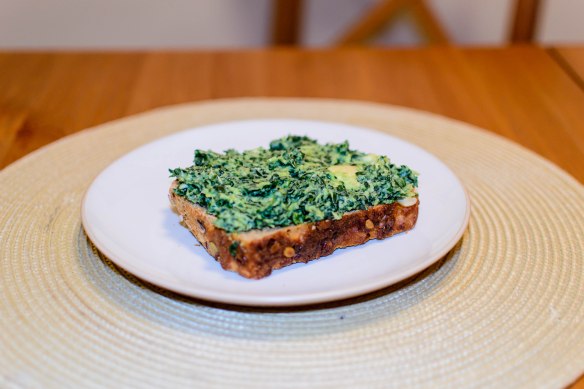
2016-food-blog-november-0420Are you tired of turkey yet? Good, me neither. But just in case you want an indulgent break, may I suggest lamb instead? The inspiration for this recipe comes from three places: a restaurant near our house that does a braised lamb dip with kale and a garlic jus, the intense obsession of the last few years that is avocado toast, and Ina Garten. Ina doesn’t offer me any dish in particular, but does often take luxury ingredients and serve them in a very simple, homey way, and that’s exactly what happens here.

2016-food-blog-november-0395The first few times I watched a Barefoot Contessa episode that did this, I was annoyed. Like Ina’s penchant for advocating “best quality” base ingredients (read: expensive), I found the idea somehow pretentious. If I’m going to spend the money on fancy ingredients, then I want a fancy dinner! But contemplating this dish, it somehow seemed right. Let’s slow braise some lamb with aromatic vegetables and a good splash of wine until it collapses and shreds eagerly, bake a loaf of nicely seeded bread and cut it into thick slices, and spread that bread with a smash of avocado and kale, dosed with a good squeeze of lemon to keep it bright before draping on a healthy pile of the lamb. Fill the belly and keep the darkness away.

2016-food-blog-november-0391In determining how to go about this, I turned to yet another inspiration: the marvelous food mind that is Michael Pollan. In his book Cooked, which I’ve written about before, he spends a chapter discussing braising as a cooking method, and offers a mentor chef’s procedure in seven steps. Though I’ll give you the full recipe below, here’s what he recommends in my own order:

  1. salt the meat, then brown it
  2. finely dice some onions
  3. sauté onions and other aromatic vegetables
  4. place all the ingredients in a covered pot
  5. pour the braising liquid over the ingredients
  6. simmer, below the boil, for a long time
  7. remove pot from oven. If necessary, skim fat and reduce liquid. Bring to the table and serve.

As you can see, this is a procedure rather than a recipe – it’s the kind of steps a grandmother well acquainted with her own methods would give, and answer questions like “how many onions” with “enough,” or the precise temperature at which to braise with “oh, pretty low.”

2016-food-blog-november-0401Within the chapter itself, though, Pollan does give a bit more. Since the section of the book is the look at “Water,” he discusses the merits of using water rather than some other liquid to braise. Though we are always tempted to use broth or stock or wine, he notes that water retains a purer flavor – the meat is not in competition with the flavors of the liquid you’ve chosen. I bore this in mind, but wanted some red wine richness and tang anyway, so I settled for half and half water and wine. Only part way through the miracle, I suppose you could say.

This is a long project. The braise itself takes 2-3 hours all on its own, and that’s after you’ve let the onions cook down slowly for 30 minutes, then allowed the other vegetables to mingle another 15. Plus, as if all that wasn’t enough, you give the lovely, heady broth another good half hour to boil to create your final jus. And if you’re baking the bread yourself (in for a penny, in for a pound, right?), you’re looking at another multi-hour ingredient. You could, it seems, spend the entire day in the kitchen, lazily cooking your way toward dinner. Add some Edward Sharpe and the Magnetic Zeros, and that sounds like the day of my dreams.

2016-food-blog-november-0408When you’re finished, even though the resulting product looks humble, the reward is anything but. The lamb falls apart, and you stand there over the bowl you’re shredding it into trying not to stuff too many pieces straight into your mouth. It is meaty and savory and slightly gamey, and you taste lamb, but also wine and dark, piney, peppery herbs, and a subtle sweetness that comes from the vegetables. And then you pile it onto freshly toasted bread that you’ve smeared with the grassy, fatty spread you’ve made of kale and avocado, and you dribble over some of the juice left behind in the pan, and you eat it. And that was your day: making food, eating food, letting the aroma of the long braise fill your nostrils and your house, and you sleep happy.

2016-food-blog-november-0412Not that you need telling what to do with leftovers as luxurious as braised lamb, but if you aren’t sure, I think they would make amazing filling for tacos, perhaps with some shredded cabbage and feta cheese, and maybe a dollop of sour cream or yogurt, thinned with a squirt of lime and sprinkled with wafer thin slices of jalapeno and radish.

2016-food-blog-november-0420

Braised Lamb on Kale and Avocado Toast
Approximately 5 hours
Serves 4 + leftover lamb
2 tablespoons salt
2 pounds lamb leg or shoulder, in one piece (i.e. not in chunks)
¼ cup olive oil
2 white or yellow onions, finely diced
3 large or 4 medium carrots, finely diced
3 ribs of celery, finely diced
8 garlic cloves, smashed, skins removed
2 bay leaves
1 tablespoon whole peppercorns, optional
2 inch sprig rosemary, optional
2 cups dry red wine
2 cups cold water
2-3 ounces kale, leaves only – tough stems removed – finely chopped
1 ripe avocado
2 tablespoons lemon juice
1 tablespoon chives or green onion tops, very thinly sliced
salt and pepper to taste
thick slice of seeded toast for each diner
optional: finely sliced pickled radish or onion, to garnish


  • Sprinkle the salt evenly over both sides of the lamb. It will seem like a lot. Don’t worry. This is seasoning the entire 2 pounds of meat AND the broth. Let it sit for at least ten minutes, or up to a few hours.
  • When you are ready to cook, heat the olive oil in a dutch oven or other large, steep-sided pot with a lid over medium-high heat until it is shimmering. Carefully add the lamb (the oil may spit) and let it sear until well browned, then flip and repeat until all sides are nicely browned: about 2-4 minutes per side. Remove to a plate.
  • Turn the heat down to medium low or low and add the onions. We are looking to sweat them, not brown them. They will pick up some color from the lamb, but don’t actually let them sizzle too much after adding them. Cook, stirring frequently, until they are very tender and translucent, about 30 minutes.
  • Add the carrots, celery, and garlic cloves, stir to combine, and cook another 15 minutes.
  • Add the bay leaves, the rosemary and peppercorns, if using, and settle the lamb on top of the vegetables. Pour the wine and water in around the lamb as well as any meat juices that collected on the plate while the lamb rested, add the lid, and turn the heat up to medium high. Bring to a simmer, then turn back down to medium low or low – we want to keep the liquid below a simmer – only the barest bubble every so often.
  • Cook, keeping just below a simmer, until the lamb is very, very tender: 2-3 hours.
  • When the lamb falls apart at the slightest fork provocation, hoist it out to a bowl and turn up the heat on the pot to high. Boil the cooking liquid about 30 minutes to reduce it, then strain out the vegetables and, if you wish, pour the remaining jus into a gravy boat to serve.
  • While you wait, make the kale and avocado spread: scoop the avocado out of its skin and smash it up with a fork or spoon. Squeeze in the lemon juice, add the kale and chives and mix well, then taste and add salt and pepper to your liking.
  • Toast the bread and smear on thick, equal portions of the kale and avocado spread.
  • Just before serving, shred the lamb using two forks or, if it has cooled enough, your fingers. Pile a good helping onto the toast, then scoop or pour on a few tablespoons of the jus. Eat immediately.

Quinoa and Kale “Winter” Salad

Boo!2016-food-blog-october-0317Not really. Alas, the only Halloween-ish-ness I can attach here, for all my attempts to catch up with the impending holidays (and everything else), are the “scare” quotes in the title. (Haha? Maybe? I know; groan.)

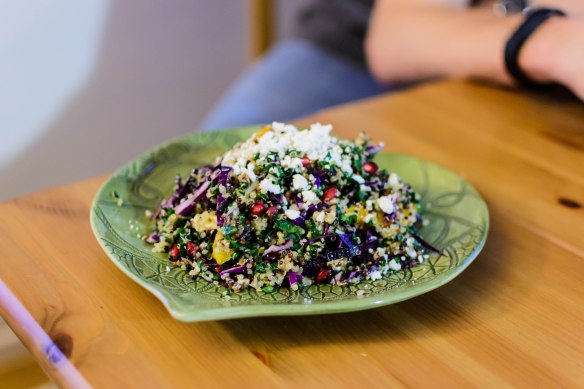
2016-food-blog-october-02942016-food-blog-october-0302Instead, let’s pretend I’m so caught up that I’m actually looking forward. Forget autumn; I’m already a season ahead. This is a winter kind of salad: no wimpy lettuce and out-of-season tomatoes here, but sturdy greens and the substantial base of quinoa. A good grain salad is a lovely thing – an entrée rather than a starter or a side, if you fill your plate enough – and this one is no exception. It is based on a bright incarnation from the Firestone Walker brewpub located near us, and it screams California, doesn’t it? As if just quinoa or kale on its own weren’t enough, this one offers the hipster bifecta in one brightly colored mound. If we completed the trio and added avocado, we’d probably all spontaneously sprout handlebar mustaches and skinny jeans (although seriously, avocado chunks would be a nice addition here). The aforementioned scare quotes in the title are because, although this is a winter salad, the place it really screams winter… is in California. The kale and cabbage are cold-weather vegetables everywhere, with kale really becoming sweet and crisp after exposure to frost, but the orange segments and the bright gemstones that are pomegranate seeds are also winter crops – spots of brightness in the chill that we can at least dream of in what constitutes a Southern California winter.

2016-food-blog-october-03032016-food-blog-october-0307As a good salad should, this one has plenty of textures for your teeth to play with: the quinoa offers a toasty, chewy bite, the cabbage is raw so it provides a rough crunch, and the feta has that strange squeaky-soft chew. I like that pop of a pomegranate aril and the sudden crushing of the seed within; it’s a nice little metaphor for today, isn’t it? A sweet, plump, juicy treat, but the trick of an unexpected crunch hiding within.

2016-food-blog-october-0315

Quinoa and Kale “Winter” Salad
Serves 4
About 30 minutes
1 tablespoon olive oil
1 cup quinoa, rinsed and drained
2 tablespoons white wine (optional)
2 cups chicken broth, vegetable broth, or water
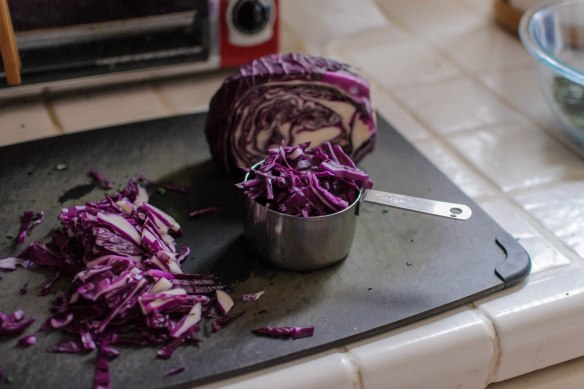
2 cups red cabbage, sliced into thin ribbons, then halved or quartered into bite-size sticks (see photo)
4-5 ounces kale, thick stems removed, finely chopped (will be about 2 cups when chopped)
½ cup pomegranate seeds
2 large oranges: one cut into segments or supremes (see here for a clear photo tutorial by the kitchn), one reserved for juicing
½ cup crumbled feta cheese + 2 tablespoons
2 tablespoons finely sliced chives or green onions
¼ cup fresh orange juice
1 tablespoon champagne or white wine vinegar
2 teaspoons honey (optional)
¼ cup olive oil
salt and pepper to taste


  • In a medium pot, heat the olive oil over medium heat until it is shimmering. Add the rinsed, drained quinoa and toast, stirring frequently, until the grains are dried and smell nutty. Add in the white wine, stirring while it steams and absorbs, then add the broth or water, stir, and clamp on a lid.
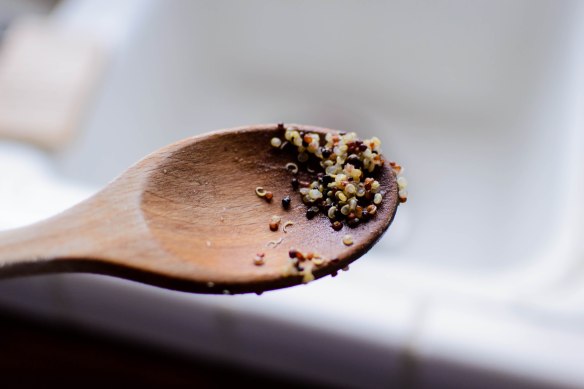
  • Let the liquid in the quinoa pot come to a boil, then reduce the heat to a simmer and cook until the liquid is absorbed and the little thread-y looking germ around the quinoa has loosened and separated (see photo above). Package directions usually say this takes 12-15 minutes; I find I like my quinoa a bit more cooked: 18-20 minutes. You do you. When the quinoa is finished cooking, remove the lid, fluff it up a bit, and set aside to cool.
  • While the quinoa cooks, prep the rest of your ingredients: thinly slice the cabbage and cut down the big slices into short, stumpy ribbons, chop the kale finely, and cut the chives or green onions into wispy circles. Make supremes from the orange, and add them along with the vegetables, the cheese, and the pomegranate seeds into a large bowl.
  • You can also use this time to make the dressing: in a 2-cup glass measuring cup, whisk the orange juice with the vinegar and the honey. You can squeeze out the core of the orange that you supremed earlier for some of this, but unless it’s very juicy you will likely need a bit more from the second orange. Stream in the olive oil, whisking constantly, to form a nicely emulsified dressing. Add salt and pepper to taste, whisk up once more, and set aside.
  • When the quinoa is finished and has cooled a bit, pour the dressing over it, stir and fluff to distribute evenly, then dump into the bowl containing the rest of your ingredients. Toss gently to combine.
  • To serve, either scoop out mounds onto individual plates, or just present in a large salad bowl or platter. Just before serving, top with the remaining 2 tablespoons of feta cheese.

Save

Save

Tempura Fish Tacos with Wasabi Seaweed Slaw

2016-food-blog-october-0287Wedding week has come and gone, and yes, it was as magical and as maniacal and just as much hard work and hard play and hard dancing as you might expect. I fully intended to keep an instagram record of food we made and food we ate, but as often happens when I return to the family fold, I clean forgot about the internet for – gasp – full days at a time, and thus no record was made. You’ll have to trust me when I say it was delicious.

2016-food-blog-october-0264But I’m back now, and treading water to catch up at work, while I allow myself to sink deeply back into my kitchen. For a few weeks before we left, I was drowning in recipe-writer’s-block, but on the plane on the way home I made my “meals for the week” list in about three minutes flat, and had already constructed the one for next week by the time we got home from the grocery store. It helps that Los Angeles has declared at least one week of autumnal weather, so all that roasting and winter veg I’ve been itching for is making its way into my fridge.

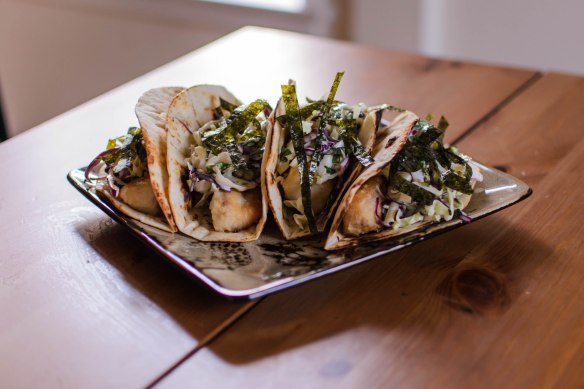
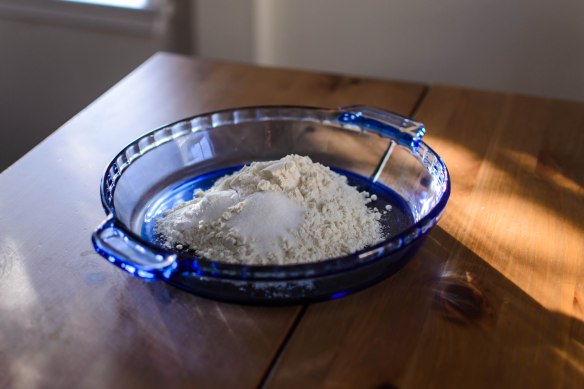
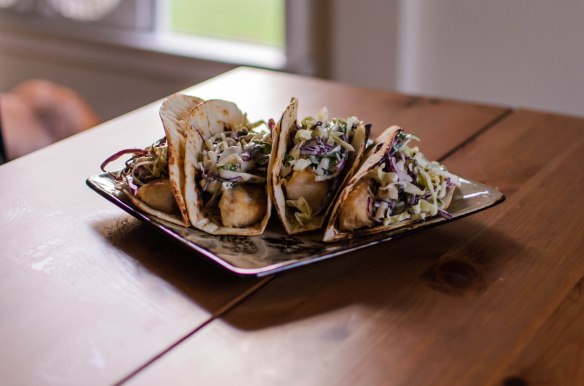
2016-food-blog-october-0261Although these tacos aren’t really all that autumnal, they were a product of my plunge back into post-wedding cooking. I had originally planned to sauté the fish very simply, but a bag of rice flour in my pantry whispered at me, and suddenly I was whisking flour with seltzer water and a touch of baking powder, and watching my simple tempura batter puff, crisp and light, around the frying filets.

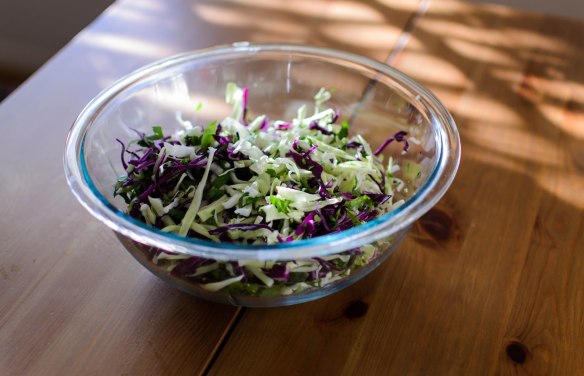
2016-food-blog-october-0256I always make a cabbage slaw when we have fish tacos; usually it’s just a toss of green cabbage, cilantro, lime juice, and a bit of salt. But given the Asian direction of my frying method, I decided to play a bit with the flavorings. Instead of lime juice, I’m using rice vinegar here, and for a creamy, brightly spicy slaw, whisking in mayonnaise and wasabi sauce. For extra intrigue and a texture that shifts in a moment from crisp to chewy, strips of nori get tossed in at the last minute.

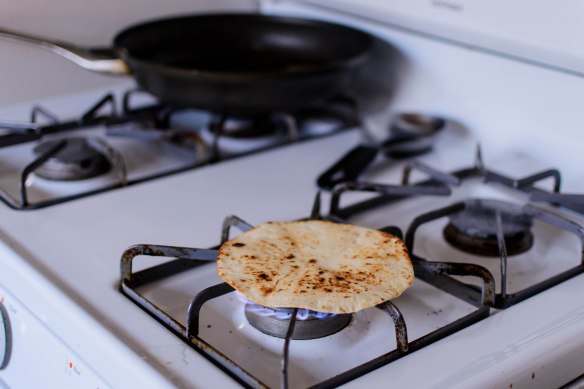
2016-food-blog-october-0260Other additions: I thought about nestling thin slices of radish in alongside the fish for a fresh crunch, and though at the last minute I forgot, I still think they would be a nice addition. If you really wanted to fancy things up from a texture perspective, topping each taco with a tangle of sliced, fried won ton wrappers would be fantastic. I like a slightly puffy flour tortilla for these, toasted (or slightly charred) over a gas flame, but corn tortillas, hard or soft, would be lovely as well.

2016-food-blog-october-0266Note: the downside of tempura is that time is an enemy. It doesn’t stay crisp for all that long, especially if what is lovingly encased inside is moist, and it doesn’t keep at all well. Plan to make only as much as you intend to eat at one sitting.

2016-food-blog-october-0280

Tempura Fish Tacos with Seaweed Wasabi Slaw
45-60 minutes
Serves 3
For the slaw:
¼ cup mayonnaise
2-3 tablespoons wasabi sauce
2 tablespoons rice vinegar
1 teaspoon sugar or mirin (rice wine)
3 cups shredded or very finely sliced cabbage – I used a mixture of green and red
½ cup roughly chopped cilantro leaves
1 ounce sheet of nori (sushi seaweed), cut into thin strips, to add at the last minute
For the tacos:
1 pound firm, meaty white fish like mahi mahi or halibut, cut into long, slim fingers as in the photo above.
1½ cups vegetable oil, for frying
1 cup rice flour or all-purpose flour
2 teaspoons salt
2 teaspoons baking powder
8 ounces seltzer water
6 tortillas


  • 45-60 minutes before dinner, start the slaw: whisk the mayo, the wasabi sauce, the rice vinegar, and the sugar in a small bowl. Combine the shredded cabbage with the cilantro in a large bowl, then drizzle over ⅔ – ¾ of the sauce and toss – you are looking for a light coating of sauce. Save the remainder to drizzle over the tacos last minute. Once the cabbage is dredged in sauce, set it aside until you are ready to serve – at least 30 minutes.
  • Heat the vegetable oil in a 12-inch skillet over medium-high heat until it is around 350F.
  • While the oil warms, make the tempura batter: whisk the flour with the baking powder and salt in a medium bowl or right in a pie plate. Add the seltzer water a little at a time, whisking to combine, until you have a smooth batter. The seltzer will fizz considerably as you add it, making things hard to see, so be assiduous and make sure you have incorporated all of the dry pockets of flour.
  • When the oil is suitably hot, add the fish strips to the tempura batter and turn them over a few times to coat evenly. Lift each piece, let it drain briefly, then lay it into the skillet gently, letting it go away from you in case of a splash. The oil will bubble up rapidly with each addition.
  • Add as many of the fish pieces as you can in a single layer without touching each other, then let cook until puffed and brown, turning once, about 3-4 minutes per side.
  • If you absolutely must hold the fish for a bit while other components are finalized, place the cooked pieces on a wire rack positioned over a baking sheet and stow it in a 250F oven. Try to minimize how long it sits in the oven, though, as it will quickly overcook and lose its crispness.
  • During the last two minutes of cooking, toast the tortillas over a gas flame and add the nori strips to the slaw, tossing briefly. Alternatively, you could reserve the nori strips and just layer on a few atop the slaw to serve.
  • To make the tacos, stuff the tortillas with a piece of fish, a drizzle of the extra sauce if you wish, and a nice scoop of slaw. Serve immediately.

Save

Save

Carrot and Sweet Potato Salad with Lime Vinaigrette

2016-food-blog-september-0821I mention my sister pretty frequently in this little space. Although she lives across the country from me, across disciplines, across life experiences, across personalities, she is my kitchen sounding board. When I think of a recipe concept and I can’t decide whether it sounds amazing or insane, I text R. When I have a triumph or a disaster, I text R. When I find a recipe online that I know MUST be tried… you get the idea.

2016-food-blog-september-0798In three little weeks, R. is getting married. I feel incredibly privileged that she has asked me to stand beside her in her wedding party as the woman of honor. We’ve spent the past year or so discussing little details and working through planning frustrations and pinning, pinning, pinning to her wedding pinterest board. And yet, because so many miles separate us geographically, I can’t do the things that my role in the wedding party traditionally requires of me. I can’t plan a bridal shower or a bachelorette party, because I’m only hopping on a plane to get to the wedding a few days before it happens. I can’t coordinate all the bridesmaids, because, well, because R. is such a good planner that I haven’t had a chance. Sure, I can do her makeup and hold her bouquet and give a toast on the big day, but it doesn’t feel like enough for my own sister.

2016-food-blog-september-0808Since so much of my love is filtered through food, it was, of course, a menu that finally made me feel like I was contributing sufficiently. R. and her fiancé aren’t having a rehearsal dinner, mostly because they aren’t having a rehearsal – their venue is an hour away from their home, and it seemed like a lot of trouble to truck out there the morning before just to spent twenty minutes deciding who will stand where and in what order when we could just get there a little early the day of and do the same thing. But we will have a lot of family arriving to town the day before the wedding, so having a casual little dinner the night before did seem like a nice thing to do, and this “welcome dinner,” as we’re calling it, became my responsibility. I’ve plotted out a menu, created and sent invitations, and this weekend, did a run-through of one of the new dishes we’ll be making for the occasion.

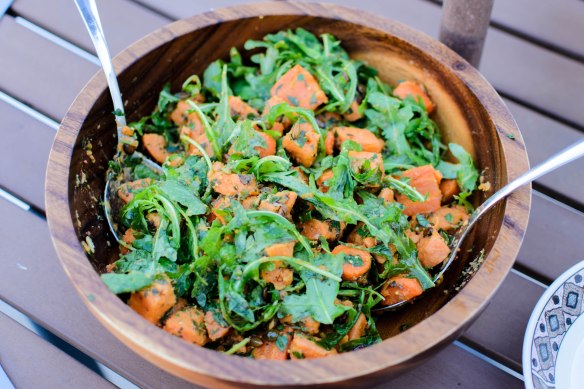
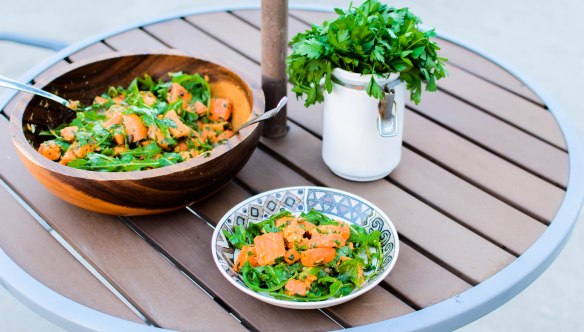
2016-food-blog-september-0809The dinner is in a park at a picnic shelter, so we are leaning largely on casual fare, but because it’s such a special occasion, we wanted a cut above your standard hamburger patties and potato salad. Since it will be mid-October, and it has been R’s dream to have a fall wedding for a very long time, we are working with an autumnal theme – there will be spiked and non-spiked apple cider, a slaw of brussels sprouts with toasted walnuts and dried cranberries, a substantial pasta salad with robust dressing and bitter radicchio threaded through, and this: a salad as good warm as it is cold or room temperature, of tender carrot and sweet potato chunks wrapped in a lime vinaigrette busy with herbs. To keep it light as well as autumnal, at the last minute the vegetable chunks get tossed with a scattering of well-toasted pumpkin seeds and a few big handfuls of delicate baby arugula.

2016-food-blog-september-0815The seed for this salad idea came from a Bittman project recipe, and I’ve tweaked and fiddled with it a few times now, until this iteration seemed exactly right. Virginia in October, which is where and when we’re headed, is a funny transitional point on the space/time continuum. It can be downright chilly, but it can also spike back up into summer temperatures, or it can gift you with a sudden downpour. It’s hard to know which you’re going to get, and sometimes it might offer up some of each in the same day! This salad dances well with them all. The orange root vegetable base and the pumpkin seeds point straight at Halloween and Thanksgiving, but juxtaposing them with a bright lime vinaigrette and soft, summery herbs makes the finished dish feel light. I ended up adding a spoonful of whole grain mustard for another kind of tartness, and this along with the peppery arugula prevents the starchy vegetables from reading too sweet.

2016-food-blog-september-0818Though I like the salad just how it is here, it is admittedly ripe for adjustments of all kinds. Replacing the pumpkin seeds with roasted pistachios might take things in a springy direction, and you could certainly bulk it up a bit with crumbled feta or goat cheese or even golden raisins, though these might tip the sweetness scales a bit overly much. You could use orange or lemon juice instead of lime in the vinaigrette, you could replace the arugula with baby spinach or kale and serve it warm; you could of course change out the herb combination to your preference. Add some nicely grilled bratwurst, or stir in a few ladles of buttery couscous or farro or quinoa, and you have a complete meal.

2016-food-blog-september-0824As I kept thinking about this salad, I realized it was ideal in so many ways. Since it can be served warm or cold, it works with whatever version of fall your home might be throwing at you – whether it’s the decidedly fall evenings in the northeast, or the Santa Ana wind-riddled mid-90s madness in Southern California. This is a transitional salad for a transitional season. And forgive me as I wax poetic on you, but it is also a nice metaphor for the occasion: a salad that moves easily between meteorological seasons seems perfect for a couple about to transition between seasons of life.

2016-food-blog-september-0836

Carrot and Sweet Potato Salad with Lime Vinaigrette
Serves 6 as a side
45-60 minutes including cooling time
1 pound carrots (about 4 large)
2 pounds orange-fleshed sweet potatoes (about 4 medium)
2 tablespoons salt
¼ cup pumpkin seeds (2 ounces)
1 tablespoon whole grain mustard
1 tablespoon honey
6 tablespoons lime juice (2-3 limes)
¼ cup olive oil
¼ cup chopped fresh parsley
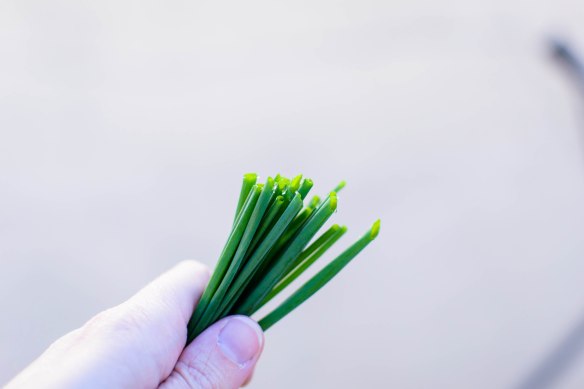
2 tablespoons chopped chives
2 tablespoons chopped mint leaves
¼ teaspoon black pepper, or to taste
1-2 cups baby arugula


  • Fill a large pot about ¾ of the way full of water, add the 2 tablespoons salt, and bring to a boil.
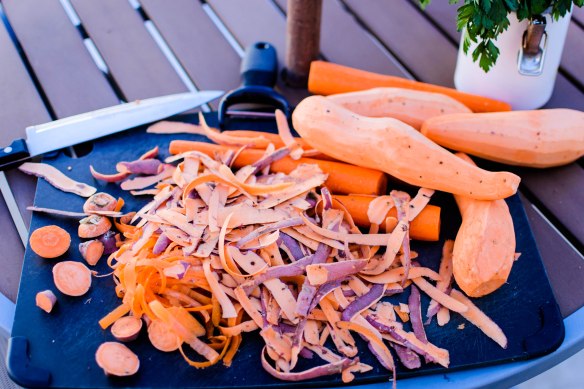
  • While you wait for the water to heat, peel the carrots and sweet potatoes and cut them into 1-2 inch chunks, a bit bigger than bite-sized.
  • When the water reaches a rolling boil, add the carrot chunks and cook for 5 minutes with the lid off – the carrots will take a bit longer than the sweet potatoes.
  • After the first five minutes of cooking, add he sweet potato chunks and continue to cook until the vegetables are tender but not mushy or falling apart – about 8-10 minutes depending on the size of your chunks. Immediately drain and set aside to cool for 10-15 minutes, then transfer to a large bowl.
  • While the vegetables are cooking, toast the pumpkin seeds in a 350F oven until they are browned and popping – about 5-10 minutes. A toaster oven works really well for this if you don’t want to heat up your house too much. When they are ready, set them aside to cool.
  • In a 2-cup glass measuring cup, whisk together the honey, the mustard, and the lime juice. Slowly drizzle in the olive oil, whisking constantly, to form a nicely emulsified dressing. Stir in the herbs and add black pepper to taste.
  • After the cooked vegetable chunks have cooled for 10-15 minutes and been relocated to a large bowl, pour the dressing over them and toss gently to coat everything evenly.
  • If you want the dish to be warm, add the arugula and pumpkin seeds, toss gently to combine, and serve immediately. The greens will wilt considerably as they hit the warm vegetables.
  • If you prefer the dish at cold or at room temperature, wait to add the arugula and pumpkin seeds until just before serving.
  • This will keep in the refrigerator for a day or two, though any greens you’ve incorporated will look considerably less sprightly after the first day.


Perfect Soy and Mustard Green Beans

2016-food-blog-september-0790It is uncommon for me to champion a dish for being quick and easy, as so few of the recipes I create for you are. But every once in a while, particularly at the beginning of a new semester of school as I re-learn how to do my job and how much time it entails, I have to shift my cooking style a bit – multi-part sandwich experiments just don’t fit into my day. Once in a greater while, a dish that results – like this one – is such a stunner that we have it three times in as many weeks and I know I have to share it with you as soon as possible.

2016-food-blog-september-0775This one is everything. I mean, with a claim like “perfect” in the title, it had better be, but trust me. Not only does it take advantage of the late summer green bean harvest, but the ingredient list can almost fit on one hand, and aside from the green beans and citrus (unless you are lucky enough to have a lemon tree nearby), it really is composed of ingredients you probably already have.* Mustard and soy are a dynamite pairing that work well as a marinade for meat too (and tofu and tempeh, for that matter), and the squeeze of lemon right at the end keeps things light despite the short, buttery stir-fry the beans are subjected to.

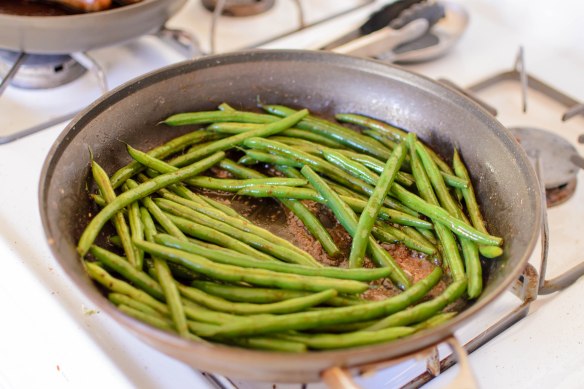
2016-food-blog-september-0783Okay, so there are two cooking methods here. But honestly, each of them only takes 3 minutes at most, and you can prep the beans while the water to blanch them is heating up. One knife, one cutting board, one skillet, one bowl or pie plate, and one pair of tongs. It’s hard to beat that, especially when the result is a pile of snappy, still-crisp beans speckled with a perfectly savory, tangy, just-salty-enough coating that pairs as well with a roast chicken as it does with a sandwich or a bowl of quinoa.

2016-food-blog-september-0779* this is a television chef claim that bothers me: while I do usually have things like canned tomatoes and a selection of beans in my pantry, sardines in olive oil, bars of white chocolate, and marsala wine are just not “pantry staple items” that I always have on hand to “throw together” a quick meal (though let’s not pair these particular options – this sounds even worse than a bad Chopped basket).

2016-food-blog-september-0787

Perfect Soy and Mustard Green Beans
Serves 4 normal or 2 green bean-obsessed diners
10-15 minutes
Cold water
1 tablespoon salt + more to taste if desired
1 pound green beans, stem ends removed (but leave the little tails on – they look nice)
¼ cup soy sauce (I use low-sodium)
2 tablespoons Dijon or spicy brown mustard
1 tablespoon olive oil
1 tablespoon butter
juice of ½ a lemon (around 2 tablespoons)
black pepper to taste


  • Fill a 12-inch skillet with cold water, add the 1 tablespoon salt, and bring it to a boil over medium-high heat.
  • While the water heats, prep the green beans and whisk the soy sauce and mustard together in a wide, shallow dish – a pie plate works well for this.
  • When the water is boiling, carefully drop in the green beans, stirring to ensure they are all immersed, and cook for about 90 seconds (2 minutes if your green beans are very large).
  • Immediately drain off the water and relocate the beans to the soy and mustard mixture; toss to coat evenly.
  • Place the skillet back over medium-high heat, add the olive oil and the butter, and when the mixture is shimmering, use tongs to add the green beans back into the skillet, shaking them off a bit as you do so to avoid adding excess liquid to the pan.
  • Cook, tossing often, for about 2 minutes, until the beans are well coated with little brown bits. Squeeze in the lemon juice, season with salt and pepper to taste if desired, and cook, tossing frequently, about 1 minute more.
  • Serve immediately.

Save

Save