 toast, Gromit.
Photo Friday
Reply
toast, Gromit.
 It will come as no surprise to you that I am late with this post. I mean, here it is Monday and it’s up and all that, but a quick check of the calendar belies my appearance of timeliness. See, it’s December. It’s December and this is a sauce recipe I owe you from last month. By my twisted, grasping-for-an-apology way of thinking, though, I ate it in November… so that totally counts, right?
 This time around, we’re back to butter. There are a lot of butter based sauces, friends. A lot. This one, a beurre blanc, is a sauce made by reducing white wine with aromatics and sometimes a bit of lemon juice or vinegar, then whisking in an unbelievable amount of butter until the sauce turns into this rich, fluffy, thick, pale yellow ambrosia that belongs draped over every kind of substance imaginable.

 Most of these sauces have dubious origin stories. Who wouldn’t want to be responsible for a well-loved buttery emulsion as appropriate to green beans as to seared fish? Cooking lore holds, however, that beurre blanc was created by accident – an unintentional simplification of béarnaise sauce that caught on and became beloved. Julia Child writes about it with the affection you might expect for a sauce that is, in her words, essentially “warm flavored butter.”
 This is not Julia Child’s recipe. For ease, and for clarity, I went with Alton Brown’s. Mine is a slight adaptation – I halved the recipe, and I didn’t have the traditional shallot so I simply omitted it. Alton’s sauce uses lemon juice instead of white wine vinegar, which suggests it was meant to go with fish or seafood, and this decided my pairings for me. Lemon and butter sauce? Pass the scallops.
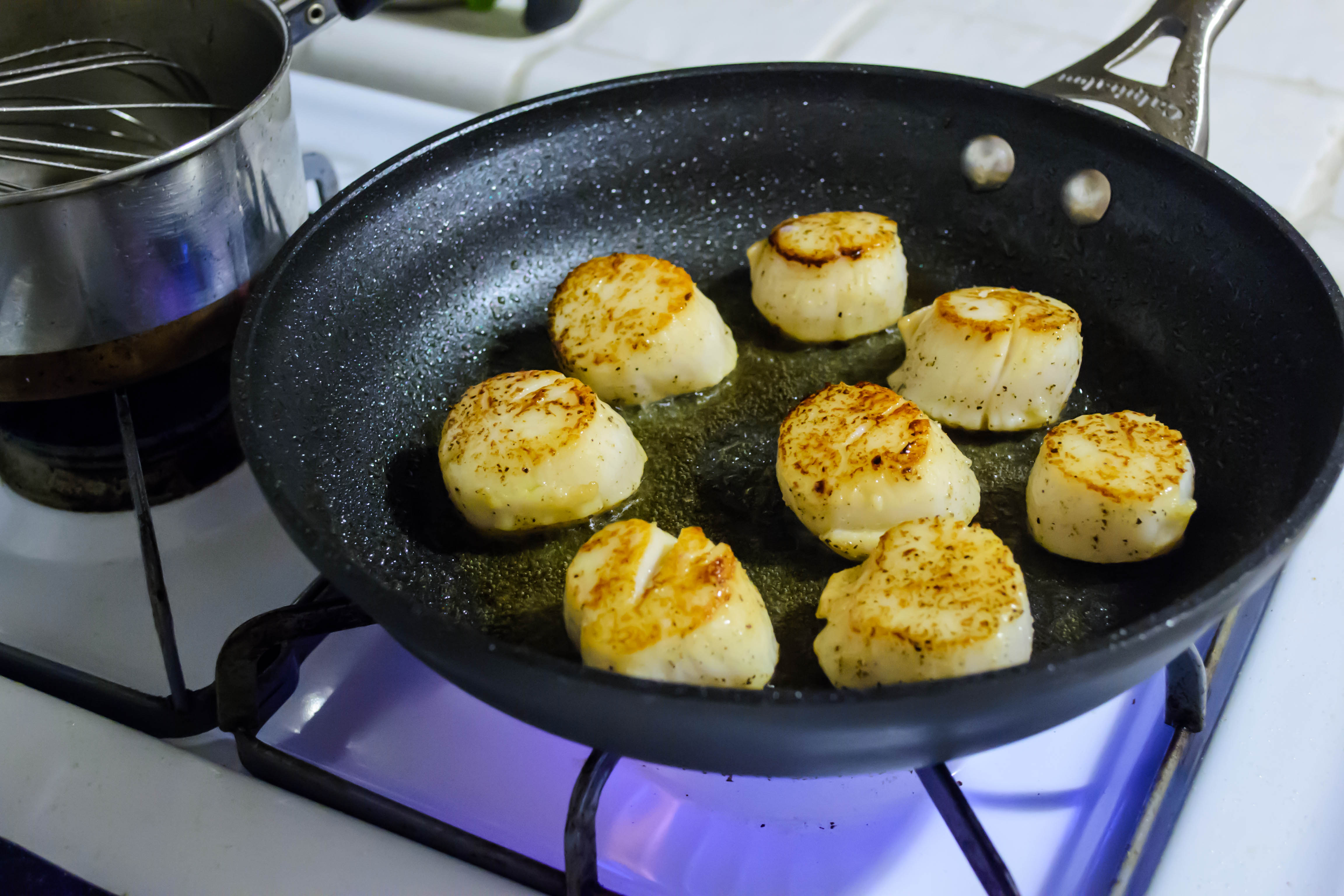
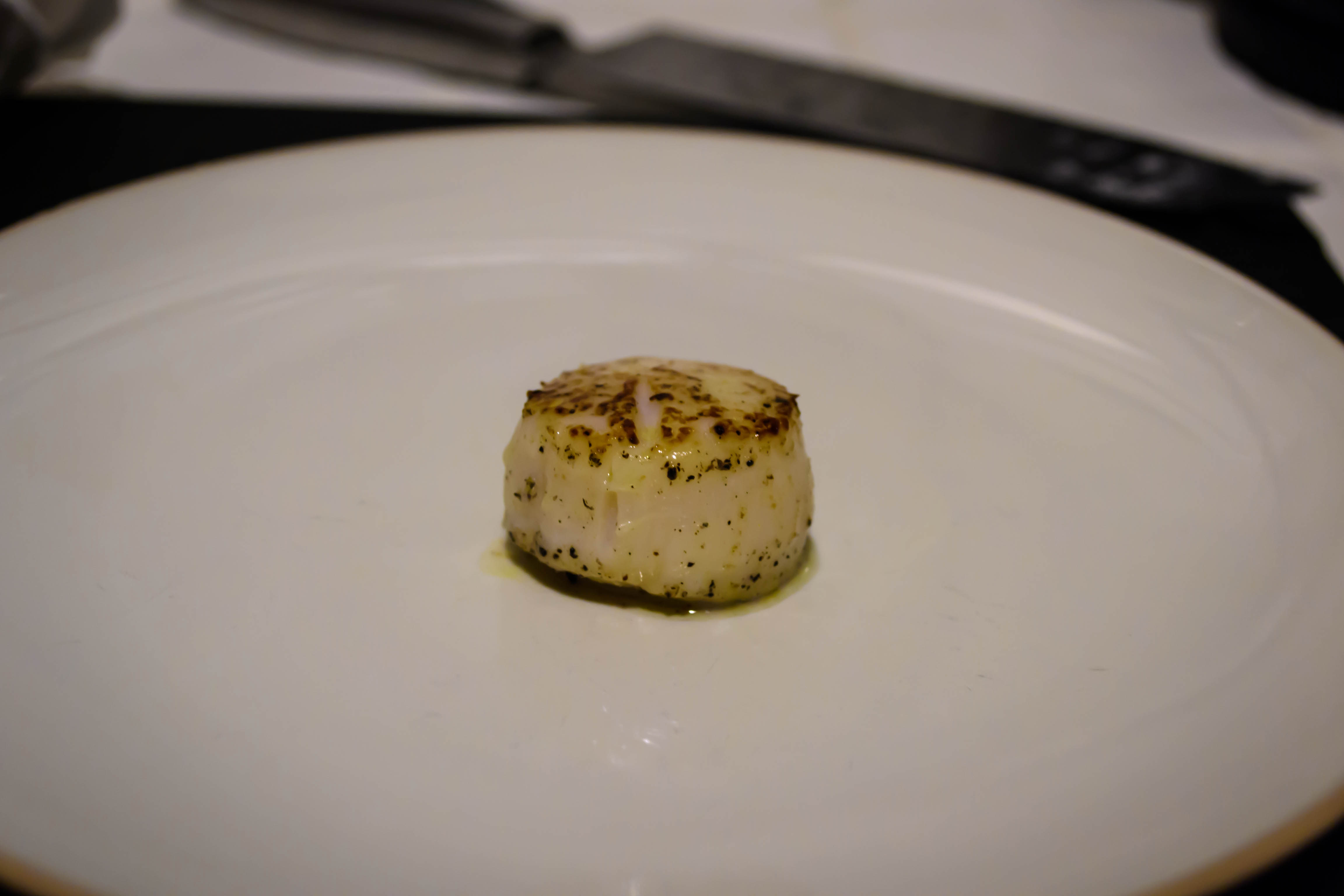
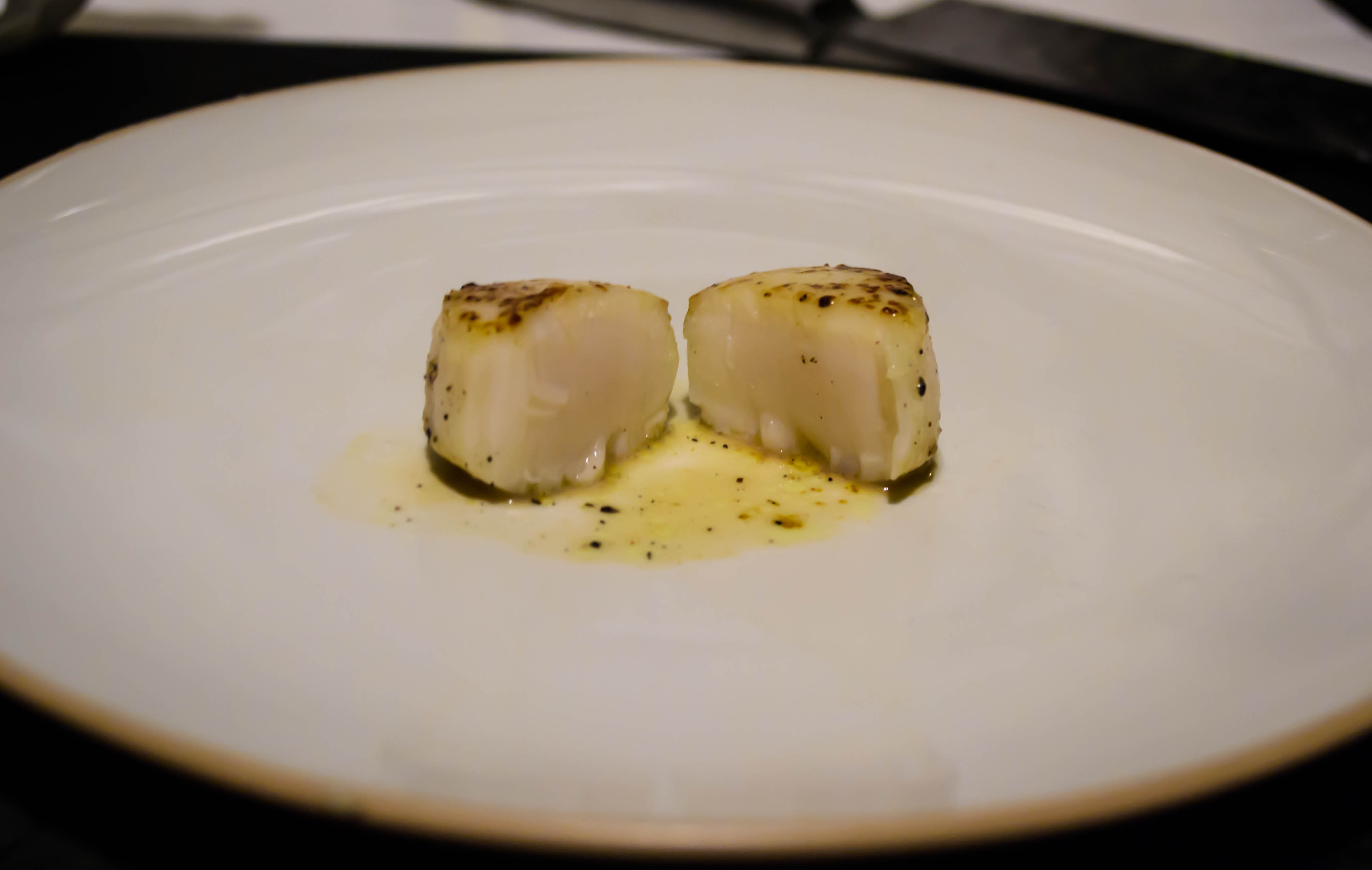
 The silkiness of this sauce is perfect with shellfish. I can imagine dipping lush hunks of lobster into it. I can imagine a drizzle over soft-shell crab. I would be more than satisfied with a pool underneath a piece of halibut or cod. But scallops won the day for me. These perfect little cylinders, meaty and mild and almost sweet, develop a perfect crust when you pat them dry, season them aggressively, and sear them golden-brown on top and bottom. When you douse them with sauce, or float them in a puddle of it, the buttery smoothness somehow elevates them even more.
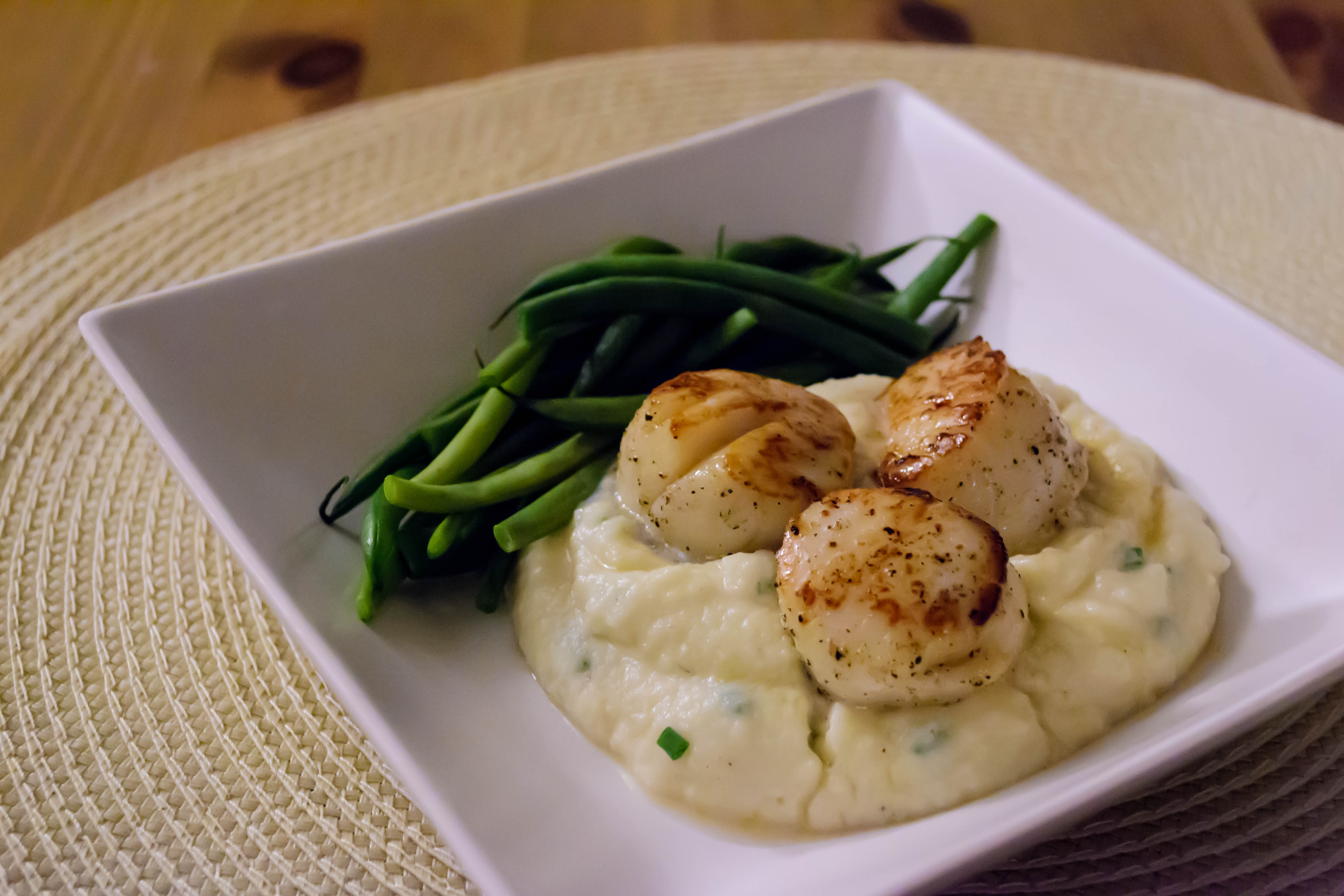 Because I was eating alone, I decided to play with plating a bit more than usual. As I see it, there are many ways to serve this dinner. I tried two options. First, and a bit more everyday, is a lovely heap of parsnip puree, a few scallops nestled atop it, and a small pile of steamed slender green beans alongside. A healthy drizzle of sauce, and you are ready to serve.

 To amp up the presentation though, I grabbed a long rectangular dish. A few small bundles of green beans at intervals along the plate, small mounds of puree between them, and a tender scallop balanced on each spoonful of puree. Sauce can be applied to the top of each scallop, or poured around the edges of the plate just before serving.
Seared Scallops with Beurre Blanc and Parsnip Puree
Serves 2
For the parsnip puree:
 The time of peace is coming. I can feel it. I need it. This is week 14 of a 16 week semester, and though I had a brief respite from grading this weekend, this week papers begin pouring in again. And this is not to say that my weekend wasn’t busy. It was crammed, jammed, packed, precariously scheduled. It was just busy with other things. But I felt, for just a moment, the peace I’m craving. I caught myself, about five minutes into dusting the living room, enjoying it.
I’ll wait while that sinks in.
I was enjoying. dusting.

 Before you think me a complete freak, let me say this is a highly irregular occurrence. I don’t enjoy dusting. In fact, within ten minutes of noticing this odd feeling of pleasure, I was tired of the activity again. But for those few minutes, there was something so calming, so reassuring, so soft and easy about running a cloth over the bookshelves and the side table and the TV stand. It was a moment that was easy to escape from. It was mentally effortless. I thought, “I need this.” I need this peace, this feeling of being brainless with no guilt.

 Fortunately, this time is approaching like a freight train (it would be nicer if it were approaching like fog, or frosting, or some other delicate F word, but we must be honest…). The commercials I try not to pay attention to when I watch television loudly broadcast how many shopping days are left until Christmas. Within my family, texts about gifts have started flying. I may or may not already know exactly what I’m wearing for my family’s Christmas dinner.


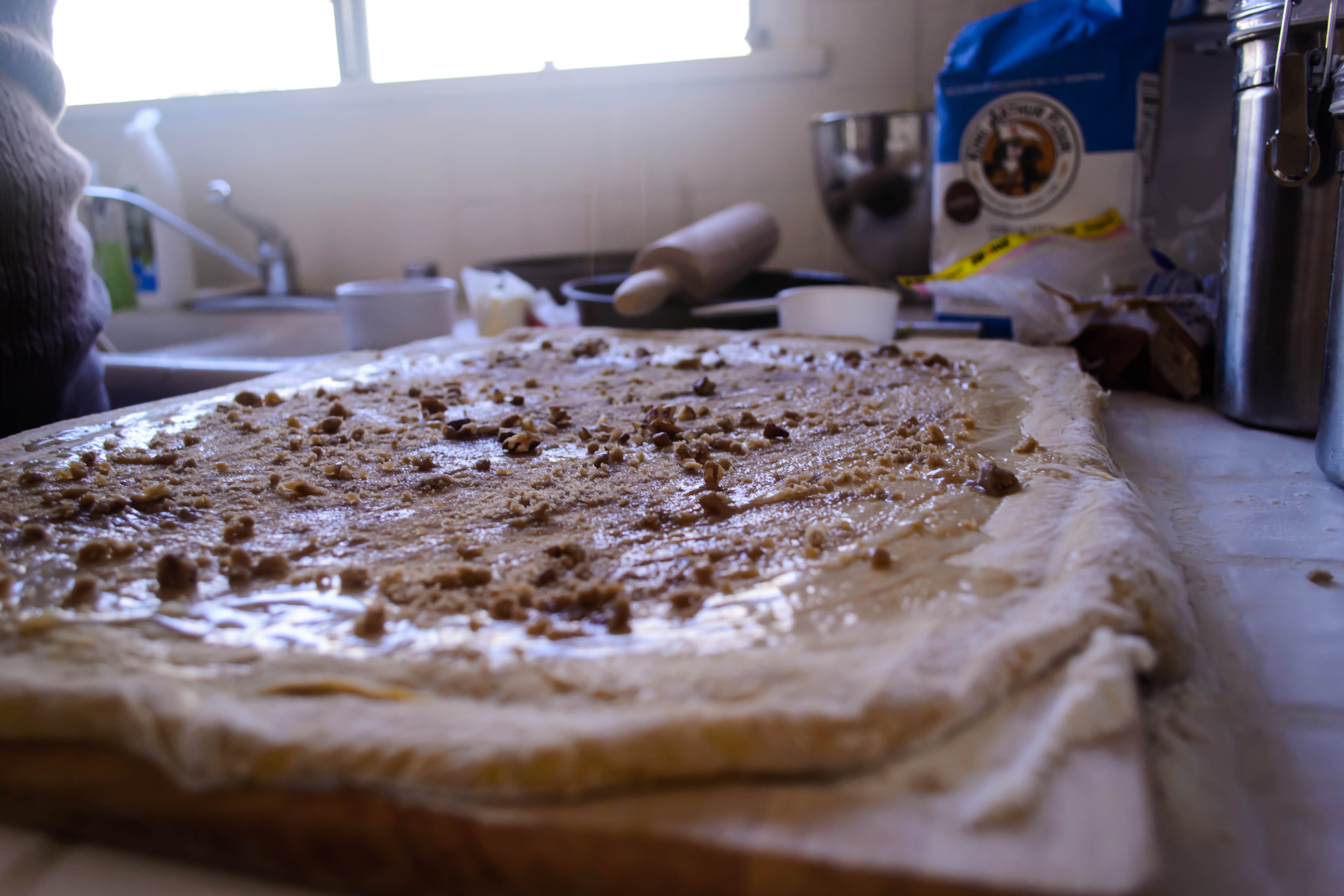 But that’s getting ahead of things. That’s the full stop. We do get a funny little moment of pause first, which is what the dusting was for. My parents arrive on Wednesday to celebrate Thanksgiving. It will be the first year my sister doesn’t join us. This is, when I think about it, a stab of selfish sadness. But that only lasts a moment, because instead of winging her way all the way across the country to be with us for one short weekend, she’ll be with her partner and her dog, with his family. This is a joyful thing. She sent me a photo of a batch of pumpkin bread cake pops she made to take along. She said something about “impressing purposes.” She won’t need cake pops to do that.

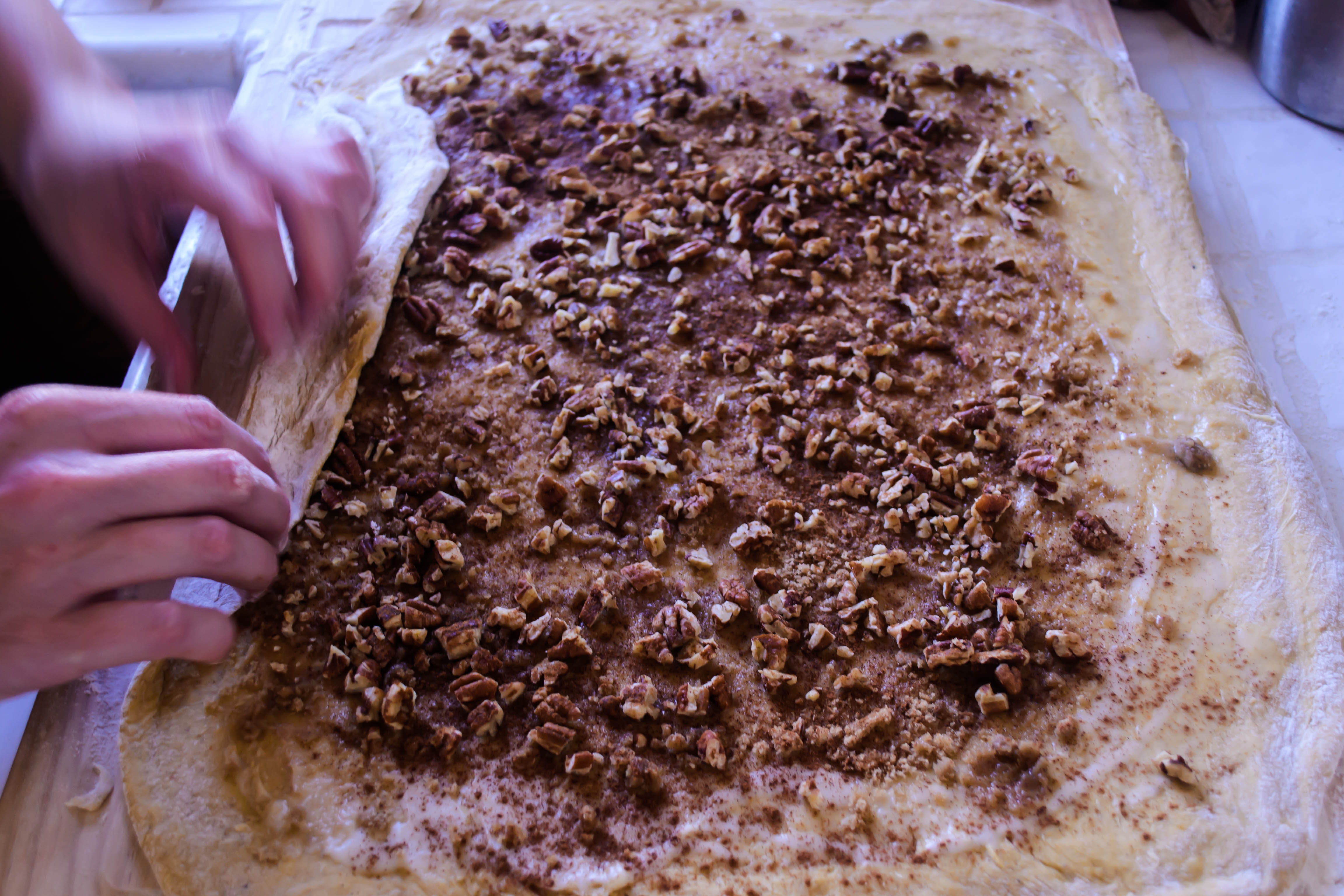
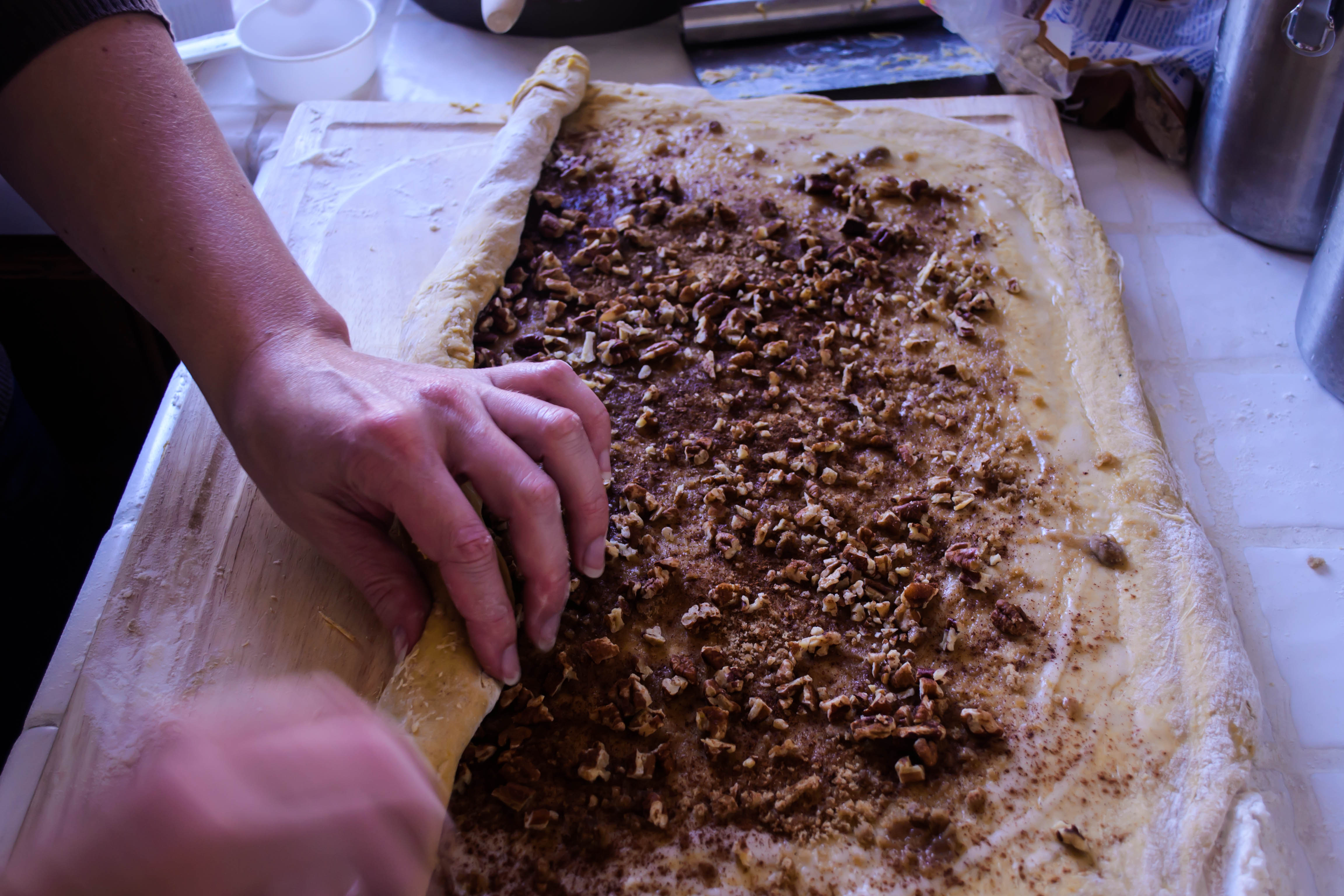 It does seem like pumpkin is the thing to do these days. I was unsurprised that this month’s Twelve Loaves project calls for that most celebrated of squashes. I typically try to imagine something no one else will have made for the Twelve Loaves challenge, but this month I decided to loosen up. The fact was, I wanted pumpkin sweet rolls. So no matter how many other people chose this too (two so far), I was making them. Originality be damned. Sometimes you just have to make what you’re craving.
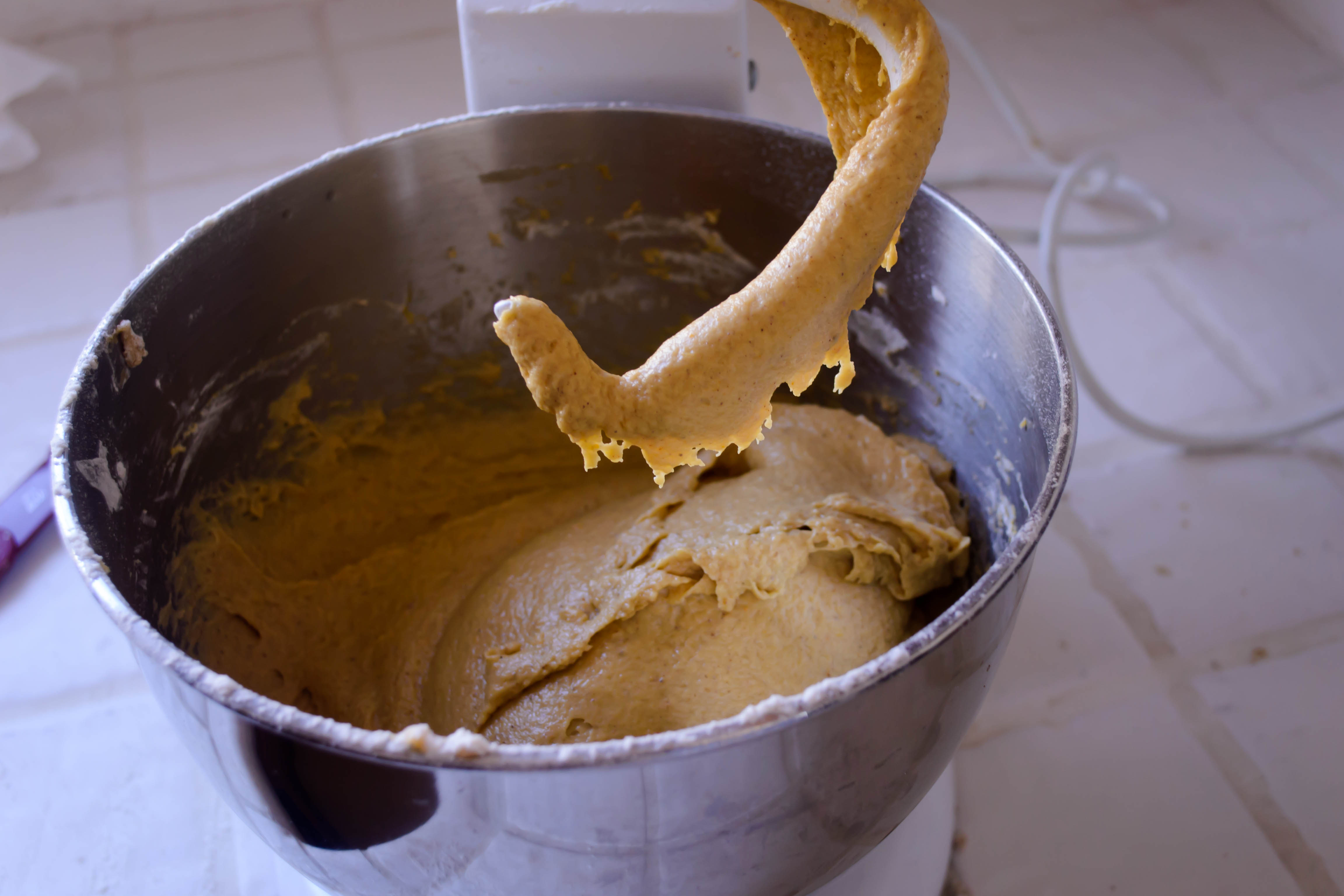
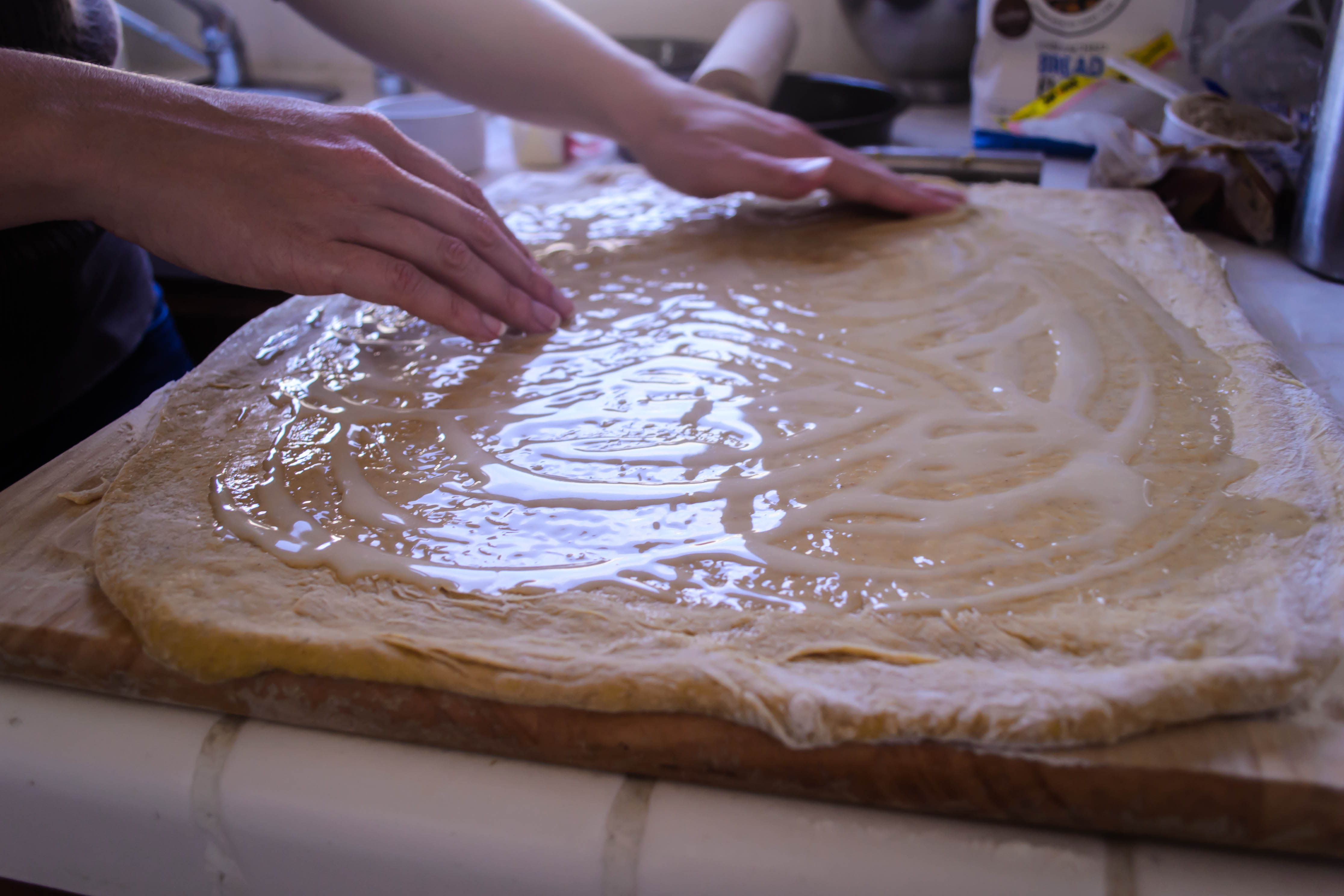
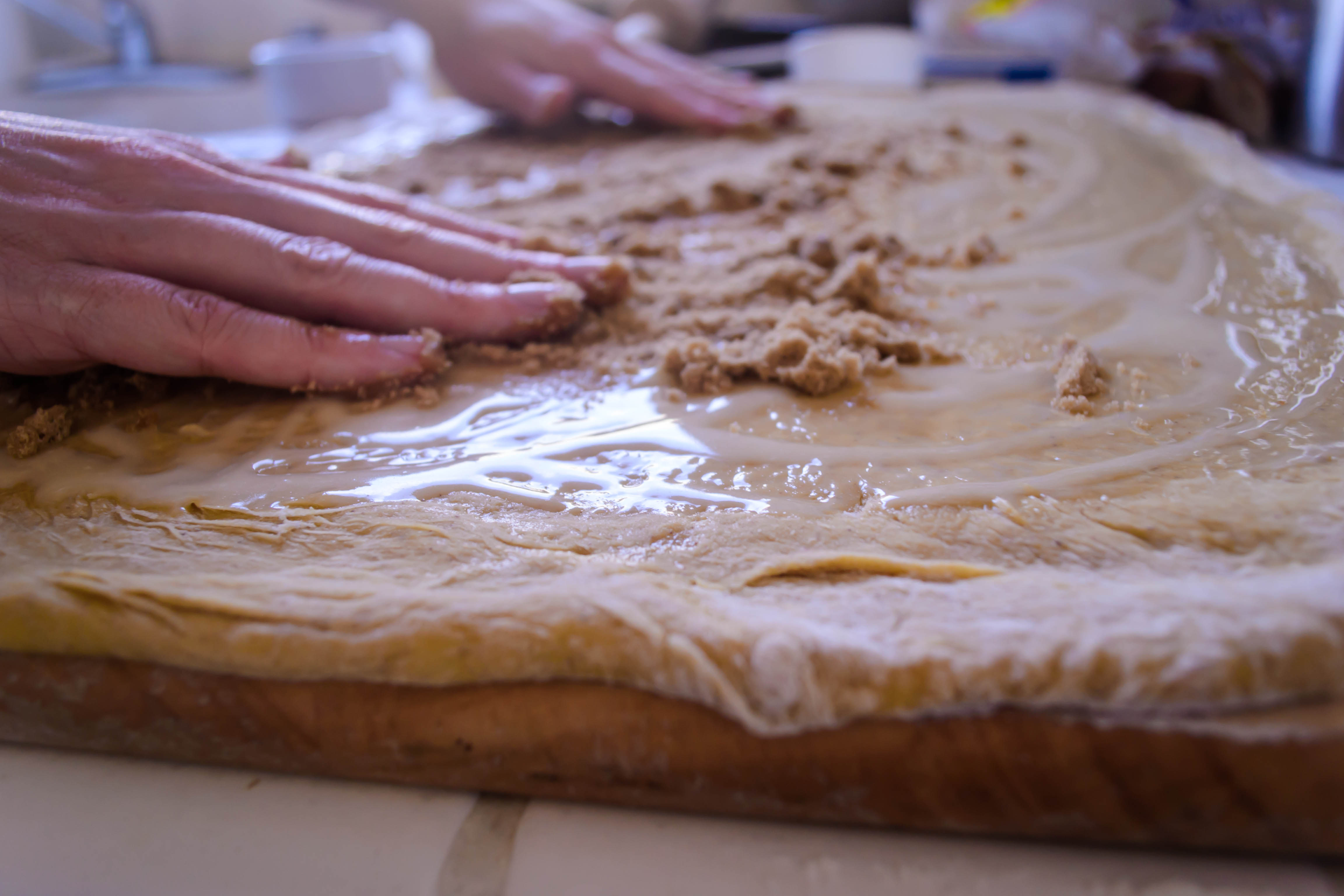
 For these rolls, I started with my Nana’s sweet roll dough, but used all whole milk instead of water for added richness. I replaced the white sugar with brown, to play with the autumnal feel of the pumpkin, and spiked the dough with all the spices that usually find their way into pumpkin pie. And then, of course, the bright orange vegetal sweetness of pumpkin puree. Once risen and rolled out, I spread it with melted butter, more brown sugar and cinnamon, and a scattering of toasted, chopped pecans. Rolled, sliced, and baked, they puffed into glorious swirls – orange gold, with dark bronze bubbling fissures twisting through them. Pulled apart just like that, they were delicious. Because I didn’t overdo it on the sugary center, they could almost pass as breakfast.
 But this is holiday food, and holiday food is so often about excess that I couldn’t help myself. A quick whip of cream cheese with a breath of powdered sugar, a splash of vanilla, and just a touch of heavy cream to loosen it up, and I had a soft, thick frosting to spread over their golden tops.
 I left two pans in the department mailroom at work. By the time I left in mid-afternoon, there weren’t even crumbs left.
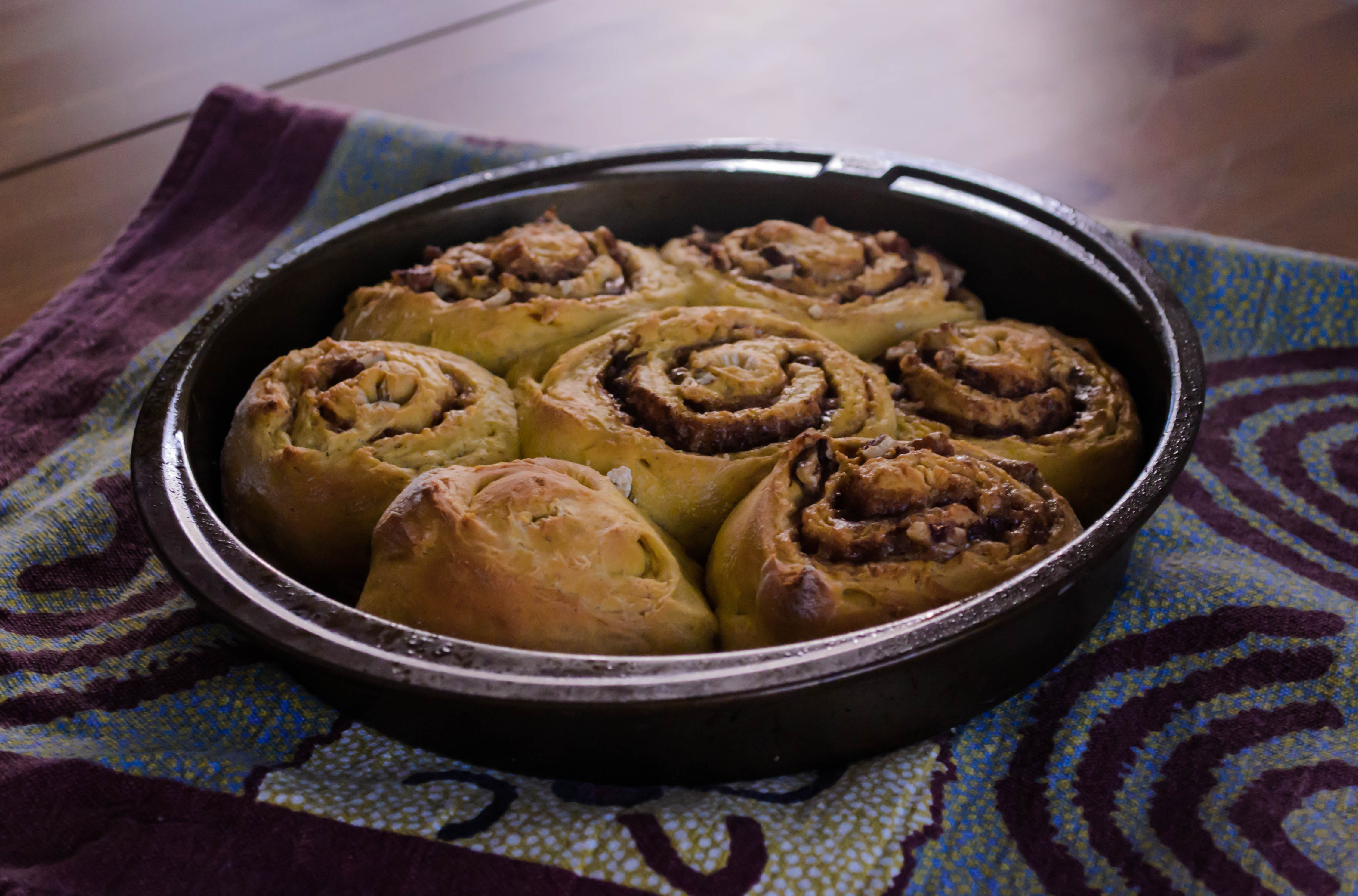 Making these rolls is an investment. They have a long ingredient list. The dough can be quite sticky. They require two rises. They demand rolling, chopping, toasting, sprinkling, whipping, spreading… but they also require pulling into shreds of sweet chewy dough, and assiduous finger licking. And meditative savoring. And here’s the thing: the holiday season often feels hectic. There is shopping to be done, and traveling to navigate, and wrapping and cooking and impressing family you rarely see, and all of that can feel like too much to squeeze in a complicated baking project.
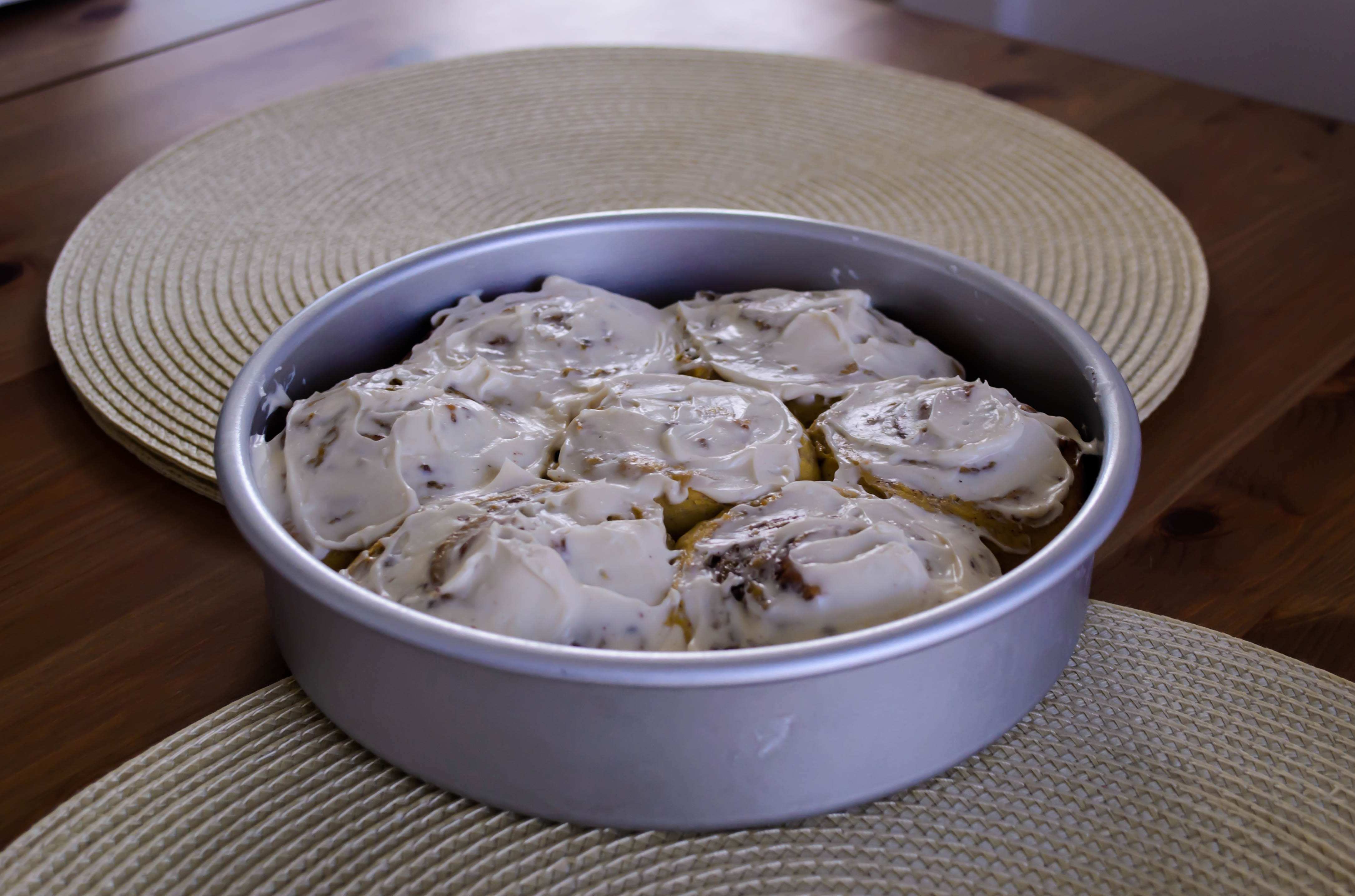 But I think, if you embark on such a baking project, knowing the time it requires, and sinking into its gentle rising and baking schedule, it provides its own kind of peace. Besides, these are too good not to make. So just make some. Thanksgiving breakfast, maybe. You’ll thank me later.

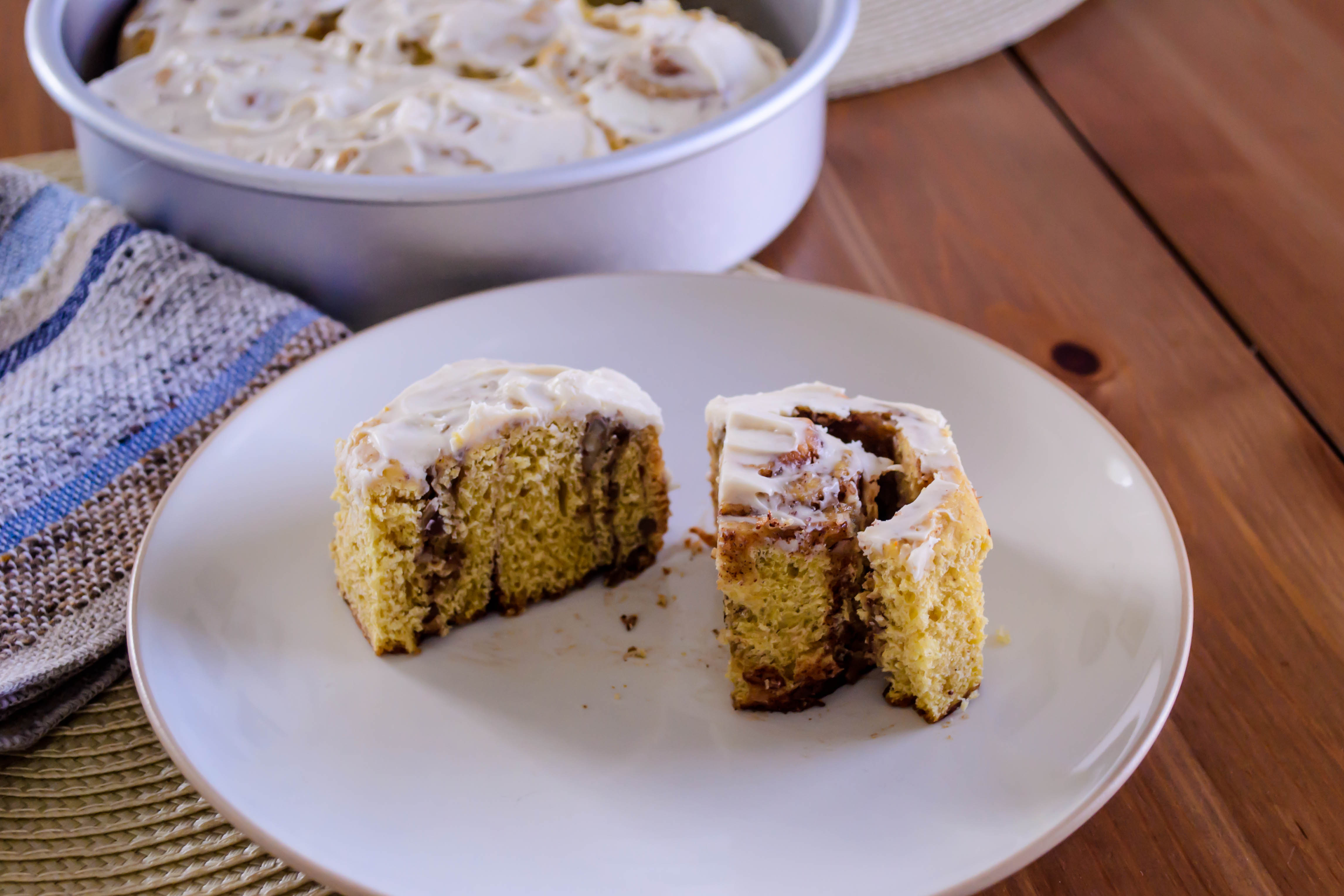
Pumpkin Pecan Sweet Rolls
Makes about 30
… with apologies to Robert Burns.
I won’t torture you with mimicry. It’s best to leave it at this:
“The best-laid schemes o’ mice an ‘men
Gang aft agley”
See you next week. With pumpkin.
 The first time I made this dish, which could be called a roasted side dish or a warm salad, depending on how you’re feeling, I didn’t actually make it. Let me explain. Like everyone (she says, because it makes her feel better), I have a few unfortunate… let’s call them character flaws. I’m clumsy. I drop things. I spill. I trip. Last week right in the middle of a lecture about pronouns and antecedents I bumped into the chalkboard and, in my recovery, stumbled into a wheeled desk chair that promptly rolled several feet across the classroom. My students were gracious enough to laugh at me.
 Where my clumsiness can be amusing or endearing or even charming in other areas of life (I disagree, but N. seems to find it so), it occasionally winds up being dangerous in the kitchen. I take precautions: my knives are sharp, I stabilize my cutting boards, and I try not to do too many things at once. But once in a while, a knife slips, my mind wanders, and I wind up bleeding.
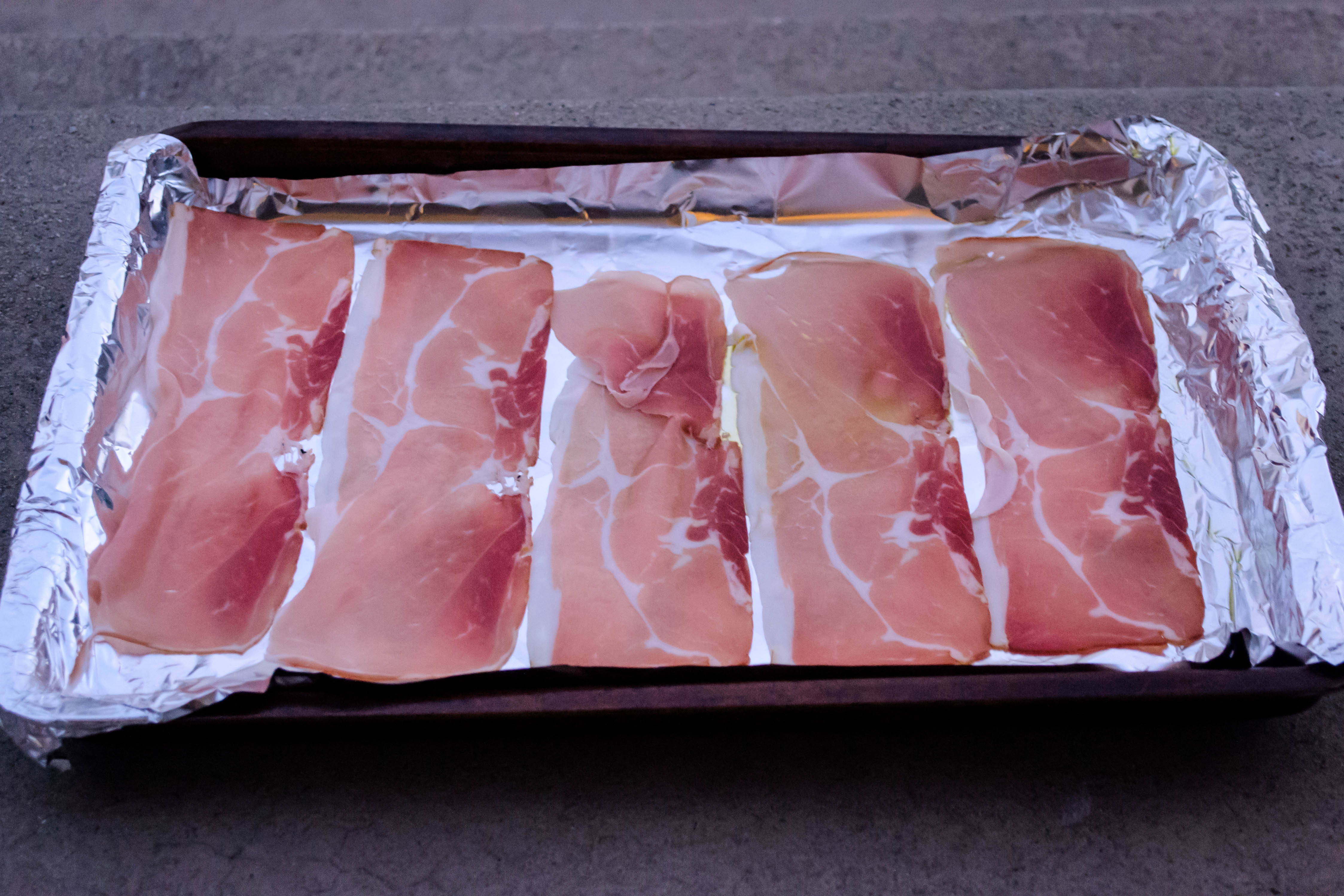
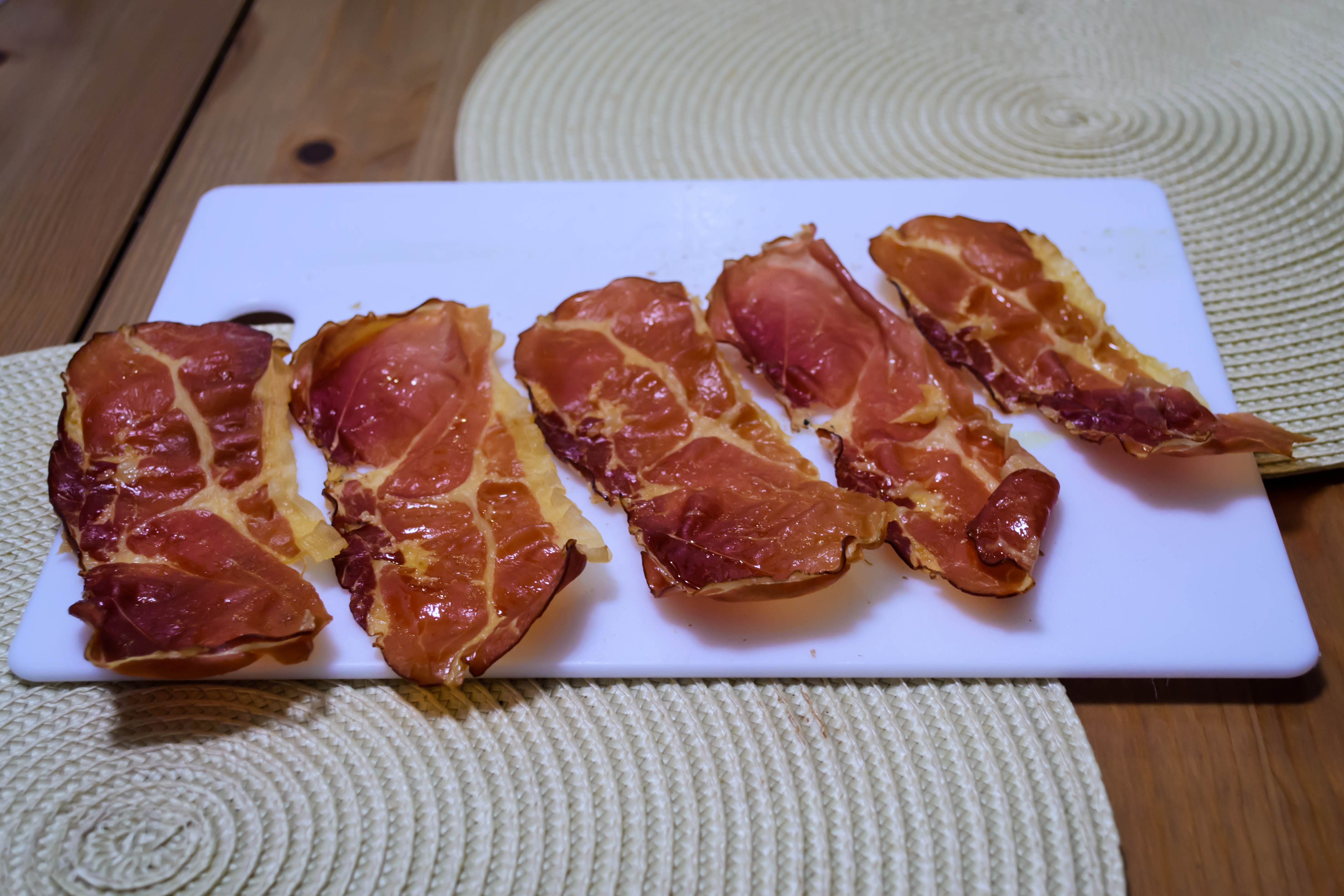 This unappetizing truth is what almost did this salad in. The first time I made it, this autumnal tumble of sweet potatoes, brussels sprouts, prosciutto, and walnuts, I had baked the prosciutto into saliva-inducing crisps, toasted the walnuts, and cooked off the sweet potatoes. All that remained, aside from a tart dressing I knew would involve whole grain mustard and cider vinegar, was to slice up a mess of brussels sprouts. To save on dishes, because N. hates washing the food processor, I was doing this delicate slicing by hand and, well, my hand slipped. In a matter of seconds, I was outside, sitting on the porch step with my hand in the air and my head between my knees thinking it was too early for the sky to be so dark, and N. was running for a bandage and asking questions about something called an emergency room.
 When my head cleared a little, I decided the cut wasn’t bad enough to merit a hospital run, but it was bad enough that I wouldn’t be able to finish dinner. You’re up, N! We tagged out and N., usually a bit shy in the kitchen, did an admirable job slicing the rest of the sprouts, whisking up a sharp, perfectly acidic dressing, and tossing everything together. We ate, I recovered, and I suddenly had a fantastic war story to exchange with my sister when she suffered her own bit of kitchen clumsiness a few weeks later.
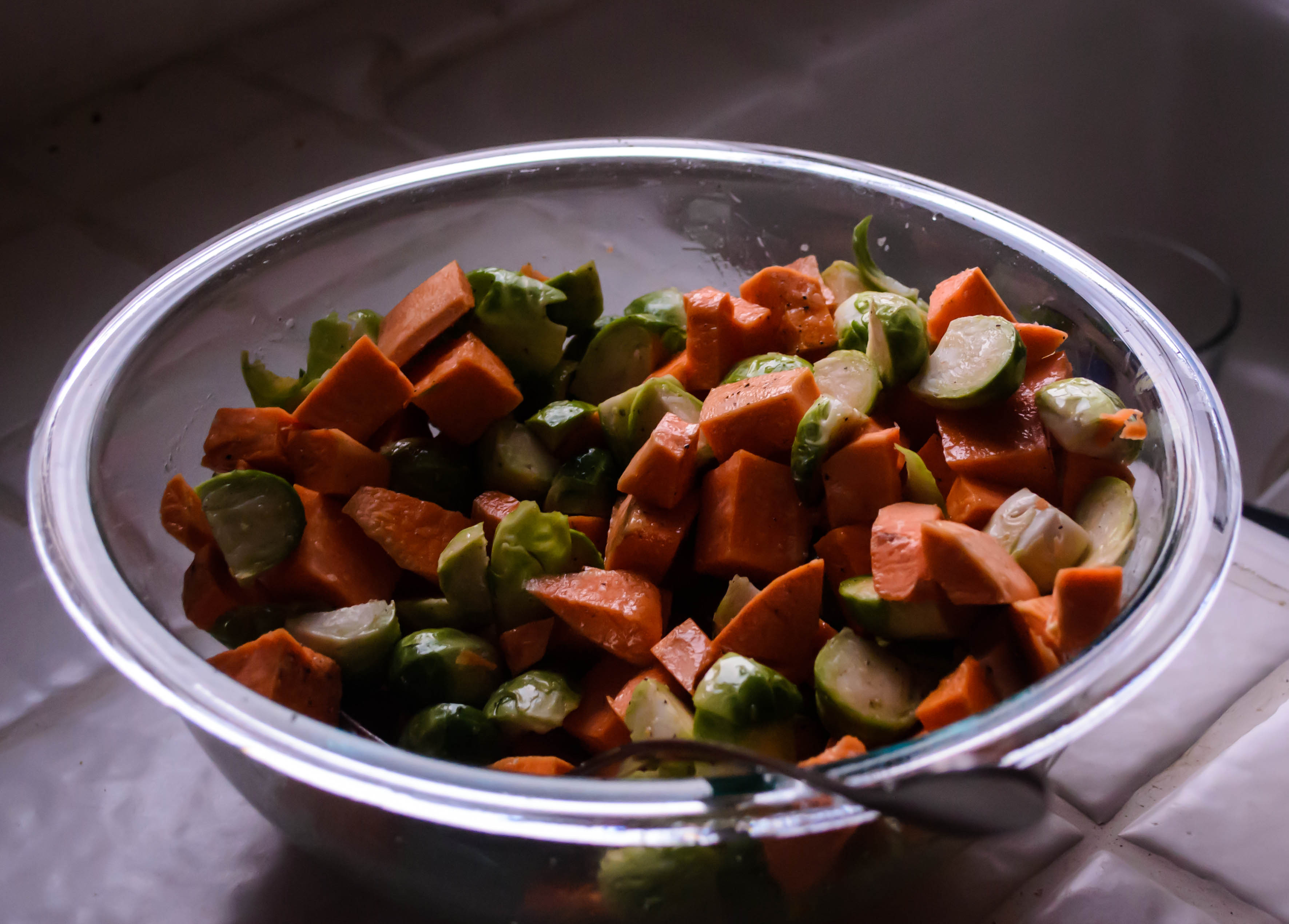
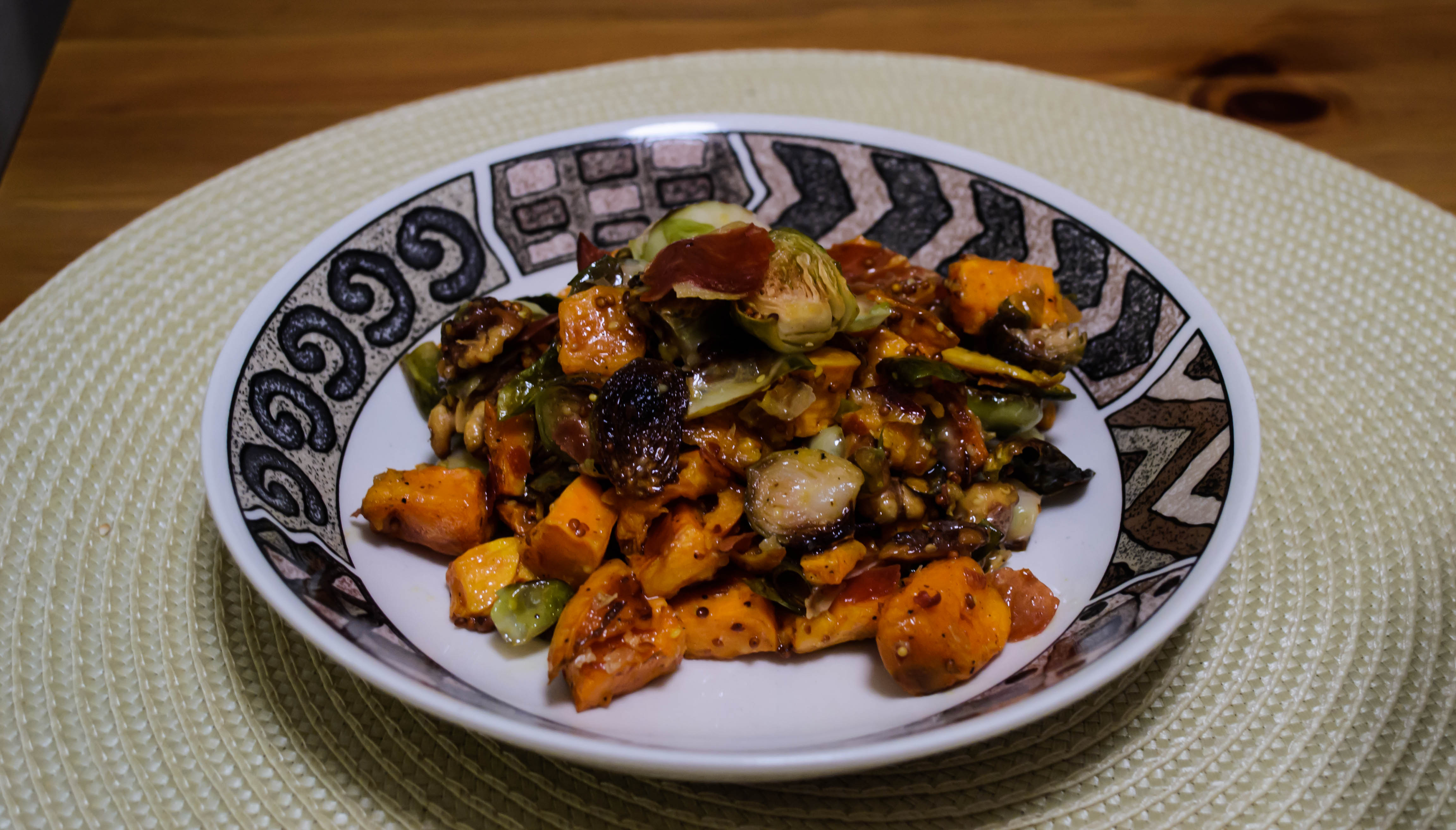
 The dish stayed in the back of my mind. It was good when we ate it – nice for the day we’d had which, though warm, carried hints of cooler evenings to come – but I kept wanting more. The flavors should be deeper. The rawness of the brussels sprouts was okay, but with toasty edges they would be even better. My fix, as it usually is for things involving vegetables, was to roast everything. This created, I’ll admit, a bowl of cubes and shards that would never pass muster on a Pinterest board worth its salt. However, it makes up for its homeliness by combining all the fall flavors and textures I was yearning for. It is sweet and earthy and vegetal, with the right amount of saltiness from the prosciutto. The walnuts have a slight, slight bitterness, which contrasts nicely against the sweet potato. And the dressing, tangy and light and packed with tiny mustard seeds that pop between your teeth, soaks down into the vegetables and lifts the whole thing back up into perfect, warm, satisfying fall salad territory.
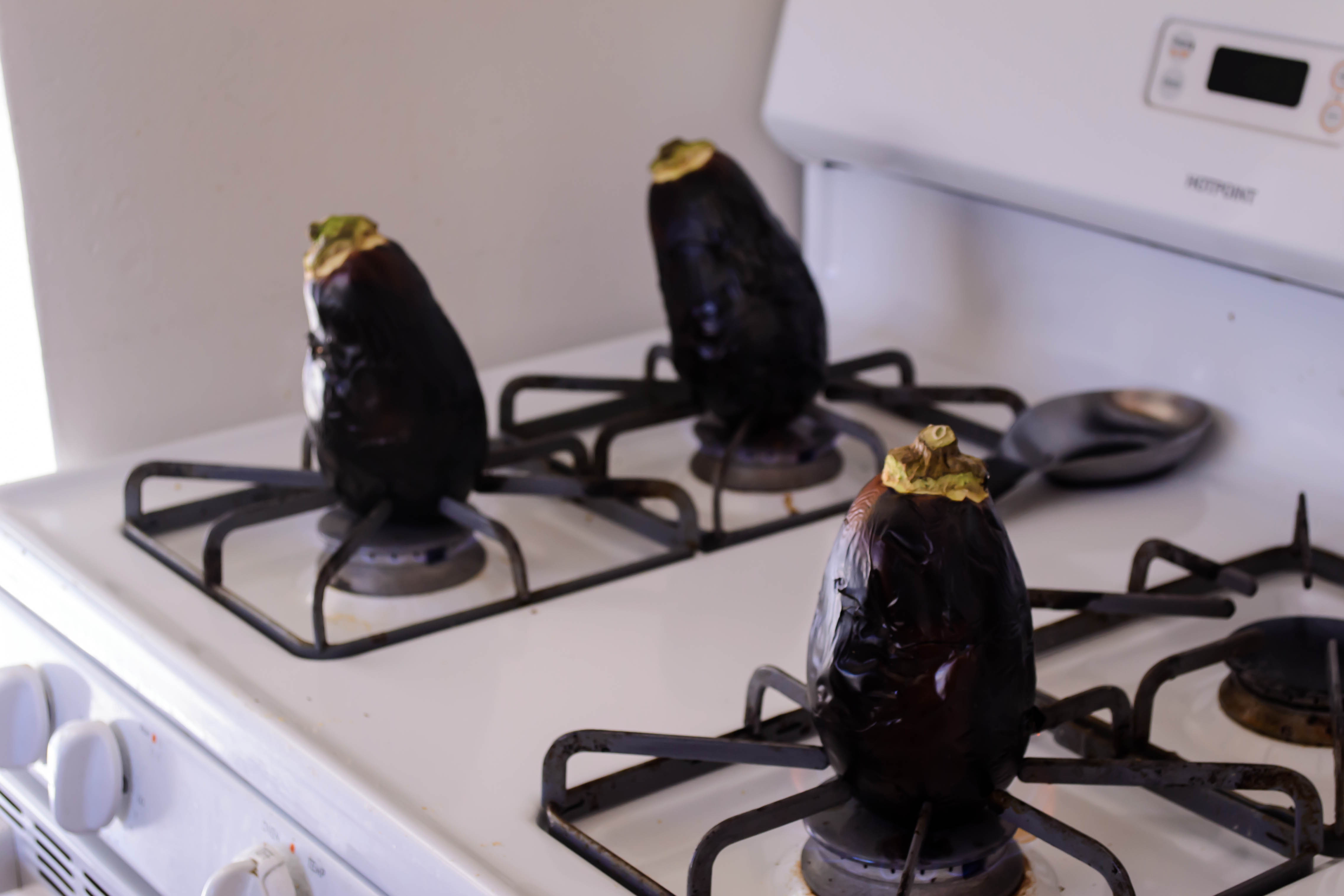
stove-top roasting.

A fabled land of farmers, farm shares, fancy (and not so fancy) restaurants, family meals, food projects and more.
cooking my way through my dissertation, one egg at a time
Fearless cooking from a tiny NYC kitchen.
food, in so many words.
Recreating the famous dishes of famous writers. Part recipe blog, part historical discussion, entirely unabashed love of books.
Epicurean Adventures from Eugene, Oregon
Celebrating the Harvest
Modern Iranian aka Persian Food & Culture Blog - Cuisine, Recipes, Stories , Photos, Pictures, DIY tutorials
Exploring Culinary Traditions of Africa, African America and the African Diaspora
food, in so many words.
food, in so many words.
food, in so many words.
Food-Stories-Recipes-Love
WordPress.com is the best place for your personal blog or business site.
 "blackberry-eating in late September"