Cilantro Lime Rice

Once you live in an area long enough, you start to notice food trends, especially if you like to eat out (which I do).  In Los Angeles, when you’re not focusing on the grass-fed beef and the house-made buffalo mozzarella and the artisan cocktails, you start to notice side dishes.  It wouldn’t be Los Angeles, I suspect, without the ubiquitous kale salad.  These folks love their kale.  And when it’s not kale, it’s quinoa, toasted or steamed or boiled, getting cozy with vegetables or dried fruit or the lightest of vinaigrettes.  Sometimes, in a really ambitious nod to “California Cuisine,” kale and quinoa get combined in the healthiest, hipster-est, most trendy-bohemian side dish the world has ever seen.*
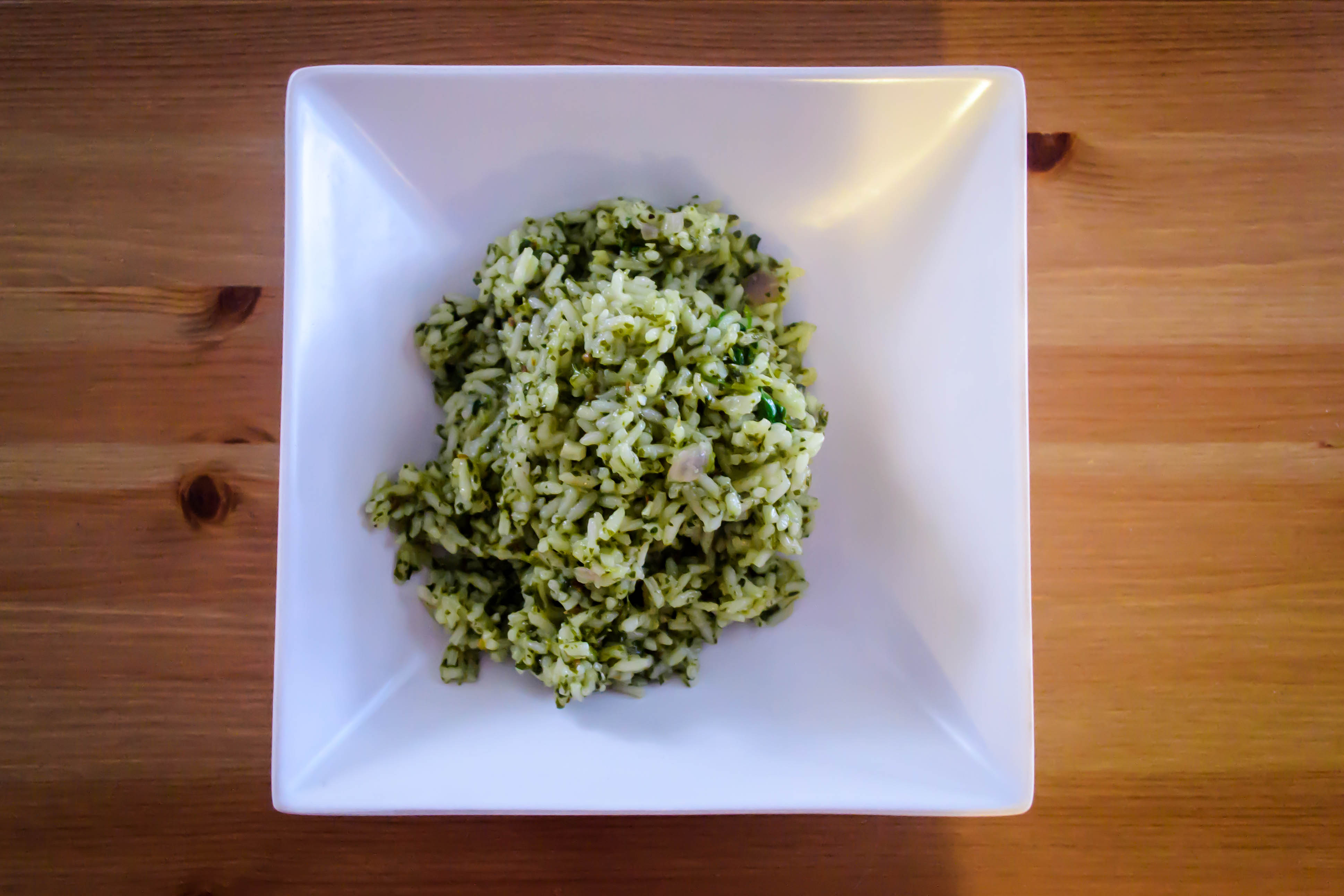
Food Blog September 2013-2636But the other side dish I’ve been noticing a lot lately, spurred along, no doubt, by the dozens of Chipotles lining every other street corner, is cilantro lime rice.  Whether it’s speckled with zest or dotted with the occasional herb fleck, or the bright green of a rice dish Sam I Am would be proud to serve alongside some huevos rancheros verdes, it shows up on so many menus that at some point I was bound to become either totally sick of it, or completely obsessed.
Food Blog September 2013-2631Clearly, my palate chose the latter.  I adore it.  At one of our current favorite Culver City haunts, my dinner choice is based on which dish comes with a side of cilantro lime rice.  I fall on the love side of the Great Cilantro Divide – I admit that there is a soapy quality to it, both in taste and in aroma, but it appeals to rather than repulses me – and lime is quite possibly my favorite citrus option.  These flavors paired with a fluffy, starchy, perfectly cooked scoop of rice are a side dish I would eat next to almost anything.
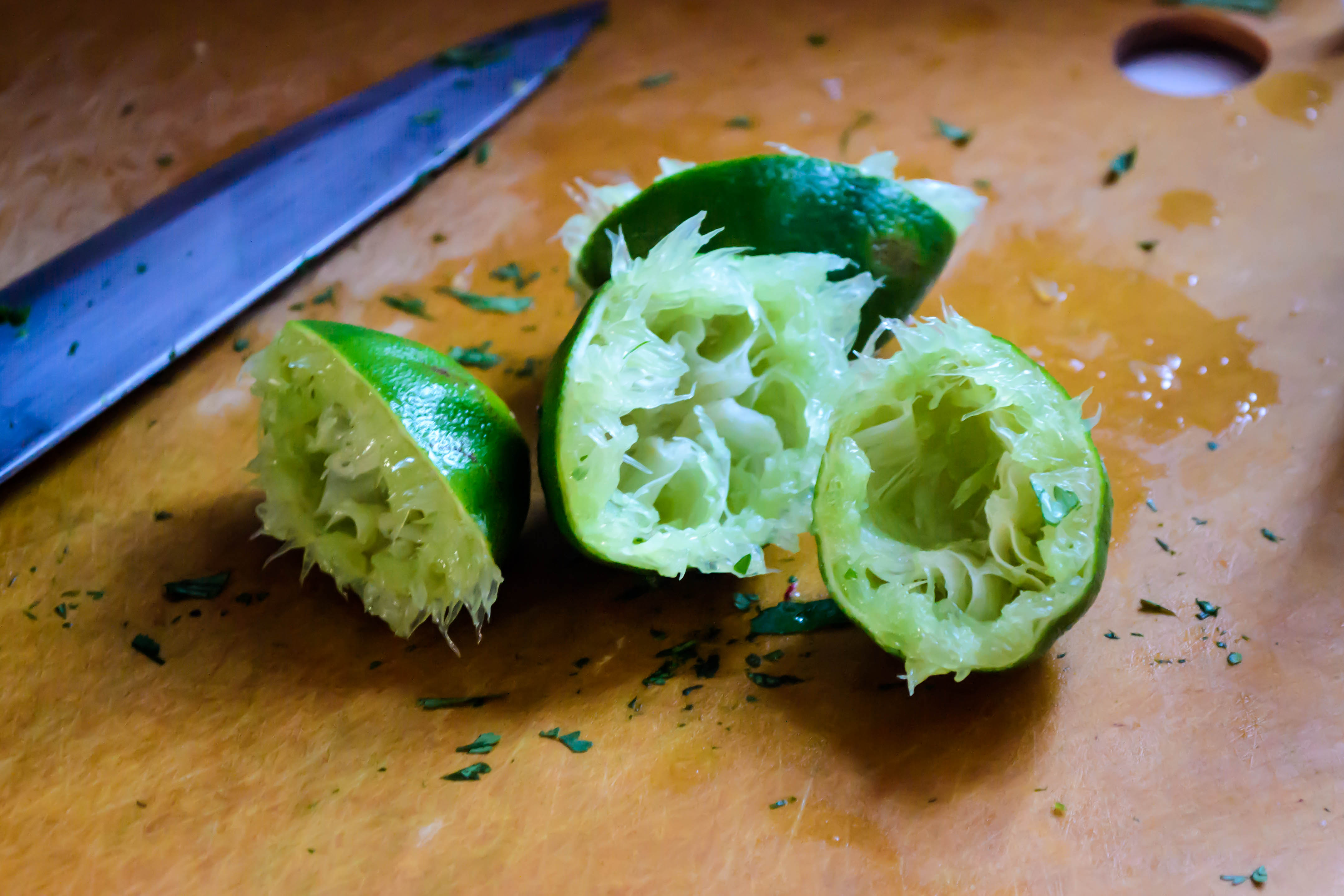
Food Blog September 2013-2633But the problem, as with most things I end up obsessed with, is that not all cilantro rice is particularly good.  The herbs are dull and flavorless, or the lime isn’t assertive enough, or the rice is mush, or I don’t want to pay for the accompanying $20-30 entree as often as I want the zesty side.  And so, as usual, I have to saunter into the kitchen to make my own.
Food Blog September 2013-2626I toyed around with some flavor combinations, playing with spices and vegetables and heat, and ended up with something so bright and tart and satisfying that we almost didn’t want the blistered corn quesadillas I’d made to go along with our rice.  This was fresh, and vibrant, and almost overloaded with lime and cilantro flavor – maybe my favorite rice side dish since my mom’s pilaf (which I’m convinced will never be topped).

Food Blog September 2013-2630Make this for your family.  Pair it with grilled fish or carne asada or stewed black beans or chile relleno.  And if you like it, let me know!  Maybe it can serve as my penance for the overly complicated, labor intensive loaf I pushed upon you last week.

* I’m not saying this is a bad thing.  I don’t have anything against kale or quinoa, and I agree that they are quite tasty together.  But then, I am a bit of a healthy bohemian type, though certainly not very trendy.  Which is why it’s taken me till now to fall for this dish…

Food Blog September 2013-2638

Cilantro Lime Rice
Serves 6-8 as a side dish
¼ cup olive oil
½ teaspoon whole cumin seeds
½ teaspoon coriander seeds, crushed in a spice grinder or with the side of a knife blade
4 cloves garlic, minced
¼ – ½ cup diced onion (I used a red onion, but yellow or white would be fine too)
1 ½ cups long grain white rice
½ teaspoon salt
¼ teaspoon black pepper
3 cups low sodium chicken broth, vegetable broth, or water
2 bunches cilantro
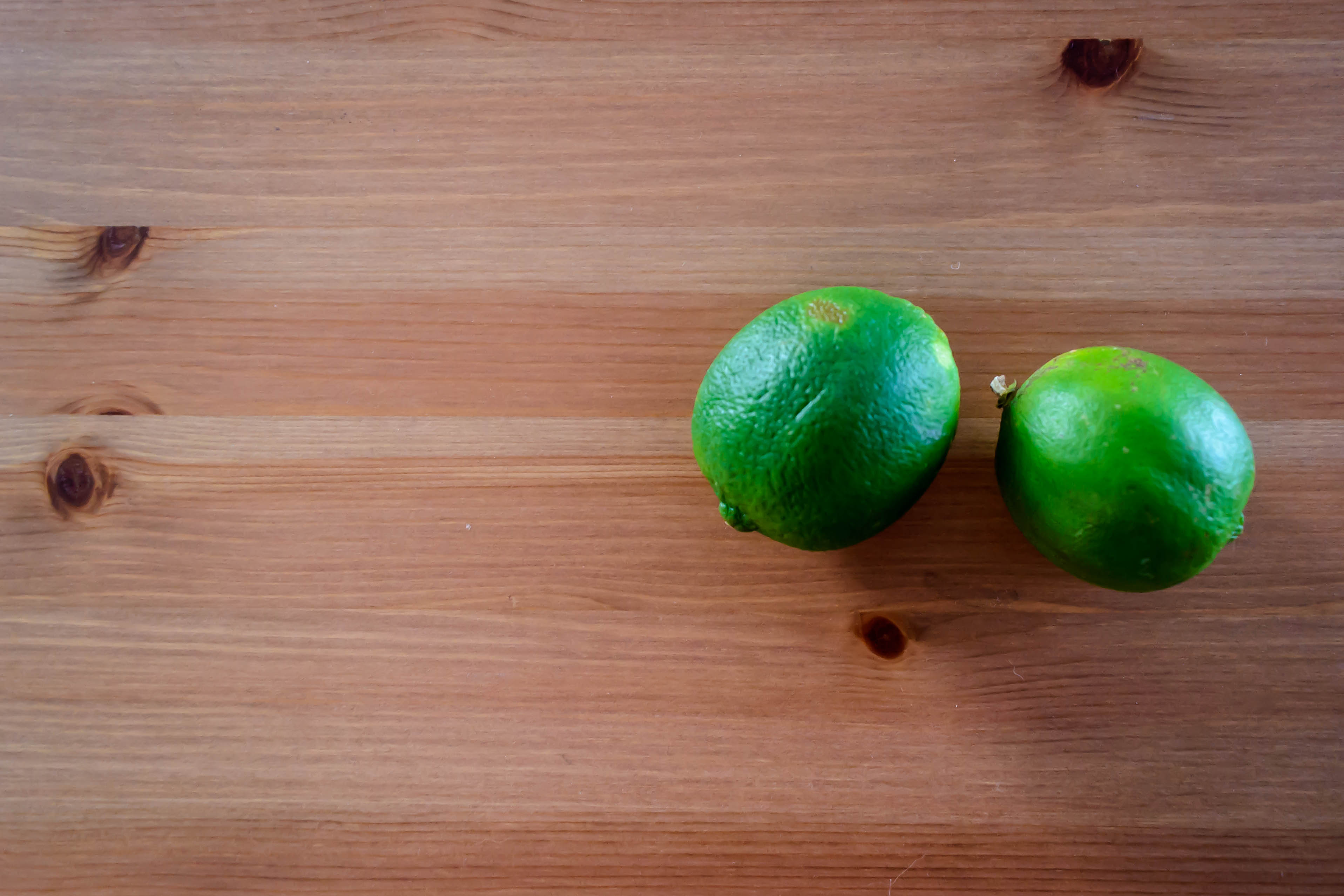
1 – 2 limes (using 2 whole limes results in a very strong lime flavor.  This was what I wanted.  If you want less or you aren’t sure, start with the juice from 1 lime and work up from there)
  • Heat the olive oil in a medium pot over medium heat.  When it is shimmering, add the cumin and coriander and turn the heat down to medium low.  Let the spices warm and release their aroma – this should take about 3-5 minutes (it will look like a lot of oil for just this little palm-full of spices.  Don’t worry.  We are using this for the vegetables and toasting the rice as well).
  • While the spices are heating up, prep your onions and garlic.  When the cumin and coriander smell toasty and begin to pop occasionally in the pot, add the onions and garlic and sweat them over medium low heat for 5-8 minutes. You want the onions to get translucent and the garlic to become aromatic, but not browned or crisp.
  • Add the rice and turn the heat up to medium high.  Let it sizzle, stirring frequently, until some grains of rice are opaque and bright white but some are still translucent and pale.  It will smell a bit reminiscent of popcorn or puffed rice, and that is a good thing.
  • When the rice is toasted, add the salt, pepper, and broth or water.  Stir well and cover to bring to a boil.  Once boiling, turn the heat down to medium or medium low and simmer for 15-18 minutes, or until liquid is absorbed and rice is tender but not mushy.
  • While the rice simmers, prepare the cilantro.  Tear or chop the leaves and tender upper stems from the tough ends and place in a blender or food processor (alternatively, if you don’t want the extra dishes or don’t mind big pieces of cilantro, you can just chop it up with a knife).  Add the lime juice and pulse in 3 second bursts until the herbs are very finely chopped and almost become a paste.
  • When the rice is done, uncover it, fluff it with a fork, and add the cilantro and lime juice mixture.  Combine thoroughly to ensure even greenness, then serve immediately.  Too much time between adding the cilantro and serving the rice will result in a less vibrant green color.

Zucchini Almond Babka

This is the time of year when people who frequent food blogs are probably looking for one of two things: simple, delicious dishes to use up lots of late summer produce, or inspiration for encroaching harvest, autumn-centered meal plans.

Food Blog September 2013-2597Sorry to disappoint.

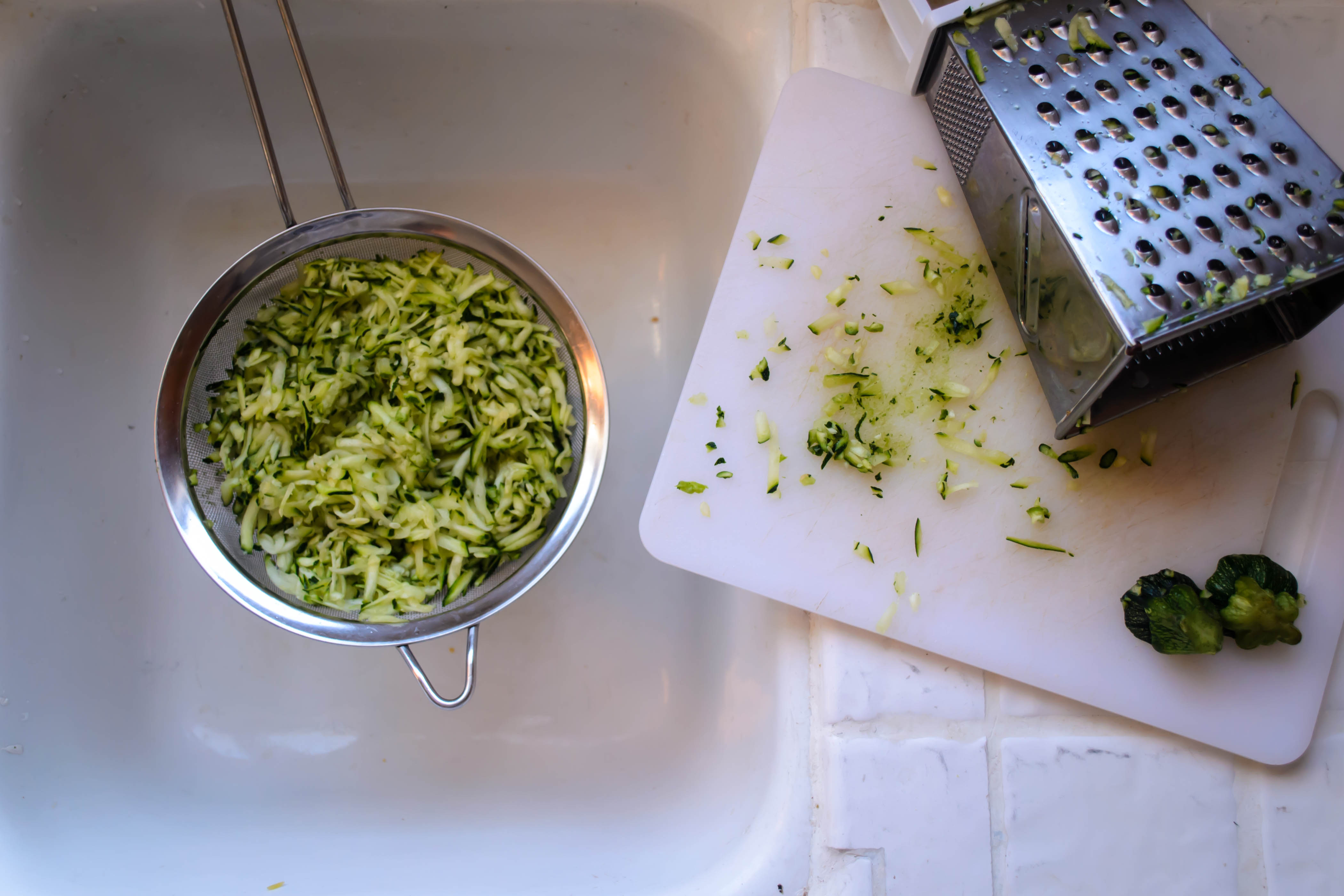
Food Blog September 2013-2578Yes, this week’s recipe uses a good pile of zucchini, shredded into a mass of green and white ribbons, and yes, it combines the warm, welcome flavors of cinnamon, nutmeg, and brown sugar that you might expect from a really good zucchini bread. But it takes those flavors and, peevishly, wraps them up in one of the more involved sorts of bread out there.

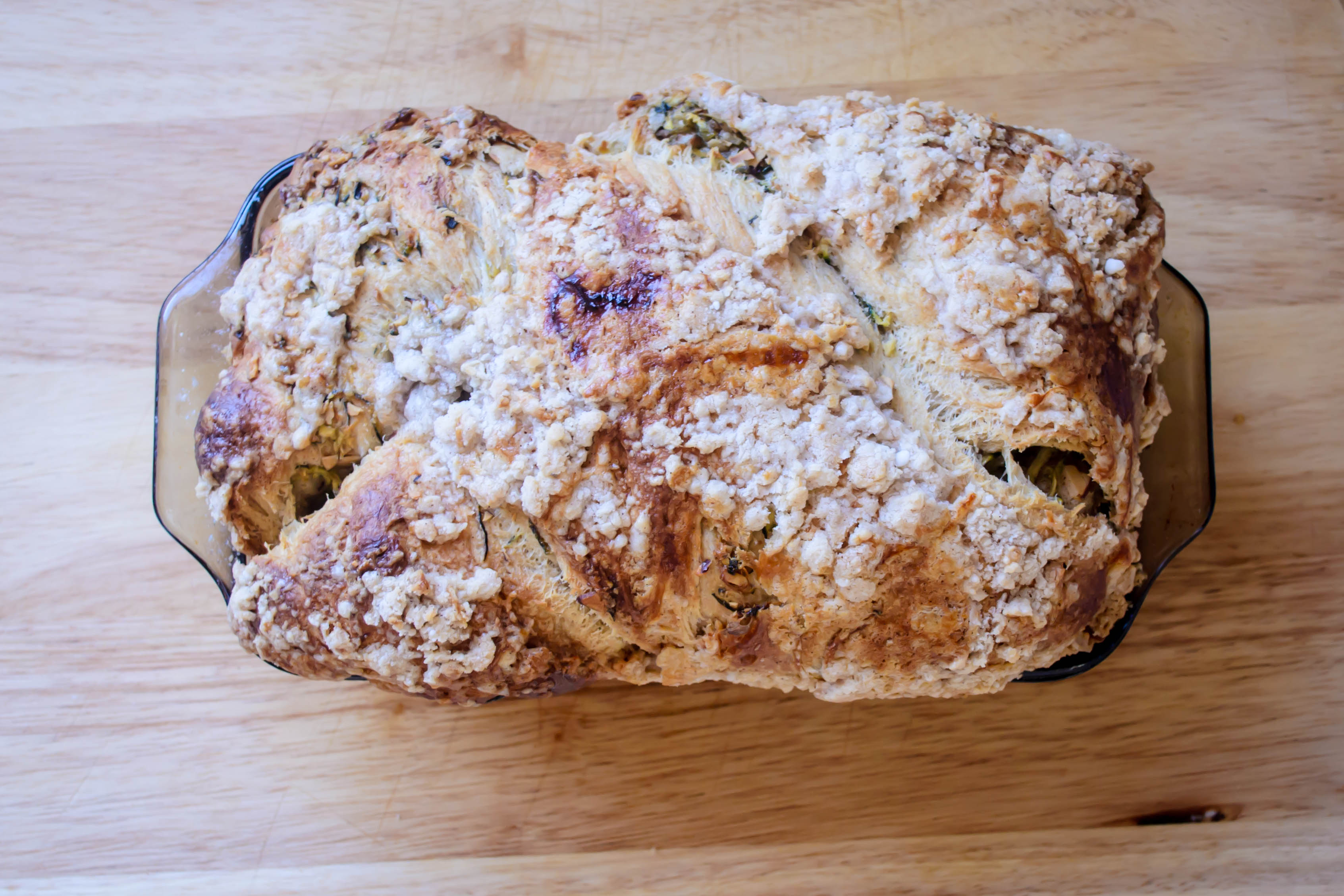
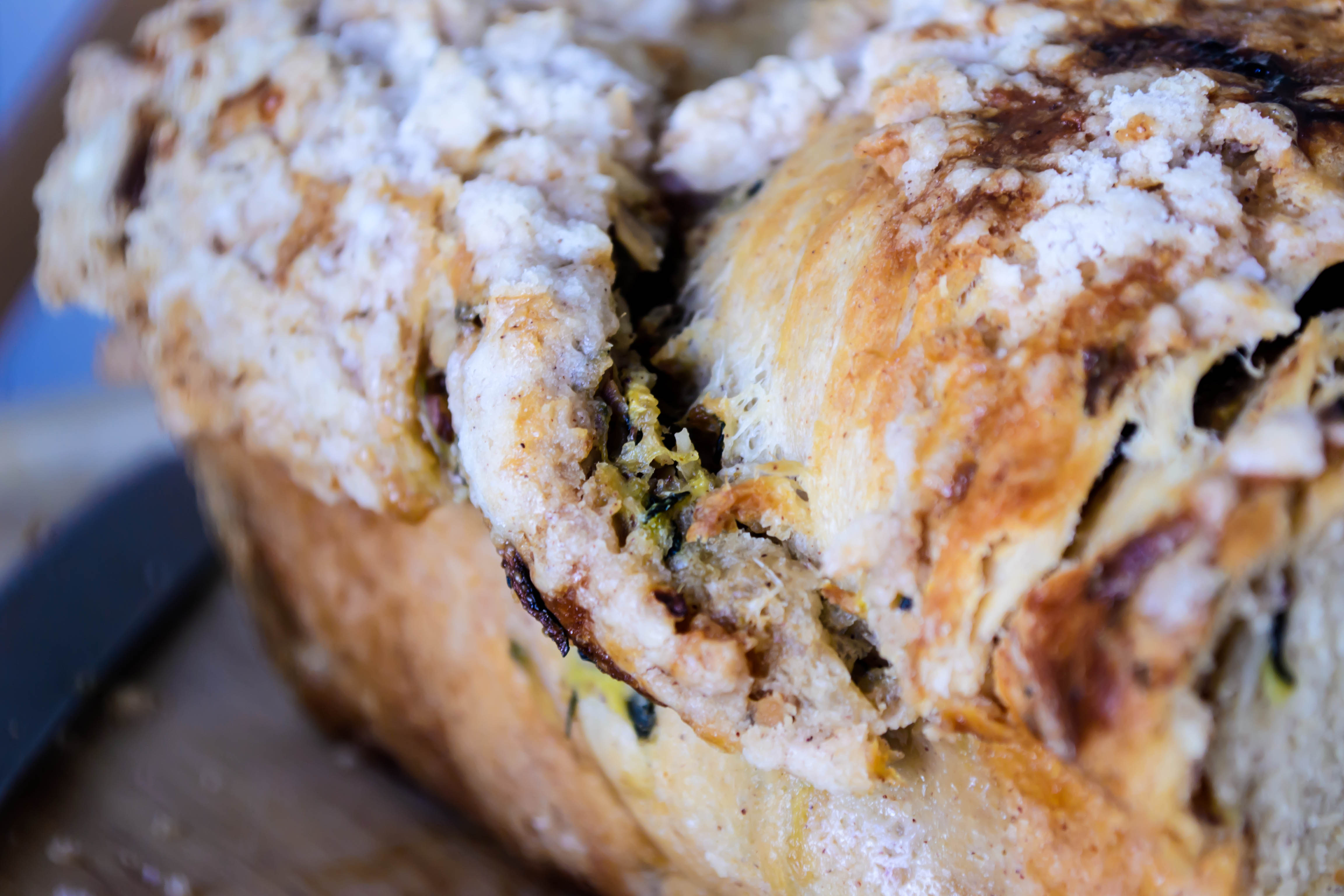
Food Blog September 2013-2585Babka is a sweet bread, raised with yeast and stuffed with butter and eggs. Most frequently, it is filled with chunks of chocolate until it is gasping under the weight, then rolled up, twisted, folded, twisted again, piled with streusel, and then baked until it is golden and crusty and melty and decadent. It tends to be a holiday treat which, considering the quantities of butter and time that go into producing a loaf, makes good sense. Though the bread itself is most likely of Eastern European origin, it probably didn’t intersect with chocolate until the mid 20th century at the hands of some, I must say, entirely sensible and clever American Jews. I mean, bread and chocolate all in one? Yes, please!

Food Blog September 2013-2586I wanted to make a lighter version (hah). I’ve been making zucchini bread for years, and I have a recipe I like, but with this year’s focus on dough, I needed something a bit more complex. I don’t remember exactly where the idea came from, but the idea of sweet, slightly vegetal zucchini flavored with the warm spices of zucchini bread and rolled up in a sweet, doughy loaf was something I had to taste. When the recipes for zucchini babka that I found used the zucchini threads in the dough itself, rather than rolling them up in the middle, I got determined.

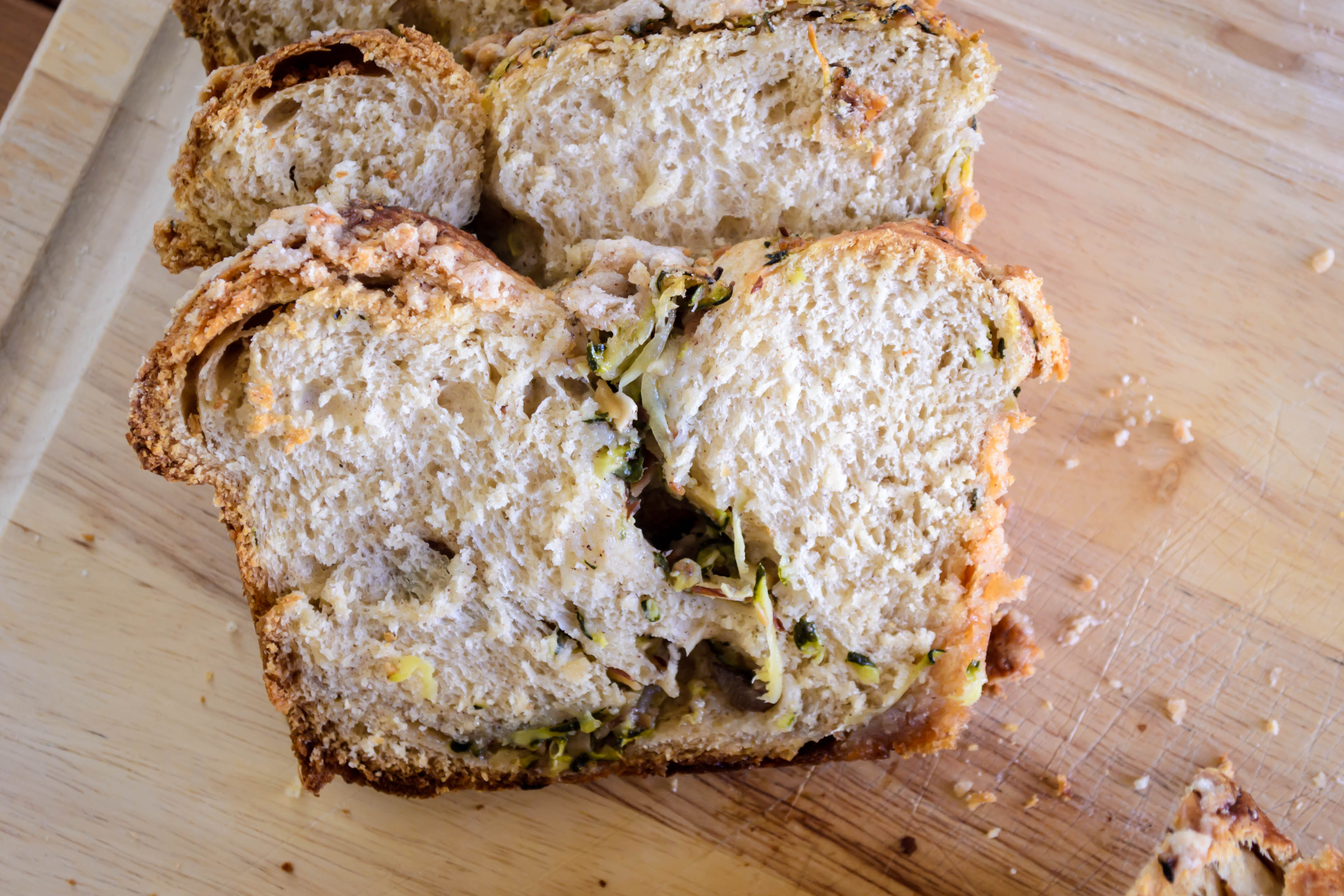
Food Blog September 2013-2589The biggest problem here, of course, is how watery zucchini is. My great fear was that this would produce a loaf that was overcooked on the outside but still underdone in the center, as the great leaking mass of zucchini kept things too wet to bake properly. This fear was, thankfully, unfounded. A lengthy draining session followed by a firm squeezing made the zucchini, while still quite moist, apparently dry enough to use as a filling. Paired with well toasted almonds, brown sugar, and butter, it baked into a curious, almost custard-like texture. The stubby ribbons of zucchini were still in evidence, but the edges of dough around them mellowed into beautiful creaminess, like a little central vein of bread pudding.

Food Blog September 2013-2596Is this easy? Not especially. But it will use up some of your fall harvest, and it will impress whoever it is you most want to impress at this moment. Even, perhaps most importantly, you!

Food Blog September 2013-2599Food Blog September 2013-2610

Zucchini Almond Babka
Adapted from Martha Stewart
Makes one large loaf
For bread:
½ cup milk
1 ½ teaspoons yeast
¼ cup granulated sugar
1 large egg
1 egg yolk
1 teaspoon vanilla
2 cups flour
2 teaspoons cinnamon, divided
¼ tsp nutmeg
½ teaspoon salt
10 tablespoons butter (1 stick + 2 tablespoons), divided
2 medium zucchini, grated, drained, and squeezed
½ cup brown sugar
½ cup finely chopped toasted almonds
1 egg white (use the one you separated from the yolk above)
1 tablespoon milk
For streusel topping:
½ cup powdered sugar
1/3 cup flour
4 tablespoons butter
½ teaspoon cinnamon


  • First, prep your zucchini: grate it with the large holes on a box grater and set it in a colander, preferably lined with cheesecloth or a paper towel, so it can drain while you mix up the dough.
  • Heat milk in a small bowl until just warm to the touch. Sprinkle yeast over milk and let it stand until it is foamy and smells like bread; about 5 minutes.
  • In a bowl, whisk together the granulated sugar, the egg, the egg yolk, and the vanilla. Add egg mixture to the yeast and milk, whisk to combine.
  • In the bowl of an electric mixer fitted with the paddle attachment, combine the flour, 1 teaspoon of cinnamon, nutmeg, and salt. Add the egg mixture, and beat on low speed until the flour is mostly incorporated and forms a shaggy, craggy mass. This should take about 30 seconds.
  • Switch from the paddle attachment to the dough hook. Add 6 tablespoons of butter one at a time in 1-inch chunks, beating until incorporated after each addition. The dough will come together briefly, then fall apart into wet bits, and then come together again into a smooth, elastic, rich dough. This should take about 10 minutes.
  • Turn the dough out onto a lightly floured surface and knead a few times until it is smooth. It will feel moist and elastic against the heels of your hands.
  • Butter or oil your mixing bowl and place the ball of dough back into it, turning the dough to coat it with fat on all sides. Cover the bowl with plastic wrap and set it aside to rise for about 1 hour. During this time, it should double in bulk.
  • When your dough is almost done rising, squeeze your drained zucchini to eliminate as much water as possible, then combine the zucchini, brown sugar, remaining 1 teaspoon of cinnamon, and 4 tablespoons of butter in a small bowl. Stir or smoosh these together, then set the mixture back into a colander to drain again.
  • Butter or oil a 9×5 inch loaf pan and line it with parchment paper if desired. Beat the remaining egg white with milk and set it aside.
  • Gently punch down the dough by pressing your fist into the center. It will depress as the air releases. Set it on a generously floured surface and let it rest for 5 minutes.
  • Once dough has rested, roll it out into a 16-inch square; it should be about 1/8 inch thick.
  • Brush edges of the dough with the egg wash. Distribute all but about 2 tablespoons of the zucchini mixture evenly over the dough, leaving a ¼ inch border.
  • Roll the dough up tightly like a jelly roll, enclosing the zucchini mixture inside. Pinch ends together to seal. Twist 5 or 6 times.
  • Brush the top of the roll with egg wash, then carefully crumble the remaining 2 tablespoons of zucchini mixture over the left half of the roll, being careful not to let it slide off. Fold the right half of the roll over onto the coated left half. Fold ends under, and pinch to seal. Twist the roll 2 turns, and fit it into the prepared pan. This may make a bit of a mess, but be bold. It will all work out.
  • Heat your oven to 350F and prepare your streusel by combining the powdered sugar, flour, butter and cinnamon together in a small bowl. Two forks work well for this, but your fingers work better.
  • Brush the top of the loaf with egg wash, then crumble the streusel topping over it. You may have some extra, but don’t be afraid to load it up.
  • Loosely cover the loaf with plastic wrap and let it stand in a warm place for 20-30 minutes while the oven heats up and the loaf swells again.
  • Bake the loaf, rotating it halfway through if possible, until it is golden on top. This will take about 55 minutes. Lower the oven temperature to 325F and continue baking until the loaf is deep golden, 15 to 20 minutes more.
  • Remove from oven, transfer to wire rack until completely cool before you attempt to remove it from the pan and cut it into thick slices to serve. Beware: removing it from the pan and slicing too early will result in a failure in structural integrity! Be sure to let it cool.


Pasta Puttanesca

At about age fourteen, I stopped being able to eat much tomato sauce. There was something about the combination of sugar and acidity in processed pasta or pizza sauce that left my stomach roiling uncomfortably and my taste buds dissatisfied. This made some dinners difficult: pizza had to be dissected, scraped mostly dry, and put back together. Spaghetti with marinara and meatballs was a thing of the past. Lasagna was off the menu. In many ways this was a good thing, because it introduced me to novelties like pesto and alfredo and, when they became popular, white pizza and fresh pasta sauce. To this day, I’d rather have my pizza crust drizzled with olive oil and rubbed with fresh garlic than drenched in tomato sauce. I rarely miss it because the alternatives taste so much better.

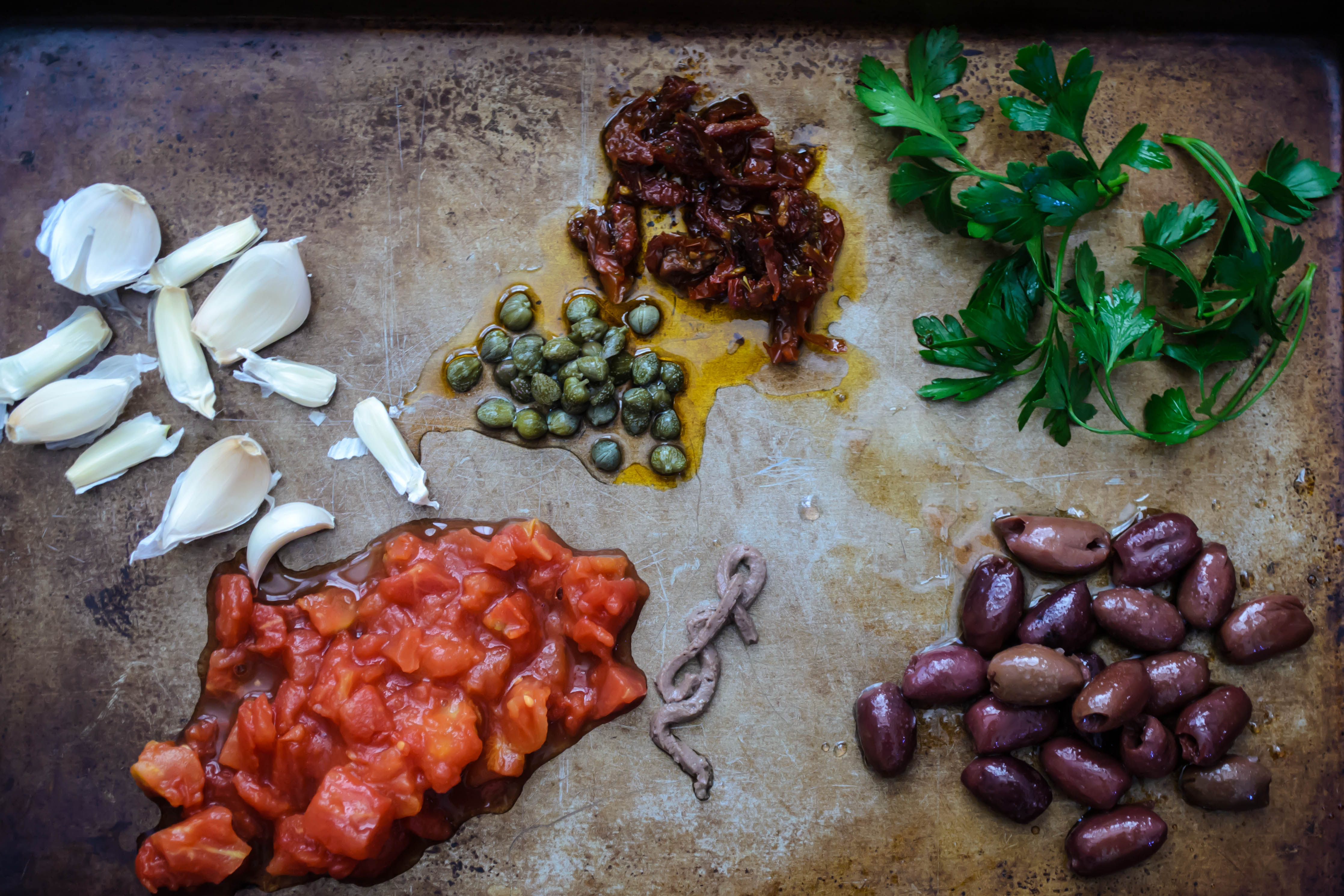
Food Blog September 2013-2618But sometimes you just want the tang of tomato with your pasta. Since the processed option was out of bounds (and really, I don’t use many pre-prepared items like that anymore anyway), I decided I’d have to make my own. I’m not sure what it says about me that my entrée back into the pasta-with-red-sauce scene was spaghetti alla puttanesca, which translates charmingly to whore’s style spaghetti, but there it is. Olives, capers, obscene quantities of garlic, anchovy paste, red pepper flakes, all cooked down with diced tomatoes into a robust, aromatic sauce. It’s my favorite red sauce these days, and since all of the ingredients are basically pantry staples, I usually have the supplies to make this at a moment’s notice.

Food Blog September 2013-2613A number of stories make up puttanesca’s history. It is attributed to Naples, and though it was probably invented in the mid 20th century as a use-what-you-have kind of dish, its colorful name has spawned a variety of other origin stories. In one version, this briny, sharp, attention-getting sauce was cooked in brothels near the docks, and the smell was so strong that it attracted customers, who came looking for a bite to eat and left having paid for something more. By extension, the aroma of the sauce gave these sad customers away to their wives, who knew by the smell of the ingredients where their husbands had been. Some versions of the story twist this around, attributing its invention to these anxious wives, who hoped the savory aroma would lure their husbands back home.

Food Blog September 2013-2615Puttanesca is typically a topping for spaghetti, but here I used gemelli – the delightfully chewy, subtly DNA-shaped twirls – because I like how much closer in size they are to the other ingredients. The texture thrills me as well and, if we’re honest, it’s easier to avoid the dangerous splatter of tomato sauce on my favorite tank top when I’m dealing with, well, basically anything but long fickle strands of spaghetti. My version also includes red wine, which I use to deglaze the pan after lightly, lightly browning the garlic with the anchovy and capers, and some sundried tomatoes for a bit of extra tang. You can add whatever combination of dried herbs you like – basil and oregano are both delicious – although oregano is probably the most traditional.

Food Blog September 2013-2622Pasta Puttanesca
Serves 4
2 tablespoons olive oil
6-8 cloves garlic, finely minced
¼ teaspoon red pepper flakes
2 teaspoons anchovy paste, or 2-3 anchovy fillets
2 tablespoons capers
¼ cup kalamata olives, roughly chopped if you like, or left whole
¼ cup sundried tomatoes, drained and roughly chopped
½ cup dry red wine
14.5 ounce can diced tomatoes
½ teaspoon dried basil or oregano
12 ounces dry pasta; we like gemelli, but spaghetti is more traditional for this sauce
Water and salt for the pasta
¼ cup chopped parsley


  • Add olive oil and garlic to a cold pan. Turn the heat on to medium, and slowly warm the oil and garlic together. This will flavor the oil and cook the garlic gently, so it doesn’t burn or become bitter.
  • When the garlic is dancing a bit in the warm oil, add the red pepper flakes, anchovy paste or anchovy fillets, capers, olives, and sundried tomatoes. Stir gently with a flat-bladed wooden spoon.
  • At this point, your garlic should be golden. Add the red wine all at once. It will sizzle madly. Use your flat-bladed spoon to scrape any bits that have adhered to the bottom of the pan back into the sauce you are now creating. This is deglazing the pan, and it adds incredible flavor.
  • Simmer for 5 minutes, to let some of the alcohol flavor cook out of the wine.
  • After 5 minutes, the quantity of wine will have reduced a bit, and the smell will be amazing. Add the diced tomatoes and the dried herbs and turn the heat down to medium-low.
  • Simmer for 30 minutes, stirring occasionally and gently.
  • While the sauce is simmering, cook pasta of your choice in salted water until just al dente.
  • When the pasta still has a slight bite to it, drain it, then add it to your sauce and stir or spoon it around gently to evenly distribute it through the sauce. Cook pasta and sauce together for 1-2 minutes.
  • Add parsley and serve. We like ours with a loaf of good bread, sometimes toasted, sometimes anxiously torn into pieces, to mop up any lingering sauce.