In the last three years, I have had the incredible good luck of attending a wedding each summer. Two years ago, I had the great honor of making the cake. One year ago, I sobbed as I watched two women legally and joyfully exchange vows, then start perhaps the greatest dance party I’ve ever attended. And this past weekend my eyes welled as the bride – dressed in a frock she designed herself, alternating white and lemon yellow flounces – betrayed just a tiny quiver in her perfect, crimson lips as her sister read a toast: a poem she’d written herself.
 The poem was about the bride and groom, but it was also about older and younger sisters: the beautiful friend/family/learning relationship they have as they grow up together. It was, there is almost no need to assert, beautiful. Of course it was. It was about the things the girls had weathered, and how the groom had woven his way into their laughter and music, through music of his own. But it was also about what the bride had taught her sister.
 Sisters learn funny things from each other, and it is disarming and lovely to be allowed to see what things they consider most important. How to read, how to write, how to sing. And, somehow magically, “how to cook radishes.” Until five or six years ago, I’d never given much thought to cooking radishes. To be honest, I hadn’t given much thought to radishes at all. They were just there, all weird and pinkly peppery, flying saucers scattered through the occasional salad, or sharp and pungent and paired with butter and salt.
 But here’s a funny thing, about radishes, about weddings, about friends and family and learning: as you get older, you get to choose things. Weddings help us construct the families we choose. But so can friendships, and so can an experience like graduate school, and so, oddly enough, can radishes.
 When N. and I lived in Eugene, Oregon, we decided to grow a garden. It was easy, there. It was a matter of shoving seeds into a spare bit of dirt, and watching them grow. Until the height of summer, it rained so often you barely had to worry about watering. Peas were one of our first crops, and of course we were invested in our tomatoes. But I’d still never considered radishes. Until, at S.’s house, a friend who has now become family, I was handed a french breakfast radish, pulled from her own little vegetable plot minutes before, a pink and while icicle the neighborhood deer had left quite alone. “You can just eat the whole thing,” S. told me, and I did. And the mild crunch, and the crisp, juicy spiciness, all but made me a convert then and there.
 After that first year of gardening, I always bought a pack of radish seeds. And they will never not make me think of S: razor wit, funny and honest and lovely and brilliant. She’s a willing and gracious hostess, she’s a fantastic cook, and she’s the mom to my own dog-daughter’s canine BFF. She, like the bride and groom this past weekend, like J & HP whose wedding cake I made, the people I can barely wait to spend fourth of July weekend with, is one of that special and cautiously assembled group: the family I chose.
 And as the fourth of July approaches, and those lovely people you choose to surround yourself with, to learn from, to sing with and read with and cook with, begin to turn their thoughts to potato salad, let me offer a fresh take to consider. This is not your traditional mayonnaise-laden, pickle-and-onion-and-dusted-with-paprika barbecue offering. (If you are after one of those, may I humbly suggest this one?) But I like this different approach, because it is lighter and fresher, because it does not require stove or oven heat, and because it makes me think of S. Tiny fingerling potatoes and plump lipstick red radishes get quartered, salted and peppered and oiled, and grilled until tender and silky. And then a few green onions, just to get a gentle char. Meanwhile, an assertive vinaigrette gets overburdened with herbs and whisked within an inch of its life to be drizzled over a bed of greens. I like arugula. S. would tell you to use the radish greens (but wash them a few times first – they can be really sandy). Potatoes and radishes get tumbled in, and after a quick toss the greens are barely wilted and the dressing soaks into the grilled vegetables like sponges in a bath.
I don’t know if this is how my bride friend’s sister learned to cook radishes. I suspect not. But the point is, those lovely things we learn, and choose, and become, should be shared.
Grilled Radish and Potato Salad, for Sarah.
Adapted from Cuisine at Home
Serves 2 as a main, 4-6 as a side
1 pound radishes, rinsed well, tops and tails removed
1 pound baby potatoes – the smaller the better
4 tablespoons olive oil, divided
1 bunch green onions or scallions, root ends trimmed off
¼ cup white wine vinegar or lemon juice
2 teaspoons dijon mustard
2 teaspoons finely minced dill
2 teaspoons finely chopped parsley
salt and pepper to taste
2-4 cups loosely packed arugula, or a combination of arugula and well-rinsed radish greens
- If you are using a gas grill, place a grill tray on the burners and preheat the grill to medium over direct heat. If you are using a charcoal grill, light the coals. As they begin to turn gray, add the grill tray to let it heat up. If you are using an oven, preheat it to 425F with a sheet tray inside.
- Quarter the radishes and halve or quarter the baby potatoes. You want equal, bite-size pieces – they need about the same amount of time to cook.
- In a large bowl, toss the potatoes and radishes with 1 tablespoon of the olive oil, and salt and pepper to taste. Transfer them to the preheated grill or sheet tray in a single layer.
- Grill until tender, 10-15 minutes, agitating as required to prevent burning. If you are using an oven this may take more like 20-25 minutes.
- Meanwhile, make the vinaigrette: in a large bowl (I use the same bowl as before), whisk the remaining 3 tablespoons olive oil with vinegar, mustard, and herbs.
- When radishes and potatoes are tender, transfer them to the bowl with the vinaigrette. Add the arugula (and radish greens, if using) and toss to combine.
- Grill the green onions for 3-5 minutes, until the white bulbs are slightly softened and the greens are nicely charred. Chop and add to the salad, again tossing to combine.
- Season the salad to taste with additional salt and pepper, if needed, and serve warm or at room temperature.


 Everyone starts off in the kitchen somewhere, whether it’s spreading peanut butter thickly onto a piece of barely toasted bread, or stirring spaghetti tentatively with a long-handled wooden spoon and watching it relax into the water, or even scrambling eggs because the planned entrée for that night looks “weird.” In my case, I started with dessert. Cookies and cakes were the first things I “helped” make, which probably explains why I’ve developed such a sweet tooth over the years. Mom would let me stir batter, pour pre-measured cups of sugar, taste a beater. She was there while I jammed my thumbs into an egg trying to crack it, while I spilled powdery fluffs of flour onto the counter and sometimes the floor. She was there, though not watching, when I had my first lesson in ingredient deception: my first taste of cinnamon. A few brown grains on the counter, a small, damp index fingertip, and the sourest face dipping away from the countertop. Vanilla extract was the same way. Each time, I’m sure Mom turned and saw, and probably tried not to laugh, as I learned that in dessert as in so many things, a dose of sugar makes things better.
 Crème anglaise is essentially an all-purpose dessert sauce, and provides a base for so many lovely simple sweets. Egg yolks, cream, sugar, and some vanilla for flavor, cooked gently but whisked fervently, and you have a beautiful, rich sauce that lovingly coats the back of a spoon. Cooled, run through an ice cream machine, and shoved impatiently into a freezer, you’d have vanilla ice cream. A few more yolks and a long, slow bake in the oven, and you’d have crème brulee. Some cornstarch to thicken during the cooking process? Pastry cream. But left liquid and chilled, it makes a beautiful summer treat poured in decadent quantities over a bowl of glistening berries. And if you want to build the whole thing atop a slice of cake, well who am I to stop you? Since Mom and I are both grown-ups now, we added a whisper of bourbon to our creation, for a floral warmth and slightly more complex flavor.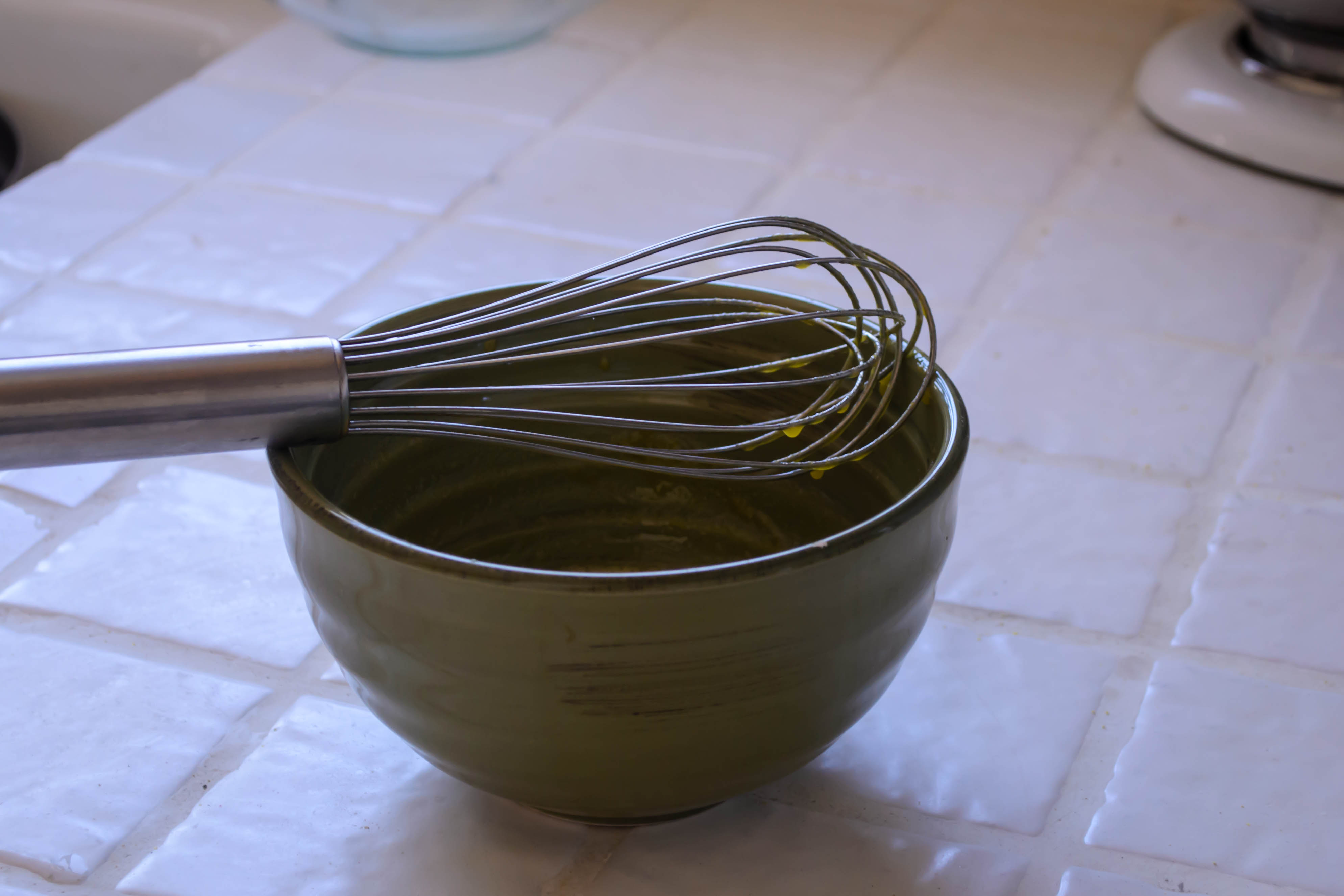
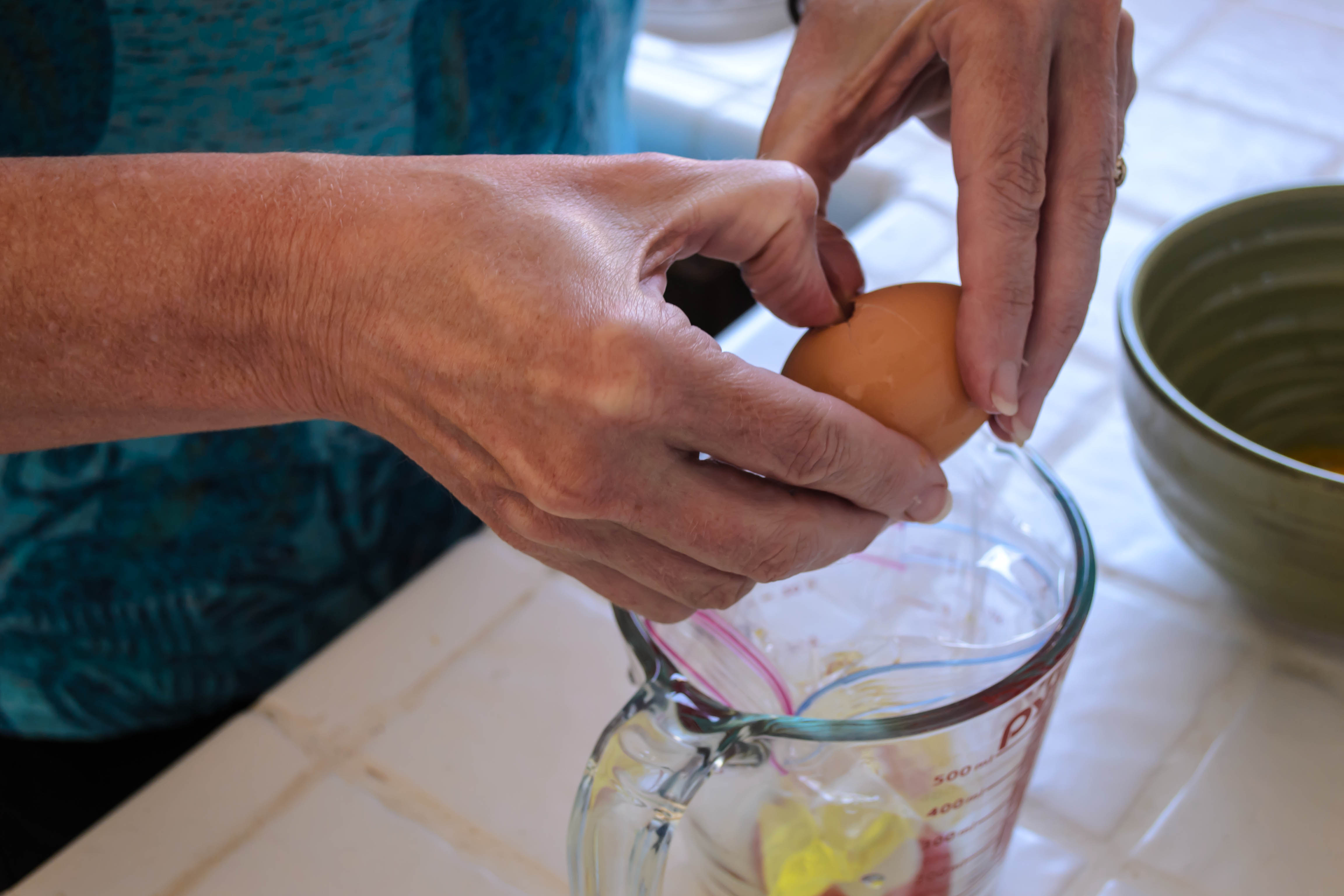


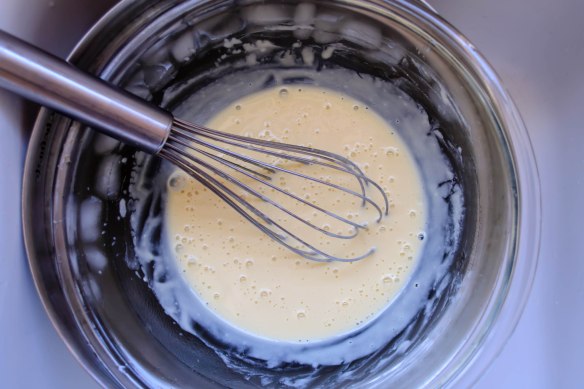
 Eggs managed, it’s a simple prospect of whisking in some sugar with the yolks, heating milk and cream together, adding the warm dairy to the thick, sweetened yolks, and cooking the whole thing to a thickness like, well, melted ice cream, since that’s basically what it is. Incorporate flavorings, strain the mixture to ensure a nicely textured final product, and chill until ready to use.





 For the first – All-Purpose Flour – she made a beautiful wreath of sweet bread, braided and swirled with cinnamon sugar and a trio of summer berries. I determined that I would, indeed, bake this bread. I had yet to try a wreath or crown shape, and was curious about how it would come out.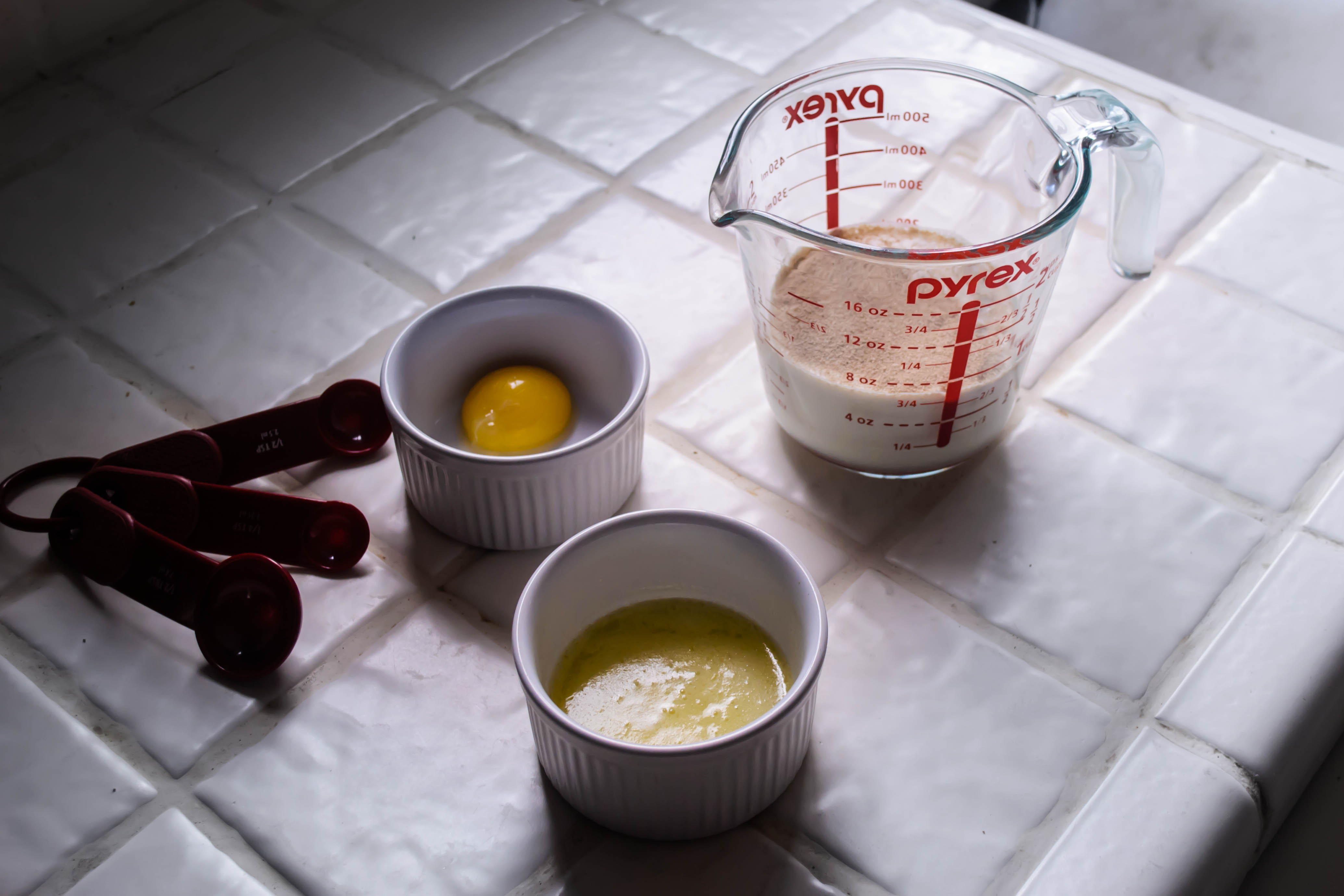
 Here, I’ve replaced Joy’s berries with blood-red bing cherry halves, gushing with juice, their tartness mellowed by baking. Since I’m not crazy about cinnamon with cherries, I have substituted in cardamom, which has an intriguing deep, citrusy scent but offers a spiciness reminiscent of the zingiest flavor in your favorite chai tea blend. To bring together the flavors, I also splashed in a little vanilla.
 The trickiest thing about this bread is shaping the crown. This requires flattening, spreading, stuffing, rolling, and then slicing open that roll to reveal the rebellious little rubies inside, which then all immediately threaten to spill out all over your board. You have to “braid” the bread by lifting one strand over the other down its length, all the while trying to keep the fruity guts inside from escaping. Then, once you’ve tamed it into a beautiful interlaced wreath, you somehow have to pick the whole thing up and nestle it into your baking vessel. I know. Mine collapsed a little bit, but honestly, after it rose during its baking time, it was hard to notice. And once we dug in, crunching through the lightly sugared, spicy-tart sweet layers, we didn’t care. The tartness of the cherries is pleasantly rounded by the oven’s heat, but the real star, to me, was the cardamom. Its flavor is so delightful here – brighter than cinnamon but no less flavorful – that I now want it in everything. I suppose they wouldn’t really be “cinnamon rolls” without the cinnamon, but false advertising (or blasphemy) or not, those may be my next cardamom target.
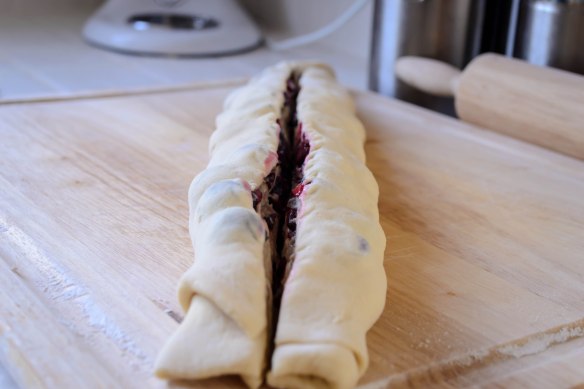 Two tips for success when it comes to this bread, then, before we get all this out of the way and charge into the recipe.
 1.) Distribute the fruit evenly. I mean it. Don’t just dump the cherries in the middle and decide that’s good enough. Spread them out across your dough rectangle before rolling it up. Though it’s important to leave a slight border, if you have a lot more cherries in the middle of the dough log, it will be much more difficult to keep them contained while you braid it, and you will end up with a really uneven wreath – one section will be much fatter than the rest and therefore bake unevenly. Take the extra few seconds to spread them out well.

 "blackberry-eating in late September"