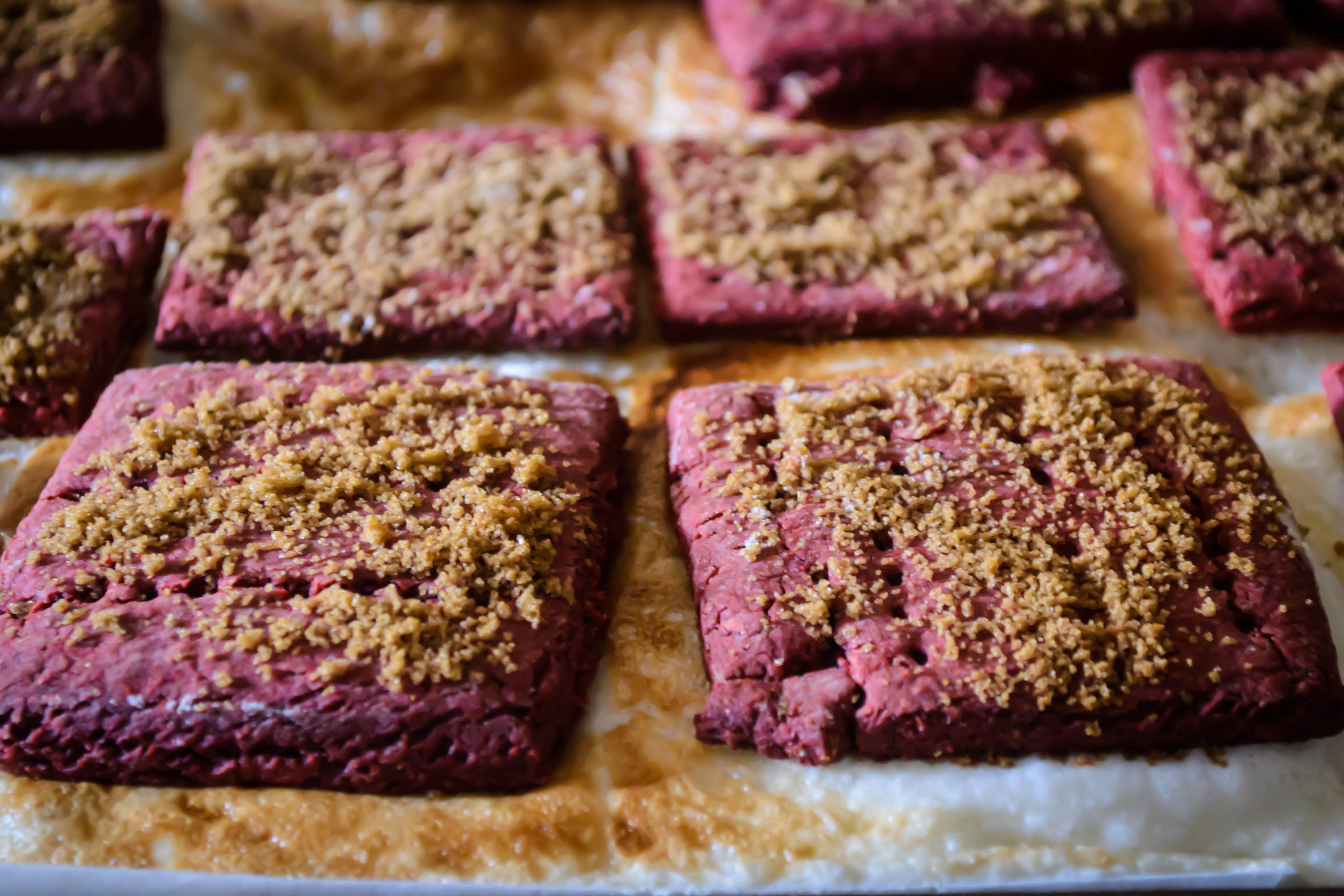
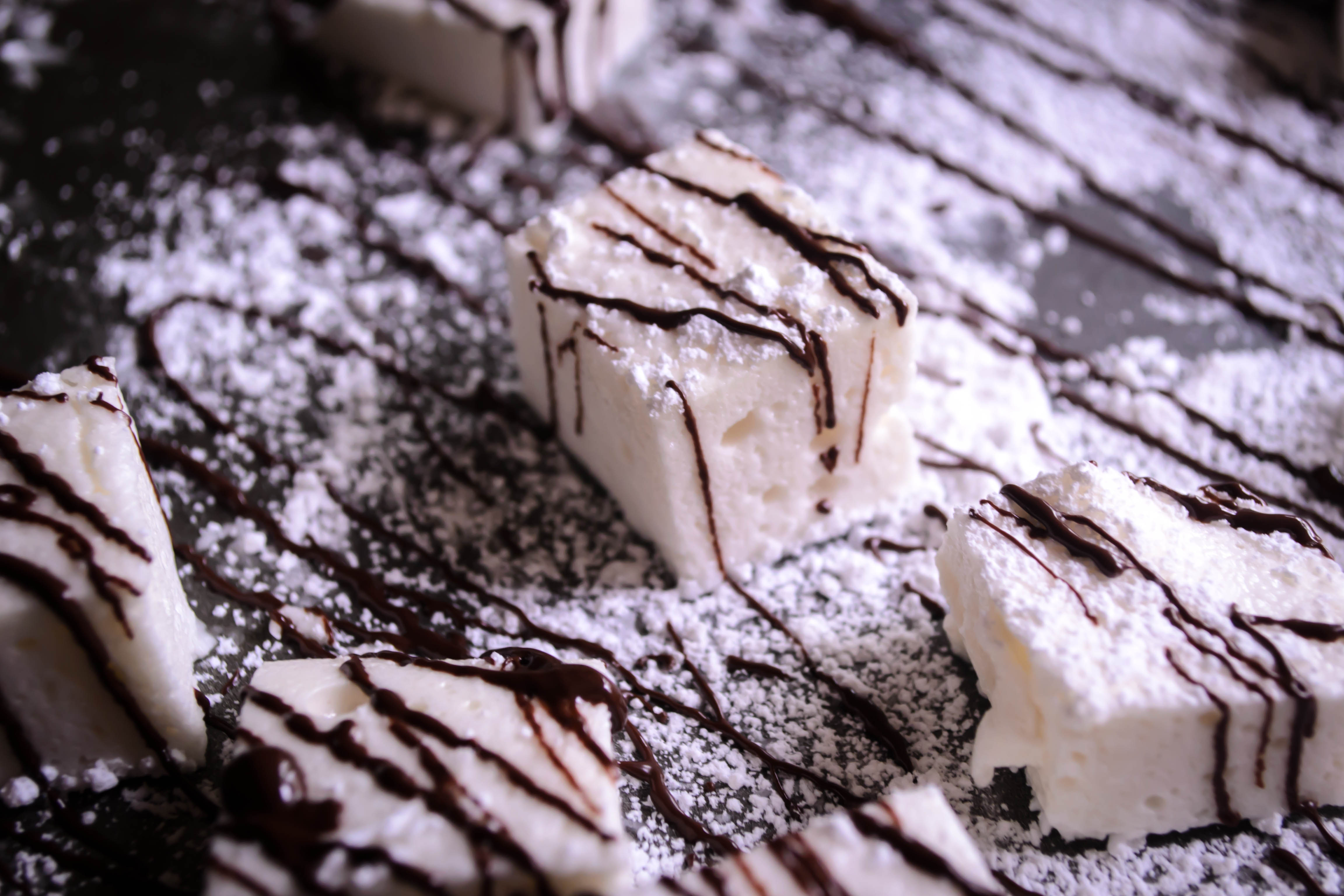
Two-fer

Real talk, friends. It’s October. I want treats, no tricks. The semester is plunging ahead at an alarming rate – week 8, the halfway point, begins tomorrow. There are papers (so many papers). There is lesson planning. There is Chaucer. There is conferencing. There is Toni Morrison. This professor thing is serious.

Though I’ve been cooking up the storm I wish we were having (c’mon, Fall! Hit me!), in between all the other responsibilities that have to come first because, well, that’s what I get paid for, the posting thing is a slow process this tortoise has run out of time for. Again.

Here, then, is the deal. No post today. Sorry. I know. BUT! I’ll make it up to you. I’ve got a doozy for next week with two recipes, and for the week after with another two. That’s right, it’ll be 4 recipes for the rest of October, and all I ask of you, friends, is for this week to get my business in order.

Here’s a preview of what you’ve got to look forward to:

Food Blog October 2014-0674Be well. I’ll be back soon.

Baking Bootcamp: Cherry and Cardamom Swirl Bread (#TwelveLoaves)

Food blog June 2014-4049Today’s post serves double duty. Last month, Joy the Baker issued a baking challenge. Pairing with King Arthur Flour, she invited readers to join her in baking four different items, each featuring a different flour from the King Arthur line-up.

Food blog June 2014-4023For the first – All-Purpose Flour – she made a beautiful wreath of sweet bread, braided and swirled with cinnamon sugar and a trio of summer berries. I determined that I would, indeed, bake this bread. I had yet to try a wreath or crown shape, and was curious about how it would come out.
Food blog June 2014-4018Of course, I have trouble leaving well enough alone. By the time I was done looking at Joy’s photos of her magnificent loaf, I was already scheming about what tweaks I would apply to my variation. The answer, of course, came from the June Twelve Loaves assignment: cherries.
Food blog June 2014-4032Here, I’ve replaced Joy’s berries with blood-red bing cherry halves, gushing with juice, their tartness mellowed by baking. Since I’m not crazy about cinnamon with cherries, I have substituted in cardamom, which has an intriguing deep, citrusy scent but offers a spiciness reminiscent of the zingiest flavor in your favorite chai tea blend. To bring together the flavors, I also splashed in a little vanilla.
Food blog June 2014-4024The trickiest thing about this bread is shaping the crown. This requires flattening, spreading, stuffing, rolling, and then slicing open that roll to reveal the rebellious little rubies inside, which then all immediately threaten to spill out all over your board. You have to “braid” the bread by lifting one strand over the other down its length, all the while trying to keep the fruity guts inside from escaping. Then, once you’ve tamed it into a beautiful interlaced wreath, you somehow have to pick the whole thing up and nestle it into your baking vessel. I know. Mine collapsed a little bit, but honestly, after it rose during its baking time, it was hard to notice. And once we dug in, crunching through the lightly sugared, spicy-tart sweet layers, we didn’t care. The tartness of the cherries is pleasantly rounded by the oven’s heat, but the real star, to me, was the cardamom. Its flavor is so delightful here – brighter than cinnamon but no less flavorful – that I now want it in everything. I suppose they wouldn’t really be “cinnamon rolls” without the cinnamon, but false advertising (or blasphemy) or not, those may be my next cardamom target.
Food blog June 2014-4029I didn’t take very many photos of the twisting and shaping process, mostly because I got so involved in the process I just forgot. It happens. But do take a look at Joy’s photo-by-photo instructions if you need help – they are really clear and easy to follow.
Food blog June 2014-4031Two tips for success when it comes to this bread, then, before we get all this out of the way and charge into the recipe.
Food blog June 2014-40341.) Distribute the fruit evenly. I mean it. Don’t just dump the cherries in the middle and decide that’s good enough. Spread them out across your dough rectangle before rolling it up. Though it’s important to leave a slight border, if you have a lot more cherries in the middle of the dough log, it will be much more difficult to keep them contained while you braid it, and you will end up with a really uneven wreath – one section will be much fatter than the rest and therefore bake unevenly. Take the extra few seconds to spread them out well.
2.) While you are manipulating it, be assertive with this dough. Joy, delightfully, notes that the dough can sense fear. I suspect she’s right. If you hesitate as you braid or lift, the dough sags disastrously. Just move smoothly and confidently and with a clear plan. And remember that a trip through the oven and a dusting of powdered sugar repairs many mistakes.

Food blog June 2014-4047

Cherry and Cardamom Swirl Bread
Adapted from Joy the Baker
Makes 10-inch wreath
For the dough:
2 teaspoons active dry yeast
1 tablespoon sugar
¾ cups whole milk, at or just above room temperature
1 large egg yolk
2 tablespoons butter, melted
1 teaspoon vanilla
2 ¼ cups all purpose flour (you could use bread flour too, but this is the AP flour challenge, so I complied)
½ teaspoon salt
Olive oil or vegetable oil to grease the bowl
For the filling:
¼ cup butter, at room temperature
¼ cup sugar
1 tablespoon ground cardamom
2 cups halved, pitted cherries
To finish:
1 large egg, beaten, for egg wash
1-2 tablespoons powdered sugar, for dusting
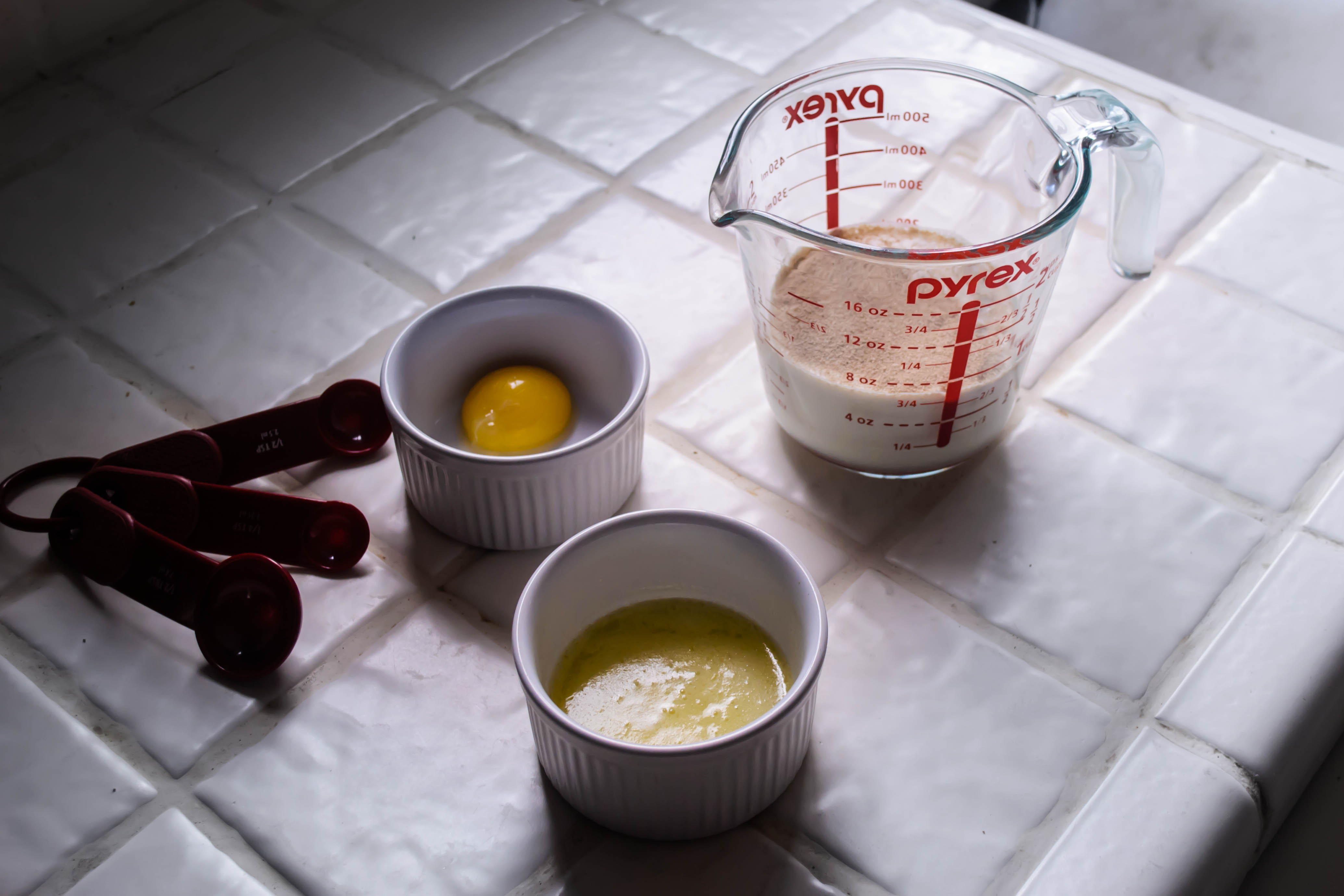
  • In a 2 cup glass measuring cup, mix the yeast and 1 tablespoon sugar, then add the milk. Whisk with a fork to combine. Add the egg yolk, the melted butter, and the vanilla, and whisk with a fork again. Set aside to work for 5 minutes. The mixture will become foamy and smell (I think) a bit like fresh donuts.
  • While the yeast does its work, whisk the flour and salt together in a large bowl (I used the bowl of my stand mixer with the paddle attachment). Add the milk mixture and combine into a rough, shaggy dough. If you are using a stand mixer, at this point you should switch from the paddle attachment to the dough hook and knead on medium speed for about 5 minutes. If you are working by hand, scoop the dough onto a floured board and knead by gathering the dough together into a ball, then pushing it away from you with the palm of your hand. Gather it back again and repeat. Knead by hand for about 10 minutes. For both methods, the dough should feel moist and elastic, but not terribly sticky. It will be a bit like a stiff play-dough in texture.
  • Spray a bowl lightly with olive or vegetable oil (you can use a clean bowl or the bowl of your stand mixer – just lift up the ball of dough for a minute) and roll the dough around a bit until it is lightly coated with the oil. Cover the bowl with a tight layer of plastic wrap and let it rise in a warm spot for an hour, or until the dough has doubled in size.
  • While the dough is rising, prep the filling. Combine the butter, sugar, and cardamom in a small bowl, mixing well. I used my fingers, but you could use an electric mixer or a fork if you prefer. Just be sure the sugar and cardamom are well integrated. We don’t want chunks of unflavored butter. Halve and pit the cherries as well, and set aside.
  • Preheat the oven to 375F and butter a 10-inch springform pan or 10-inch cast iron skillet. If you are using a springform, I recommend wrapping the bottom with aluminum foil, in case of seeping cherry juice or melted butter.
  • Now, attend to the dough again. Relocate it to a lightly floured surface and knead twice by hand, just to release some of the gathered air. Roll it out to as close to a 12×18 inch rectangle as you can manage, with the long edge facing you.
  • Spread the butter mixture onto the dough rectangle, leaving a ½ inch margin on all edges. Then, scatter the cherries atop the butter mixture, again respecting this margin, and being sure to create an even fruit layer. Uneven distribution makes shaping the loaf more challenging.
  • Begin rolling the dough rectangle into a log, starting with the middle of the long edge and working your way out to the sides to create an even, tight roll. You can mush down the lumps a little, but don’t be too aggressive about it because you don’t want to tear the dough. When you get to the end, pinch the edge firmly into the existing log to seal it.
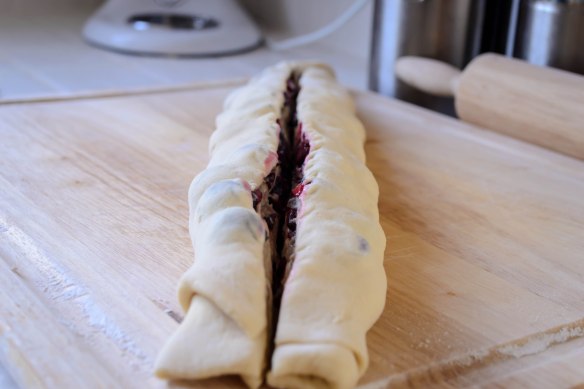
  • This is where things get interesting. Slice through the log to expose the center, creating two long halves, but leave an inch or two attached at the top to hold the thing together (see sliced log photo above). Adjust halves to face upward, exposing the veins of cherry and buttery filling.
  • Now we twist. Take hold of the left strand and carefully (and assertively!) lift it over the right strand. Adjust to bring the braid back to the center of the board. Now lift the new left strand (previously the right strand) over the new right strand, and repeat this process until you get to the end of the two strands. It should look like an old-fashioned twist donut, but with cherries threatening to spill out of it.
  • When you have completed your twist, pinch the two strands together, and create a wreath shape by pulling the two ends of the twist to meet each other. Pinch these together as well.
  • Deep breath, now. Carefully but quickly, lift up the whole wreath of dough and settle it into your prepared pan, trying to keep the shape as round and as many cherries contained as possible. This is where you have to be confident and assertive. The longer the lift-and-nestle takes, the more the dough will droop, and the more chance you have of tearing or spilling.
  • Brush the exposed top of the wreath with the beaten egg, then bake for 25-35 minutes, until the top is golden and the interior is cooked through but still moist.
  • Let cool at least 30 minutes in the pan, then dust with powdered sugar (through some sort of sifter, please), slice, and serve.

Simple Sourdough Boule, by weight #TwelveLoaves

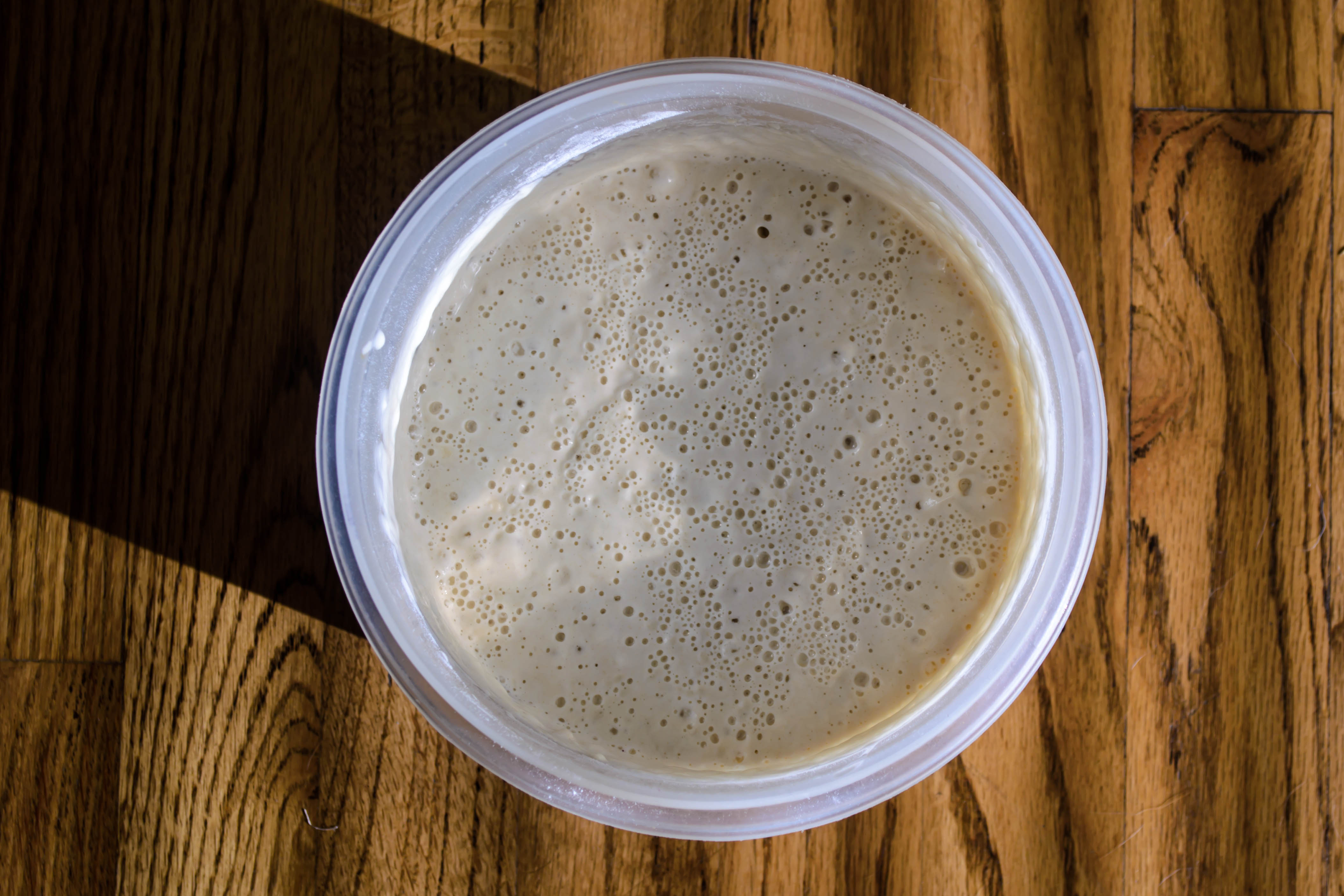
Food Blog January 2014-3069Even though I’m getting sauced this year (is that joke already old?), I’m not abandoning my bread ambitions. I love the monthly challenge of Twelve Loaves, and I received a sourdough starter as a Christmas gift that, according to its bequeather, “needs some TLC.” Anxious to do it right, I scoured the internet for suggestions, of which there are no shortage, and in many cases, no consistency, which, delightfully and frustratingly, appears to be no problem at all! I distilled the various directions down into what felt like a successful (read: doable) routine for me. I fed it flour and water, it smells like San Francisco, and I’ve named it Bubblin’ Bertram. Is that weird? Probably.

Food Blog January 2014-3057

Bubblin’ Bertram bubblin’ away

This month’s Twelve Loaves challenge is “Keep it Simple.” As you know if you’ve spent any time on this blog, that tends to be difficult for me. I like a classic. I like a basic, fundamental recipe, but I like to twist it a little, to ask it to shimmy along with me into something fresh and bright and different. To make my predilection for complexity work with the challenge set, and to to celebrate both my new housemate (what? Yeast is alive!) and the kitchen scale Santa brought me (thanks, Mom and Dad!), I decided to face basics in a way I’ve never done before: by weight.

Food Blog January 2014-3058Baking by weight is hardly new. Shauna talks about it all the time, and it is just as true for baking with wheat flour as it is for using gluten-free flour mixes. Michael Ruhlman has written a whole book that relies on it. But it was new for me. There is something bizarrely scary about ignoring your measuring cups, though I’m not sure why, because working by ounces is admittedly so much more precise.

Food Blog January 2014-3059So I threw caution (and habit) to the wind and dove in, dipping up some of my burbling fed starter, glorying in the yeasty sour smell, and kneading it gently into flour, water, salt, and a breath each of butter and honey for a little extra flavor and moisture. It made a lovely soft dough, and I lovingly nestled it in an oiled bowl, covered it with plastic wrap, and set it aside to swell.


"Shaggy" dough

“Shaggy” dough

And then it sat. And I sat. And we sat. And I paced. And it did nothing. For hours. No rising. No bubbling. No noticeable change of any kind. I went back to the internet and searched for solace.

Food Blog January 2014-3061Three hours later, finally, my dough had almost doubled. In my warm home office, this usually takes a maximum of 90 minutes. But I had used no commercial yeast, only what was naturally in the starter. It takes those little guys a while to gulp down all the new food they’ve been handed, and to expel the gas that causes dough to puff and thicken.

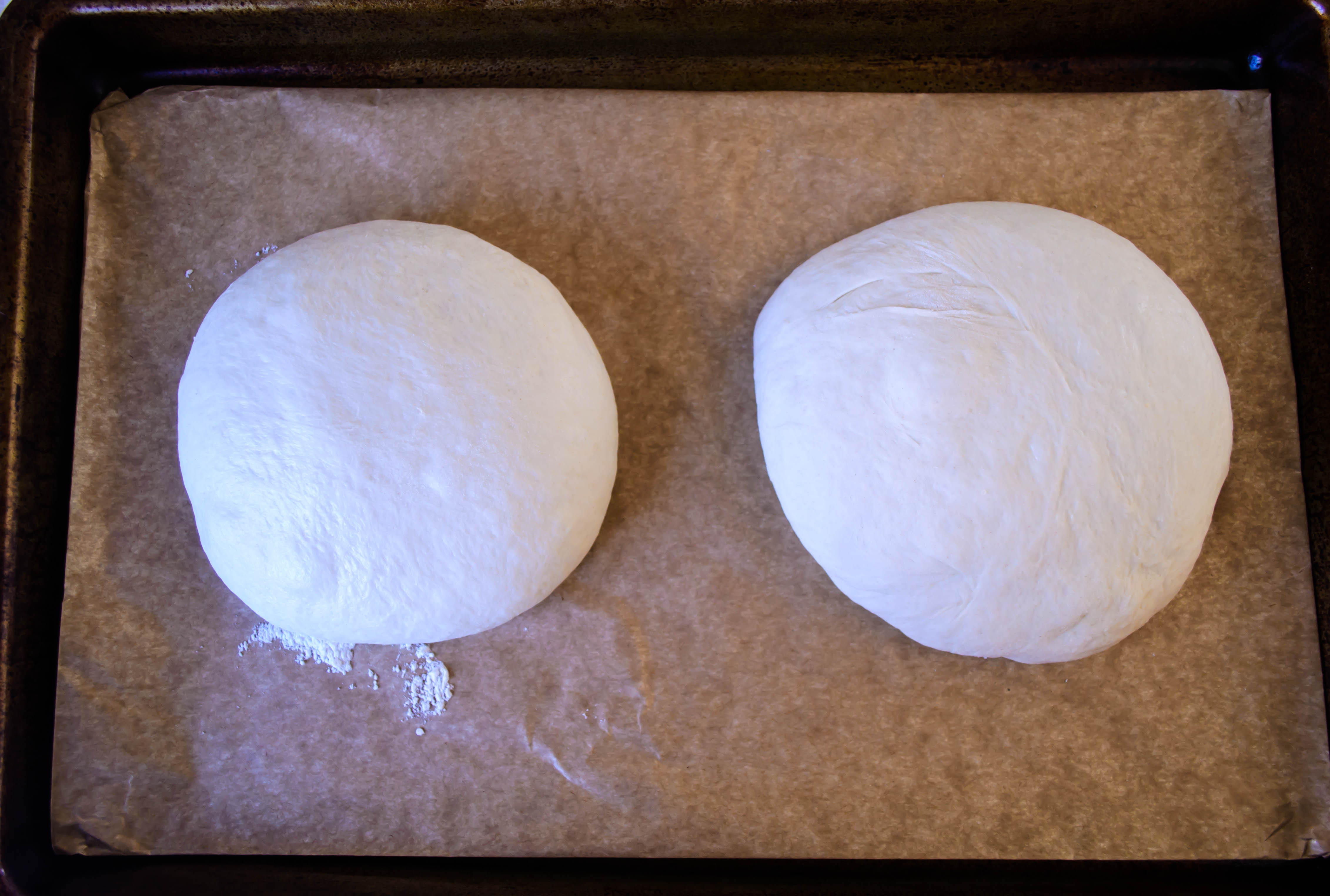
Food Blog January 2014-3063Food Blog January 2014-3065Now that I knew time was the real challenge, everything else fell into place. I divided the ball of dough in two, lightly shuffled them around in some flour and shaped them into rounds, and let them rise again for an hour and a half. They didn’t puff very high, but they did expand into fat floppiness, like doll-sized beanbag chairs. But this didn’t seem to matter. Slashed artfully across the top to help gasses escape while baking, coerced into a steam-filled oven for half an hour, and we had a conjoined pair of soft, browned loaves, moist, warm, on the dense side of fluffy, and lightly but noticeably sour. Simple.

Food Blog January 2014-3066Food Blog January 2014-3067Simple Sourdough Boule, by weight
Makes 2 medium rounds
10 oz. sourdough starter, fed and bubbly (about 1 cup)
10 oz. warm water (body temperature or just above) (about 1 ¼ cups)
20 oz. bread flour (3 – 3 ½ fluffed, not packed, cups)
2 teaspoons salt
2 teaspoons honey
2 tablespoons melted butter


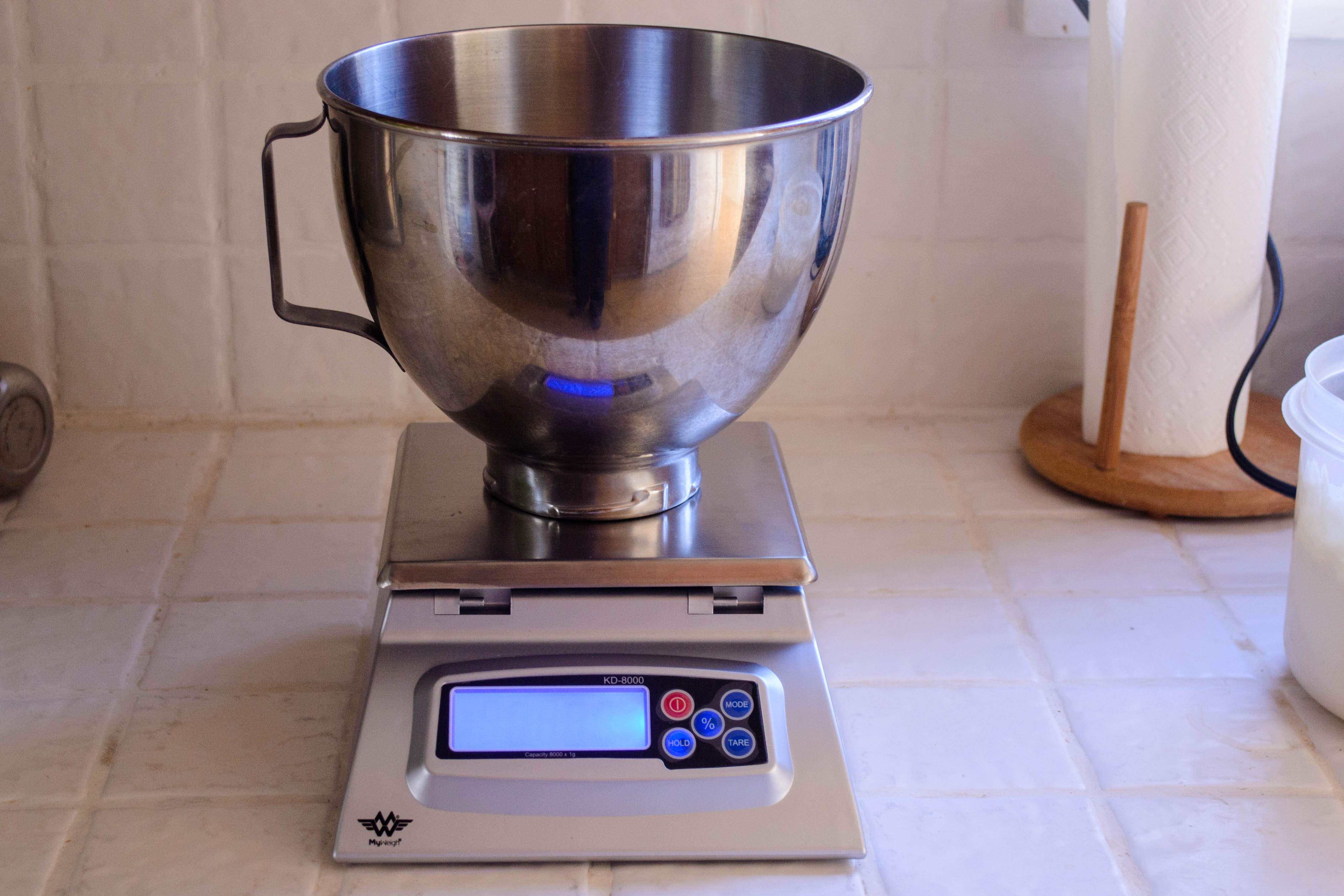
  • Place the bowl you’ll be combining your ingredients in onto your kitchen scale. A weight will appear on the display. Press the tare button to bring the display back to zero – you’ll do this every time you add a new ingredient, to make the additions easier to measure.
  • Add enough sourdough starter to bring the weight to 10 ounces, then press the tare button to return to zero.
  • Add enough water to bring the weight to 10 ounces, then press the tare button again: back to zero.
  • Add 20 ounces of bread flour, remembering that, depending on your scale’s settings, it might switch over to pounds when you hit 16 ounces. This caught me off guard. You’ll need, then, 1 pound, 4 ounces of flour.
  • Add the salt, the honey, and the melted butter. Since these are such small quantities, I haven’t given them in weights. Minor adjustments in one direction or the other will not hurt the bread or change the process.
  • With all your ingredients in, use the paddle attachment (for a stand mixer) or a wooden spoon (if you’re working without the machine) to combine the ingredients into a shaggy, rough dough – you’re looking just to incorporate everything. See “shaggy dough” photo above. At this point, if you’re using a stand mixer, switch from the paddle attachment to the dough hook. If you’re using a wooden spoon, now’s the time to dump the dough out onto a floured board and work with your hands.
  • Using your tool of choice, knead for about 8 minutes, or until the dough ceases to feel so sticky, and becomes elastic and smooth. Mine felt a bit lazy. I’m not sure how else to explain that – it moved sluggishly around the mixer, like a sleepy blob.
  • Lightly oil the inside of the bowl (you can use a new, clean bowl for this, but I just shimmy the blob of dough around to distribute oil underneath it), cover with plastic wrap, and set aside to rise in a warm place until doubled. For me, this took about 3 hours. Your sourdough yeasts are a bit sleepier than instant or active dry yeast, and need time to feast. It will happen eventually. You just can’t rush them.
  • When the dough has finally doubled, punch it down by pressing your knuckles into its center and letting the collected gases escape. Let it rest for 5-10 minutes to get its breath back.
  • Dump the dough out onto a floured board. Using a dough scraper, a pizza cutter, or a sharp knife, divide it in half. Shape each half into a round by holding the dough ball in your hands and stretching the top taut, tucking the excess underneath. Each time you stretch and tuck, turn the dough a quarter turn or so. You can also do this while the dough is resting on your board, turning it and tucking the excess, which will form something that looks like a balloon tie or a belly button underneath. Check out this series of photos from the kitchn for helpful illustrations.
  • Place your rounds on a baking sheet and let them rise for another 90 minutes, until they have puffed again (they won’t quite double this time, but you will see noticeable expansion).
  • About 45 minutes before you are ready to start baking, preheat your oven to 450F. Position the rack you’ll be placing the loaves on in the top third of the oven, and if you’re using a baking stone, place that on this top rack to preheat as well. Position the other rack in the bottom third of the oven and, if you have one, stick your cast iron skillet on this bottom rack, allowing it to preheat as well. You’ll see why in a moment.
  • When your bread has risen again and is ready to bake, slit the tops a few times with a razor or a very sharp knife. This helps the loaf swell and rise, since you’re breaking the taut skin you created while shaping. It also looks artful, and we like that.
  • Slide your loaves on their baking tray gently into the oven on the top rack (or, if you are using a baking stone, put the loaves directly on the stone, taking care not to jostle them too much. We worked so hard shaping them; we want to maintain that structure). Then, working quickly and carefully, fill a teacup with ice cubes and empty this into the preheated cast iron skillet you placed on the bottom oven rack. Close the oven door immediately. The purpose here is to collect steam. The ice, going immediately from solid to gas, will create a nice cloud of steam. This helps bread swell quickly and stay moist. You don’t want endless steam, because that would produce a soft crust, but a good blast right at the beginning of baking ensures a soft, nicely textured loaf of a good size, and a crisp crust, which forms as the oven dries out.
  • Bake for 30 minutes, or until the tops are pale gold and the bottoms feel hollow when thumped. These loaves will likely not brown as much as a standard loaf of bread. Here’s why: as it rises, the starches in flour are converted into sugar, which the yeasts eat. The anxious, hungry yeasts in sourdough consume these sugars much faster than standard yeast, so there is not much left to caramelize into that dark, browned surface we are accustomed to seeing on a loaf of homemade bread. No harm done, though, your loaves may just be a bit on the pale side.
  • Remove from the oven and let cool at least 10 minutes before slicing. I know, scorching-hot-just-from-the-oven bread is a glorious thing, but your loaves need a few minutes to set their internal structure. If you slice immediately, the whole loaf will crush and mash against your knife. Wait just a bit. Besides, this way you won’t burn your fingers.

2014: Project Sauce

It feels inauspicious to publish a New Year’s post almost a week after the eponymous day. It feels like I’m already behind, or like I’ve squandered the moment. But upon reflection, I suppose it might actually be a positive thing. What it means is that I didn’t spend New Year’s Day in front of the computer. In fact, I spent it at the Johnson Space Center in Houston, Texas, where N. and I were visiting my parents. I spent it thinking about stars and planets and discovery and the amazing achievements humankind has made. And then a glass of wine, and a delicious dinner, and a small, smiling toast to the fellow I’ve been with now for ten whole years.

Not a bad way to spend the first day of 2014.

But now I’m back. Back to my kitchen, back to my desk, back to my bookshelves screaming under the weight of new and old friends, bound in paper and string and glue and cardboard and leather, and some still to be added, and back to thinking about food, and how to put it into words.

I’ve discovered that I like a project. An eternal academic, I like the solidity and consistency of due dates. I like knowing that I post on Mondays. I like having a photo ready to share with you on Fridays. But I also like having a topic to work with. Set me loose in a kitchen with no plan, and I’m a bit of a mess; it’s just like going into a library and not knowing which volume you’re looking for. There are so many choices, I can’t limit myself. Give me some parameters to work with, though, and I feel ready to play. It’s a curious kind of freedom, a bit like Mrs. Whatsit’s consideration of life as a sonnet: strict rules, relentless form, but within that structure, the play of words to choose, the storm of emotions to depict or messages to send, is all your doing as the author, as the cook, as the creator.

So I’ve now done three projects in this little virtual kitchen. In the summer of 2012 I made a wedding cake for some of our dearest friends. This, as you might expect, necessitated a number of trial runs (I may never make buttercream again), which I’ve collected links for here. On the very last day of 2012 I completed my Bittman Project, a multi-year attempt to cook everything almost everything most things on Mark Bittman’s 101 Thanksgiving Side Dishes collection. Last year’s resolution/project was centered around learning about dough. Though I’ll admit to still needing practice with pie crust (honestly, how can flour, butter, salt, and water be so challenging?), I have gained incredible confidence working with bread dough. The inexorable certainty that yes, yeast will rise, even if the water is a little cold, or you leave it a little long, or you forget it in the fridge overnight, is a comfort. The feeling of knowing, just knowing, when a dough has been kneaded long enough by its feel and its look, is something I didn’t expect to understand, but I do. I read about protein structures and gluten development and types of fat. I made biscuits and bagels and shortbread and sweet rolls. I teamed myself up with the Twelve Loaves project to inspire new ideas, and surprised myself with experiments I never thought would work. It was a good year.

But now I need a new project. I’ve thought about this for a while, and I want to continue my exploration of fundamentals that build good, solid dishes. Therefore I propose, once a month, here, together, let’s get sauced.

Now wait a minute, wait. I’m not talking booze here (though I suppose the occasional saucing of that sort wouldn’t hurt). I’m talking sauces. Mother sauces. French sauces. The liquid magic that pulls a dish together, whether it be laced with butter, or cream, or broth, or carefully tempered eggs. Every month, once a month, for the year of 2014, I will make and detail the procedure for a classic sauce. The plan is to show you how I made it, explain the process, and then include some ideas for how to serve it. This will entail at least one recipe in which I’ve used it, so we can all put our newly minted sauce skills to work immediately. I have a few ideas for what I will make, but I’m not up to the twelve I will need to round out the year, so I’d welcome input from you, friends out there in internet-space. What kind(s) of sauce(s) would you like to learn how to make? What kind(s) should I not leave the year without attempting? I’d love to “hear” your thoughts. Of course I always welcome comments, but you can also email me! I’m at blackberryeating@gmail.com. If you’re more of the Twitter or Facebook type, let’s do that. You can find me on Twitter at @blackberryeater, and there’s a link to the “blackberry eating in late september” Facebook page on the right of this very homepage. Come visit!

Now that we’re through with that shameless self-promotion (how embarrassing!), all that’s left is for me to give you a preview. The first sauce we tackle will be béchamel, a true classic. No, it’s perhaps not the fat-free, guilt-free representation of that most typical, most quickly broken New Year’s resolution too many of us make, but what fun would that be? Think of it instead as a food representation of that warm, comforting winter blanket you’ll still need for a month or two (unless you’re in Southern California, where apparently winter never happened).

Happy new year, and see you next week!
Sweet Potato Apple Oatmeal Bread

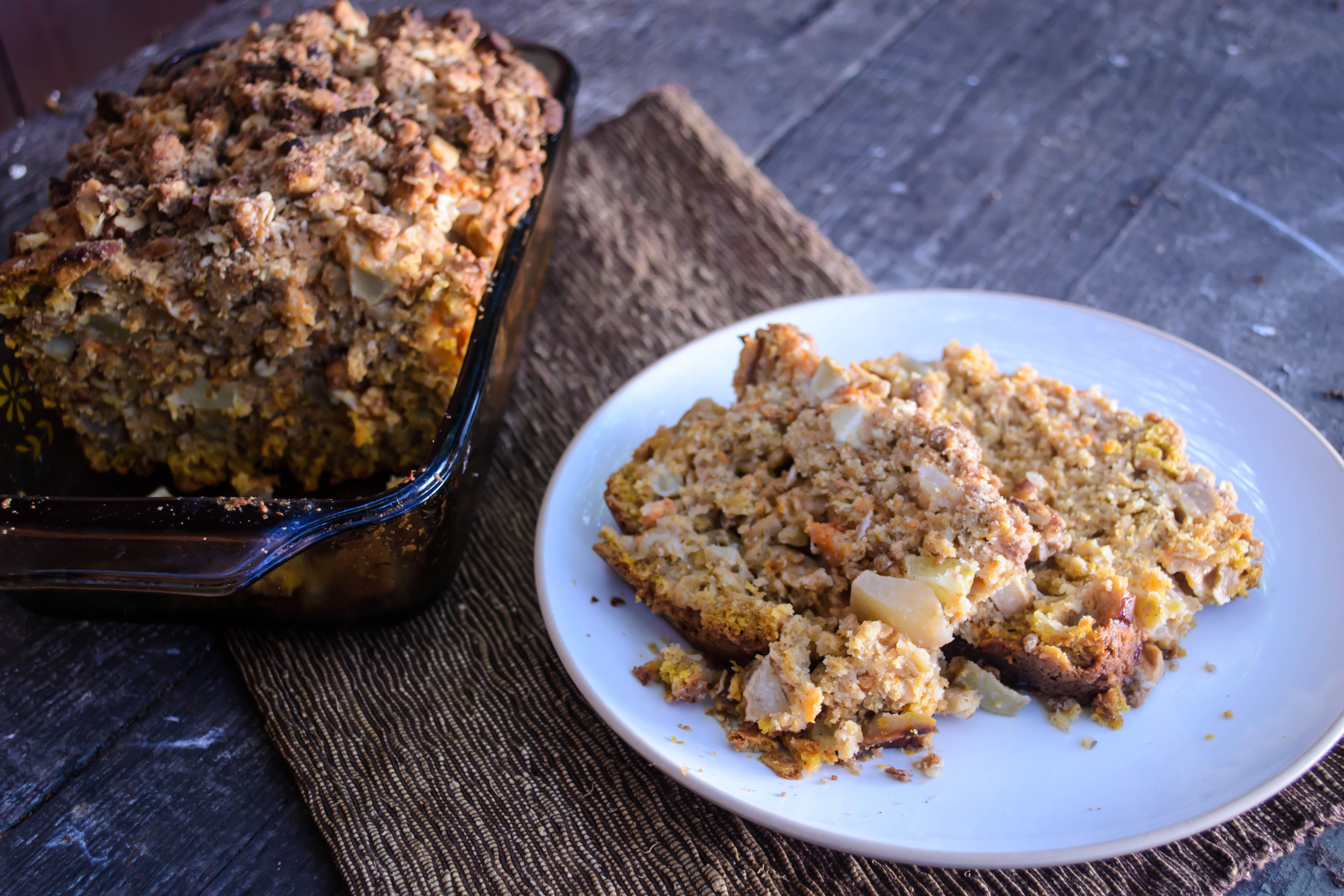
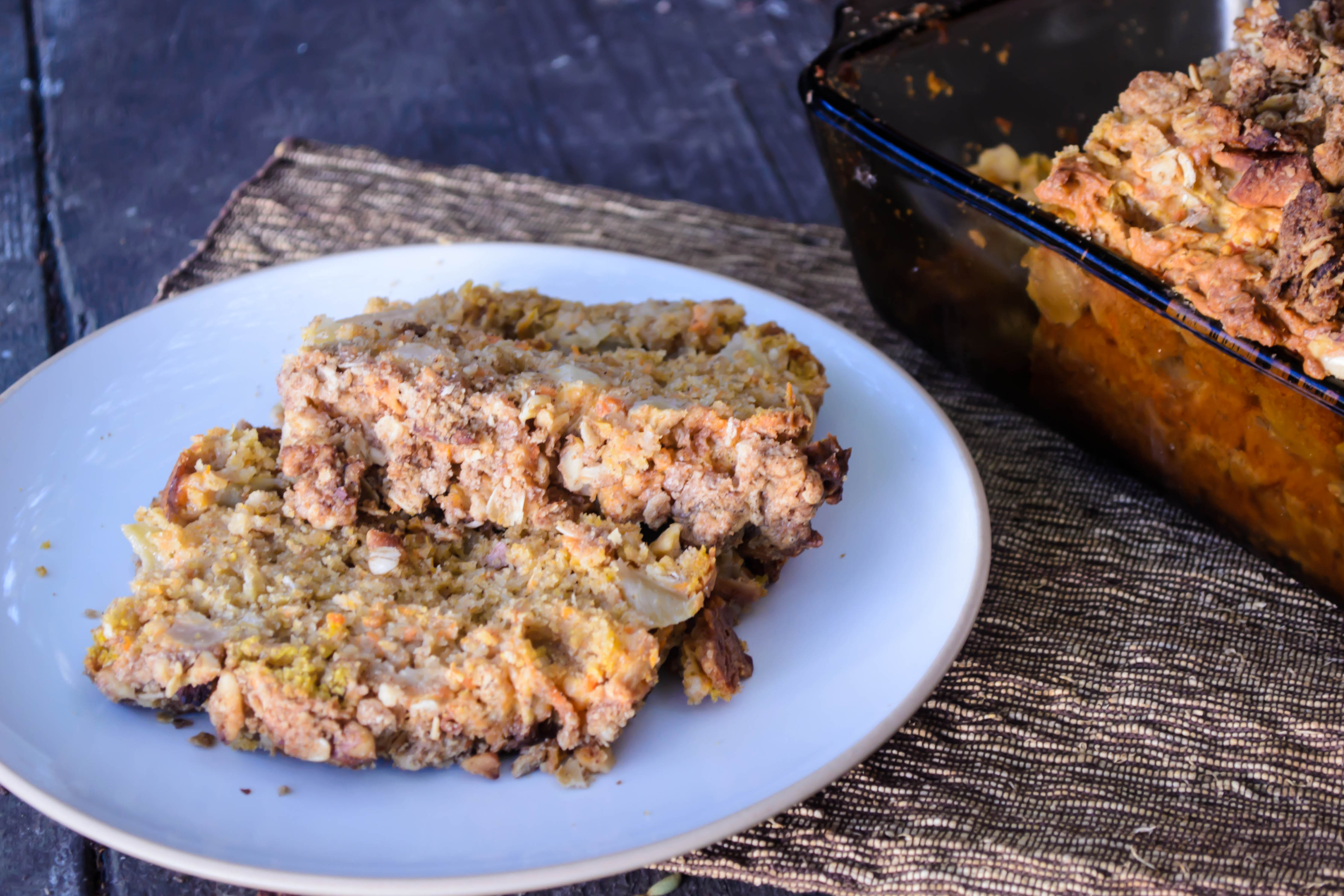
I seem to be increasingly fond of dishes with long titles. There’s nothing particularly extravagant about this quickbread (though I must admit, the prep work involved makes it not all that quick), but the title is lengthy because it does have a lot going on.  Harvest color from a baked, mashed sweet potato, juicy chunks of apple, a hearty, wholesome boost from the oats, plus a hefty dose of brown butter, buttermilk, cinnamon, and a streusel topping crammed with walnuts and dried apple rings. But I didn’t want to overload you, so sweet potato apple oatmeal bread it is.

Food Blog October 2013-2708This bread turned out to be a lovely little response to October’s Twelve Loaves theme: root vegetables. Upon first reading this mandate, I was a little concerned. I’ve already done loaded potato biscuits. Carrot cake is, eponymously, not bread. Beets and rutabegas and parsnips and all those other decidedly savory tubers I’d welcome in a roasting pan or in a latke just don’t seem like a good fit in bread, yeasted or otherwise.

Food Blog October 2013-2701Los Angeles has recently decided that, since it’s almost the middle of October now, Fall might be okay. It might be acceptable to hover below 80 degrees during the day,* and nights could, possibly, occasionally, fall to the chilly (hah!) mid-50s. This has put me in mind of all the harvest flavors I love which, predictably, takes me to Thanksgiving. Once there, it’s only a tiny hop to the humble sweet potato.

Food Blog October 2013-2687Sweet potatoes are true root vegetables. Unlike taro or ginger, which are technically modified stems, or even the grand old potato itself, which is a tuber but not a “true” root (I know, I was shocked too!), sweet potatoes are the root of the plant.

Food Blog October 2013-2680Food Blog October 2013-2685Food Blog October 2013-2682Thankfully, they are also delicious. I love their mellow, starchy sweetness in savory and sweet applications, but I’d never tried incorporating them into bread before. I knew almost immediately I wanted a quickbread rather than a yeasted loaf, and from there it only remained to pair a few flavors. Apples seemed like a nice match for sweet potato: big, fresh Honeycrisps have been showing up at our Farmers’ Market lately, and their juicy tartness would be a good foil for the dependable mellow of my main player. Oatmeal would bulk up the bread a little, giving it strength to support the onslaught of apple and sweet potato I had in mind. I found an oatmeal quickbread recipe that sounded promising on Flour Child, but things really cemented when I read Irvin’s post on Spiced Brown Butter Apple Walnut bread on his blog Eat the Love.

Food Blog October 2013-2688So, sweet potato, baked rather than steamed or boiled to cut down on moisture, an excessive mound of apples, left in sizable chunks that, when you start to mix them in will seem like far too many, rolled oats to bake into a breakfast-worthy slice, and the usual players – brown sugar and cinnamon and just enough salt – get topped off by a streusel you will want to eat not just on this bread, but on everything.  Walnut pieces, more oats, cinnamon for flavor and flour for texture, enough butter to hold things together, and the crowning touch: roughly chopped dried apples that, when baked, dehydrate even more into crispy, gloriously tart-sweet candy. I’m already imagining it on oatmeal, or pancakes, or baked on its own into a take on granola.

Food Blog October 2013-2699This is a moist loaf, and hearty, but not particularly dense. It can’t quite support its own weight, which means slices collapse easily on themselves because they are groaning under the quantity and size of the apples. It is also not terrifically sweet. I was aiming for a breakfast or a mid-morning snack kind of loaf. If you want something more dessert-like, or if you just have a determined sweet-tooth, try increasing the quantity of brown sugar by a few tablespoons.


* This morning’s meteorological news, however, may have made a liar out of me.

Food Blog October 2013-2707

Sweet potato apple oatmeal bread
Adapted from Flour Child and Eat the Love
makes one large loaf
For bread:
1 ½ cups flour
1 cup old-fashioned rolled oats
1 teaspoon baking powder
½ teaspoon baking soda
½ teaspoon salt
1 teaspoon cinnamon
½ cup butter (8 tablespoons or 1 stick)
½ cup buttermilk
2 large eggs
½ cup brown sugar
1 cup baked, mashed sweet potato (from one medium)
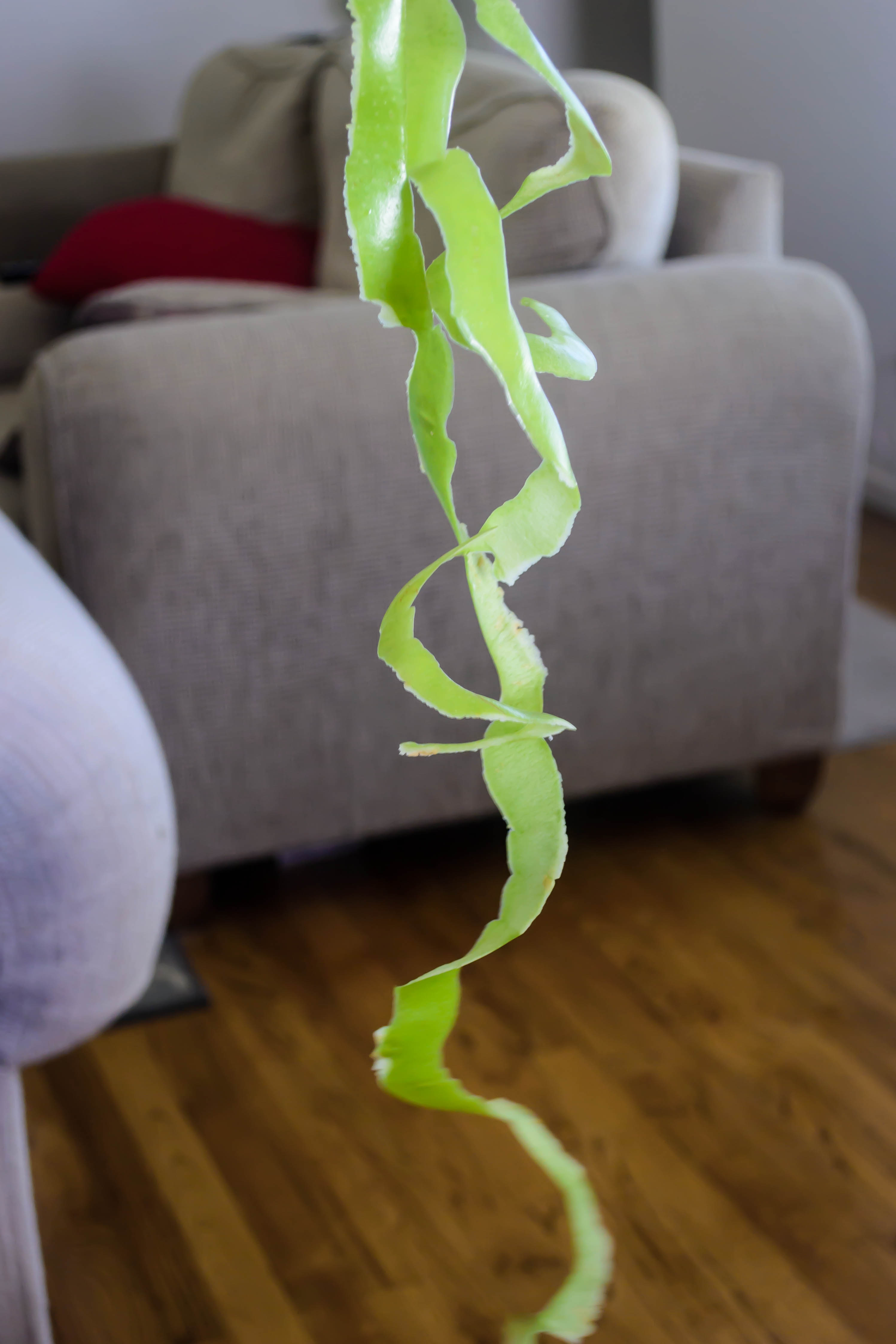
2 apples, peeled, cored, and cut into generous ½ inch pieces (I used Granny Smiths)
For streusel:
2 tablespoons oats
2 tablespoons flour
2 tablespoons brown sugar
½ teaspoon cinnamon
¼ cup roughly chopped walnuts
¼ cup roughly chopped dried apple rings
2 tablespoons softened or melted butter


  • If you have not already baked your sweet potato, preheat your oven to 400F, pierce the flesh of the sweet potato a few times with a knife or the tines of a fork, and bake until the potato is evenly soft – anywhere from 35-60 minutes, depending on the size of the root.  When done, remove from the oven and cool completely before halving lengthwise and mashing the flesh. Discard the skin (or just eat it – it’s sweet and soft and good for you!).
  • Turn the oven down to 350F (or, if you haven’t just baked a sweet potato, preheat it to 350F) and butter, grease, or spray a loaf pan.  Set aside.
  • Begin by browning the butter. Melt your ½ cup of butter in a small pot over medium-low heat. As it melts, it will foam and sizzle a bit and some scummy stuff will appear on the surface. That’s okay. Water is evaporating and leaving us with a more concentrated product. After a while, little brown bits will begin to form on the bottom. This is what we want, but watch carefully – it takes a matter of seconds for butter to go from perfectly brown to burned. When the brown bits are nice and toasty, turn off the heat and set aside to cool.
  • While the butter cools, it’s a good time to make your streusel so you’re prepared later. In a small bowl, combine all streusel ingredients except the butter and whisk lightly together with a fork. Add butter and toss with the fork again or with your fingers until the mixture begins to stick together in clumps. Set aside.
  • Now, back to the bread. In a medium bowl, combine the flour, oats, baking powder, baking soda, salt, and cinnamon. I like to use a whisk for this – it aerates the flour and evenly disperses the leavening agents.
  • In a large bowl (or the bowl of your standing mixer), combine the buttermilk, eggs, brown sugar, and mashed sweet potato. Add the brown butter and beat until a soupy, homogenous mixture is formed.
  • Add the dry ingredients to this wet mixture in two batches, beating just enough to combine after each. Once the flour mixture is incorporated and you have a thick, stiff batter, fold in the apples using a stiff spatula. It will seem like there are too many for the quantity of batter, but don’t worry. It will all work out.
  • Scrape the batter, which might seem more like just battered apple cubes, into the loaf pan.  Tap it once or twice on the counter to release air bubbles and help it settle a bit.
  • Pack on the streusel.
  • Bake in a preheated 350F oven for 1 hour and 30 minutes, or until the topping is deeply bronzed and a toothpick or knife inserted in the center of the bread comes out with just a few moist crumbs. Since the size and juiciness of your apple chunks may vary, check for doneness the first time after an hour, so you can gauge how much more time you might need.
  • If your bread is not done yet but outlier edges of dried apple or walnut threaten to burn, treat this like you’d treat a pie crust: tent the offending areas loosely with aluminum foil to keep them from getting too dark.
  • Cool completely before attempting to slice or remove from loaf pan.  Trust me.