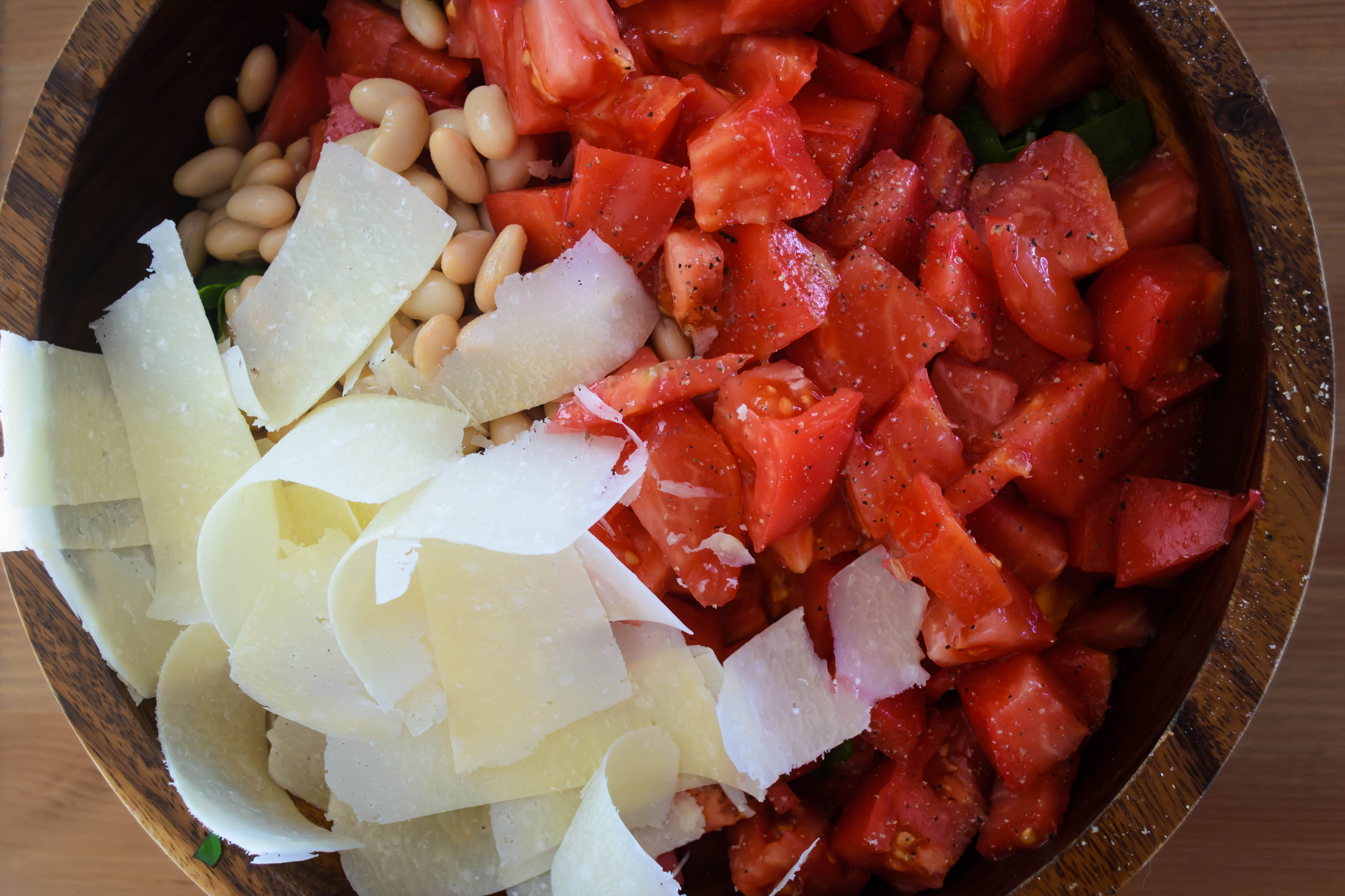
Homecoming: chard, heirloom tomatoes, and basil from the garden. A can of white beans from the pantry. Shavings of parmesan from a wax-paper-wrapped-wedge at the back of the fridge.
Homecoming: chard, heirloom tomatoes, and basil from the garden. A can of white beans from the pantry. Shavings of parmesan from a wax-paper-wrapped-wedge at the back of the fridge.

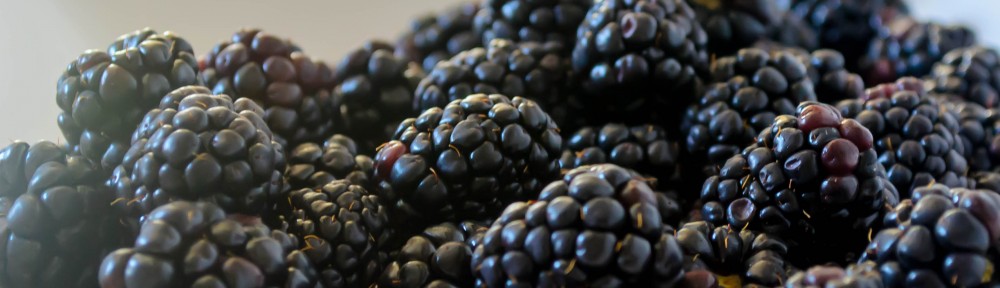
Berry massacre.
As Molly said a few weeks ago, sometimes recipes are so good they need no long-winded, story-laced introduction. These cookies are like that. You should just go and make them right now. But for the sake of propriety, or normalcy, or expectations, I’ll just explain how these – perhaps the best cookies I’ve ever made – certainly the best cookies I’ve tinkered with my own recipe for – came about.
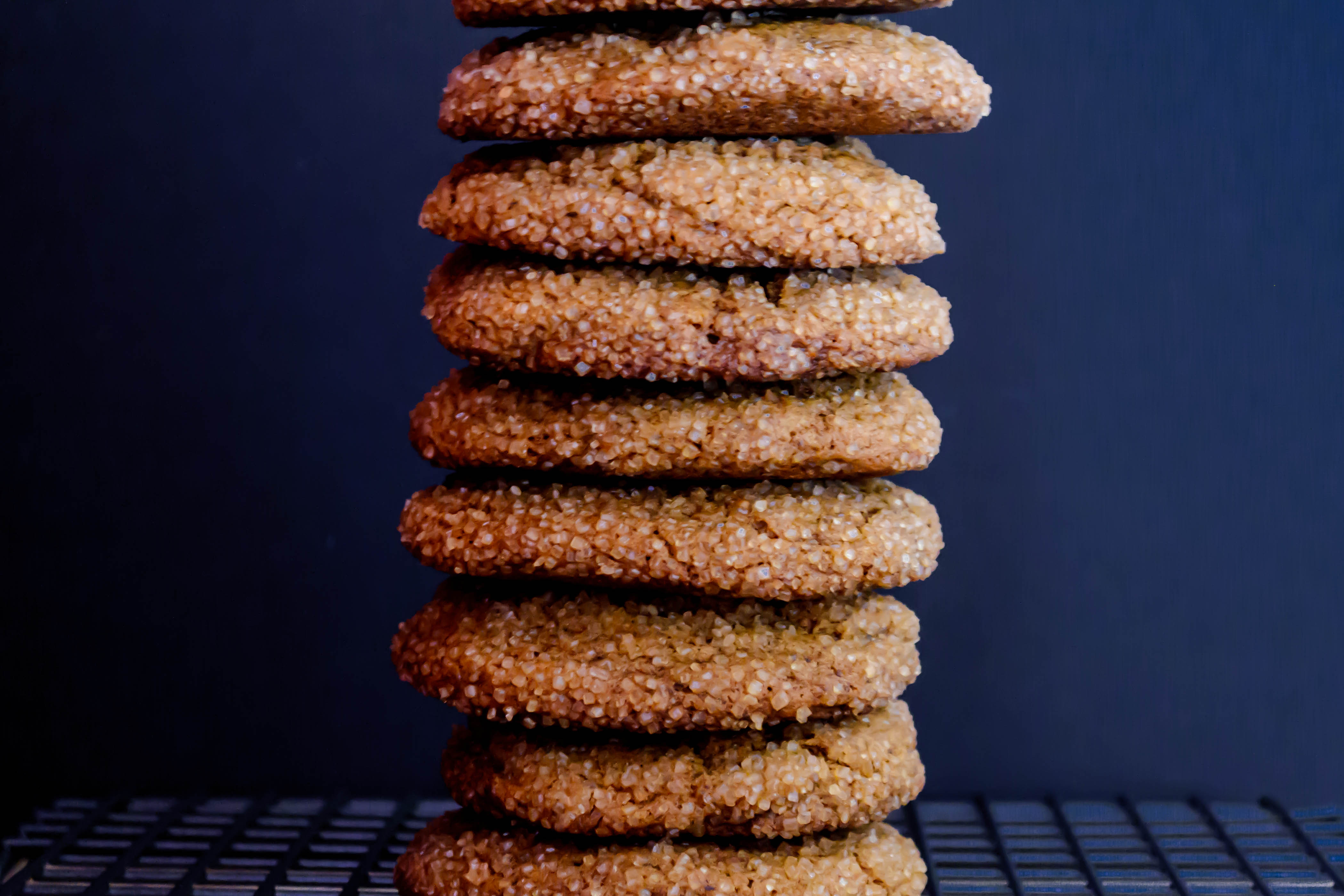 Perhaps months ago, a friend mentioned molasses spice cookies on Facebook (incidentally, and perhaps obnoxiously, have you acquainted yourself with the blackberry eating Facebook page? Come on by, if you’d like), and suddenly I had to have them. So I poked around, checking one recipe and another, and finally, as I often do, turned to Smitten Kitchen to see what Deb’s take on the issue looked like.
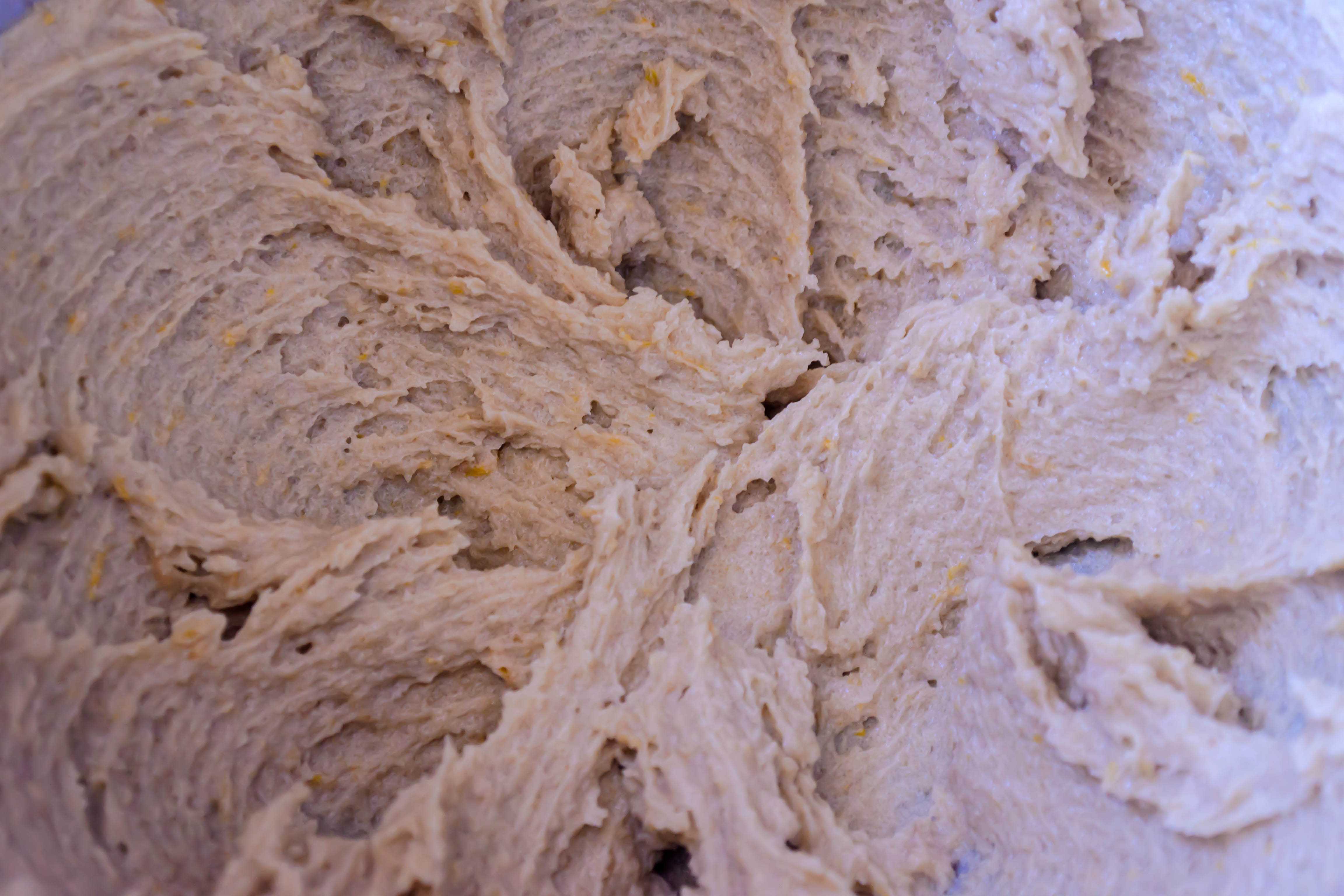 I mixed up a batch of Deb’s recipe, subbing out white sugar for all brown, adding some espresso powder for a bit of kick and rolling the cookies in coarse, crunchy turbinado sugar rather than standard granulated. And then in between bouts of shoving them into our faces, I sent a stack to a few friends, who proclaimed them some of the best cookies they’d eaten.
 For normal people, I’d wager this assessment of “best ever” would be enough to declare the recipe finished. But I’ve never been entirely normal. Yes, these cookies were good. They were soft and spicy and warm, and the crunchy sugar on the outside was a perfect contrast. They crinkled into little cracks on top and would have made ideal “bread” for a sandwich of ginger ice cream. But I wasn’t done. I upped the quantity of espresso powder so you could really taste a hint of it against the molasses. I added orange zest for perfumed freshness and black pepper for an additional and different kind of zing.
 And then I thought about texture. For years, my dad has been searching for the perfect chewy chocolate chip cookie (more on this achievement in the future, I suspect…), and remains unsatisfied with recipes that churn out cakey or fluffy domes of dough. The first batch of these molasses wunderkind were like that – lovely spice and flavor, but a bit on the soft side for me. Some of this softness was my choice of sweetener; using all brown sugar is always going to leave you with a softer product than white sugar. So will honey. Both are hydrophilic, which simply means they attract moisture and thus stay flexible and soft, even after a few days (case in point: my friends who received theirs via post had no complaints about stale cookies!). But some of this textural challenge is also related to flour.
 Let’s talk about flour for a moment, if you’ll permit me. “All-purpose flour” is one of the most misleading claims in the baking universe. Flour – at least wheat flour – does what it does thanks to gluten, which are the little strands of protein that form snaky, chewy chains that result in the stretchy but still pillowy texture of bread. The higher protein content your flour has, the more gluten it has and the more developed those chains will be. The issue is, all-purpose flour is going to have a different protein content depending on the company whose flour you buy, the particular type of wheat used, and, to some extent, the year’s harvest itself. So if you’ve ever made a batch of cookies that turned out perfectly the first time and then somehow, subtly different in texture the next time, you might have used a different batch of flour with a higher or lower protein content.
 So how does this relate to the chewiness I was after? Here, as should surprise no one (at least no one who knows me), I turned to Alton Brown. If higher protein flour results in chewier cookies, why not sub in the flour made specifically for gluten development? Bread flour. And that was it. Replacing just a ¼ cup of the all-purpose flour from the original recipe with bread flour produced a cookie that still crackled on top and felt appealing between our teeth, but held up with a bit more resistance, demanding an extra chew or two. The perfect chewy cookie. We planned to bring a batch of these to my family when we went to visit them last week, but as we each took yet another from the bag mid-drive, we realized there were only three left from the whole endeavor – enough for my family to each taste just one.

Radishes.

 As you can perhaps intuit from the title of this post, this month’s Twelve Loaves challenge was just that for me: a challenge. Called upon to incorporate stone fruit into a bread item, my mind went in a thousand directions at once and came up blank. For me, stone fruits belong in pies and cakes. The idea of combining cherries, or peaches, or apricots, or nectarines with the slow, yeasted rising of a bread was an odd one (although now that I’ve considered it, chocolate and cherry bread sounds fantastic. Inspiration, if anyone still needs an idea for this month?). So I struggled. I wrote down ideas that sounded like madness:
Caramelized apricot yeasted mini loaves, baked in muffin tins too weird.
Plum cobbler not really a bread.
Peach upside down cake not a bread at all!
Irish soda bread with… stone fruit… somehow…
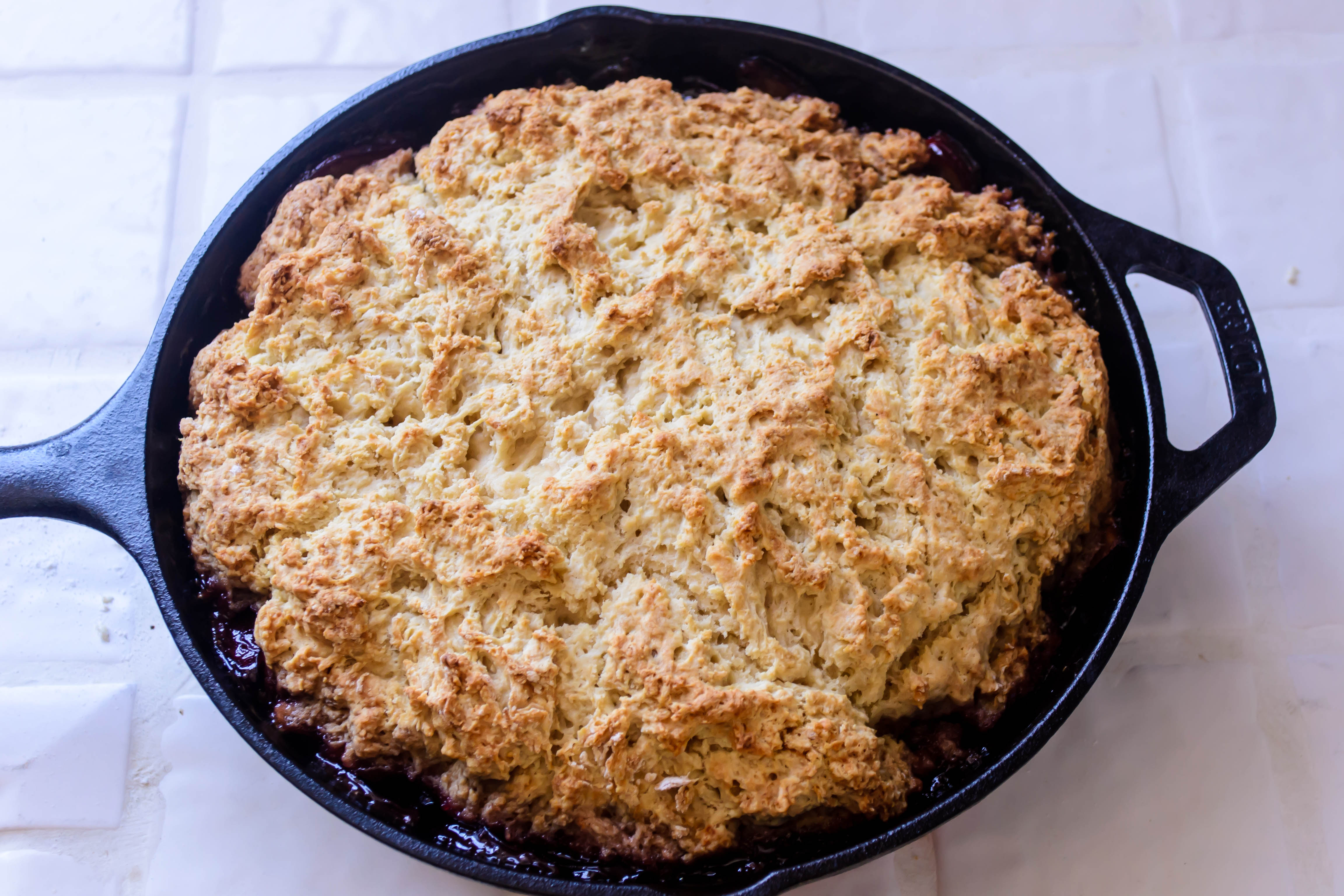
And that was where I landed, nibbling at the edges of this idea. It would be, I decided, a skillet bread: fruit caramelized in the bottom of a cast iron skillet, soda bread dough mounded atop it and then baked and flipped, like the weirdest version of a pineapple upside down cake bread you’ve ever heard of.
 Once this weirdness was determined, I settled immediately on plums as my fruit choice. I always forget how much I love plums as a cooked component. None of the insistent fuzziness of peaches to deal with, but bursting with juice, brightly veined, and hiding just the right hit of tartness in that secret microscopically thin layer between skin and flesh. I love that part.


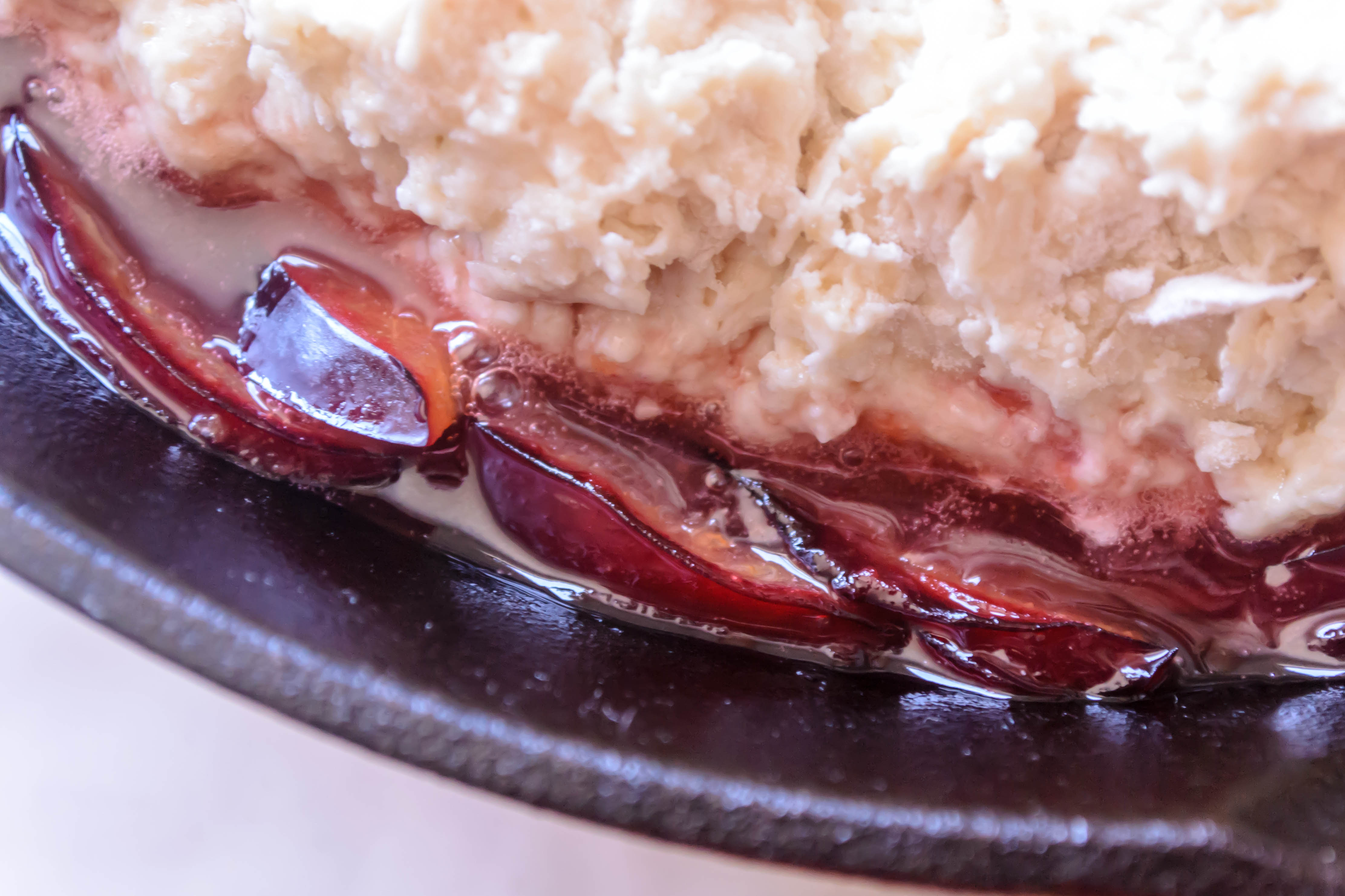 I envisioned bubbling slices of that sweet tartness in a slick of butter and brown sugar, mounding on heaps of gussied up Irish soda bread dough and baking the whole thing into a puffed, flippable cake/bread to have for breakfast, afternoon “tea” (N. and I rarely drink hot tea in the 3pm hour, but love the idea of stopping for a bit of a snack), or maybe even wedges wrapped up in wax paper to take on the road as we head into vacation.

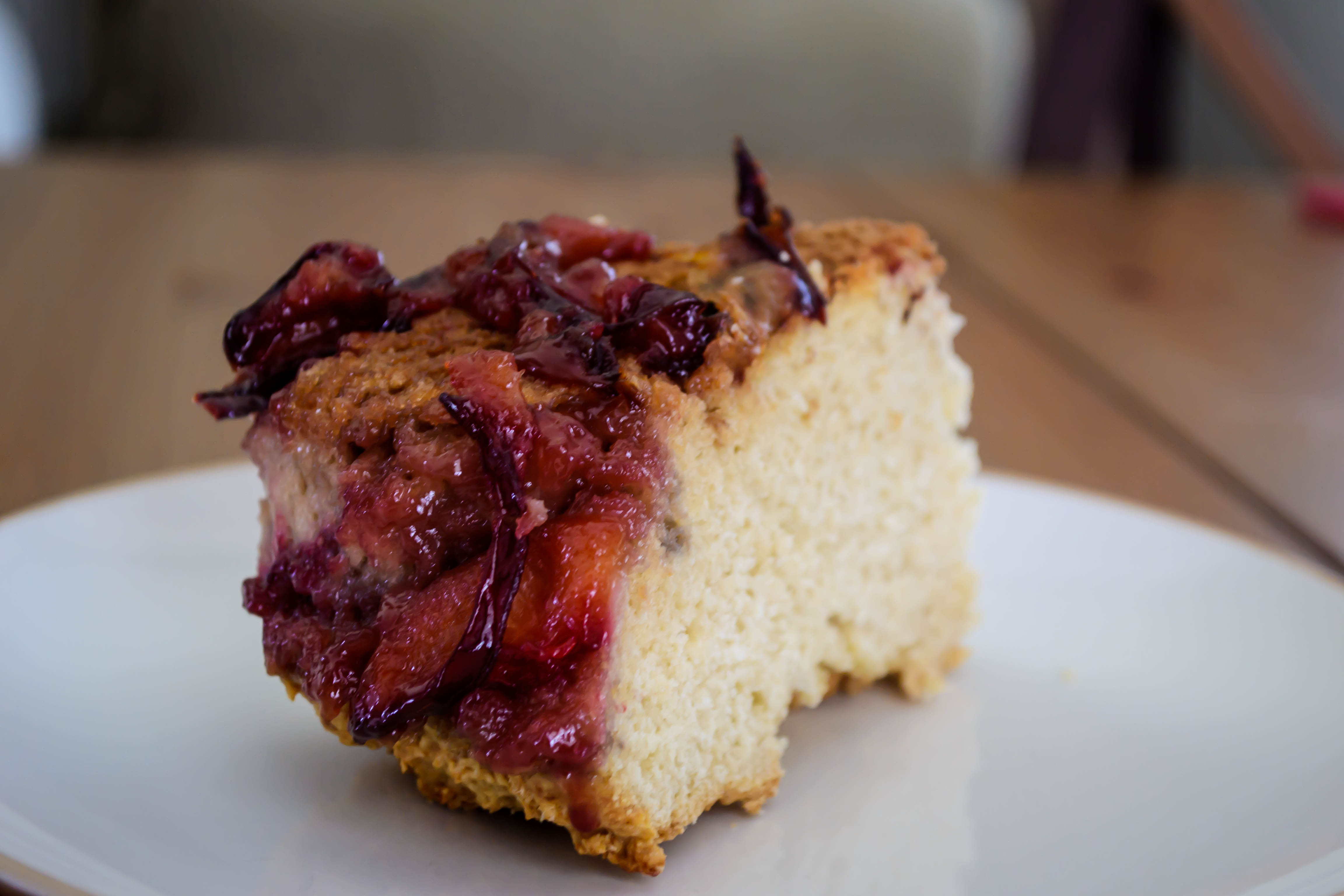
 What I got was a stunner-in-progress. I’m going to give you the recipe for exactly what I made, but I know this is not the final iteration of this dish for me. The plums were perfect: juicy, melting into the caramel and the bottom of the bread, sticky and jammy and reminiscent of a triumphant batch of plum butter my mom made one summer with pounds and pound of plums delivered to our door in a brown paper bag straight from a neighbor’s tree. The bread itself was good: solid Irish soda bread, a little richer and a little sweeter from the addition of brown sugar, extra butter, and an egg, perfect for the breakfasts and snacks I envisioned, and better the second day than the first. But as I dug in, I found myself wanting the bread part to be more like cake: more egg, less flour, a hint of vanilla or nutmeg or maybe cardamom. The plums were so good, so gloriously gooey and tooth-sticking-ly caramelized, that they deserve a proper dessert – something you can watch a scoop of ice cream melt over.
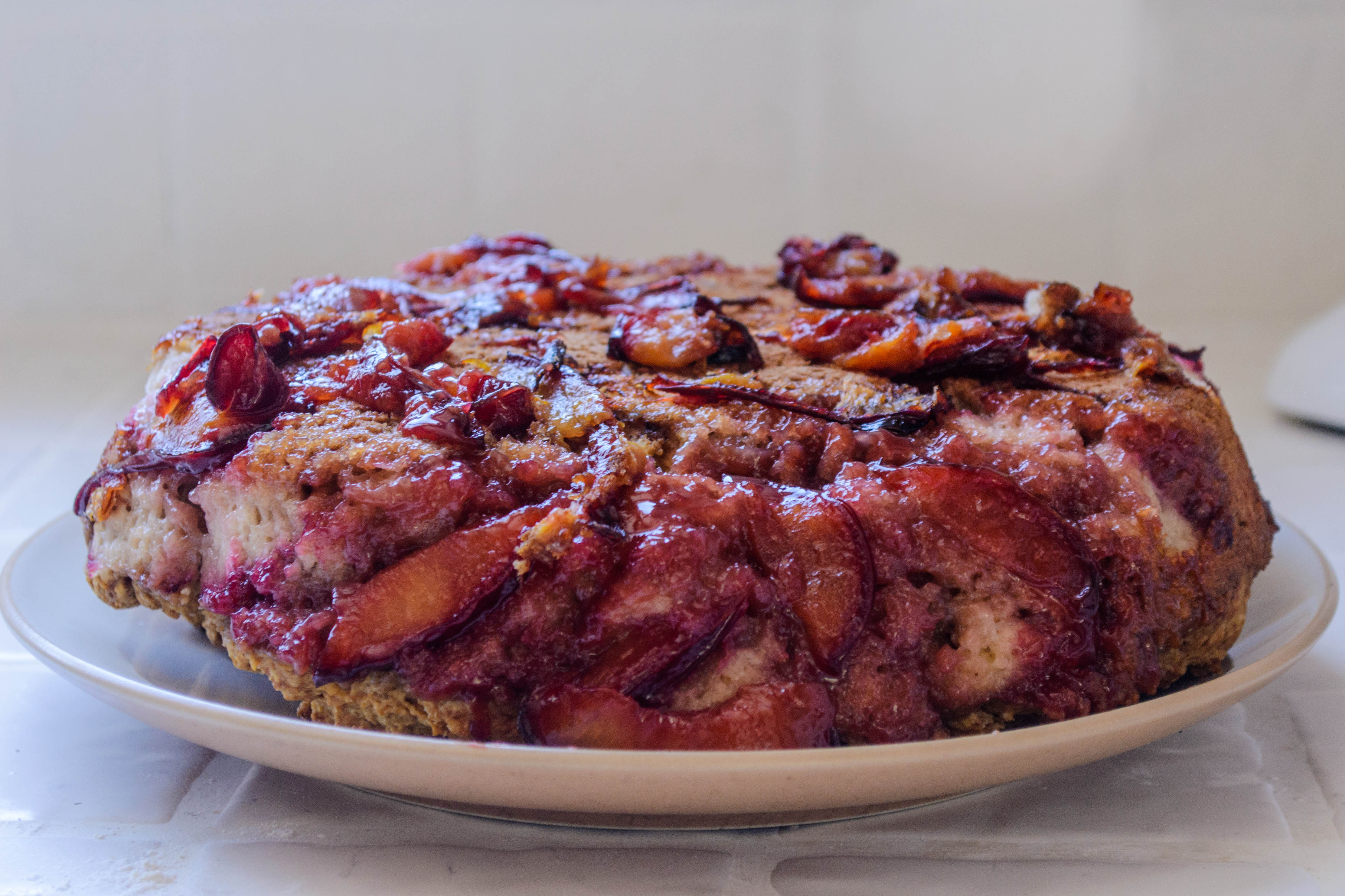 Make this. It’s solid and scrumptious: the perfectly not-too-sweet energy boosting slice. But consider yourself warned: this won’t be the last time you see upside down plum something here…
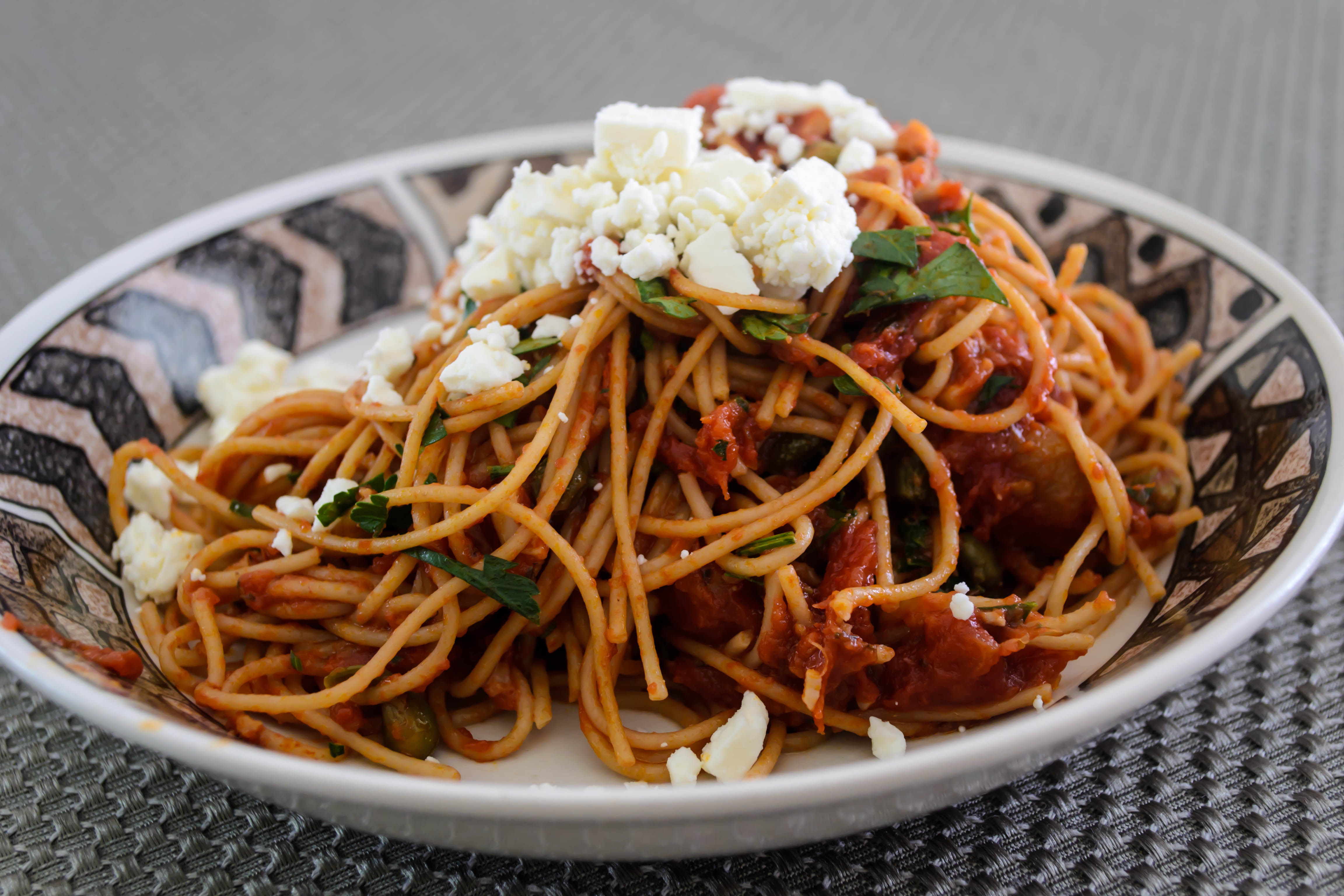
Pasta puttanesca with crumbled feta for lunch.
A fabled land of farmers, farm shares, fancy (and not so fancy) restaurants, family meals, food projects and more.
cooking my way through my dissertation, one egg at a time
Fearless cooking from a tiny NYC kitchen.
food, in so many words.
Recreating the famous dishes of famous writers. Part recipe blog, part historical discussion, entirely unabashed love of books.
Epicurean Adventures from Eugene, Oregon
Celebrating the Harvest
Modern Iranian aka Persian Food & Culture Blog - Cuisine, Recipes, Stories , Photos, Pictures, DIY tutorials
Exploring Culinary Traditions of Africa, African America and the African Diaspora
food, in so many words.
food, in so many words.
food, in so many words.
Food-Stories-Recipes-Love
WordPress.com is the best place for your personal blog or business site.
 "blackberry-eating in late September"