Cilantro Lime Rice

Once you live in an area long enough, you start to notice food trends, especially if you like to eat out (which I do).  In Los Angeles, when you’re not focusing on the grass-fed beef and the house-made buffalo mozzarella and the artisan cocktails, you start to notice side dishes.  It wouldn’t be Los Angeles, I suspect, without the ubiquitous kale salad.  These folks love their kale.  And when it’s not kale, it’s quinoa, toasted or steamed or boiled, getting cozy with vegetables or dried fruit or the lightest of vinaigrettes.  Sometimes, in a really ambitious nod to “California Cuisine,” kale and quinoa get combined in the healthiest, hipster-est, most trendy-bohemian side dish the world has ever seen.*
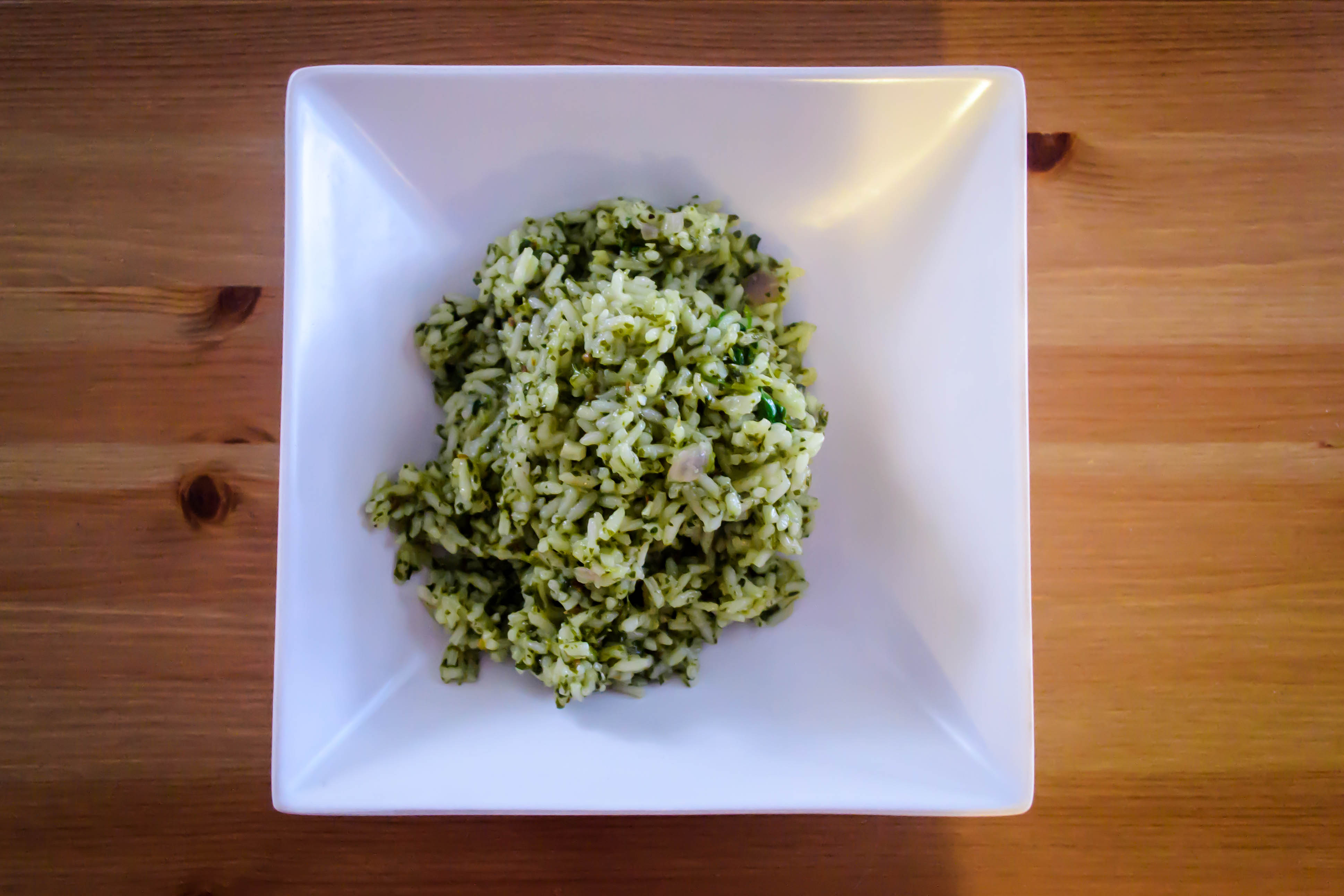
Food Blog September 2013-2636But the other side dish I’ve been noticing a lot lately, spurred along, no doubt, by the dozens of Chipotles lining every other street corner, is cilantro lime rice.  Whether it’s speckled with zest or dotted with the occasional herb fleck, or the bright green of a rice dish Sam I Am would be proud to serve alongside some huevos rancheros verdes, it shows up on so many menus that at some point I was bound to become either totally sick of it, or completely obsessed.
Food Blog September 2013-2631Clearly, my palate chose the latter.  I adore it.  At one of our current favorite Culver City haunts, my dinner choice is based on which dish comes with a side of cilantro lime rice.  I fall on the love side of the Great Cilantro Divide – I admit that there is a soapy quality to it, both in taste and in aroma, but it appeals to rather than repulses me – and lime is quite possibly my favorite citrus option.  These flavors paired with a fluffy, starchy, perfectly cooked scoop of rice are a side dish I would eat next to almost anything.
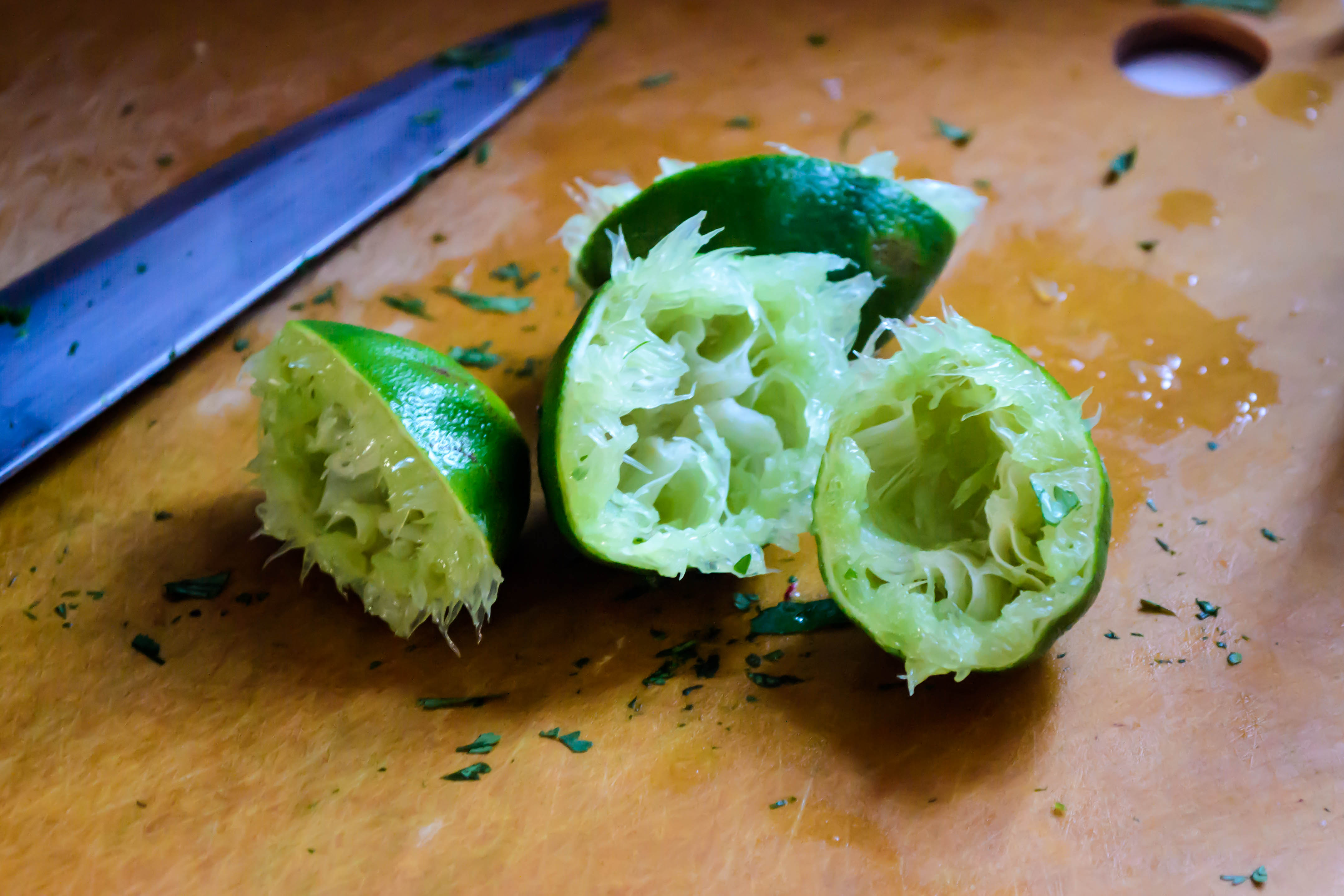
Food Blog September 2013-2633But the problem, as with most things I end up obsessed with, is that not all cilantro rice is particularly good.  The herbs are dull and flavorless, or the lime isn’t assertive enough, or the rice is mush, or I don’t want to pay for the accompanying $20-30 entree as often as I want the zesty side.  And so, as usual, I have to saunter into the kitchen to make my own.
Food Blog September 2013-2626I toyed around with some flavor combinations, playing with spices and vegetables and heat, and ended up with something so bright and tart and satisfying that we almost didn’t want the blistered corn quesadillas I’d made to go along with our rice.  This was fresh, and vibrant, and almost overloaded with lime and cilantro flavor – maybe my favorite rice side dish since my mom’s pilaf (which I’m convinced will never be topped).

Food Blog September 2013-2630Make this for your family.  Pair it with grilled fish or carne asada or stewed black beans or chile relleno.  And if you like it, let me know!  Maybe it can serve as my penance for the overly complicated, labor intensive loaf I pushed upon you last week.

* I’m not saying this is a bad thing.  I don’t have anything against kale or quinoa, and I agree that they are quite tasty together.  But then, I am a bit of a healthy bohemian type, though certainly not very trendy.  Which is why it’s taken me till now to fall for this dish…

Food Blog September 2013-2638

Cilantro Lime Rice
Serves 6-8 as a side dish
¼ cup olive oil
½ teaspoon whole cumin seeds
½ teaspoon coriander seeds, crushed in a spice grinder or with the side of a knife blade
4 cloves garlic, minced
¼ – ½ cup diced onion (I used a red onion, but yellow or white would be fine too)
1 ½ cups long grain white rice
½ teaspoon salt
¼ teaspoon black pepper
3 cups low sodium chicken broth, vegetable broth, or water
2 bunches cilantro
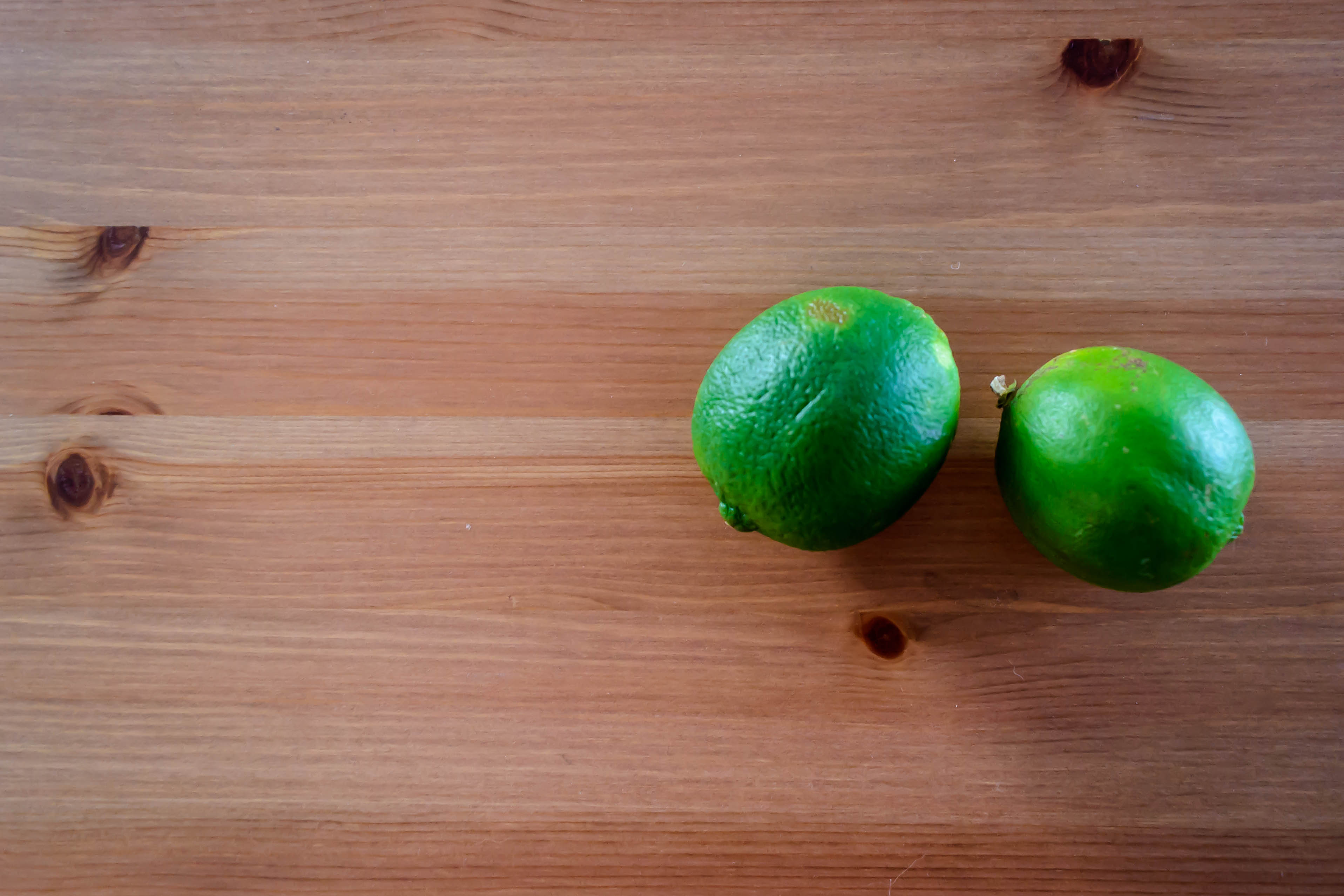
1 – 2 limes (using 2 whole limes results in a very strong lime flavor.  This was what I wanted.  If you want less or you aren’t sure, start with the juice from 1 lime and work up from there)
  • Heat the olive oil in a medium pot over medium heat.  When it is shimmering, add the cumin and coriander and turn the heat down to medium low.  Let the spices warm and release their aroma – this should take about 3-5 minutes (it will look like a lot of oil for just this little palm-full of spices.  Don’t worry.  We are using this for the vegetables and toasting the rice as well).
  • While the spices are heating up, prep your onions and garlic.  When the cumin and coriander smell toasty and begin to pop occasionally in the pot, add the onions and garlic and sweat them over medium low heat for 5-8 minutes. You want the onions to get translucent and the garlic to become aromatic, but not browned or crisp.
  • Add the rice and turn the heat up to medium high.  Let it sizzle, stirring frequently, until some grains of rice are opaque and bright white but some are still translucent and pale.  It will smell a bit reminiscent of popcorn or puffed rice, and that is a good thing.
  • When the rice is toasted, add the salt, pepper, and broth or water.  Stir well and cover to bring to a boil.  Once boiling, turn the heat down to medium or medium low and simmer for 15-18 minutes, or until liquid is absorbed and rice is tender but not mushy.
  • While the rice simmers, prepare the cilantro.  Tear or chop the leaves and tender upper stems from the tough ends and place in a blender or food processor (alternatively, if you don’t want the extra dishes or don’t mind big pieces of cilantro, you can just chop it up with a knife).  Add the lime juice and pulse in 3 second bursts until the herbs are very finely chopped and almost become a paste.
  • When the rice is done, uncover it, fluff it with a fork, and add the cilantro and lime juice mixture.  Combine thoroughly to ensure even greenness, then serve immediately.  Too much time between adding the cilantro and serving the rice will result in a less vibrant green color.
Cream cheese and onion dip

I am a list writer.  I love lists.  I live my life by them.  I am addicted to my day-planner, where I write in even the most menial of tasks (eat lunch! unload the dishwasher!) just so I can have the satisfaction of crossing them off.  I have a three page document on my laptop of “blog post ideas” – names and concepts of dishes I’ve never even tried that I’d like to develop and perfect to share with you.

Food Blog August 2013-2444Thus it should come as no surprise that I can’t go grocery shopping without a list.  Every week I make one, and every weekend before the big trip, I hand the list over to N. so he can add his requests.  He writes funny little notes on random lines all out of order (doesn’t he know the list is arranged by where in the store the product is found?!) and tries whenever possible to convey his desires in puns or wordplay or goofy spelling.  A few weeks ago, he wrote “chip-snack” near the bottom of the list.  I knew this meant we’d be trying something new – a change-up from the standard yellow corn tortilla chips we usually have lurking about in our pantry.

Food Blog August 2013-2438We came home with thick ridge-cut sweet potato chips.  And they were… okay.  N. noted astutely that they were tasty, but after a few you felt like you’d eaten, well, a sweet potato.  And I guess that’s a sign that they are what they advertise, but maybe they aren’t our ideal snack.

Food Blog August 2013-2439As I was munching my way through a second helping one afternoon, trying to pinpoint what it was about these chips that I wasn’t crazy about (I know, I know, why would I eat more of them if I didn’t really love them?), I realized they just needed a little help.  Without as much sodium as a standard potato or tortilla chip, I was missing some of the savory oomph that you really want from a chip.  This meant they were going to need a friend to play with: a salty, creamy swirl of dip to plunge into.

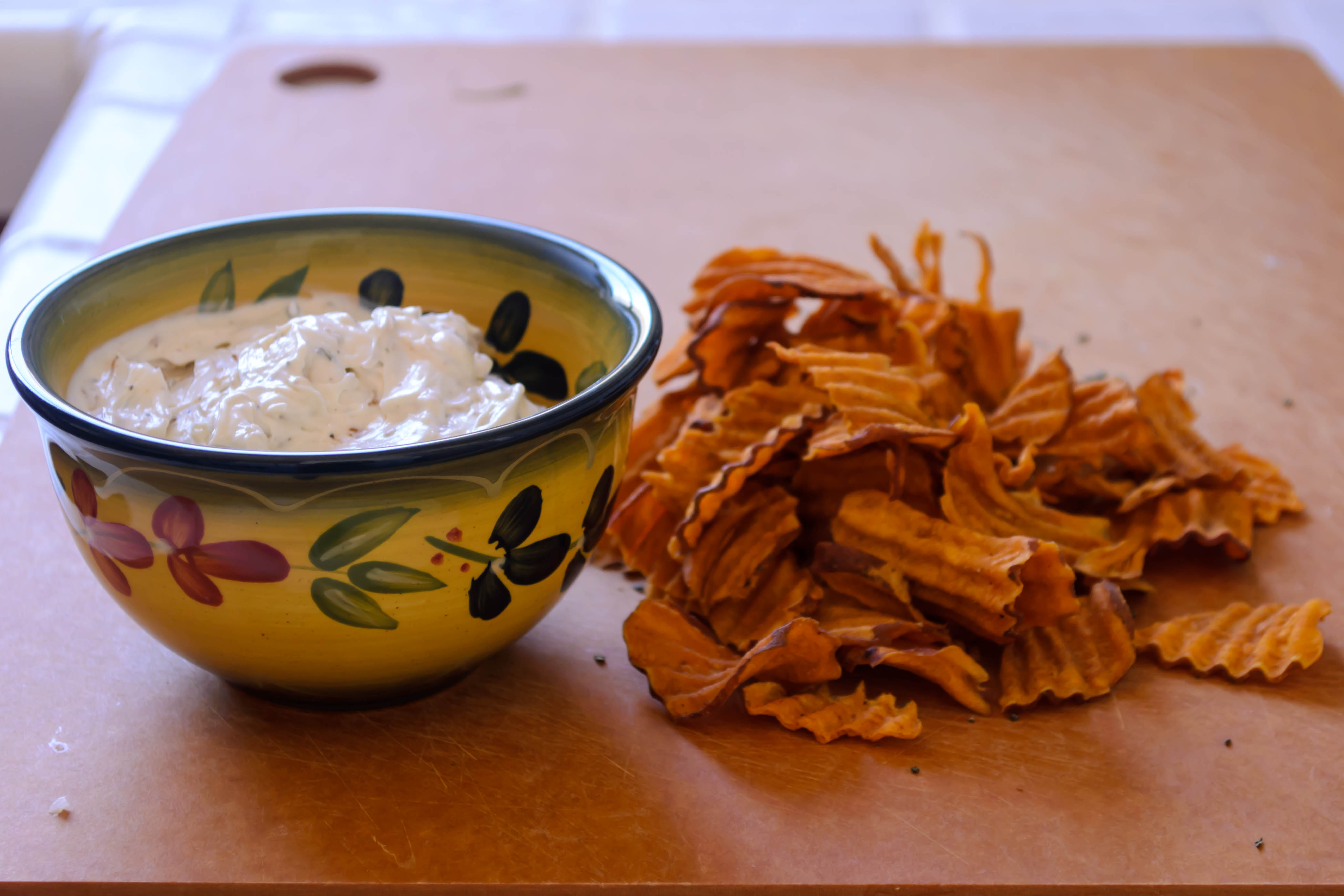
Food Blog August 2013-2449What came together, as I played, was the best possible version of a sour cream and onion dip.  Whipped cream cheese with a dollop of sour cream for consistency and tang.  A pile of well-caramelized onions, sweet and soft and deeply bronze, produced through considerable patience.  Salt and pepper, of course, and I didn’t want to complicate things, but it needed something else to break up the richness.  That something else turned out to be the earthy herby punch of finely chopped rosemary.

You want this for your next chip and dip party (do people have those?  We should).  You also want, I quickly determined, at least four people at the table when you serve this, because it will disappear, and you want to prevent any guilt that would result from eating the whole cupful, along with the whole bag of chips, all by yourself.

Other suggestions: double or triple this recipe, spread it evenly into a casserole dish, and bake at 400F for 20 minutes or so, until the whole thing is luscious and bubbly and mouth-searingly hot, then serve with crostini or pita chips.  And call me.  Because I want in on that action.  Or you could roast thick slices of sweet potato with some olive oil, salt, and pepper, and pipe this on top with a piping bag in pretty little swirls.  Arranged on a big square platter, that would make gorgeous passed appetizers.

Or you can just jam crackers or bits of toast into the dregs of the mixing bowl to get every last creamy bit.  It is, after all, your party.

Food Blog August 2013-2443

Cream cheese onion dip
Yield: ¾ – 1 cup
½ cup sweet onion, finely diced
1 TB butter
½ tsp salt or to taste
¼ tsp freshly ground black pepper or to taste
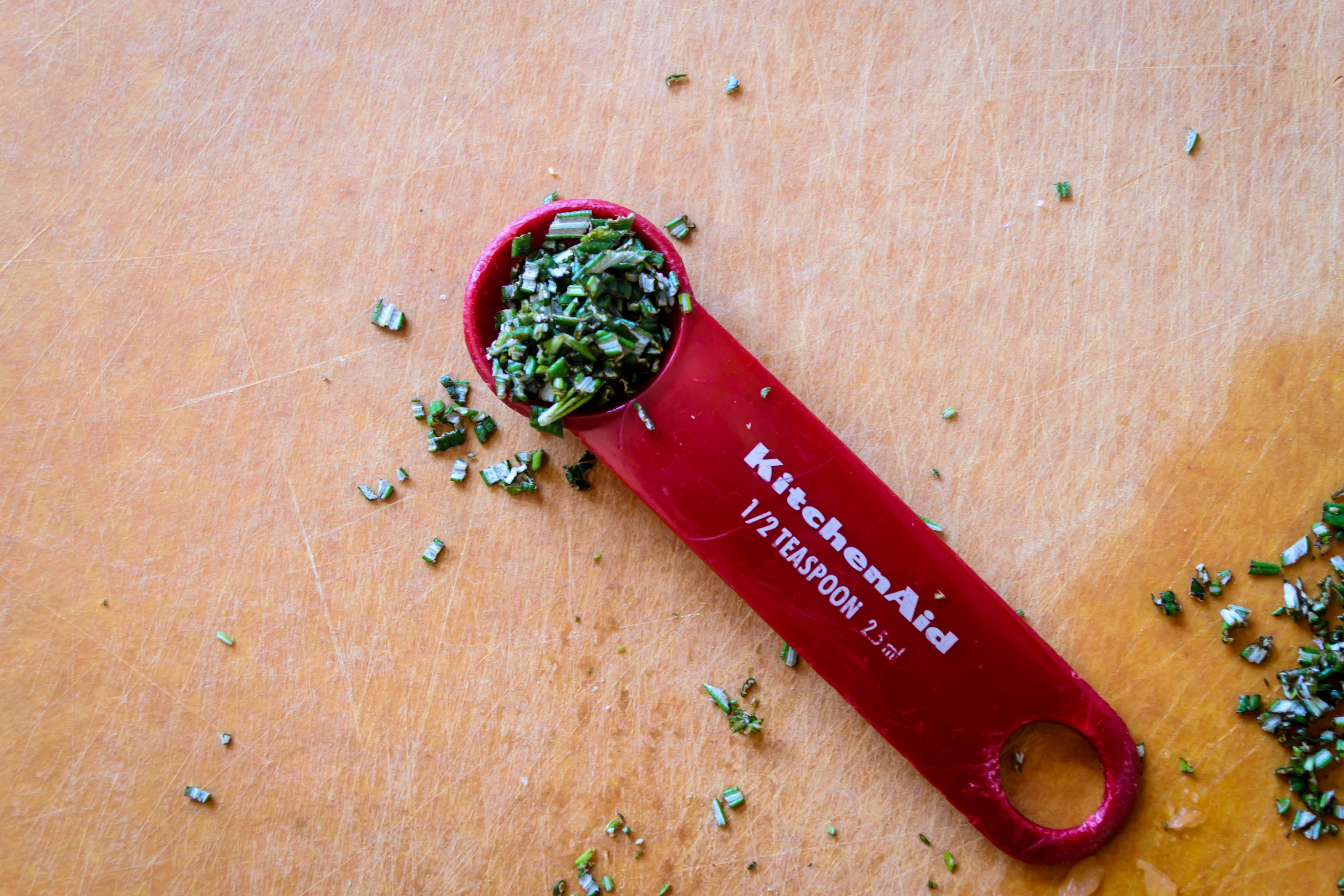
1 tsp finely chopped fresh rosemary
4 oz. whipped cream cheese, at room temperature (if you can’t find whipped cream cheese, use regular, but take an electric mixer to it for a minute or two on medium speed before you start combining things – it will mix more willingly and produce a nicer texture in the final product)
2 TB sour cream (I use full fat because I think the flavor and texture is better.  It’s such a little bit.  Treat yourself.)


  • Melt the butter over low heat in a small skillet.  When it has liquified, add the onions, salt, and pepper.
  • Caramelize the onions by cooking them over low to medium-low heat for 15-20 minutes.  If they sizzle aggressively or seem to be burning, turn the heat down and agitate the pan.  You want the onions to get tender and golden slowly.  This will enhance their sweetness.
  • When the onions are evenly caramel in color and sweet to taste, turn off the heat, add the chopped rosemary, and let the mixture cool to room temperature.
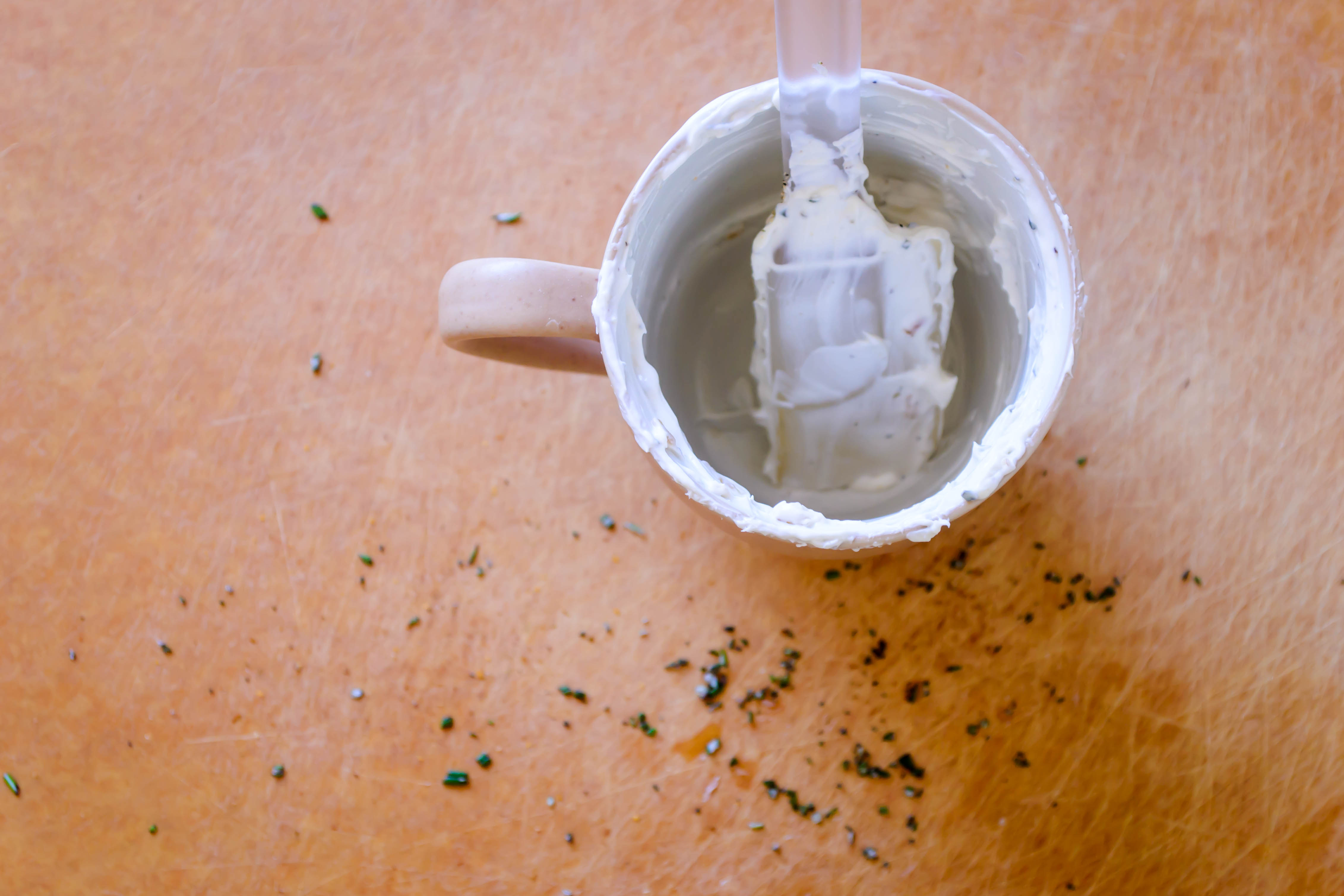
  • With a spatula, combine the cream cheese, sour cream, and cooled onion mixture in a small serving bowl.  Refrigerate for 30 minutes, if you can stand it, to let the flavors meld.
  • Serve cold or at room temperature with sweet potato chips, pita chips, crudités, or crostini.


Warm lentil and kale salad

I don’t know about you, but when I get home from vacation I feel at once heavier and lighter.  Lighter, because the toil of dragging overnight bags jammed with clothes, a laptop, a camera bag, two backpacks, a cooler, a sun hat, hiking boots, a satchel bristling with electronics, a grocery sack full of road snacks, a suit bag of dress clothes for a wedding, another satchel, this one loaded with supplies spanning the randomness quotient from shampoo to a day-planner (seriously, how can we have this much stuff???), and the leash of a dog intent on smelling every single thing she’s never smelled before from parking lot to hotel room to parking lot every other night is finally over.

Food Blog August 2013-2458Heavier, because even though I didn’t cook much, I sure ate a lot.  Plus, there’s that whole emotional withdrawal from the glory of vacation, but mostly I’m just shallow enough to be talking about my waistline.

In any case, upon our return from a trip we typically plan out a few particularly virtuous meals to combat the quantity of food we consumed, and the dubious quality of some of those choices – road food is always, alas, simultaneously necessary and a bit specious (take, for example, the Milky Way I bought at a gas station in Coos Bay to help myself stay away for the remainder of the drive to Brookings, which turned out to be open on one side.  I threw it away.  And then I almost cried).  Simple rice and steamed broccoli is one of our go-to homecoming meals.  Whatever can be scraped together from the garden and eaten with a light dressing and curls of Parmesan cheese is another.

But now we have a third, which might also become a side for roast chicken, a working lunch, or a base for seared tuna or poached salmon: a warm salad of lentils, tossed with lightly blanched kale, briny kalamata olives, and the tang of feta cheese.

Food Blog August 2013-2450A few days after our return, with pantry and fridge freshly stocked, I considered my starch choices.  We eat a good bit of pasta and a fair amount of rice, but our consumption of legumes and pulses is way below par.  This had to change.  I picked out a bag of green lentils that had slowly been pushed to the back of the shelf as new and more exciting boxes were set in front of it.

Lentils are great for us.  They are packed with fiber and protein and folate, which all make them filling as well as nutritious.  But like most dried beans, on their own they just aren’t very exciting.  They call for additional flavors and textures: chilies or acid or salt, crunch or freshness.  Herby sharpness.  Crumbly cheese.  A dance of textures.  You see where this is going.

Food Blog August 2013-2453To give them as much of a fighting chance at flavor as possible, I sautéed some onions and garlic before tumbling in lentils, water, a lone bay leaf, and a bracing hit of red wine vinegar.  “And salt,” you’re surely crying, but no!  Salt should be added to lentils only near the end of cooking.  It can toughen them if you add it right away.  I’ve also read that acidic ingredients – like the red wine vinegar I used – can contribute to this toughness, but I didn’t notice any particularly virulent refusal to soften, so I wouldn’t worry too much about it.

You want your lentils to be fully cooked – that is, not crunchy – but to still retain a bit of texture.  They should soften but not fall apart into mush – taste a few to be sure they have achieved the level of tenderness you like, but be sure to do a good sampling – five or six – as isolated beans can cook at different rates.

Food Blog August 2013-2459Once done, add salt to taste, let them cool a bit, and then the magic happens, and it’s such easy magic, it’s worth doing any night of the week.  Torn pieces of blanched kale, cubes of feta, and halved kalamata olives.  A drizzle of olive oil if you think it’s on the dry side.   Faced with this combination – salty, chewy, crisp and fresh and soft – we scooped spoonful after spoonful, and ended up eating most of the pot.  So much for virtue.

Food Blog August 2013-2460

Warm lentil and kale salad with olives and feta
Serves 4-6 as a side, 2-4 as a main lunch dish
½ cup diced onion
2-4 cloves garlic, minced fine
1 TB olive oil
1 cup small green lentils, picked through and rinsed
2 ¼ cups water, vegetable, or chicken broth
2 TB red wine vinegar
1 bay leaf
1 tsp salt (or to taste)
4 packed cups chopped kale, tough stems removed
½ cup kalamata olives, halved (or to taste)
½ cup crumbled feta (or to taste)
Additional splash of olive oil (optional)
  • Heat the 1 TB olive oil in a medium pot over medium heat.  Add the onions and garlic and sweat them gently for 3-5 minutes, until the onion pieces are translucent but not vigorously browned.
  • Add the lentils, water or broth, red wine vinegar, and bay leaf, but not the salt.  Salt added at the beginning of cooking can toughen the lentils.  We’ll wait to season them until they have cooked.
  • Turn up the heat and bring the pot to a boil, then reduce the heat to simmer the mixture for 35-40 minutes.
  • After 35-40 minutes, the lentils will have sucked up most of the liquid in the pot and they will be tender but not mushy.  You want a slight bite of resistance to remain.  Add the salt, stir well, and then pour out the pot into a colander or strainer to drain off any remaining liquid.  Pick out the bay leaf so there aren’t any unwelcome surprises later.  Set the colander of lentils aside to cool.
  • Meanwhile (if you are proactive, or in the same pot you just used, if you are lazy like me), bring a pot of salted water to a boil.  Add the 4 cups of kale and cook for 1-2 minutes, until the leaves are intensely green and barely tender.  Drain the kale into the same colander as the lentils.  Cool until just warm, or completely to room temperature as desired.
  • While kale and lentils are cooling, halve your olives and crumble your feta.
  • When the lentils and kale have reached your desired temperature, add the olives and feta and toss to combine.  If the salad seems dry, add a splash of olive oil to moisten things up a bit.
  • Serve slightly warm or at room temperature.

Salt

Sometimes, when you are on a two-and-a-half-week-vacation-road-trip, you don’t cook anything.  Go figure.  And then when you get home, and you want to get something up onto your own little space on the internet for your own little community of new friends and virtual friends and “hey, I even know some of you in real life!” friends, you don’t have a new recipe to share with them.  So because I bummed around the Pacific Northwest last week, digging my toes in the beach and trying not to sob with joy at the most beautiful wedding I’ve ever attended and gorging myself on everything I’ve missed from the restaurants and bars I used to frequent during graduate school, I considered what food might sum up my vacation activities, and hit upon salt.  The Pacific and the Puget Sound, my brimming tears, savory car snacks, and a visit with one of my most devoted salt fiend friends (more on that in a few…), and plain old sodium seems like the right choice to talk about today.

Food Blog June 2013-1521That’s right; I’m going to talk about salt.  This might seem like the plainest of the plain, the ever so banal, and maybe it is.  But aside from being a perfect food item to represent my vacation, salt is really important.  Before refrigeration, salt was one of the surest bets for preserving food.  Salt, vinegar, and sugar could keep your food from spoiling for some time, and though sugar is a recent and expensive addition to this preservation party, salt and vinegar are ancient methods, often used together, as we see in the case of pickles and sauerkraut, among others.  Salt has been used as a burial offering, it has been taxed, it has been smuggled and ground and flaked and sprinkled and immortalized in verse.  Its history is interwoven with crime and slavery and back-breaking work and colonization and maybe even heart disease.  It has killed, it can kill, but it also keeps us alive.  Michael Ruhlman has written a much more impassioned defense of this funny little crystal than I could, but just trust me when I say that we really shouldn’t, and even couldn’t, do without it.

(And, on a much less serious note: if you get home from a party… like, say, a moving and beautiful wedding during which you danced so hard you might have destroyed your shoes, and smiled so much your face hurt for two days afterwards, and you realize that you might have drunk enough that you’re going to be sorry about it in the morning, take a teaspoon or so of salt with a glass or two of water and a couple of Ibuprofen, and you’re all but guaranteed to feel pretty dandy the next morning.  My friend A. calls it the Salt Lick, and it totally works.)

But as essential as salt is, and as ubiquitous, it’s far from singular.  As it turns out, I have four different kinds of salt in my kitchen right now.  And unlike the depths of the poultry seasoning collection, I use them all.

Food Blog June 2013-1523First, let’s talk Maldon sea salt, my favorite finishing salt of all time.  That’s the top right corner, if you’re following along with the visual.  It’s flaky and crunchy and crusty, and tastes like the ocean dried on your lips.  It is beautiful with caramel, or on top of biscuits, or sprinkled over a still warm chocolate chip cookie (this might sound weird, if you’re not a sweet-and-salty devotee, but just try it.  You’ll be glad you did).

Top left is coarse sea salt, which I mainly funnel sloppily into my salt grinder, to use when a dish needs some last minute seasoning, or when we have guests and I want to look all fancy by putting salt and pepper on the table.

Of course I’ve got good old table salt, in that pile in the bottom left.  You know, with the little metal spout that squeals when you open and close it?  I use this mainly when I’m following recipes.  Since salt comes it a lot of different sized crystals, measurements actually will be different depending on what kind you are using.  Most call for the simple, relatively fine grind of table salt.

Finally, there’s my newest love, here in the bottom right: gray sea salt.  This is in larger, chunkier crystals than the Maldon, and is a harder crunch because it’s less flaky.  It clings together almost like damp sand, which I like because it reminds me of the ocean it came from.  The gray color is from mineral content, which I like because it makes me feel like it’s somehow really good for me.  I use this in bread dough and pizza dough – it seems less salty than regular table salt (it’s not, though – they are just unrefined crystals that, when processed a bit, become plain old Morton), and though most of it breaks down during the rising and cooking, some tenacious crystals do hold up, which means the occasional treat of a crunchy, salty bite.

Food Blog June 2013-1525There are many more that I don’t stock or have never even tried – pink Himalayan salt, black lava salt, rock salt, good old Kosher salt, the strange and possibly blasphemous popcorn and butter flavored salts, the odd herbed salts, garlic salt and celery salt and smoked salt.  And in lieu of a real recipe, I’d like to offer you a little bit of awesome that you will be hardpressed to believe is really a coincidence.

Food Blog August 2013-2428Let me explain.  When we arrived in Seaside, OR, the final leg of our massive road trip, I already had this post drafted.  Promise.  I had known for almost a week that I was going to talk about salt.  I even had a bit of something in lieu of a recipe to present.  But upon our arrival, our friend Taylor (the aforementioned salt fiend, who is also a guest contributor on the smart, feminist media and pop culture blog Girls Like Giants and co-writer of a Project Runway review column on Simply Showbiz, masquerading under the pseudonym Andy Others) blew all that out of the water when she presented us with a little hostess gift: a jar of garlic herb salt.  What could be more perfect?  So I asked her to do a little guest post here to share how she made this sweet little jar that smells at once like the ocean and the best garlic bread you’ve ever tasted.

Food Blog August 2013-2429“I was driving home from grocery shopping and listening to the ever-genteel ‘Splendid Table‘ on the car radio. Lynn was talking to a woman named Sally Schneider, and together they told me that I have been wasting my money for years. You see, I am a sucker for flavored salts. Truffle salt and tomato salt are my all-time favorites, but anyone can make me happy by giving me salt combined with something, especially if part of that something is garlic. But Lynn and Sally showed me the truth! You don’t have to spend your own money on this. Salt is actually so amazing that it does the work for you. Let me say that again: the salt does the work for you. Salt! Is there nothing it cannot improve?

A mini-vacation with old friends was fast approaching, so I thought, what better way to welcome and thank them than with a homemade salt of my own? Plus I could show off how competently I grow herbs, which is always a bonus. I love appearing competent.

Food Blog August 2013-2432Sally Schneider told Lynn about the simple pleasure of making this salt by hand, but I chose to let competence merge with laziness instead. It could not have been easier. I peeled about 8 cloves of garlic (more than the recipe called for, but garlic is one of my great loves). I put them in the belly of my food processor with about 2 tablespoons of kosher salt. I pulsed until the garlic was mostly chopped. Then I added a tablespoon of culinary lavender flowers, about a cup of sage leaves, and about a cup of rosemary, stripped from its stem. (I thought about adding lemon zest, but I decided not to overdose on too many flavors… this time.) I pulsed and pulsed until the mixture became a coarse, slightly damp sand. Next I dumped that “sand” onto a baking sheet and mixed it up with about another ¾ cup of salt. I measured by color more than by quantity; I know how much herb I like in an herb salt, so I aimed for an even green distribution. Finally, I set the baking sheet on the filing cabinet by my kitchen window and just let it sit for two days. The salt dehydrates the garlic and herbs for you, while filling your kitchen with the smell of totally effortless deliciousness. Some people think it will be good on roast chicken; I say popcorn. Now what will people get me for my birthday?”

To good friends!  To vacation!  To salt.