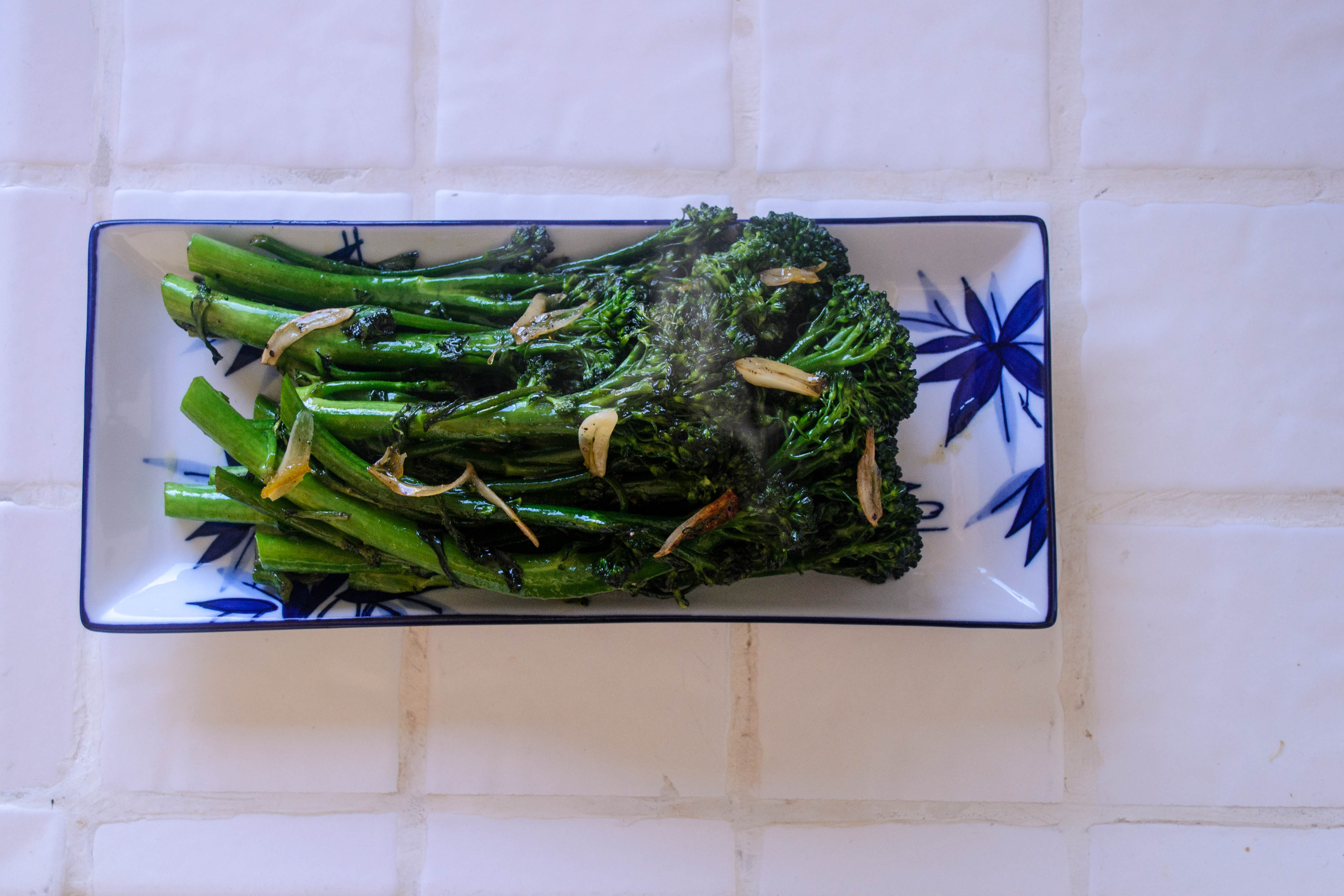
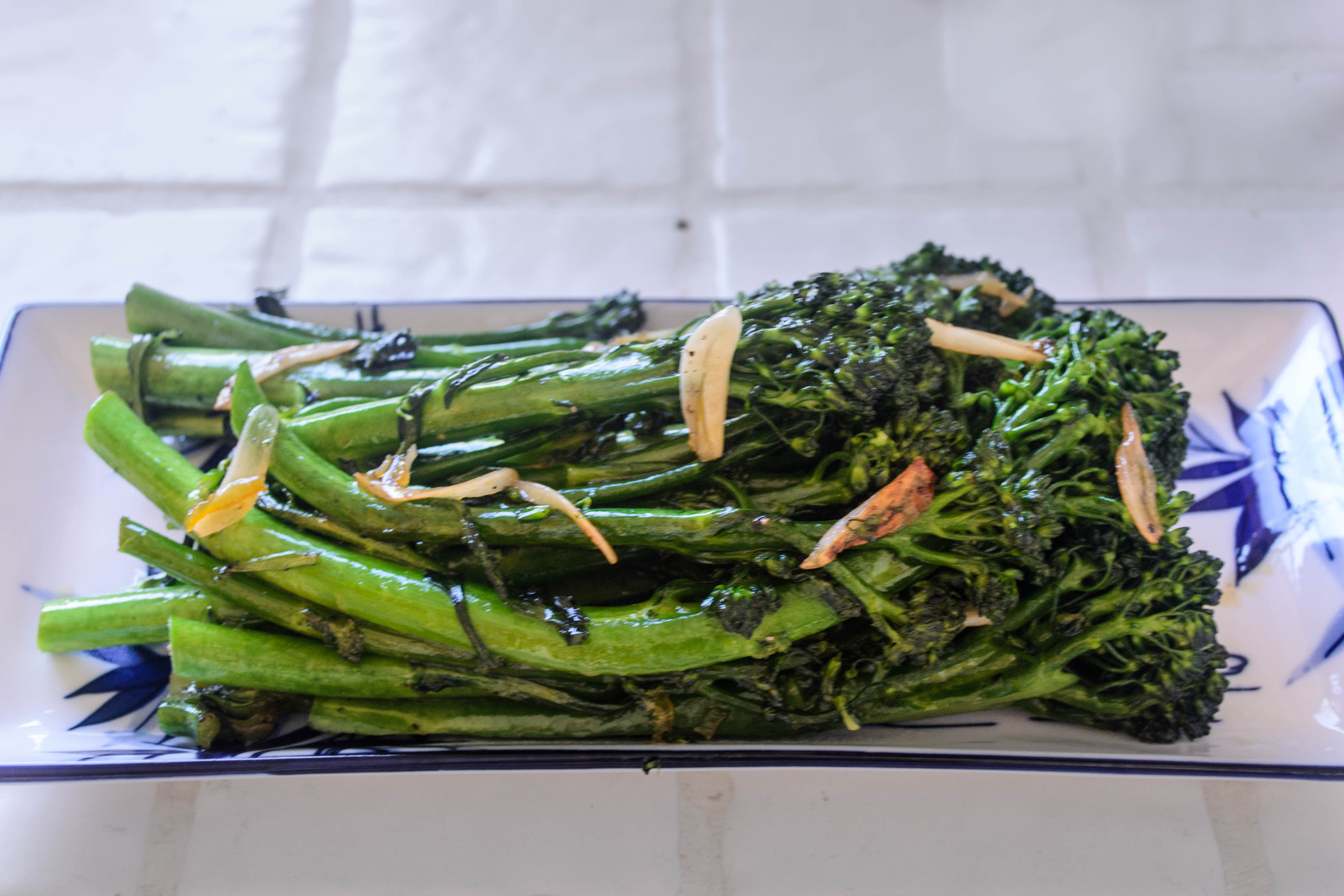
Orange glazed broccolini

Food Blog December 2013-2882As I lounged on the couch Friday evening, halfheartedly sketching out a grocery list even as Thanksgiving dinner still occupied two thirds of my fridge and three quarters of my brain (let’s not even mention my stomach), I asked N. what he wanted to eat this week. “Heavy on the veg,” he said, and that was that. Into the cart, and then into a pan, went all the greens I could fit, with some salt, some pepper, and some sesame oil. On a whim, thin slices of garlic and a cautious tablespoon of orange marmalade followed, and the gluttony that resulted could more kindly be called love.

Food Blog December 2013-2874This recipe was originally conceived for broccoli rabe (also called rapini), that assertive, bitter collection of leaves with stubby little florets dotted between them. But this week my produce department didn’t have any, so I settled for broccolini instead. If we’re honest, though, it would probably also be fantastic with kale, or mustard greens, or regular old broccoli. Why leave him out?

Food Blog December 2013-2876The point is, the bitterness of the vegetable plays incredibly well with the marmalade which, with its bits of orange rind, at once offsets but also complements the bitterness of the greens. The greens are lightly blanched which, for me, just means throwing them into a pot of heavily salted boiling water for something like 90 seconds, then draining, administering a stern flick to bounce extra water out of the florets, and tumbling into a skillet shimmering with a film of olive and sesame oil. The greens sauté for another minute or two, the garlic, tossed in with abandon, crisps into little chips, and the orange marmalade melts down over the whole thing in a jammy glaze studded with bits of rind, and you’re done. Once you start cooking, the whole thing takes maybe six minutes, and then you can eat the entire pan and call it lunch. Or, you know, share it with your family, because I would never do something like eating a whole skillet of barely sweet, crisp and garlicky vegetables without telling anyone…

Food Blog December 2013-2879Variations: you could certainly adjust this dish to suit your whims. The marmalade could be lemon instead of orange, and red pepper flakes or even a dash of soy sauce would not feel out of place here. A scattering of lightly toasted sesame seeds over the finished dish would be lovely as well.


Orange glazed broccolini
Serves 2-3 as a side
2 bunches broccolini (or 1 large bunch of broccoli rabe or kale, or 1 large head of broccoli)
1 tablespoon olive oil
1 teaspoon sesame oil
3 cloves garlic, sliced paper thin
¼ teaspoon each salt and pepper, or to taste
1 scant tablespoon orange marmalade


  • Bring a pan of salted water to a rolling boil. While you wait for it to heat, prepare your broccolini: rinse the bundle and then trim off the bottom ½ inch or so of the stalk. If the stalk is ½ an inch or more in diameter, halve it lengthwise for easier consumption. Submerge in the boiling water for about 90 seconds, until the florets and stems are intensely green and just barely tender. Drain well.
  • Heat the olive and sesame oils in a large skillet over medium high heat. Toss in the broccolini and agitate the pan to coat it evenly. Add salt and pepper to taste, and sauté, tossing frequently, for 2-3 minutes.
  • Add the garlic and sauté one additional minute, until the little slices begin to brown and crisp a bit. Then add the orange marmalade and toss well to coat. As soon as it melts and glazes the vegetables, it’s done. Remove from the heat and serve immediately.

Chipotle and Cinnamon Sweet Potato Soufflés

I realize it might be a bit late for me to convince you, at this point, to make significant changes to your Thanksgiving menu.  If you are anything like me, you’ve had the whole meal planned out for several weeks now, including possibly which serving dishes you’ll be using for which dish (speaking of which, have you seen this?).

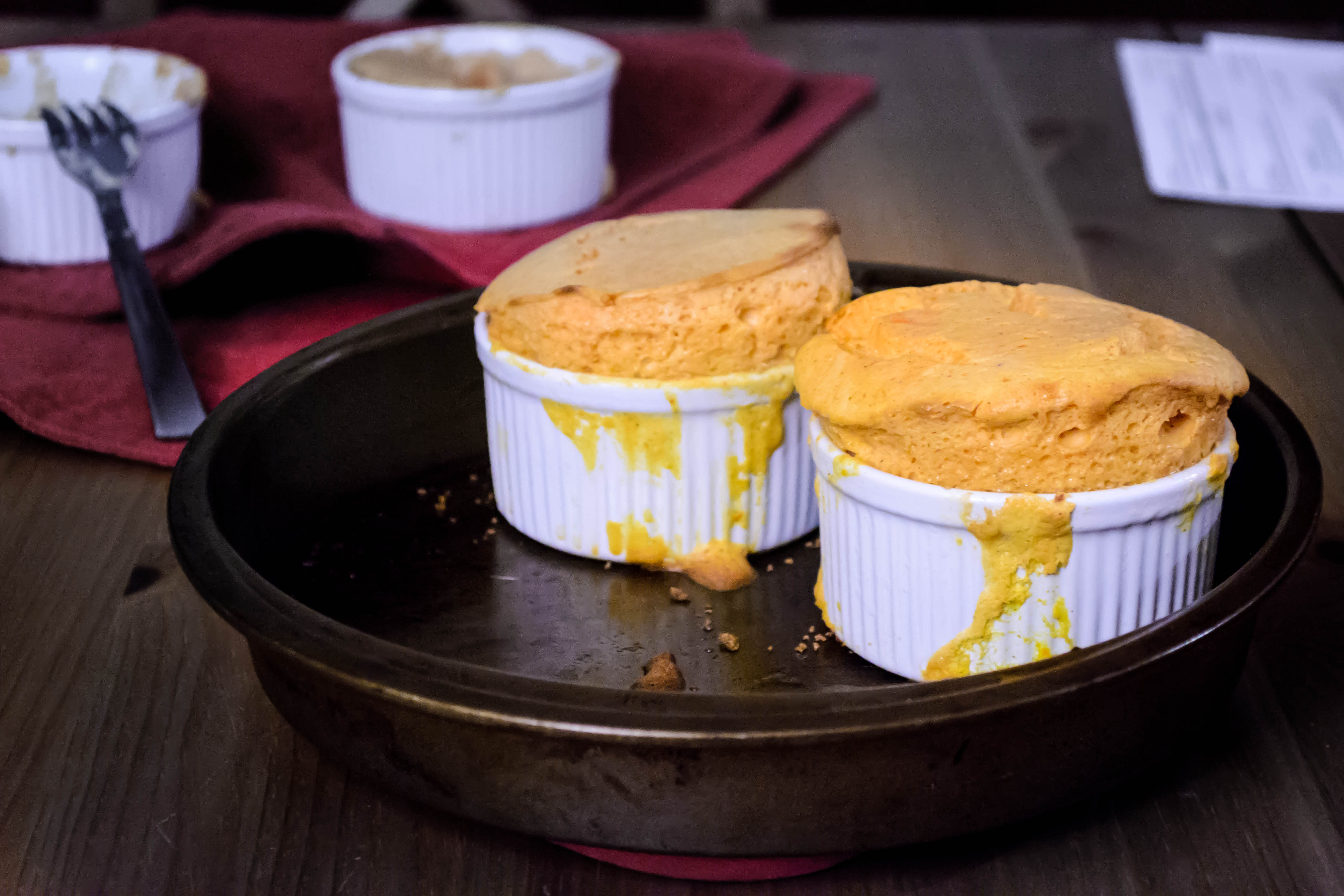
But if you are undecided, or if you still aren’t sure what you are doing with sweet potatoes, may I make a humble suggestion?  Put down the marshmallows.  Okay, give them one final squeeze and then put them down.  You don’t need that stuff.  Instead, may I offer you the promise of spiced velvet? Puffy, smooth, decadent-but-light velvet, spicy and sweet, rising up from its dish like some gravity-defying magic trick.

Food Blog November 2013-2841Yes, I’m talking about soufflé

Food Blog November 2013-2843I know, I know. Just want you want to worry about on one of the biggest food days of the year is the notoriously fussy, egg white driven glorious strangeness that is soufflé. You don’t want to worry about whisking, or folding, or, heaven forbid, fallen puffs that are competing with the turkey for oven space anyway.
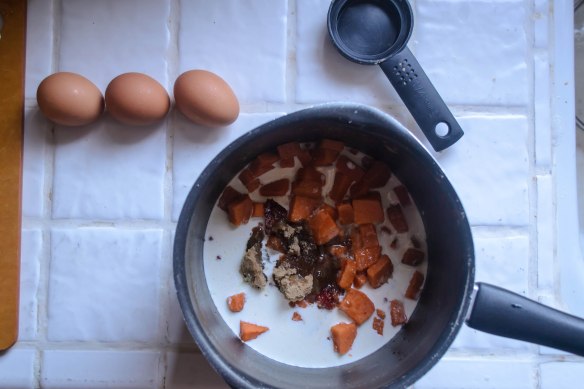
Food Blog November 2013-2818But as it turns out, at least in my experience, soufflé isn’t really that hard if you are a tiny bit patient and a tiny bit brave. And this one, with the beautiful pumpkin color of the sweet potatoes mellowed and enriched with heavy cream, brown sugar, and cinnamon, and lent a bit of extra pizzazz from a sparing dose of chipotle pepper and a fizz of lime juice, is a delightful choice. The base, lightened with three egg whites, climbs determinedly into large mushrooming domes, and the mixture conveniently uses three egg yolks as well, so you aren’t left with any extra yolks hanging around (though if you are, this is a great resource).

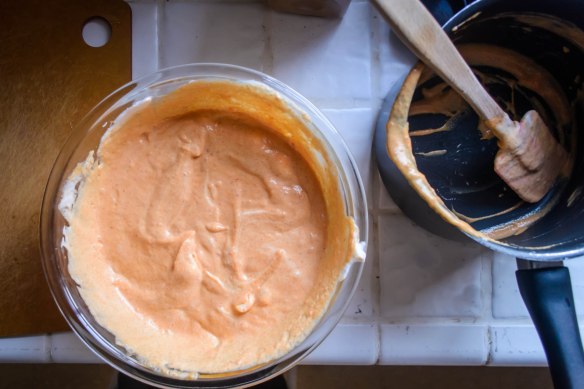
Food Blog November 2013-2819Food Blog November 2013-2821The thing about soufflés is, they depend on the expansion power of aerated egg whites. That’s what you are doing when you beat them to soft or even medium peaks: filling them with air. Bubbles form and stabilize, and so long as you aren’t too rough with them, they continue to expand in the oven, creating that otherwordly dome of perfect, velvety lightness. This is why soufflé recipes are so fussy about being sure you fold the whites into the flavor base: you don’t want to deflate them. This tutorial gives some helpful suggestions about this process, if you need a refresher or you’ve never been sure. And even that thing about not opening the oven door lest they collapse mid-bake is an exaggeration; though you don’t want to be swinging open and slamming shut the door every five minutes, I tentatively peeked inside once during my baking process, and no holiday-destroying collapse resulted.

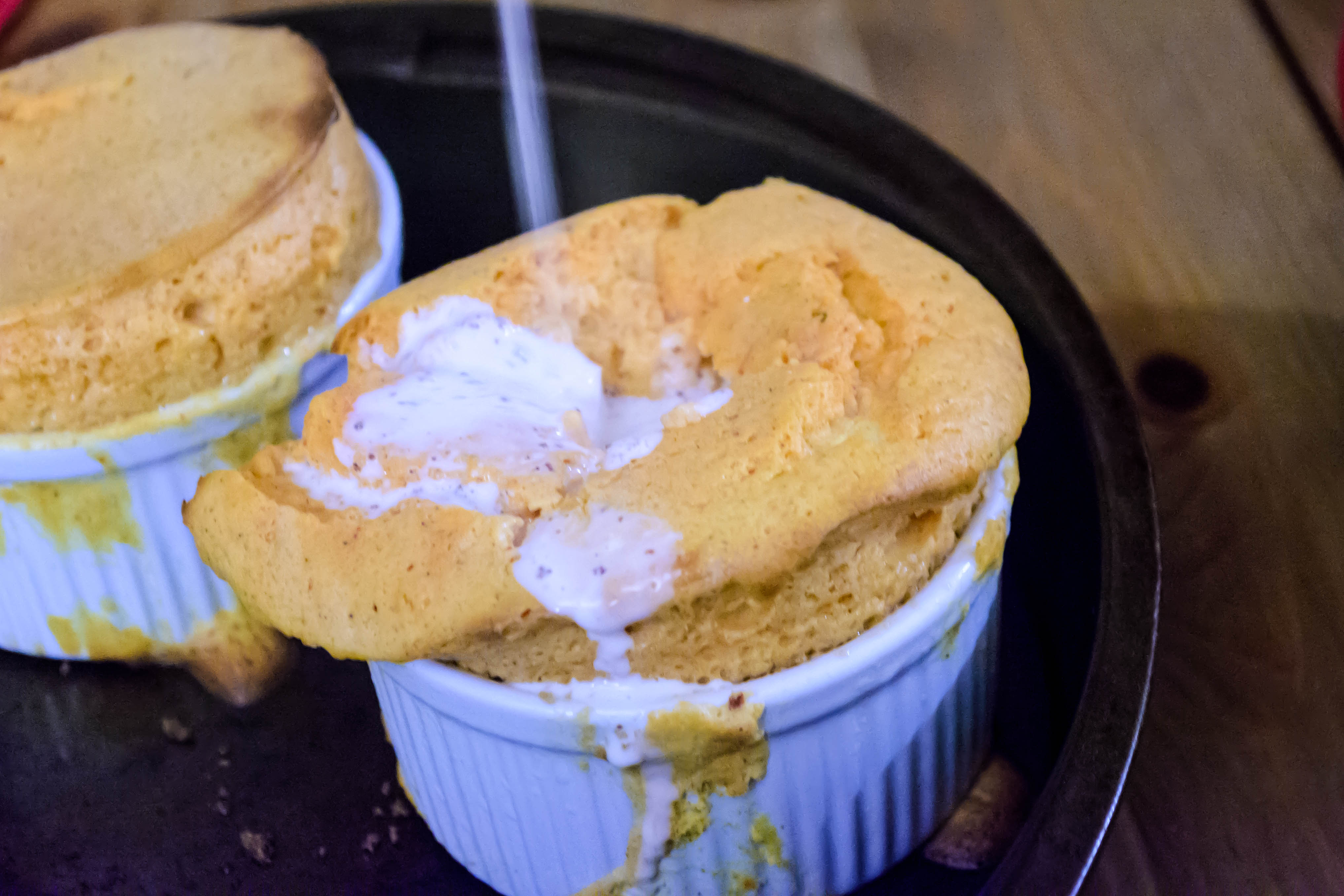
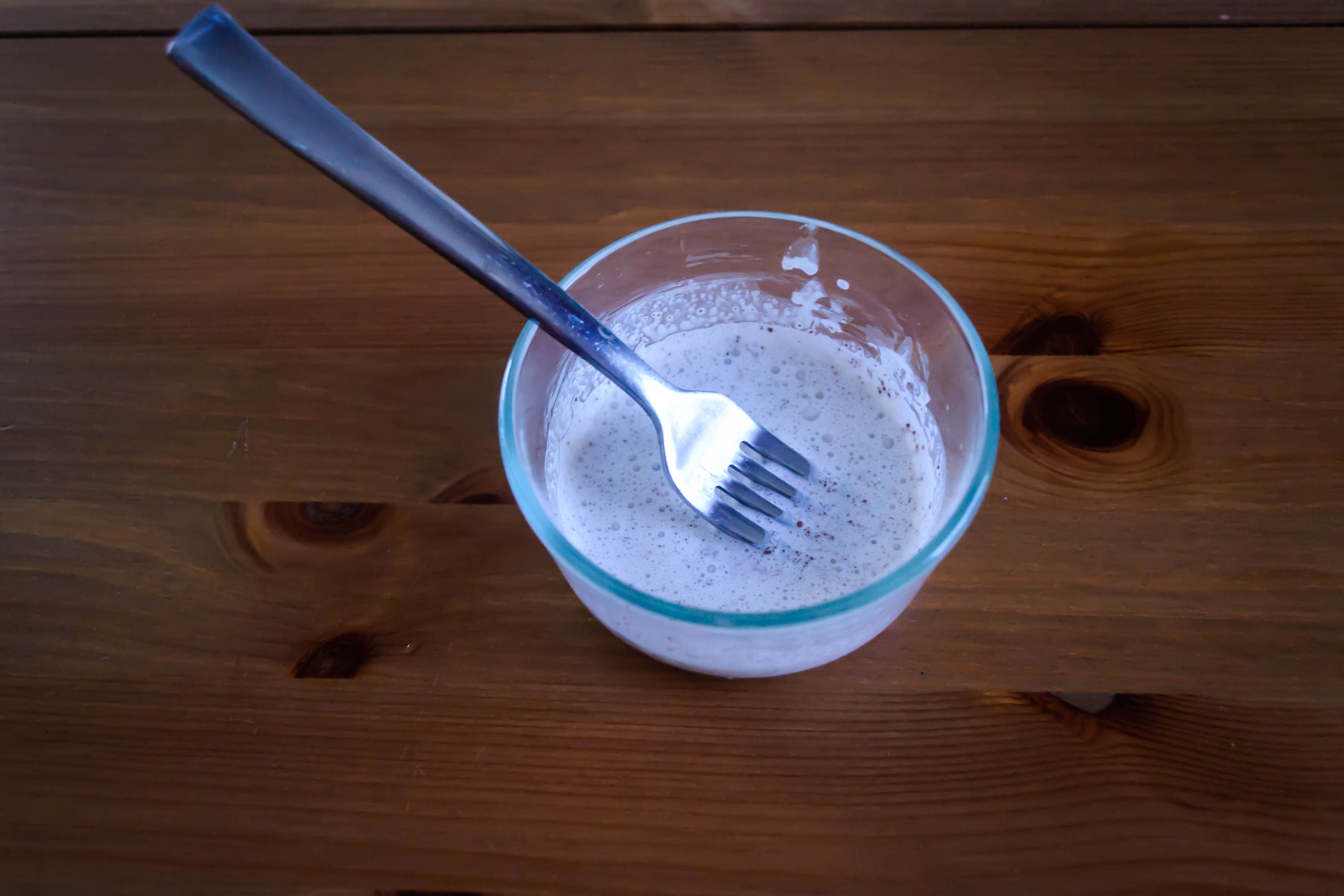
Food Blog November 2013-2825When you dig tentatively into these delicate, reality-bending puffs, they sigh and fold inward just a touch, the dry, slightly meringue toasted tops crease slightly, and you are free to dig out piping hot, fluffy forkfuls and jam them into your mouth with no further ceremony. Or, if you feel fancy (or if you have more than one gravy boat and you’re dying to take multiples for a spin), make some cinnamon cream to drizzle over the top: whisk about ½ teaspoon of cinnamon into a ½ cup or so of heavy cream (estimate 2 tablespoons of cream per diner), and you’ve got a simple and luscious sauce to add to your fluffy masterpieces. This also cools the heat, if you have diners with delicate tongues or you’ve gone a little heavy on the chipotle.

Food Blog November 2013-2827Soufflés may sound scary, and you may think Thanksgiving is no time to experiment, but I’ve got faith. I think you can do it. And when your mother-in-law, or your best friend, or your fussy aunt looks impressed, you can lie and say it was really hard but you’re so glad it came together as beautifully as it did. I won’t tell a soul. You can save the marshmallows for some hot cocoa, where they belong.

Food Blog November 2013-2839* Alternatives: if you don’t like spicy, take out the chipotle and add a few generous grinds of black pepper instead.  If you want this for dessert, add an extra 2 tablespoons of sugar to the souffle base itself, and maybe a teaspoon of vanilla, and top the baked soufflés with a sweeter version of the cinnamon cream referenced above: 1/2 cup heavy cream (estimate about 2 tablespoons per person), 1/2 tsp cinnamon, 2 teaspoons sugar, lightly, lightly whipped until only just barely thickened. If you want to booze it up, add a tablespoon or two of rum or bourbon.

If soufflé is just not going to happen but you still want marshmallow-free sweet potatoes, may I humbly suggest this as another option?

Food Blog November 2013-2831

Cinnamon and Chipotle Sweet Potato Soufflé
Hugely adapted from Cooking Light
Makes 6 servings
2 tablespoons butter, for ramekins
2 tablespoons brown sugar, for ramekins
2 cups sweet potato cubes, from 1 large peeled, orange-fleshed sweet potato
½ cup heavy cream
¼ cup brown sugar
2 teaspoons lime juice
½ a chipotle pepper from a can of chipotles in adobo (or more, if you like it spicy)
½ teaspoon salt
½ teaspoon cinnamon
3 egg yolks
3 egg whites
¼ teaspoon cream of tartar


  • Preheat the oven to 375F.
  • Butter and sugar six single-serving ramekins (mine fit a little more than ½ a cup), then stow in the freezer. The sugar sanding creates texture to help the soufflé climb the walls of the container, and freezing it makes it take longer to dissolve in the heat of the oven, so you’re giving your puff a head start.
  • Drop your peeled sweet potato cubes in boiling salted water and cook until they are very tender but not yet falling apart. Drain and set aside to cool.
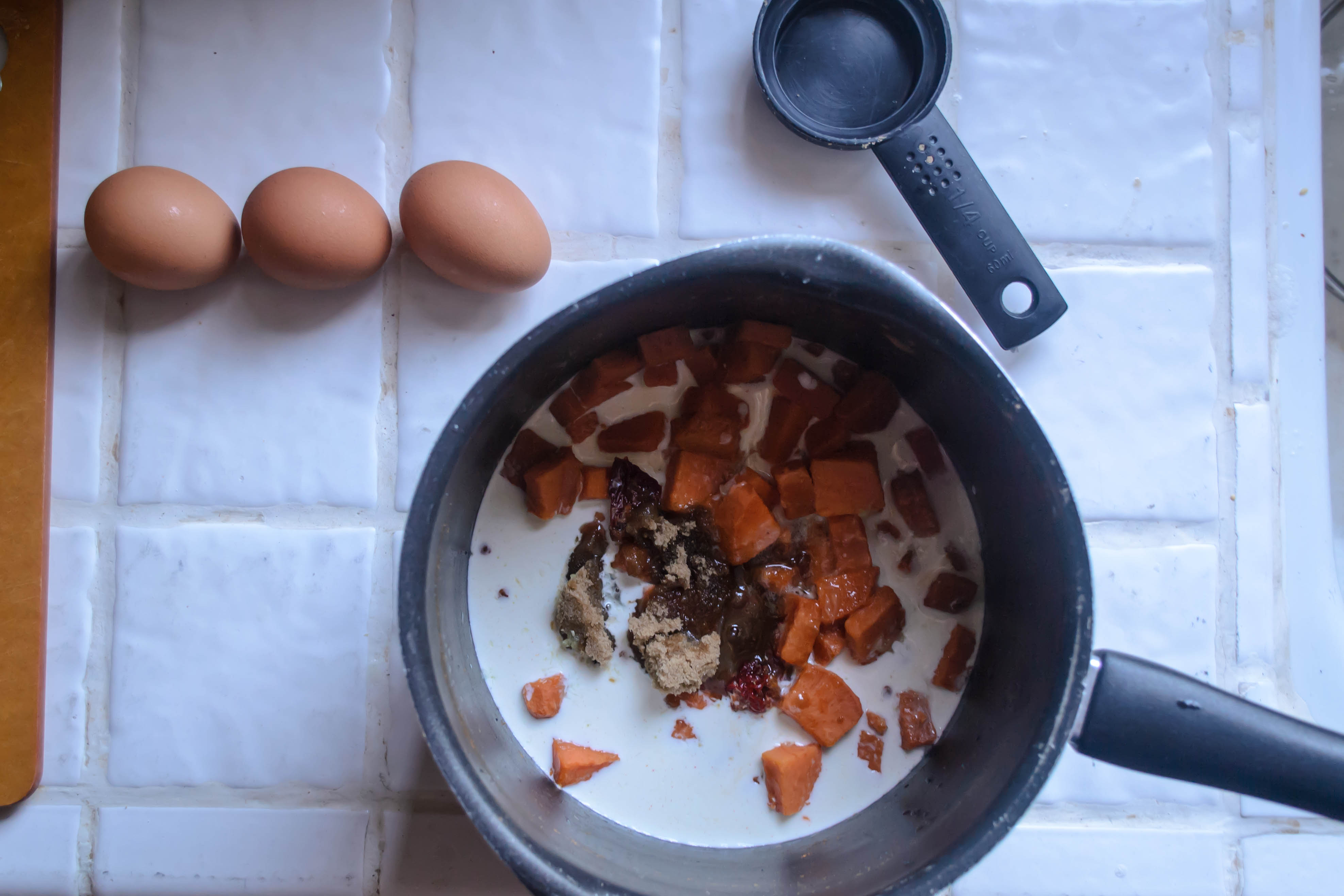
  • In a large bowl (or the same pot you used to cook the sweet potatoes), combine the heavy cream, ¼ cup brown sugar, lime juice, chipotle pepper, salt, and cinnamon. Add the sweet potato cubes and mash, whisk, or otherwise blend into a smooth, thick soup. I used my immersion blender, which worked very well. You could also use a regular blender or a food processor. The key here is that you want a scrupulously smooth mixture.
  • Separate the three eggs, dropping the whites into a clean, dry, medium mixing bowl and the yolks into the sweet potato mixture. Take care not to get even a trace of yolk into the whites, or they will not whip into peaks. Whisk or blend the yolks into the sweet potato mixture until no streaks of yellow remain.
  • Add the cream of tartar to the egg whites. Using a handheld electric mixture (or a whisk, if you need to work on your arms), beat the whites at first over medium, then high speed until medium peaks form. The whites will foam, and then become pure white, and finally begin to stiffen like a good whipped cream. To determine the stiffness of your peaks, turn off the beaters and lift them straight out of the whites. If you get little hills that collapse back into the mixture, you have soft peaks. If you get little tips that fold over just a bit when you pull the beaters away, you are looking at medium to stiff peaks, which is what we want.
  • Using a rubber spatula, deposit ⅓ of your whites into the sweet potato and egg yolk mixture and stir until no white streaks remain. No need to be careful with this part – full integration is just fine.
  • Now, slide the other 2/3 of the whites into the sweet potato mixture and fold in gently until just combined – some white streaks may remain and that’s fine. I like to fold by drawing my spatula around the edge of the bowl in a horseshoe shape, then pulling it back toward me in a straight line.
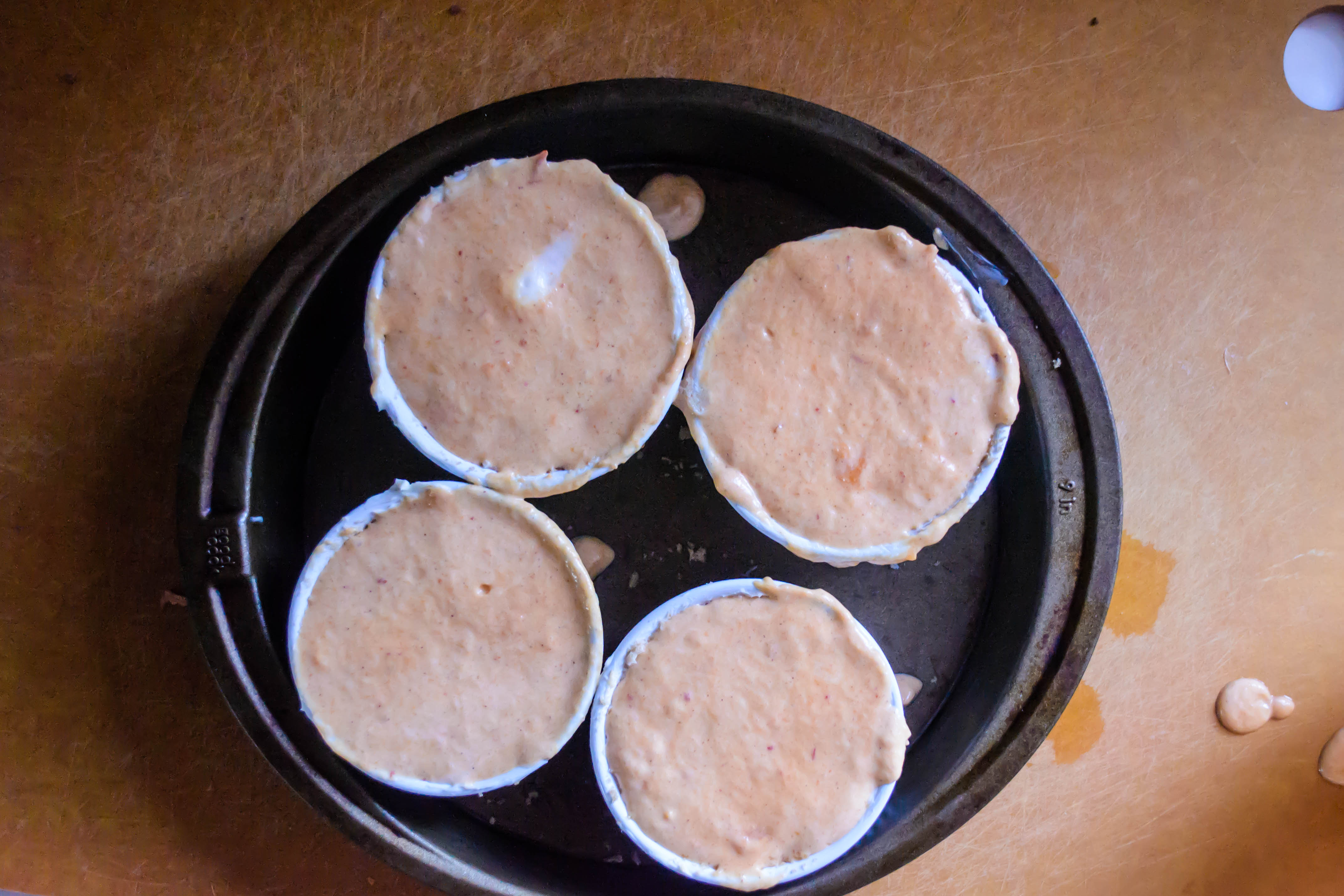
  • Retrieve your frozen ramekins and fill each with the soufflé mixture, being careful not to let it plop from too high (in case of deflation). When each cup is full, smooth off the top – this seems fussy, but it will aid in even rising.
  • Bake in a preheated 375F oven for 25-30 minutes, until the soufflés have puffed up at least an inch or two above the top rim of the ramekins. Nearly half an hour seems like a long time, and indeed, I was worried mine were overcooked because some of the edges took on a toasty golden color, but I found this contributed a delightful flavor, and was reminiscent of a perfect campfire marshmallow.
  • Serve immediately, plain or topped with cinnamon cream.
Beer Batter Waffles with Bourbon Caramel Sauce

It’s getting dark.

I told N., as he stood over the sink sampling a triangle of hot waffle and I finagled my plate of stacked waffle pieces around the counter searching for more light, any light, that I’m going to have to start making blog-worthy meals as weekend lunches. He shrugged, swallowed, and reached for another piece of waffle. I don’t think he’s averse to this idea.

Food Blog November 2013-2756The cat-like, dozy, quilt-loving part of me worships autumn’s time change day. An extra hour of sleep, waking to find it light out but there’s still plenty of time for grading chores whatever (but if we’re honest, probably grading), and the following few blissful weekdays when getting up at 6am doesn’t feel like masochism. But the blogger in me dreads its coming. Most of what I post here – the savory stuff, anyway – is planned and eaten as our evening meal. Amidst getting home from work, walking the dog, and catching up with each other, by the time I start cooking I’m chasing daylight. When we turn back the clocks and darkness creeps ever earlier, the little amateur photographer in me wails with despair. The light! Where is the light?! It’s a cruel trick, made crueler by the enjoyment the non-blog-obsessed part of me reaps from it.

Food Blog November 2013-2740Speaking of tricks, let’s talk Halloween. What did you do? Who (or what) did you dress as? We did not have a single trick-or-treater, which devastated me, but delighted my students, who received the candy I didn’t give out (or eat myself, but who’s counting?). To fill my costume yen, I had to turn to Facebook stalking, and my easy favorite was a former colleague’s daughter, who dressed as a jellyfish. They fitted a clear plastic umbrella with a jumble of LED lights, and she wore a frilly tutu and held the umbrella over her head to emulate those weird, beautiful, alien creatures. Genius.

Food Blog November 2013-2736On the treats front, aside from the Almond Joys I compulsively scarfed as the afternoon went on (reminding myself they were “fun size” totally assuages my guilt), I decided Halloween dinner should be special. A few months ago we gorged ourselves on beer batter waffles during an unexpected brunch at a little cerveteca in Venice and were delighted by the incredible yeasty flavor. I decided this was the night to do some recreating.

Food Blog November 2013-2743I started with a recipe for maple bacon yeast waffles in a King Arthur Flour catalog, trimmed down the ingredient list, and replaced the called-for milk with beer and the maple syrup with barley malt syrup to emphasize the malty flavor even more. The batter is a floppy, burpy, smelly sourdough sponge sort of concoction, which burbles sullenly for an hour or two before you ladle it by half-cups or so into a waffle iron and sizzle it into solidity. It’s easy, for a yeast-laden item, and as long as you think about the rising time before you suddenly decide you’re starving and dinner needs to happen NOW, it’s doable for a weeknight.

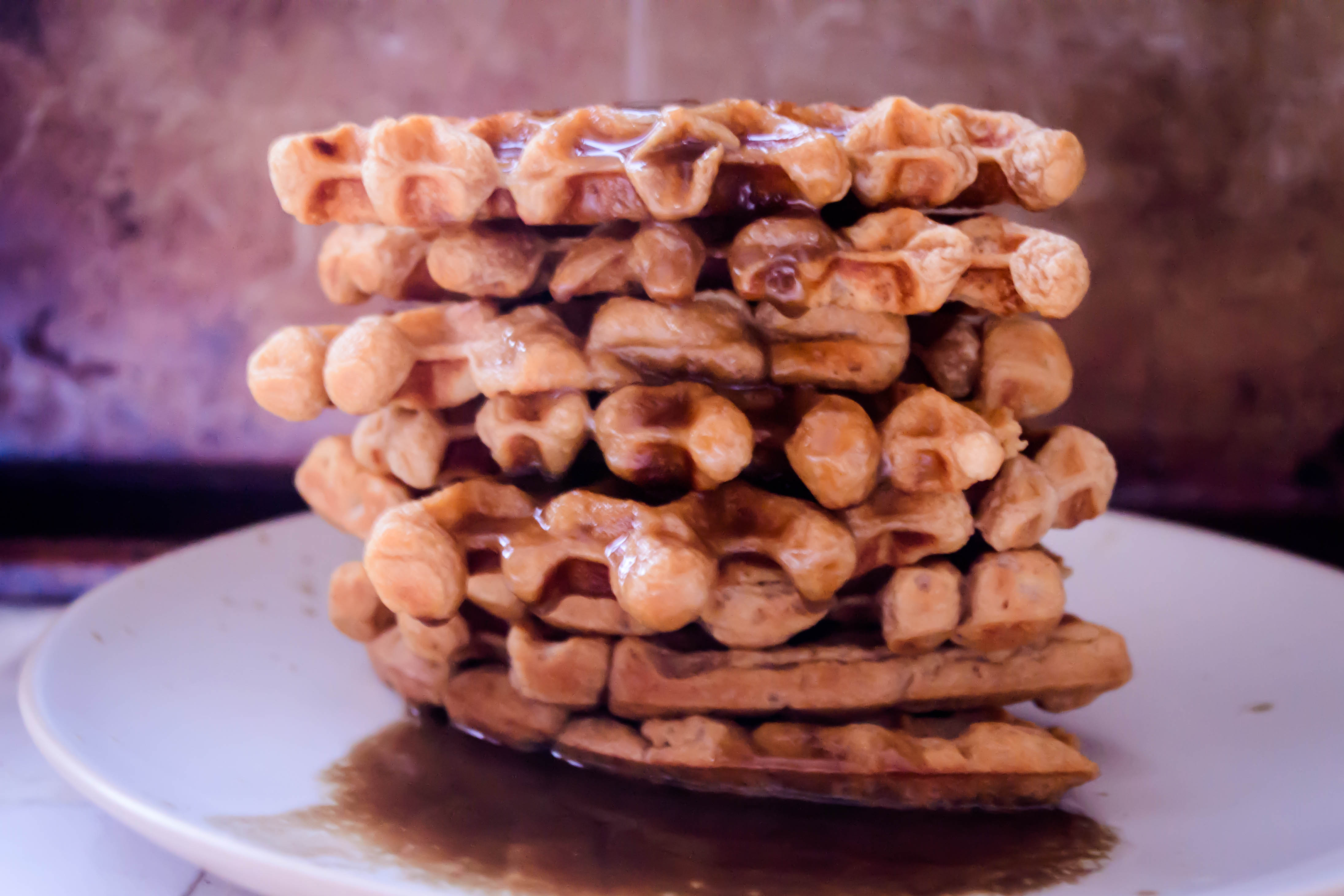
Food Blog November 2013-2745The thing about a recipe like this, though, is that the rising time gives you time to think. If you’re a normal person, you might use this blessed extra hour to catch up on housework or relax and watch television. If you’re me, you start thinking about sauces. I like maple syrup, but I get tired of it. These waffles, with their yeasty aroma and almost savory flavor, needed something special. As a salute to Halloween, I decided to make a quick bourbon caramel drizzle to top them. I mean, why not? It was a holiday, after all.  Butter, brown sugar, bourbon, and salt, bubbles stacking up on themselves in a tiny pot, and a swig of milk (or cream) to thicken and mellow and relax everyone.

Food Blog November 2013-2749So back to the darkness problem. Usually, when I arrange a plate of dinner to photograph it, N. waits until I’m done to serve himself and head in to the table to eat. On Halloween, as I angled and shimmied and adjusted, trying to catch the last glimmers of fading light and listening to my shutter speed get slower and slower, he stacked waffles onto his plate, drenched them with the caramel sauce, and disappeared around the corner to start his dinner. That, to me, proves its deliciousness beyond all doubt.

Total treat. No tricks. Food Blog November 2013-2755

Beer Batter Waffles
Adapted from King Arthur Flour
Makes about six 7-inch waffles
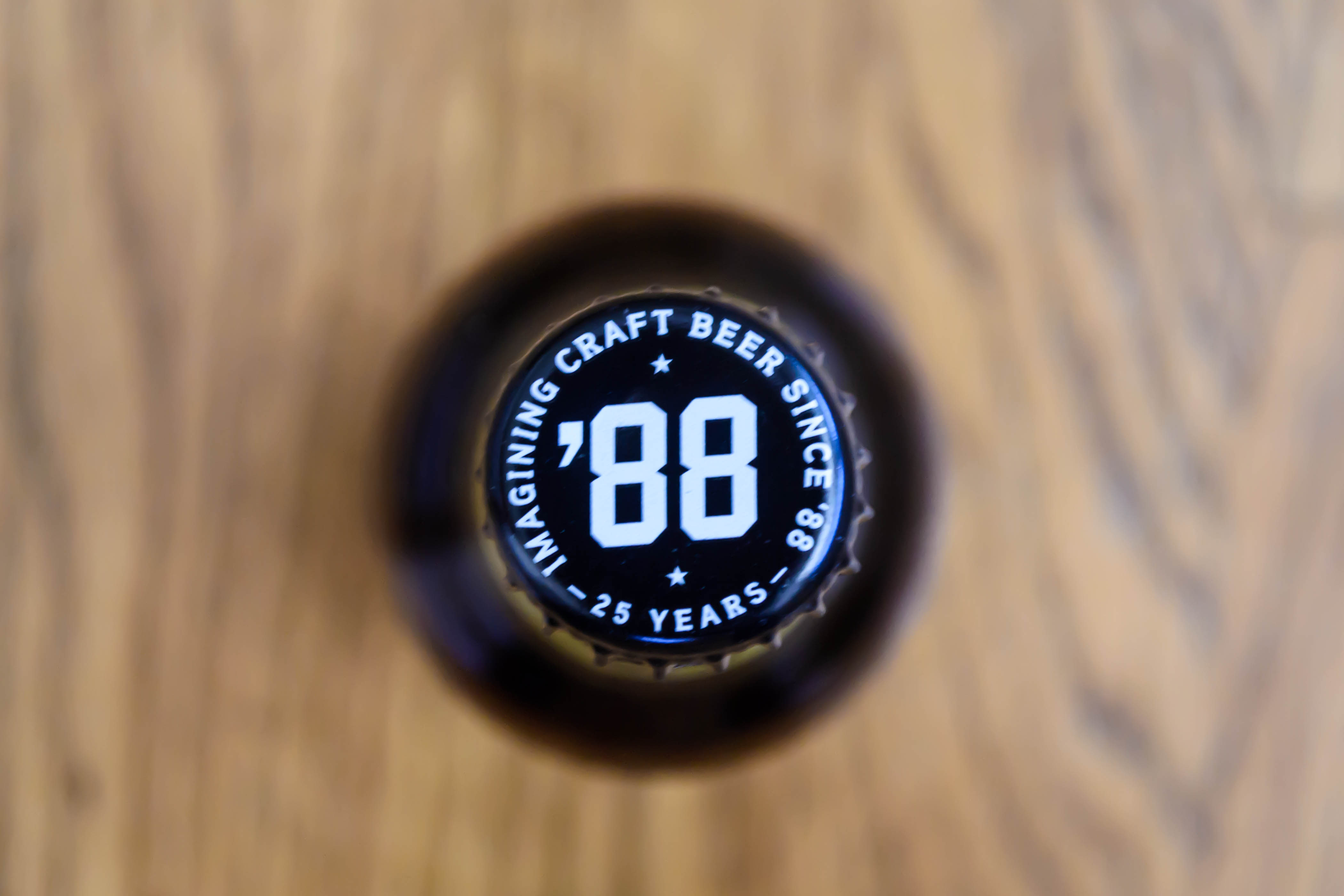
1½ cups (12 ounces) lukewarm beer (I used a nice roasty porter, heated in the microwave about 30 seconds)
1½ teaspoons active dry yeast
3 tablespoons barley malt syrup (you could likely replace this with maple syrup or honey, but I haven’t tried it. If you do, let me know!)
6 tablespoons (3 ounces) melted butter, cooled
1 teaspoon salt
2 large eggs
2 cups all-purpose flour
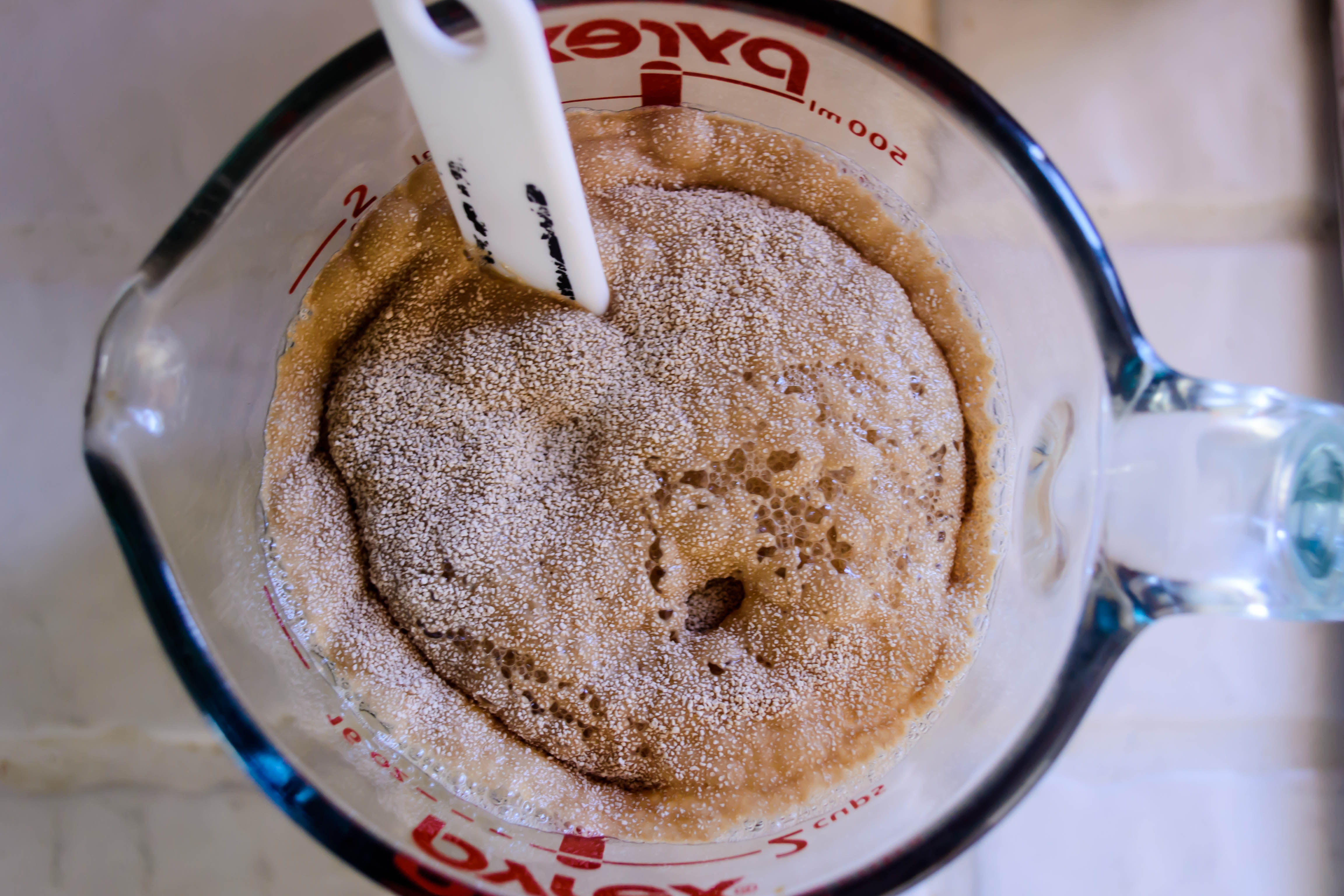
  • In a 2 cup glass measuring cup, or a small microwave safe bowl, heat the beer until just warm to the touch. Add yeast and the barley malt syrup (or whatever sort of sweetener you are using) and let them mingle for 5-10 minutes. The yeast will foam up considerably, thanks to the extra sugars and yeast already in the beer.
  • While the yeast proofs, whisk together the cooled melted butter, the salt, and the eggs in a large bowl. Be sure there’s room for the batter to expand.
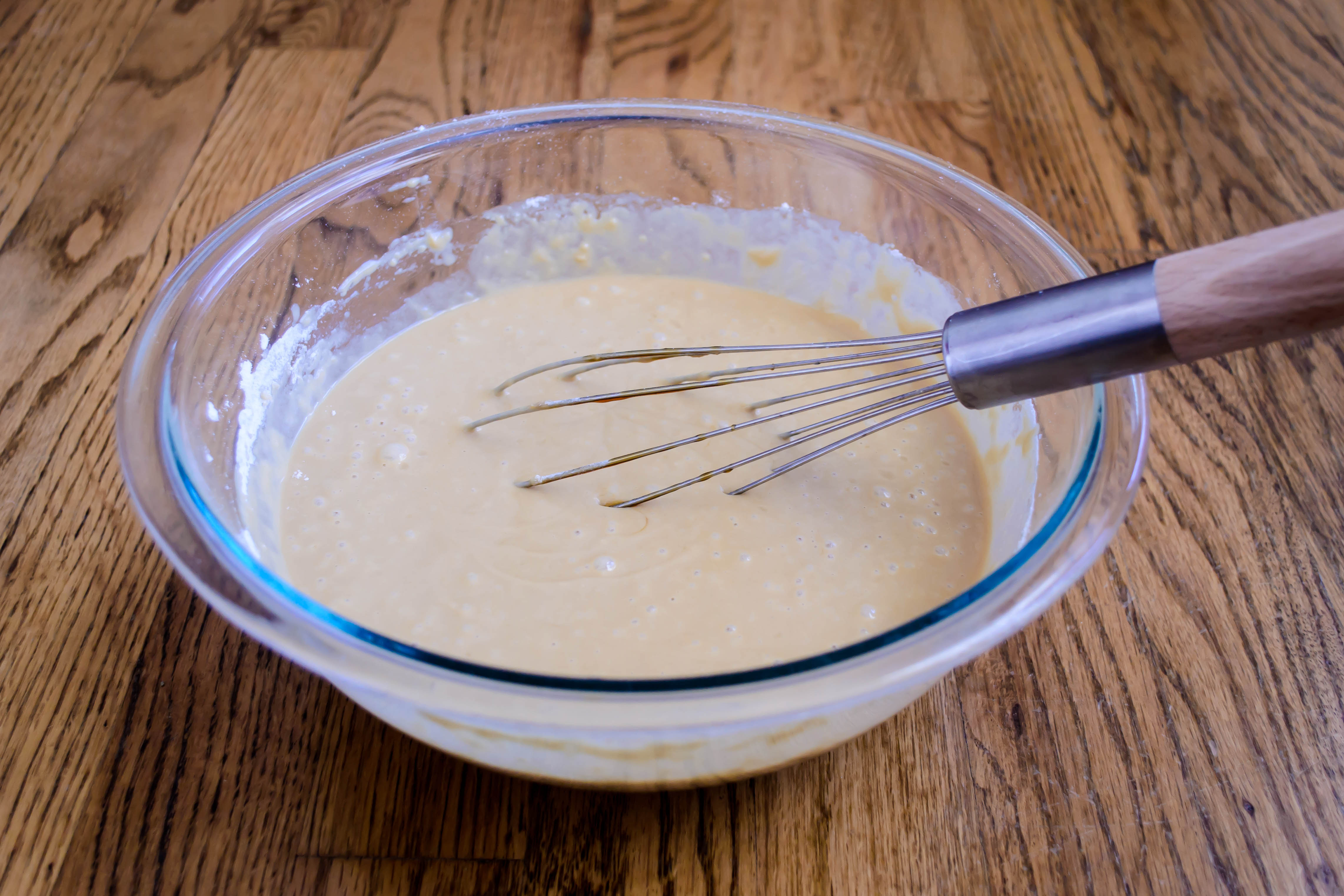
  • Add the beer and yeast mixture and whisk to combine, then add the flour 1 cup at a time, whisking to combine thoroughly.
  • When the flour is fully incorporated and no lumps remain, cover the bowl with plastic wrap and set it on the counter for 1-2 hours.  The mixture will slowly develop lethargic bubbles and begin to smell quite bready.
  • Once it has had a chance to rise for an hour or two, either stow in the refrigerator overnight, or preheat your waffle iron!
  • Drop the batter in generous ½ cup batches (or more, if your waffle iron can take it) onto a preheated, greased waffle iron. Close the lid and cook for the recommended amount of time, or until the waffle is crisp on the outside and deeply golden.
  • Serve hot with bourbon caramel syrup. If you need to keep the waffles warm, stow them on a wire rack over a baking sheet in a 250F oven until you are ready to eat.


Bourbon caramel sauce
Makes about ¾ cup
2 tablespoons butter
½ cup packed brown sugar
½ cup bourbon (I like Knob Creek myself)
1 teaspoon salt
¼ cup whole milk or cream (cream will make for a thicker, more luscious end product)
  • Combine the butter, brown sugar, bourbon, and salt in a small saucepan over medium-low heat. Stir to combine as the butter and sugar melt.
  • Continue to stir frequently as the mixture comes to a simmer. Bubbles will begin stacking up on themselves, and you want to prevent both the sugar from burning and the bubbles from climbing too far up the sides.
  • Let the mixture reduce a bit – it will thicken and some of the alcohol will burn off.
  • Just before you are ready to serve, add the milk or cream and stand back, as the caramel may bubble up furiously.  Stir to combine and keep over low heat just to warm the mixture through. Drizzle generously and enjoy.

Israeli Couscous Salad

I don’t like restraint. It’s the same complaint I have about being a grown-up (also, restraint, complaint? They were clearly meant to go together!): the liberties are great, but the requirements to limit and be responsible for myself sometimes seem unfair. Ice cream for dinner because I want to? Yes I can! Work still starts at 7:45 on Monday morning? Oh. Right. Responsibility.

Food Blog October 2013-2656This tenuous relationship with restraint (and adulthood) contributes to the way I cook. Though what I try to bring here are dishes that I’ve tinkered with and scaled back or spruced up appropriately, that doesn’t reflect the me-in-the-kitchen reality most often produces. This “real” me is spattered with flour, knocking over bottled spices as she reaches for, most often, embarrassingly, the garlic powder (because honestly?  Mincing up garlic on a weeknight after I’ve spent all day grading papers is sometimes beyond my capacities). I’m constantly in the line of fire of spurts of olive oil that spring out of my too-hot pan, and consistently grateful for the lovely canine I live with who willingly volunteers to “mop” the floor after dinner has been served. It’s a disaster zone, if I’m honest, which is why there are so rarely photos of me here to go along with the food.

Food Blog October 2013-2650And when it comes to the food, I must admit to occasionally overdoing it. I’ve made salads with so much in them it was hard to find the lettuce. My stir-fry sauce has probably a dozen ingredients. My pizza crusts don’t always crisp up because there are too many toppings crammed, well, atop them. Rarely is my final choice an unadorned one, but a basic that I’ve dressed up because I can’t help myself. Even in the words I use to tell you, I’m forever prattling on.

Food Blog October 2013-2648Sometimes, though, the minimalist in me steps in. She clears the counter with a glance. She demands simplicity, clarity, balance. She puts away the crumbled feta and the dried cherries and the dreams of fried sage. And she is usually right.

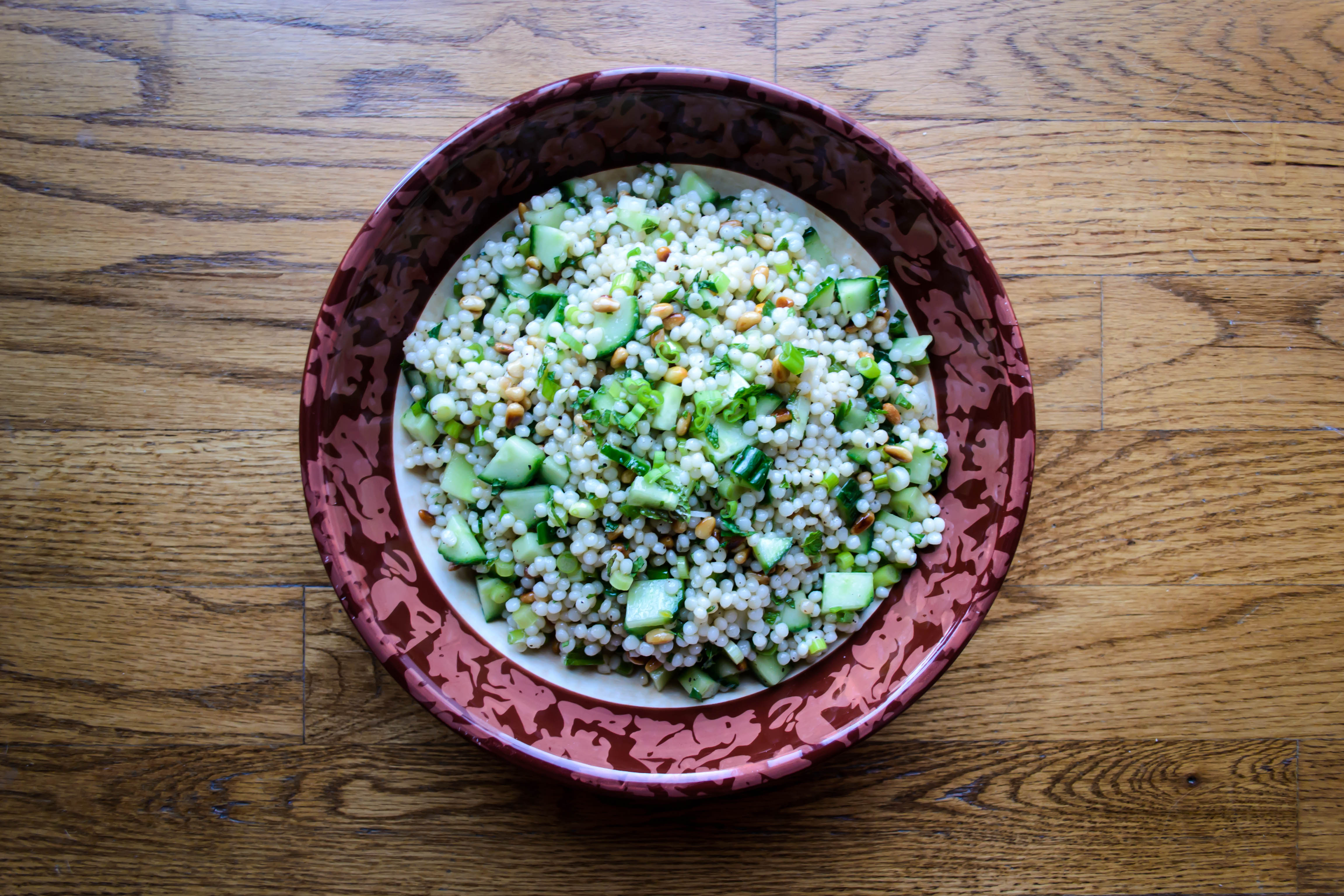
This simple Israeli couscous salad was born of a vision of combining raita and tabbouleh, though bizarrely with none of the most important ingredients for either. But that’s me. I’ve stripped away the parsley and the yogurt and the tomatoes and the bulgur wheat, and wound up with a collection of flavors and textures I’m totally in love with. And it’s so simple. Israeli couscous. Cucumber. Green onions. Mint. Pine nuts. Olive oil and lemon juice to dress. That’s it.

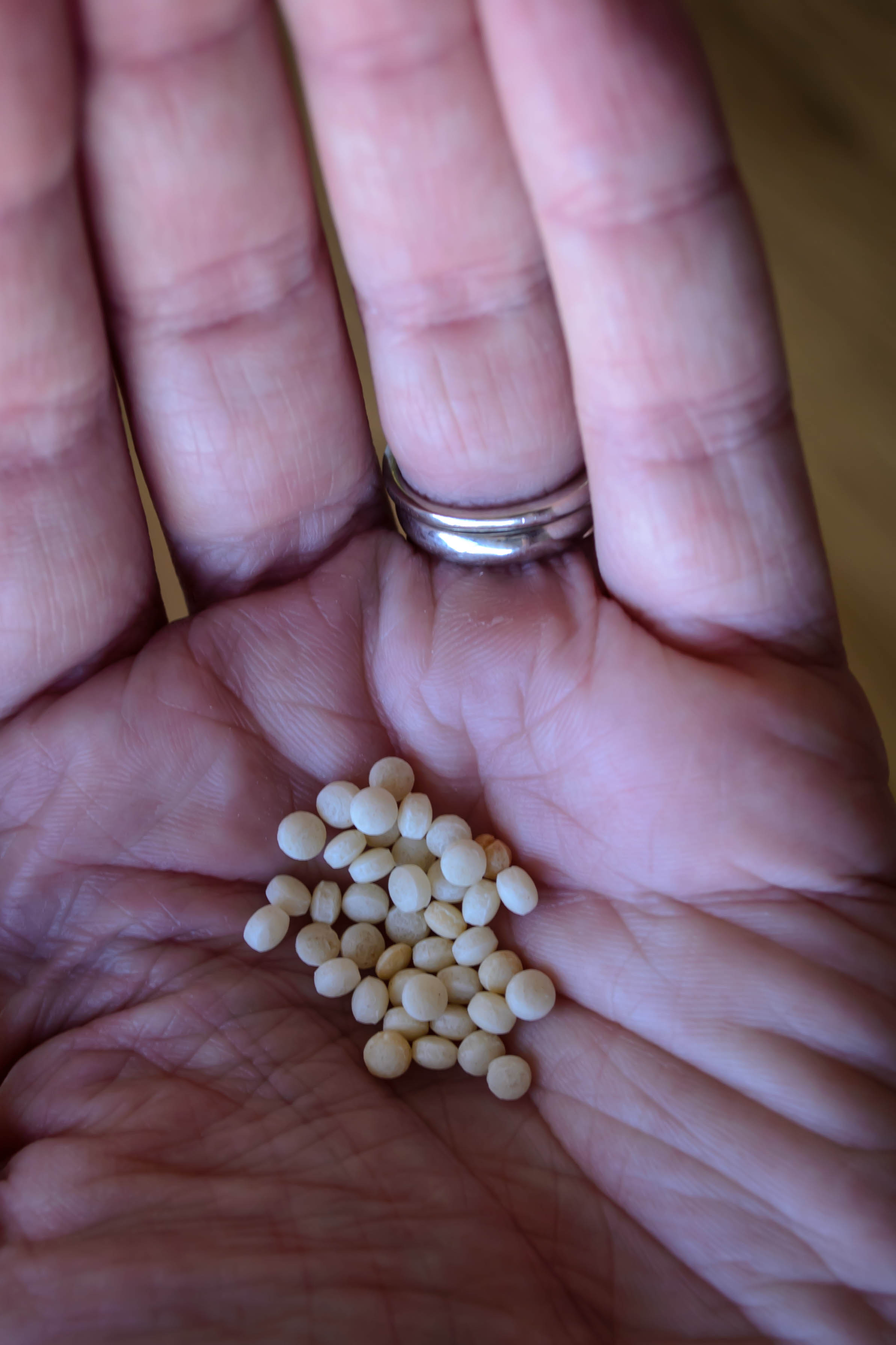
Food Blog October 2013-2641Israeli couscous, if you’ve never had it, is like a savory pile of tapioca balls, squashy and chewy and appealingly gummy. It makes a nice replacement for the bulgur wheat in tabbouleh, though it needs significantly less acid. Here, paired with the waterlogged freshness of cucumber and the creamy-crunch of pine nuts, it’s near perfect. And the mint. Guys, if you aren’t fans of mint in savory dishes, or if the last time you had it was as the leading flavor in that almost glowing green jelly spooned over a trembling haunch of lamb, you have to give it another chance. I already knew its herbal punch went well with cucumber, but I was surprised and delighted by how well it complements the pine nuts.

We ate this as a side dish for some tandoori-spiced grilled chicken and Bittman chutney one night, and then, in testament to its simple goodness, it conveniently acquiesced to be my lunch for several days in a row later that week.

You could, if you wish, add ¼ – ¼ cup halved cherry tomatoes, or shredded grilled chicken, or even a few tablespoons of yogurt for creaminess, and I think it would be stellar. But I, in an uncharacteristic display, decided not to. Restraint. For once. And I think I’m glad.

Food Blog October 2013-2652

Israeli Couscous Salad
Serves 4-6 as a side dish, 2-3 as a main salad
1 cup Israeli couscous (sometimes also called pearl or pearled couscous)
1 ¼ cups water
2-3 tablespoons olive oil
2-3 tablespoons lemon juice
¼ teaspoon salt
⅛ teaspoon black pepper
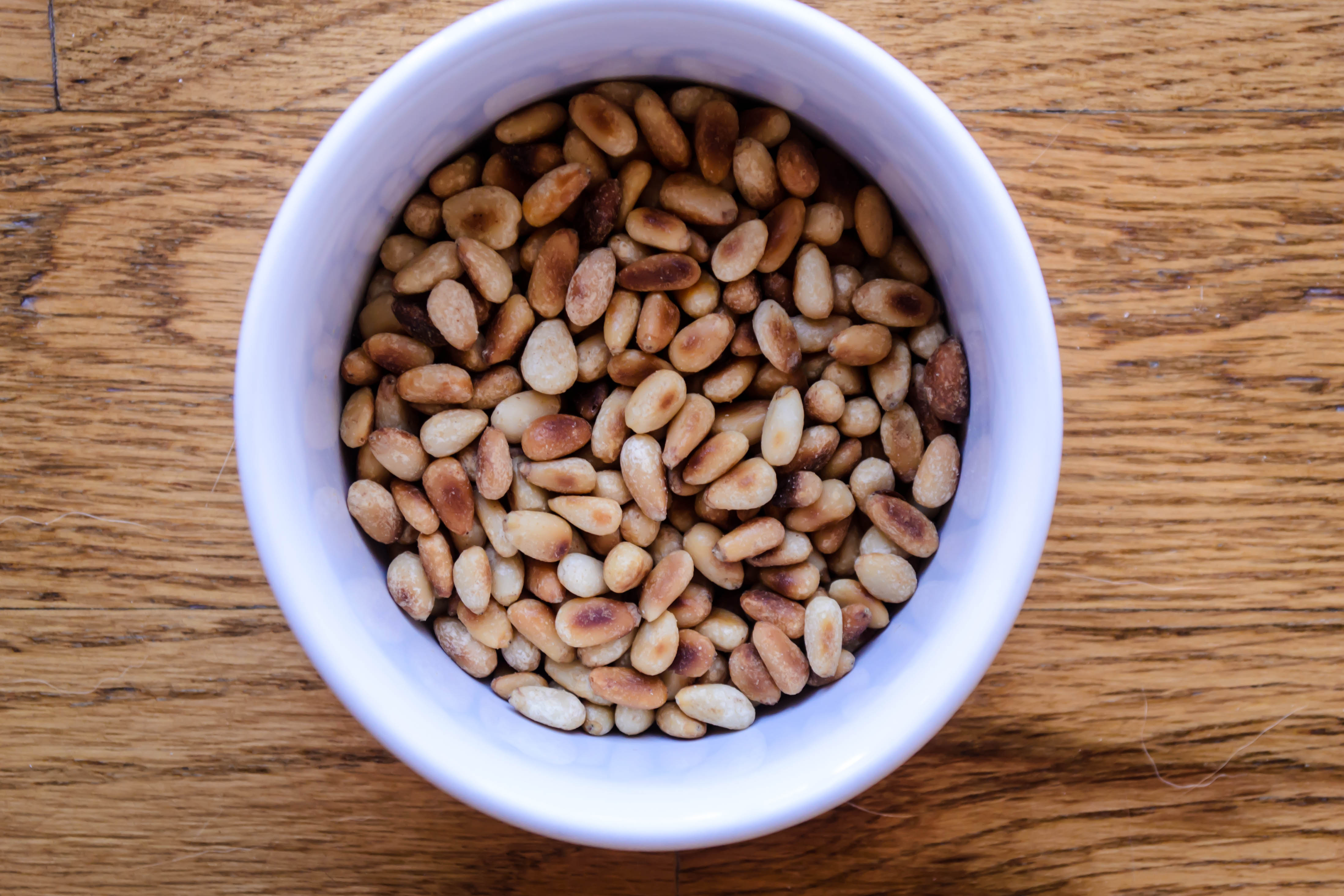
¼ cup toasted pine nuts
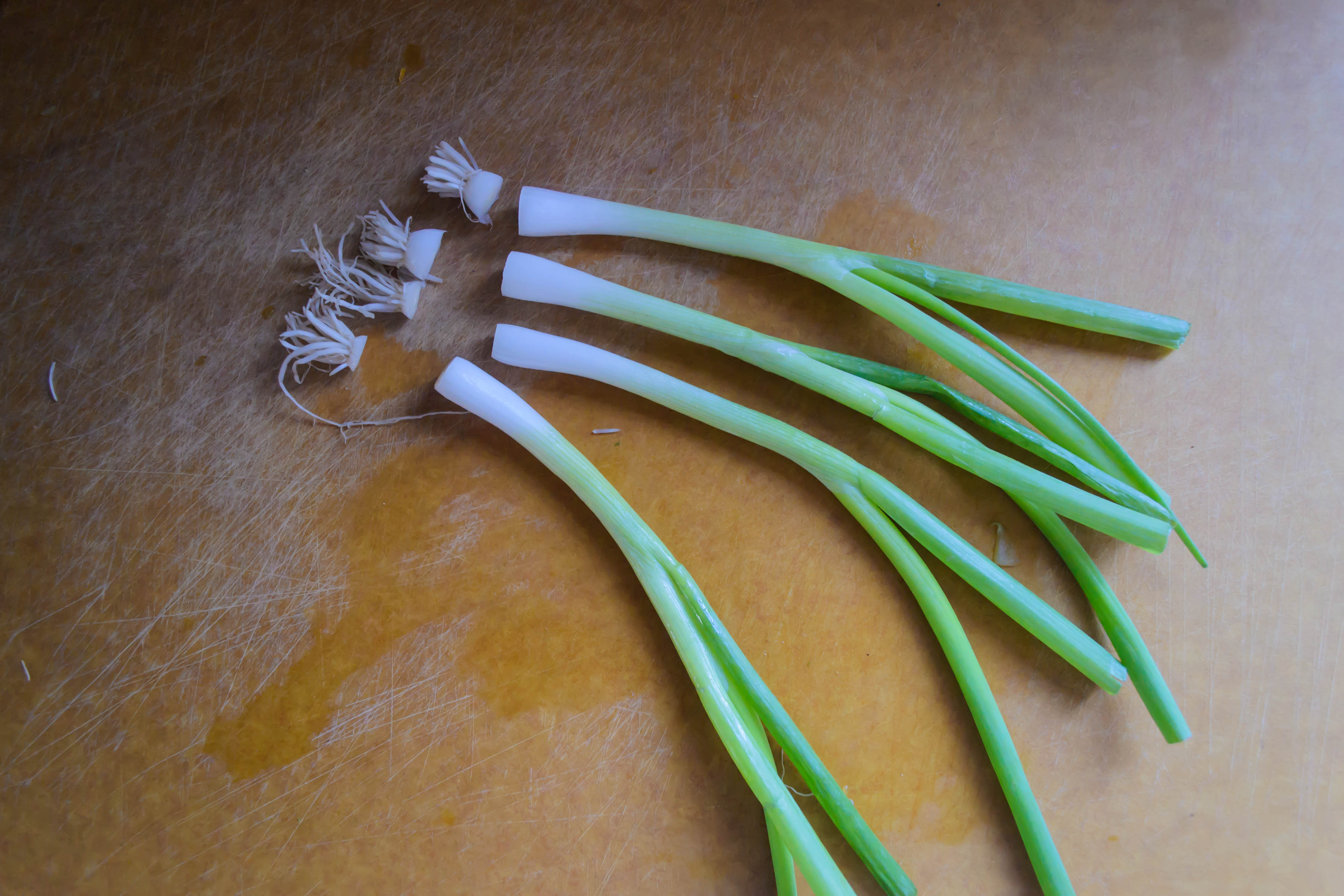
¼ cup sliced green onions, whites and green tops
1 cup seeded, diced cucumber
¼ cup chopped fresh mint
  • Bring the 1 ¼ cups water to a boil in a medium saucepan. Add the couscous and cook over medium-high heat until the water has absorbed and the couscous pearls are like little tapioca balls. Don’t overdo it – you want a touch of resistance to remain. These are, after all, a form of pasta.
  • When the couscous is done, drain any extra water that remains and toss with the lemon juice and the olive oil. Season with the salt and pepper to taste. Let cool to room temperature.
  • Add the pine nuts, cucumber, green onions, and mint to the room temperature couscous and serve immediately.

Goat Cheese Tomato Pie

All over the food blog world, folks are declaring that fall is here.  It’s the season for pumpkins and root vegetables and casseroles and braised meats.  Except that I live in Los Angeles, where it has been close to or over 90 degrees Fahrenheit for the past week and a half.  Where was this in June, Los Angeles?  Where was it in July (when we were further north and would have missed it!)?  Why now, now that school has started and I have to wear professional clothes all week and can’t be here to keep the windows open all morning, do we finally get the month or so of scorching temperatures when everyone else has packed up their popsicle molds weeks ago?

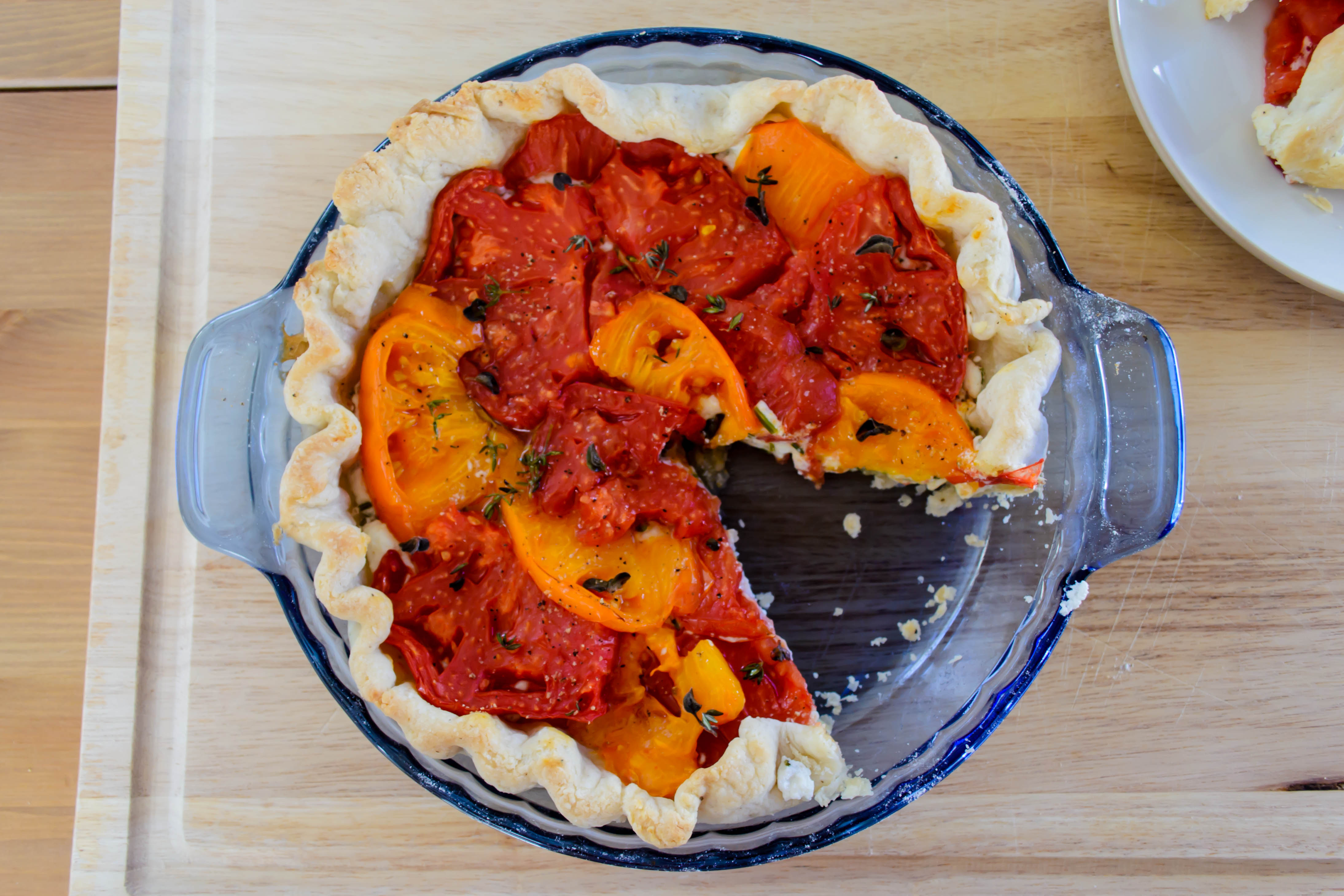
Food Blog August 2013-2488Well I’m not convinced that it’s fall.  I’m calling it late summer.  And this is convenient, because the heirloom tomato bushes that have grown into a vast jungle in my backyard are still heavy with fruit.  The Farmers’ Market we frequent is still bursting with bright bell peppers and corn and stone fruits, and hasn’t yet been taken over by cruciferous vegetables or potatoes.

Food Blog August 2013-2468A few weeks ago, stunned by the number of gleaming tomatoes we’d managed to produce, in shades of deep crimson and flame yellow, I did what anyone trying to find inspiration would do.  I asked Facebook.  And my friend M. responded with an idea I’d never considered: tomato pie.

Food Blog August 2013-2474Food Blog August 2013-2479Since tomatoes are a fruit, I suppose it shouldn’t seem so strange to put them in a pie.  (Isn’t pizza, in fact, the ultimate incarnation of a tomato pie?)  But I quickly determined that mine would be savory rather than sweet, and from there things fell together with little effort.  Creamy, tangy goat cheese pairs so well with the acidic sweetness of tomatoes, and a handful of fresh herbs from the garden add a grassy complexity to the dish.

Food Blog August 2013-2480Making a pie, of course, entails making a pie crust, and this remains one of my greatest nemeses in the cooking world (it’s all about the butter, I’m sure of it.  The size and the temperature are almost impossible for me to get right, and given this and all the trouble I had with buttercream frosting I’m almost convinced I should just have gotten it out in the open from the beginning and renamed this blog Butter Problems).  But I considered a few techniques I’d read about recently in Shirley O. Corriher’s genius book Bakewise, which takes a scientific approach to baking, not only providing stellar sounding recipes, but explaining carefully what each ingredient does for the final product, and offering options that will result in a subtly or staggeringly different end product.  In her section on pie crust, Corriher explains that crust texture is a near catch-22 between flakiness and tenderness.  Flakiness comes from leaving the butter in sizable chunks, so that during the baking process the crust puffs into layers before the butter has had a chance to melt fully.  Tenderness, though, comes from being sure the flour has been fully hydrated, which can only happen with full incorporation of the liquid element.  Yet overworking the dough makes it tough, and the flakiness quotient disintegrates as you break the butter into smaller and smaller bits.  See why I don’t like making pie crust?

Food Blog August 2013-2462Food Blog August 2013-2466But this crust was magic.  I decided that if what we really wanted was flakes and tenderness, and if fat helps along hydration and acidity contributes to a tender final product, then the little container of buttermilk that had been sitting quietly at the back of my refrigerator for weeks was the consummate answer.  And it was.  The crust came together quickly, rolled out like a dream, and was stable enough that I was actually able to give it some decorative edging before I packed it full of goat cheese and thick slices of tomato and shoved it into the oven.

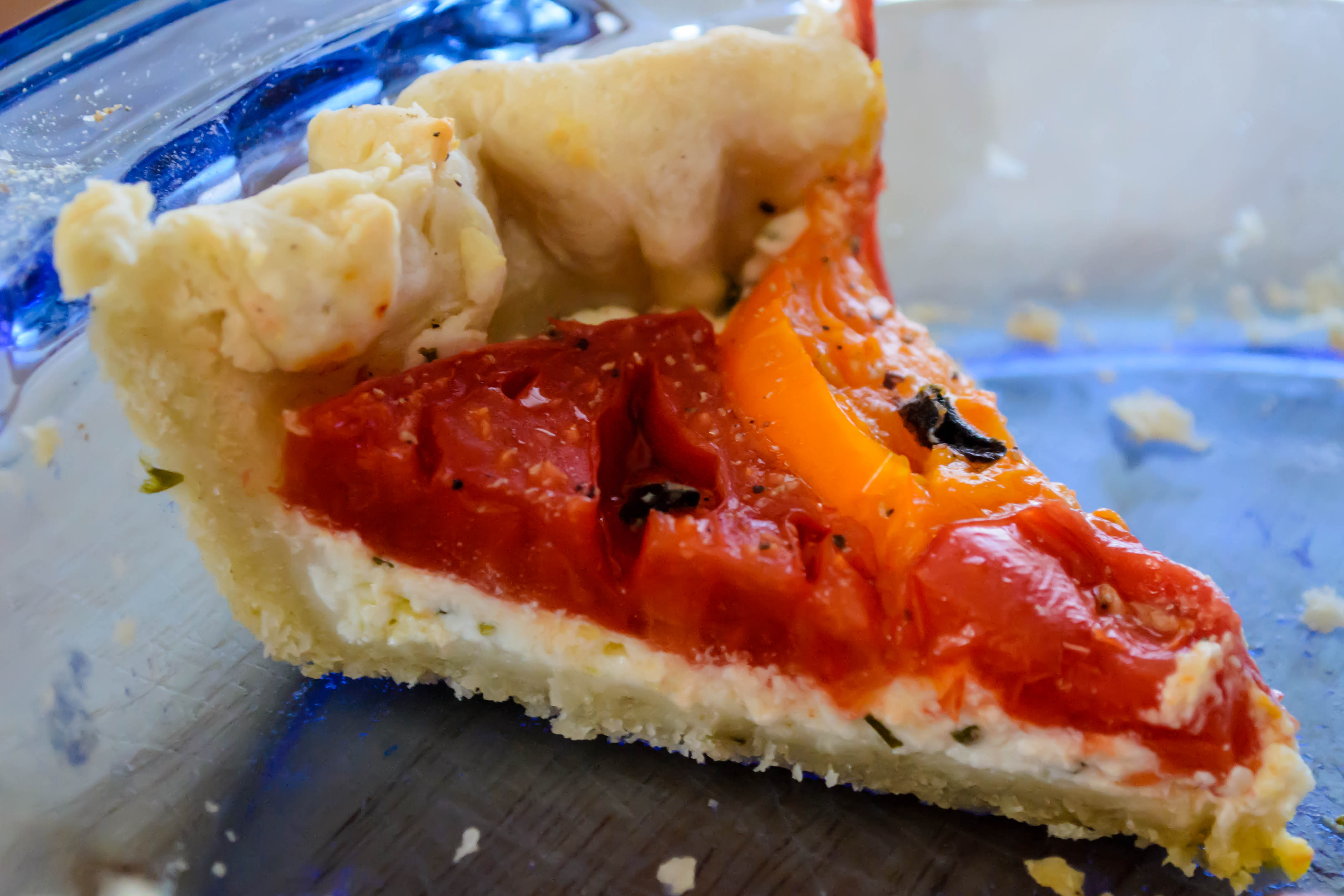
Food Blog August 2013-2482Food Blog August 2013-2483Food Blog August 2013-2485Food Blog August 2013-2491Food Blog August 2013-2495We weren’t exactly sure what to expect of this dish (in fact, when I said “tomato pie” to N., he made a very interesting face), but after we’d both gone back for a second slice, and then a sliver of a third, we decided that we must like it.  It’s a really nice balance of flavors, with the sweet sharpness of tomatoes mellowed into something almost meaty, but still light in spite of the layer of tangy cheese.  The perfect late summer supper.  But it would also, I think, be a great brunch option, or a light lunch with a fresh salad, or, cut into very thin slices, a beautiful canapé for a bridal or baby shower.

Food Blog August 2013-2499Goat cheese tomato pie
makes one 9-10 inch pie
For the crust:
6 oz. flour (or a fluffy 1 ½ cups)
1 tsp sea salt
¼ tsp ground black pepper
1 stick butter, very cold, cut into 8 pieces (if you are going to use your food processor to make the crust, the butter can be frozen)
3-5 TB buttermilk, very cold (I put mine in a little glass in the freezer for 5-10 minutes before I start making the crust)
For the filling:
8 oz. goat cheese, at room temperature
1 TB milk
1 clove garlic, finely minced, or ¼ tsp garlic powder
2 TB chopped chives
1-2 tsp chopped mixed herbs (I used thyme and oregano)
2-3 large heirloom tomatoes, cut into ½ inch thick slices (this quantity is inexact, since heirloom tomatoes differ in size.  You are looking for enough slices to create a slightly overlapped single layer over the goat cheese filling)
Salt and pepper to taste
Drizzle of olive oil


  • To make the crust, combine the flour, salt, and pepper in a bowl.
  • If you are using a food processor, dump in the chunks of butter and pulse on three-second intervals until the butter has been broken up a bit and some pieces are the size of walnut halves, while some are more like peas.  If you are using a mixing bowl, cut in the butter with a pastry blender, two knives, or your fingers.
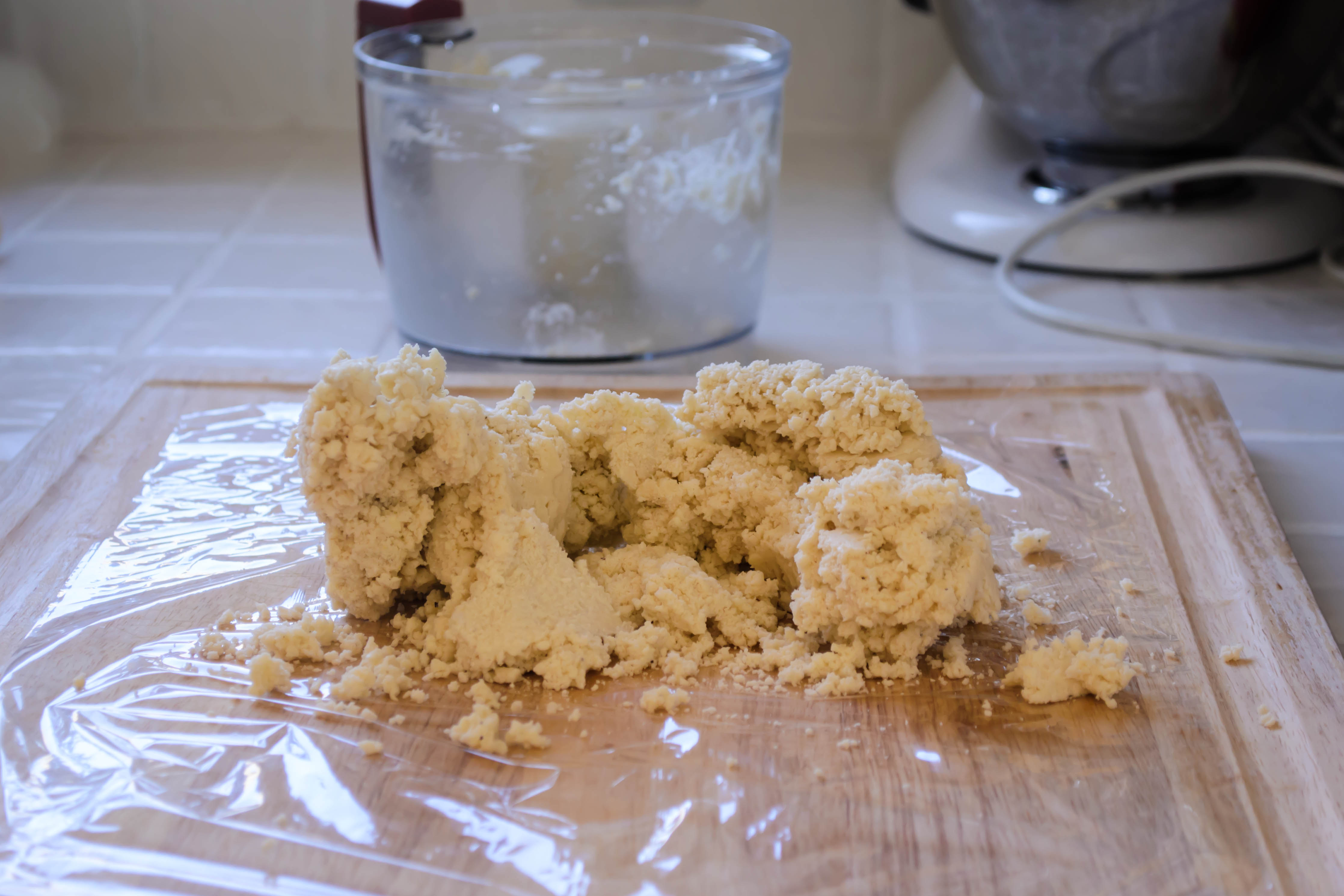
  • Dribble in 3 TB of the buttermilk and pulse again on three-second intervals (or use a fork or your fingers to combine).  If the dough begins to clump together like wet sand or crumbly cake, you are done!  If it is too dry to come together, add another TB of buttermilk and pulse again.
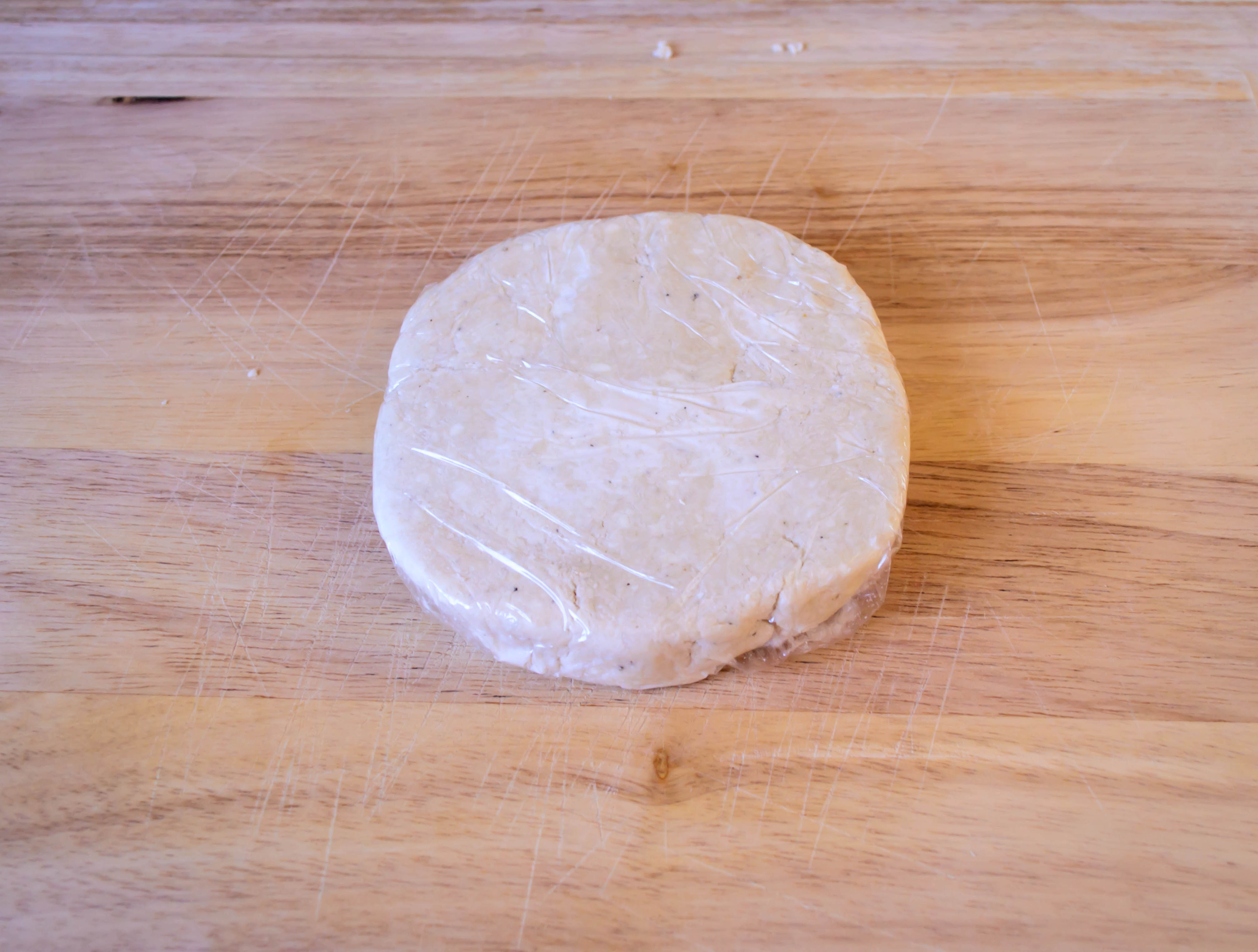
  • Dump out your crumbles of just-tacky dough onto a big piece of plastic wrap.  Using the plastic wrap to help you, press and squash and manipulate the dough into a disc of about 1 inch thick.  Wrap it up and stow it in the fridge for 30-45 minutes.
  • While the dough chills, prep the filling ingredients.
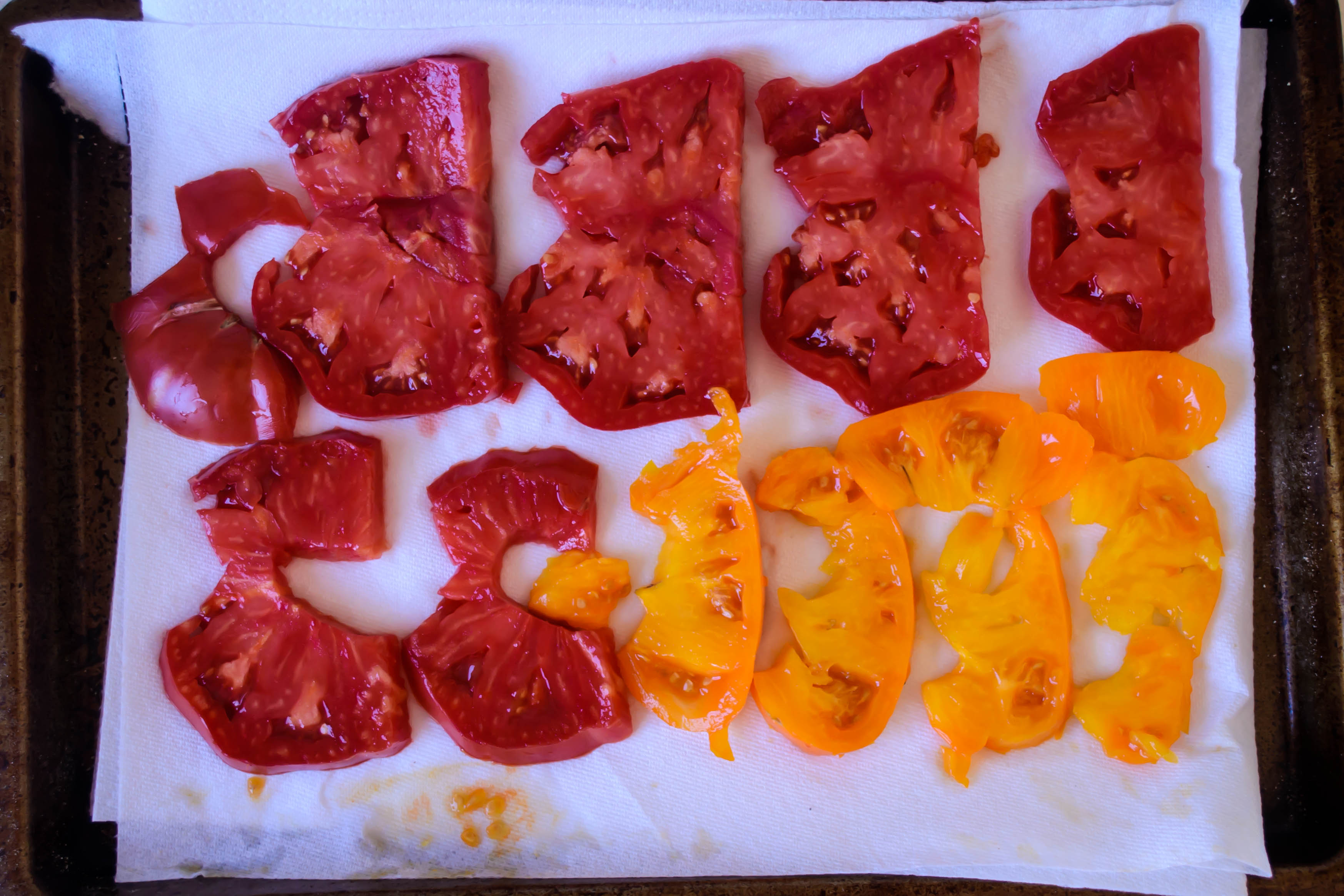
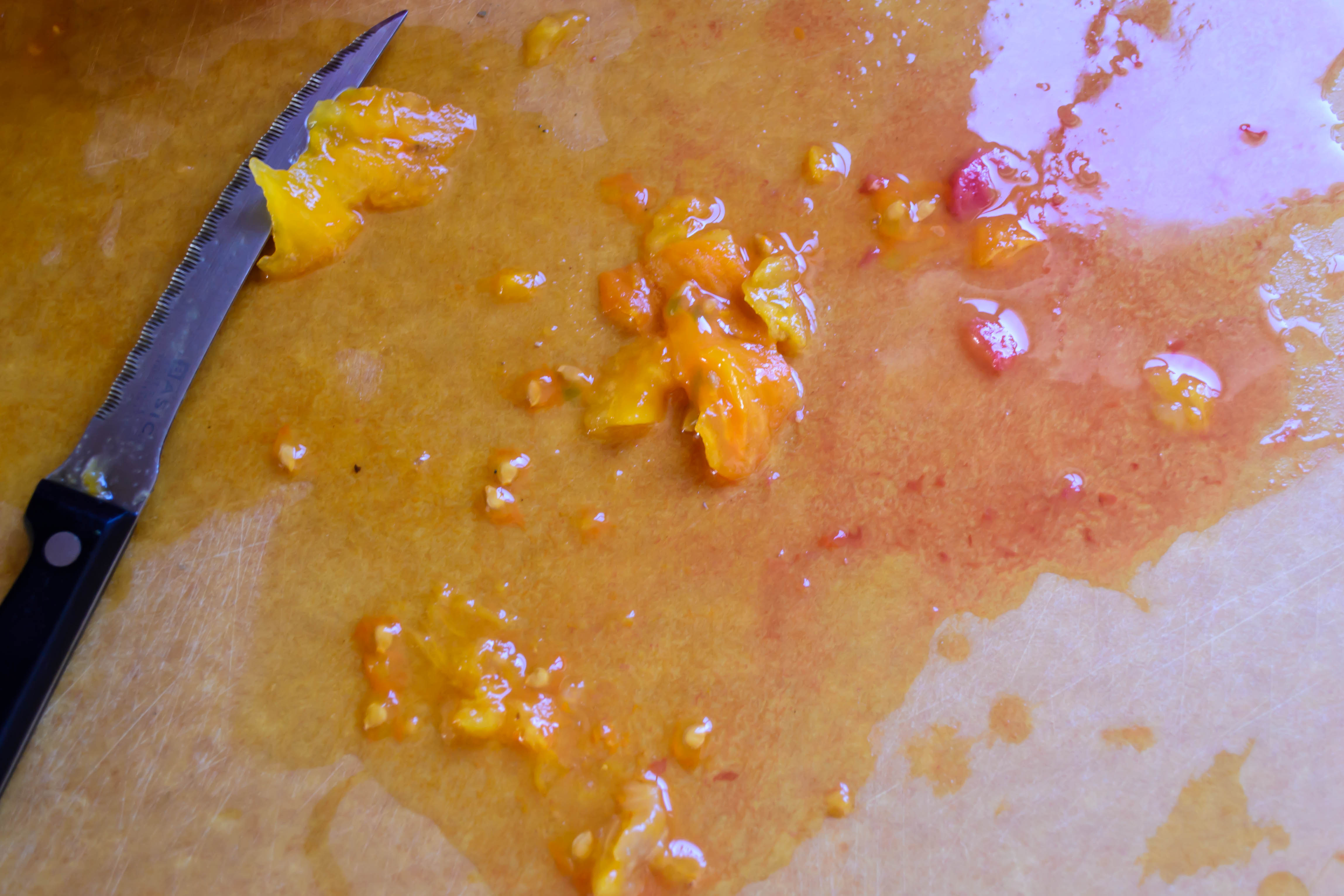
  • Place the sliced tomatoes on a double layer of paper towels lining a cookie sheet.  This will allow them to drain a bit, so they won’t expel quite as much juice in the oven.  Let them sit for at least 15 minutes.
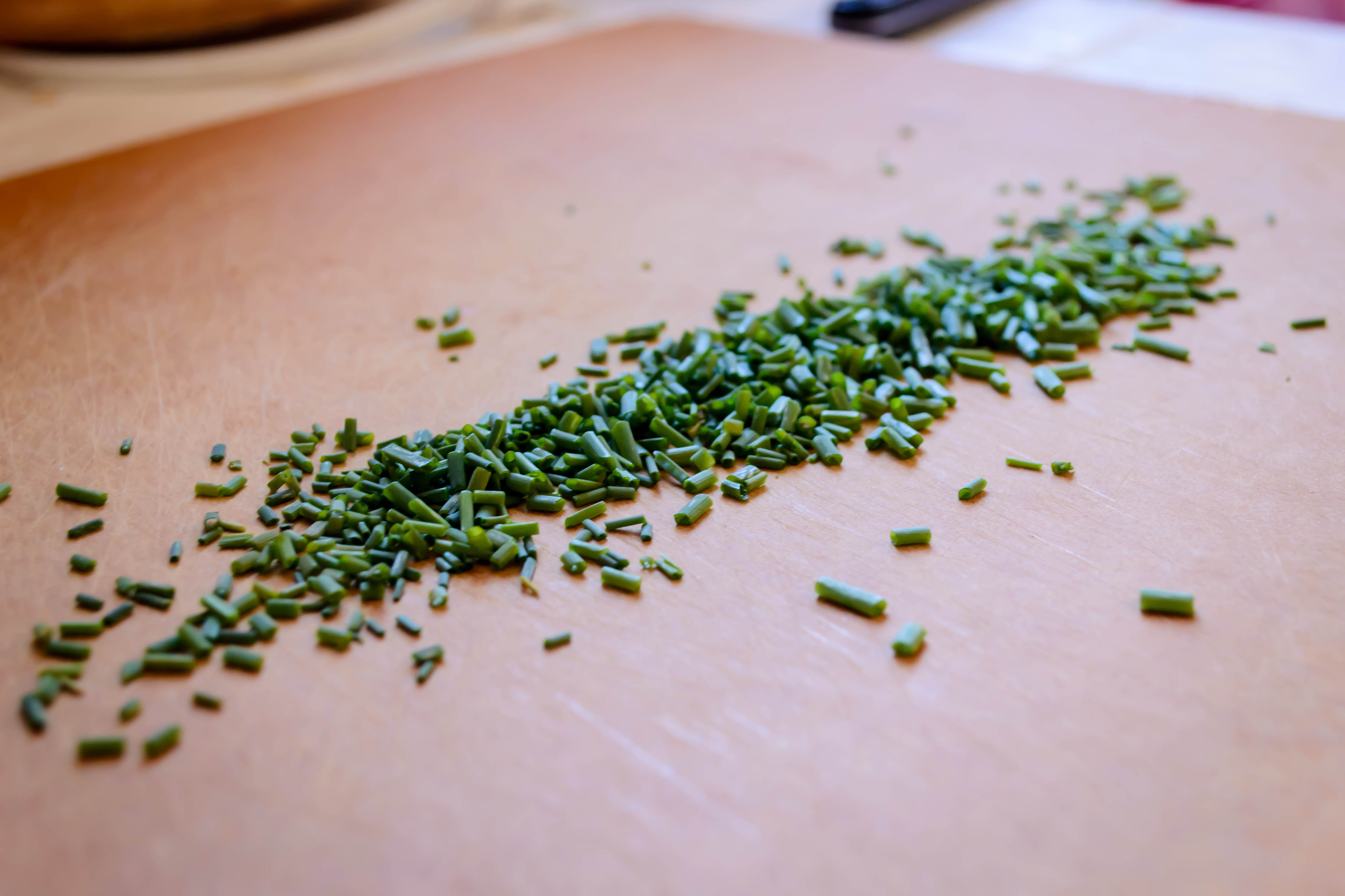
  • Once the goat cheese is at room temperature, combine it with the milk and the chives in a small bowl.  This miniscule quantity of milk thins the goat cheese out just enough to make it spreadable.  The chives are, of course, all about flavor.
  • Preheat the oven to 400F and transport your disc of dough from the fridge to a well-floured board.  Unwrap it and let it warm up just a touch – no more than five minutes or so.
  • With a rolling pin, push from the middle of the dough circle out away from you – toward what we might term the top edge.  Then, return to the middle and push back toward you.  You will now have a strange, elongated oval.  Rotate the disc about a quarter of a turn and repeat, so you’re slowly returning the dough to a circular shape.  If you get some cracks, don’t worry about it – you can either press the dough back together manually, or it will miraculously repair itself as you roll.  If things get sticky, sprinkle on some additional flour.
  • When your dough is rolled out into a basic circle with a diameter 1-2 inches bigger than your pie dish, it’s time to transport it once again.  Roll it up loosely around your rolling pin, then unroll it into the pie dish, draping it gently into the crease where the bottom of the pan becomes sides.  You should have some excess dough around the top.  That’s good.  In small sections, fold it in on itself so it is even with the top edge of the pie dish, creating a thicker edge.  If you wish, make this edge decorative by pressing it in at intervals with your thumb or the tines of a fork.
  • With a spatula, spread the goat cheese mixture in an even layer across the bottom of the crust.  Be careful not to press too hard, as you’ll squash the crust down.
  • Next, layer the tomatoes as attractively as you can manage (for me, this was not very much) over the cheese.  You can overlap them slightly, but the point here is to completely cover the cheese in something as close to a single layer as possible.  This will allow them to receive heat evenly – we don’t want some of them roasty and others stewed.
  • Sprinkle the tomato slices with your 1-2 tsp of mixed herbs, salt and pepper to taste, and a good glug of olive oil for gloss.
  • Bake at 400F for about 30 minutes, until the crust is cooked through and becomes golden, and the tomatoes begin to crumple.
  • Remove from oven and let cool for 10-15 minutes before slicing, to regain some structural integrity.  Tomato juice will gush about when you cut into it; there’s just no avoiding it.  But it will be that utterly delicious kind of gushing that you end up feeling pretty pleased about.  Serve warm or at room temperature.

Warm lentil and kale salad

I don’t know about you, but when I get home from vacation I feel at once heavier and lighter.  Lighter, because the toil of dragging overnight bags jammed with clothes, a laptop, a camera bag, two backpacks, a cooler, a sun hat, hiking boots, a satchel bristling with electronics, a grocery sack full of road snacks, a suit bag of dress clothes for a wedding, another satchel, this one loaded with supplies spanning the randomness quotient from shampoo to a day-planner (seriously, how can we have this much stuff???), and the leash of a dog intent on smelling every single thing she’s never smelled before from parking lot to hotel room to parking lot every other night is finally over.

Food Blog August 2013-2458Heavier, because even though I didn’t cook much, I sure ate a lot.  Plus, there’s that whole emotional withdrawal from the glory of vacation, but mostly I’m just shallow enough to be talking about my waistline.

In any case, upon our return from a trip we typically plan out a few particularly virtuous meals to combat the quantity of food we consumed, and the dubious quality of some of those choices – road food is always, alas, simultaneously necessary and a bit specious (take, for example, the Milky Way I bought at a gas station in Coos Bay to help myself stay away for the remainder of the drive to Brookings, which turned out to be open on one side.  I threw it away.  And then I almost cried).  Simple rice and steamed broccoli is one of our go-to homecoming meals.  Whatever can be scraped together from the garden and eaten with a light dressing and curls of Parmesan cheese is another.

But now we have a third, which might also become a side for roast chicken, a working lunch, or a base for seared tuna or poached salmon: a warm salad of lentils, tossed with lightly blanched kale, briny kalamata olives, and the tang of feta cheese.

Food Blog August 2013-2450A few days after our return, with pantry and fridge freshly stocked, I considered my starch choices.  We eat a good bit of pasta and a fair amount of rice, but our consumption of legumes and pulses is way below par.  This had to change.  I picked out a bag of green lentils that had slowly been pushed to the back of the shelf as new and more exciting boxes were set in front of it.

Lentils are great for us.  They are packed with fiber and protein and folate, which all make them filling as well as nutritious.  But like most dried beans, on their own they just aren’t very exciting.  They call for additional flavors and textures: chilies or acid or salt, crunch or freshness.  Herby sharpness.  Crumbly cheese.  A dance of textures.  You see where this is going.

Food Blog August 2013-2453To give them as much of a fighting chance at flavor as possible, I sautéed some onions and garlic before tumbling in lentils, water, a lone bay leaf, and a bracing hit of red wine vinegar.  “And salt,” you’re surely crying, but no!  Salt should be added to lentils only near the end of cooking.  It can toughen them if you add it right away.  I’ve also read that acidic ingredients – like the red wine vinegar I used – can contribute to this toughness, but I didn’t notice any particularly virulent refusal to soften, so I wouldn’t worry too much about it.

You want your lentils to be fully cooked – that is, not crunchy – but to still retain a bit of texture.  They should soften but not fall apart into mush – taste a few to be sure they have achieved the level of tenderness you like, but be sure to do a good sampling – five or six – as isolated beans can cook at different rates.

Food Blog August 2013-2459Once done, add salt to taste, let them cool a bit, and then the magic happens, and it’s such easy magic, it’s worth doing any night of the week.  Torn pieces of blanched kale, cubes of feta, and halved kalamata olives.  A drizzle of olive oil if you think it’s on the dry side.   Faced with this combination – salty, chewy, crisp and fresh and soft – we scooped spoonful after spoonful, and ended up eating most of the pot.  So much for virtue.

Food Blog August 2013-2460

Warm lentil and kale salad with olives and feta
Serves 4-6 as a side, 2-4 as a main lunch dish
½ cup diced onion
2-4 cloves garlic, minced fine
1 TB olive oil
1 cup small green lentils, picked through and rinsed
2 ¼ cups water, vegetable, or chicken broth
2 TB red wine vinegar
1 bay leaf
1 tsp salt (or to taste)
4 packed cups chopped kale, tough stems removed
½ cup kalamata olives, halved (or to taste)
½ cup crumbled feta (or to taste)
Additional splash of olive oil (optional)
  • Heat the 1 TB olive oil in a medium pot over medium heat.  Add the onions and garlic and sweat them gently for 3-5 minutes, until the onion pieces are translucent but not vigorously browned.
  • Add the lentils, water or broth, red wine vinegar, and bay leaf, but not the salt.  Salt added at the beginning of cooking can toughen the lentils.  We’ll wait to season them until they have cooked.
  • Turn up the heat and bring the pot to a boil, then reduce the heat to simmer the mixture for 35-40 minutes.
  • After 35-40 minutes, the lentils will have sucked up most of the liquid in the pot and they will be tender but not mushy.  You want a slight bite of resistance to remain.  Add the salt, stir well, and then pour out the pot into a colander or strainer to drain off any remaining liquid.  Pick out the bay leaf so there aren’t any unwelcome surprises later.  Set the colander of lentils aside to cool.
  • Meanwhile (if you are proactive, or in the same pot you just used, if you are lazy like me), bring a pot of salted water to a boil.  Add the 4 cups of kale and cook for 1-2 minutes, until the leaves are intensely green and barely tender.  Drain the kale into the same colander as the lentils.  Cool until just warm, or completely to room temperature as desired.
  • While kale and lentils are cooling, halve your olives and crumble your feta.
  • When the lentils and kale have reached your desired temperature, add the olives and feta and toss to combine.  If the salad seems dry, add a splash of olive oil to moisten things up a bit.
  • Serve slightly warm or at room temperature.