One of the great things about the last house we lived in during our tenure in Eugene – the best house – the party house – was its location. Just over a mile from campus, it was also within walking distance of downtown (for the incredible produce and local craft market each weekend) and the fairgrounds.
 The Lane County Fairgrounds played host to … well, let’s call it an interesting line-up of events. Among others, a gem and mineral show, a bridal show and wedding expo, a model train exhibit, and (I am not kidding) a wool festival. In the summers during the County Fair, we could smell the fried food and hear the cover bands from our backyard as the sun fell. Sometimes they were fun. But sometimes it was someone covering Huey Lewis and the News again. Now don’t get me wrong, I’m a believer in the power of love. After all, it don’t take credit cards to ride that train, and far be it from me to critique the theme song from Back to the Future! But several nights in a row, even if it’s only once a year, is pushing it.
 Despite its foibles, the fairgrounds also hosted an annual event that N. and I went to every single year. The Friends of the Library Book Sale happened in the spring, and with most books priced at 50 cents or $1, the season was important, because we ended up having to establish rules. A household with two English literature PhD students may lack many things, but what it does not lack are books. By our third year in the program, we already had at least four bookshelves jammed so full we were piling books atop each other and committing the shelving equivalent of double parking with some of the smaller paperbacks. Every shelf sagged in the middle from the weight. Cheap books were a danger zone.
 We ended up instituting a rule that we had to walk to the book sale. This required us to get some exercise and celebrate the season, but more importantly, it meant we were limited in what we could add to the collection by our own biceps. If you can’t carry it home, you can’t have it. It helped. A little.
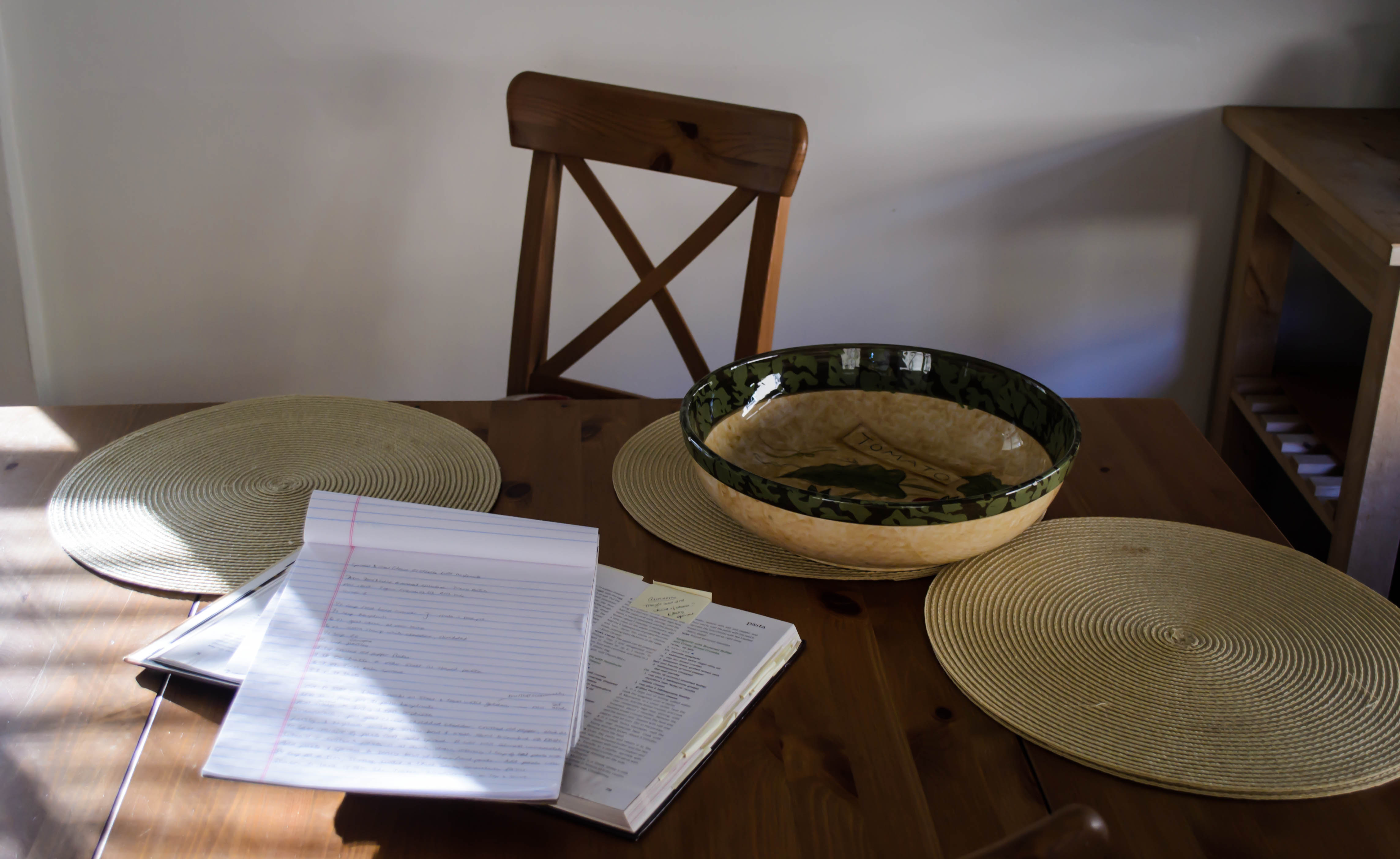
Facing a room full of tables full of books, with more books in boxes underneath, is a daunting task. After I’d perused the “literature and fiction” area and the “classics” table, I would routinely wander to the cookbooks section. Selections here were usually hardback, which meant I’d be able to carry fewer of them, and (surprise, surprise) usually a bit pricier than the twelve ratty copies of Heart of Darkness with torn covers gracing the literature area. But for people with limited willpower, these kinds of hard and fast prohibitions are a good thing. They mean you have to really want what you’re getting, and that leads to better purchases.

 I acquired several good cookbooks via this method, including one containing the first yeast bread I ever made (and it was a success!). But by far, the star has been an old annual collection of Food and Wine Magazine recipes, and within that collection itself, the single page that receives the most attention contains a pasta dish by Mario Batali. It features goat cheese, hazelnuts, and red pepper flakes coaxed into a sauce to coat a pile of orchiette, those little domes of pasta named for their apparent resemblance to little ears (though to be honest they have always reminded me more of a lady’s cloche hat).
 Batali’s recipe is delicious but basic. He blends the aforementioned ingredients with a smattering of chopped parsley, a glug or two of olive oil, and a healthy pour of starchy, steamy pasta water into a creamy sauce. After tossing the pasta in all this tangy, spicy, nutty glory, Batali adds a dusting of toasted bread crumbs for some needed crunch.
My version, though it maintains the procedure, plays to my own tendency for gluttony. Unsatisfied with just goat cheese, I add some shredded white cheddar for extra savory tang. N. is a fiend for bread crumbs, so I nearly triple the quantity called for in the original recipe. In an attempt to atone for these culinary sins, I also add a tremendous half pound of fresh baby spinach leaves, lightly wilted in the pasta water during the last minute of cooking. Further, it’s gluttonous in its allowances for laziness: the sauce, such as it is, is constructed in the serving bowl, the spinach cooks with the pasta, and though you do have to dirty up your food processor, you can process the bread crumbs and the hazelnuts in it one after the other with no need to do more than tamp it out a bit in between.
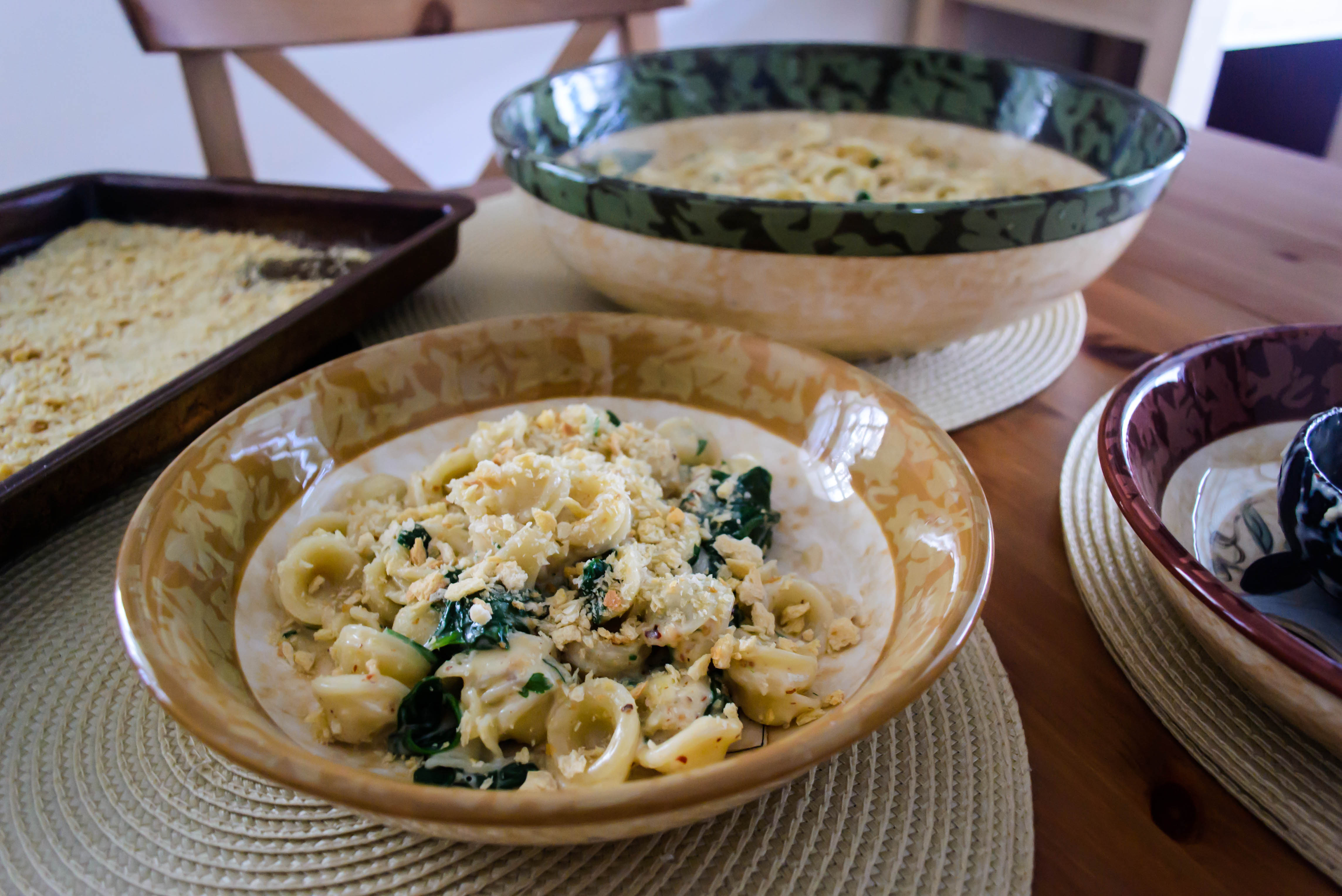
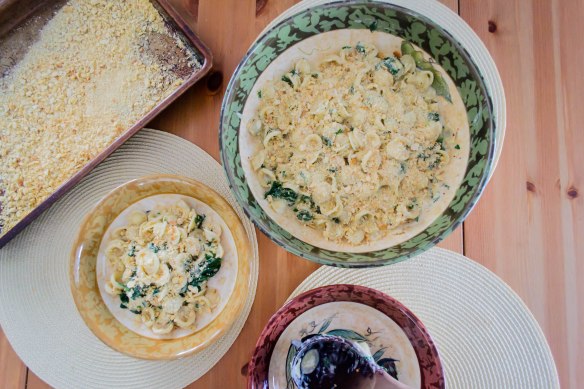 The finished dish is a mountain of pasta, caressed with sauce and threaded through with enough wilted spinach to eliminate the need for a side salad (though if you still want one, be my guest!). It’s a study in textures, with the orchiette themselves retaining a lovely chew, the spinach soft, the sauce silky but rumbling with pebbles of hazelnut resistance, and topped off with the perfect golden crunch of the toasty bread crumbs. Behind all this is the steady heat of the red pepper flakes, which I alternate quantities of – sometimes just enough to add a suggestion of spice, sometimes enough to clear the sinuses of the persistent fall allergies the LA basin is kind enough to grant me. Either way, it’s a dish that I forget about in between instances, but once I’ve tasted a fresh, steaming forkful, it becomes the only thing I want to eat ever again. Again.

Spinach and Goat Cheese Orchiette with Hazelnuts
adapted from Mario Batali
Serves 8
1-1/2 cups fresh bread crumbs (whir 4-5 slices of sourdough in a food processor)
1/2 cup hazelnuts
6 ounces goat cheese, at room temperature
6 ounces extra sharp white cheddar, grated, at room temperature
1/4 cup extra virgin olive oil
1/4 cup minced fresh parsley
1 teaspoon crushed red pepper flakes (or to your taste; this quantity produces a moderately spicy flavor)
1 pound orchiette, preferable, or another vaguely shell-shaped pasta
8 ounces fresh baby spinach
salt and pepper to taste
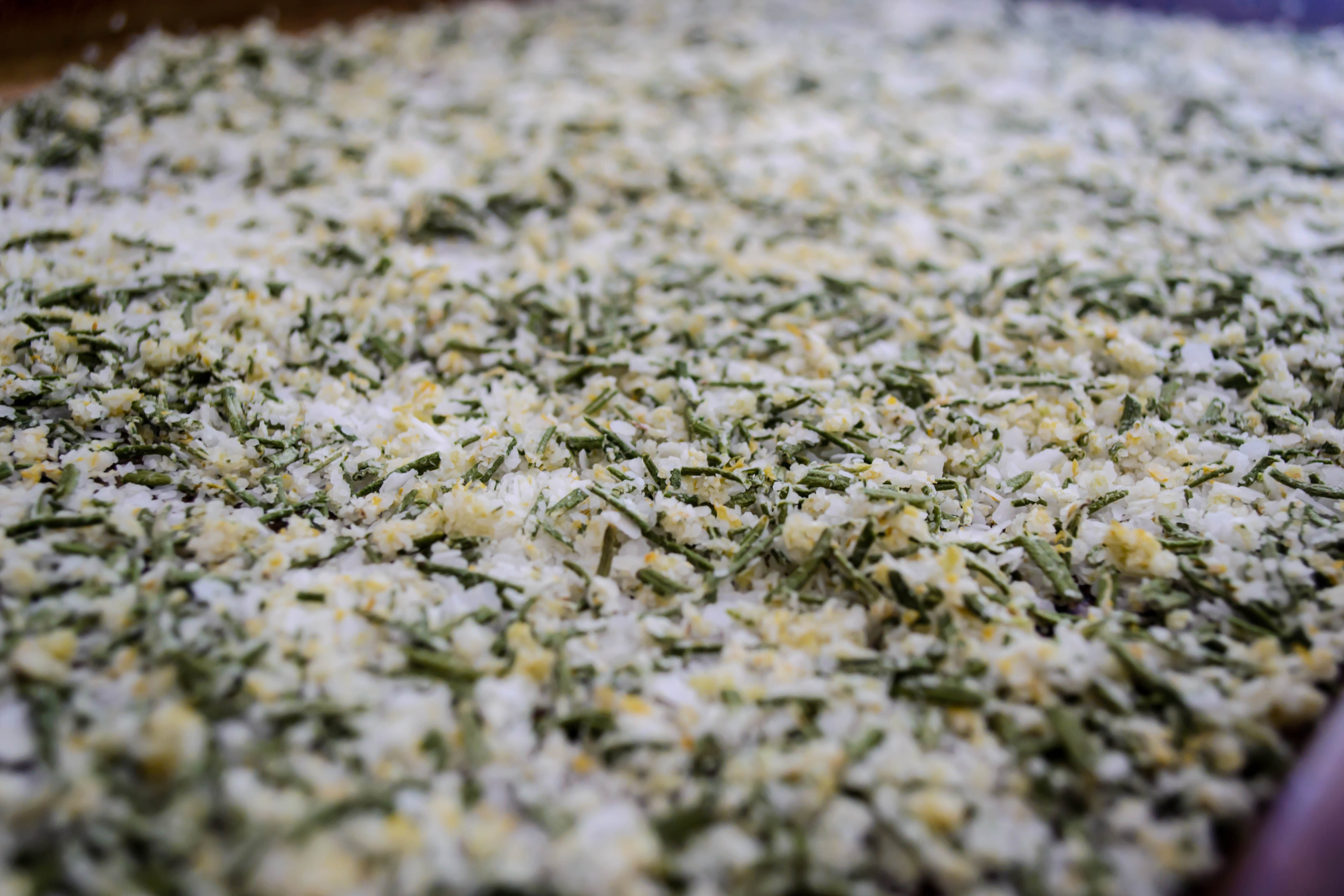
- Preheat the oven to 350F. Once you’ve processed your bread into 1-1/2 cups of fine crumbs, spread them out on a cookie sheet and toast them in the oven until golden, tossing and fluffing occasionally. Depending on the density and size of your crumbs, this will take 10-15 minutes. Once golden and crisp, remove from the oven and set aside.
- Use the same food processor, shaken free of bread crumbs, to grind the hazelnuts into a gravel with individual pieces about the size of coriander or mustard seeds (i.e. we want them small, but not quite ground into a paste).
- Heat well-salted water to boiling in a large pot and cook orchiette according to package directions.
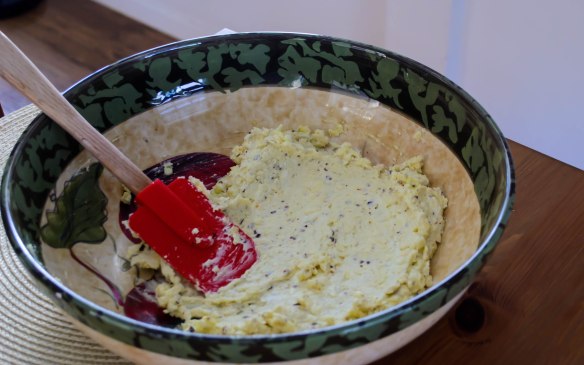
- Meanwhile, put the goat cheese, shredded cheddar cheese, crushed red pepper flakes, olive oil, parsley, and ground hazelnuts into a large serving bowl. Mash it about with a rubber spatula to combine into a thick, lovely, cheesy paste.
- In the last minute of the pasta’s cooking time, add the 8 ounces of baby spinach leaves and push them down into the boiling water with a wooden spoon.
- When the spinach is wilted but still bright green and the pasta is tender but still pleasantly chewy, drain both, reserving about 1 cup of the pasta water.
- Add pasta and spinach to the serving bowl with the cheese and nut mixture. Begin to add the pasta water, 1/4 cup at a time, stirring, until a thick, sauce forms that coats the pasta evenly. This may not take the entire cup of water; thin the sauce just to your desired consistency.
- Season to taste with salt and pepper, then scatter on the breadcrumbs immediately before serving.
 Be well. I’ll be back soon.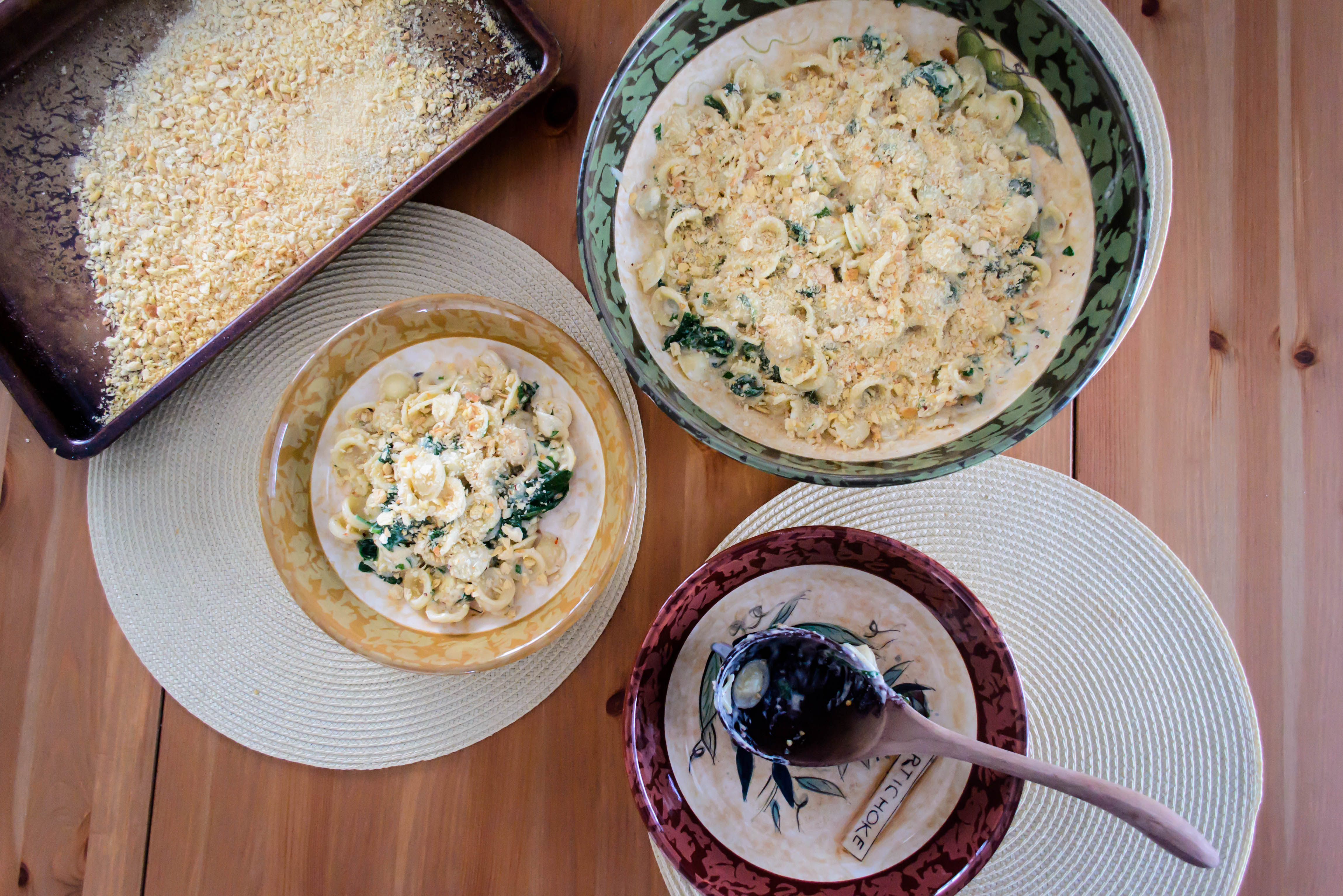










 "blackberry-eating in late September"